Quick Guide
- What Does "Easy" Really Mean? (The Care Deconstructed)
- The Unkillables: Top 5 Easiest to Care for Houseplants
- Honorable Mentions: More Easy-Care Champions
- Your Simple Care Routine for These Easy Plants
- Common Problems (And Their Stupidly Simple Fixes)
- Frequently Asked Questions (The Stuff You Actually Google)
- Final Thought: Start Simple, Build Confidence
Let's be honest. We've all been there. You see those stunning, lush indoor jungles on social media, buy a beautiful plant with the best intentions, and then... life happens. You forget to water it for a week (or three). Your apartment gets about as much light as a cave. You go on vacation and come back to a crispy, brown reminder of your neglect.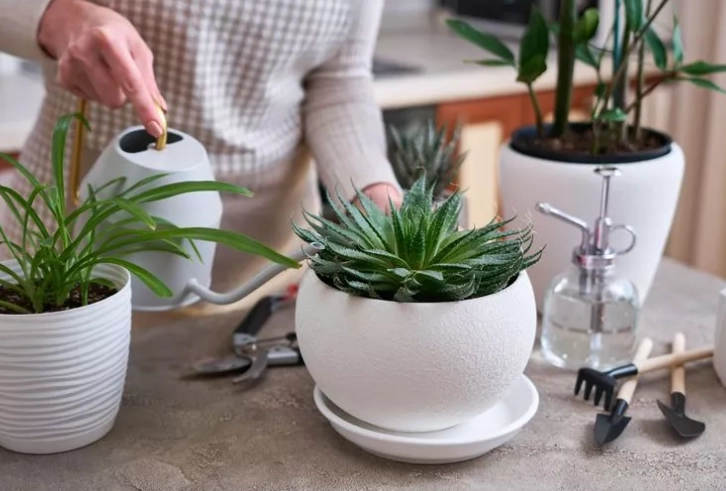
I've killed my share of plants, trust me. A beautiful fern that turned to dust, a flowering something-or-other that just gave up. It's discouraging. It makes you think you just don't have the "green thumb."
But what if I told you the problem wasn't you, but the plant? That there's a whole world of incredibly resilient, forgiving, and downright tough houseplants that not only survive occasional neglect but seem to prefer it?
That's what we're diving into today.
We're not talking about plants that are "sort of" easy. We're hunting for the champions, the hardiest of the hardy—the truly easiest to care for houseplants for people who are busy, forgetful, traveling, or just starting out. These are the plants that will build your confidence, not crush it.
The Core Idea: The easiest indoor plants share common traits: they tolerate low light, forgive missed waterings, aren't fussy about humidity, and rarely get pests. They're the low-maintenance heroes of the plant world.
What Does "Easy" Really Mean? (The Care Deconstructed)
Before we list names, let's define our terms. When plant people say "easy," they're usually bundling a few key survival skills together. Understanding this is your first step to success.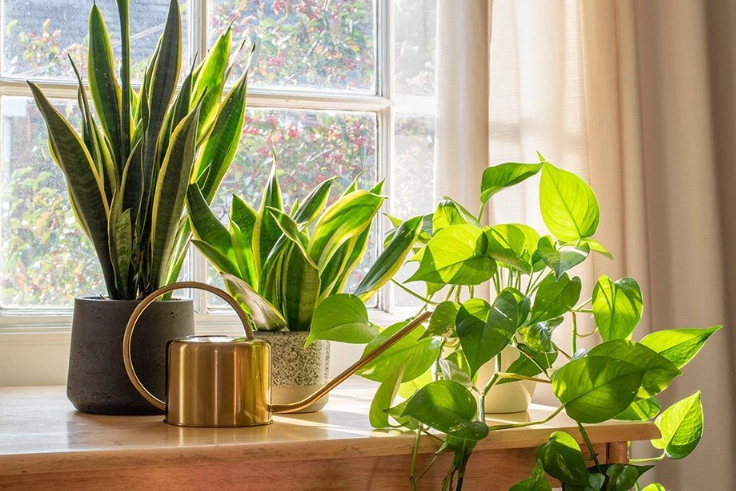
Light: The Low-Light Lovers
The biggest killer, after overwatering, is usually the wrong light. Not every home has a sunny south-facing window. The easiest to care for houseplants are those that thrive in indirect light. Think: the light that falls a few feet back from a window, or in a bright room with no direct sunbeams hitting the leaves. Direct, hot sun can scorch leaves, while deep darkness starves them. The sweet spot is bright, indirect light, but our top picks will tolerate lower levels far better than most.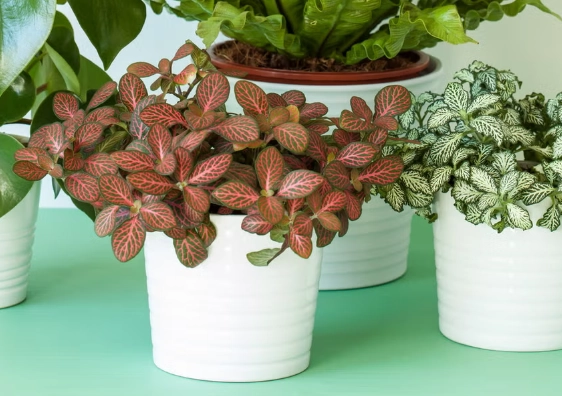
Watering: The Drought-Tolerant Brigade
Overwatering is public enemy number one for houseplants. It rots roots, and a rotten root system is a death sentence. The best easy-care plants have built-in water storage—like succulent leaves or thick rhizomes—so they can go a long time between drinks. We're talking about plants where the rule is "when in doubt, wait it out." You check the soil, it's dry, and you can still wait a few more days. That's the kind of buffer beginners need.
Humidity & Temperature: The Adaptable Ones
Some plants throw a fit if the air isn't as moist as a tropical rainforest. Not our list. The easiest indoor plants adapt to the average humidity of a climate-controlled home (which is often quite dry, especially in winter). They also don't mind the typical temperature range you live in, say between 60°F and 80°F (15°C - 27°C). No need for humidifiers or heat mats.
Soil & Food: Not Picky Eaters
A standard, well-draining potting mix from the garden center is usually just fine. They don't need special acidic or sandy blends. Feeding? A half-strength dose of balanced liquid fertilizer once a month in spring and summer is plenty, and you can skip it entirely for months and they won't complain.
The Unkillables: Top 5 Easiest to Care for Houseplants
Okay, let's get to the good stuff. Based on sheer toughness, adaptability, and my own (sometimes tragic) experience, here are my top contenders for the title. These are the plants I recommend to friends who swear they can't keep anything alive.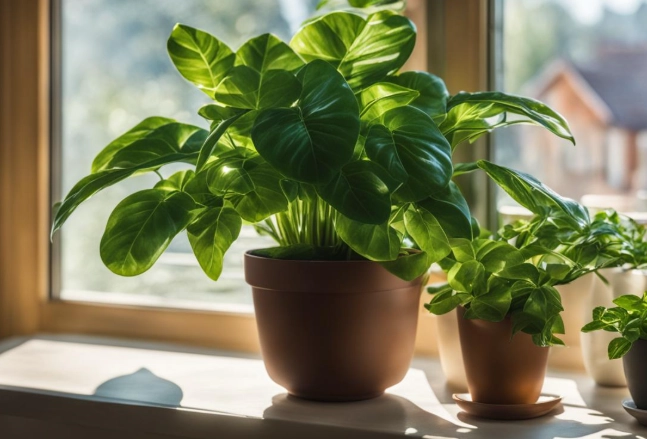
1. The Snake Plant (Sansevieria / Dracaena trifasciata)
If there was a crown for the most forgiving plant, the Snake Plant would wear it. This is often the #1 recommended plant for beginners for rock-solid reasons. Its architectural, upright leaves come in various shades of green, often with striking yellow or silver edges.
Why it's easy: It's practically a cactus in disguise. Its thick, succulent leaves store water. You can forget to water it for a month, and it will likely just shrug. It thrives in low light (though it grows faster in medium indirect light) and is virtually pest-free. It's also a champion air purifier, according to the famous NASA Clean Air Study.
The one catch: The only surefire way to kill it is by giving it too much love—i.e., constant watering. Let the soil dry out completely between waterings. In winter, that might mean watering only once every 6-8 weeks.
2. The ZZ Plant (Zamioculcas zamiifolia)
The ZZ Plant is the sleek, modern cousin in the easy-care family. Its glossy, dark green leaves look almost artificial because they're so perfect. It's a slow grower, which is part of its low-maintenance charm.
Why it's easy: This plant is a survivalist. It has potato-like rhizomes under the soil that store huge amounts of water and nutrients. It can survive months of drought and extremely low light conditions. I've seen ZZ plants thriving in windowless office bathrooms under fluorescent lights. It's that tough.
My experience: I have a large ZZ in a corner that gets barely any ambient light. I water it maybe once every two months. It hasn't grown an inch in a year, but it hasn't lost a leaf either. It's just... content. That's the ZZ vibe.
3. The Pothos (Epipremnum aureum)
If you want a plant that grows and gives you quick gratification, Pothos is your guy (or gal). This vining plant with heart-shaped, marbled leaves is incredibly enthusiastic. It will trail beautifully from a shelf or climb a moss pole.
Why it's easy: Pothos tolerates a huge range of light conditions, from low to bright indirect. It tells you when it's thirsty—the leaves will get noticeably droopy. Give it a drink, and it perks right up in a few hours. It's a drama queen, but in a helpful way. It's also super easy to propagate in water, so you can make endless free plants for friends.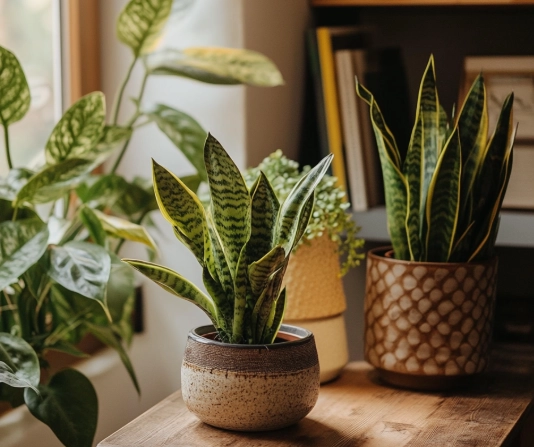
4. The Spider Plant (Chlorophytum comosum)
A classic for a reason. Spider Plants have cheerful, arching green and white striped leaves. Their party trick is producing "pups" or "spiderettes"—little baby plants on long stems that you can snip off and root.
Why it's easy: It's adaptable and fast-growing. It prefers bright, indirect light but manages in lower light. It likes consistent moisture but is fairly forgiving if you miss a watering. The main issue people have is brown tips on the leaves, which is usually due to fluoride in tap water or occasional under-watering. It's a cosmetic issue, not a fatal one. Using distilled or rainwater can prevent it.
5. The Cast Iron Plant (Aspidistra elatior)
The name says it all. This plant is legendary for its ability to withstand terrible conditions—low light, low humidity, temperature fluctuations, and sporadic watering. It has broad, dark green, lance-shaped leaves that grow directly from the soil.
Why it's easy: It is the definition of low-light plant. It actually prefers shadier spots and can be damaged by direct sun. It grows very slowly and needs infrequent watering. It's the plant you put in that dark corner where nothing else will go and forget about, and it just... exists, beautifully. It's not flashy, but it's eternally reliable.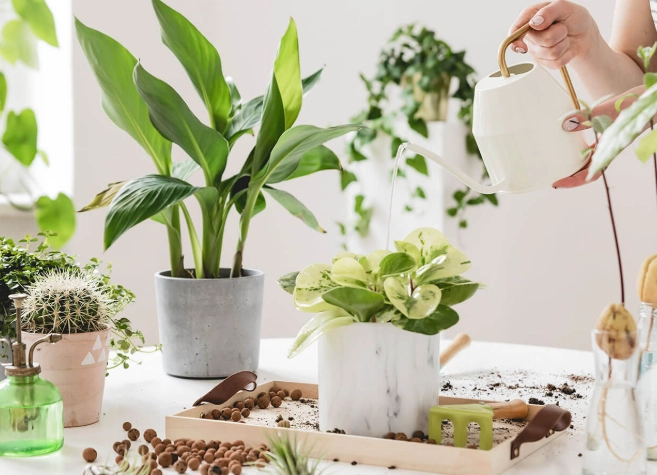
| Plant Name | Light Needs | Watering Style | Key Superpower | Good For... |
|---|---|---|---|---|
| Snake Plant | Low to Bright Indirect | Very Infrequent (Let dry completely) | Extreme drought tolerance | Forgetful waterers, dark rooms |
| ZZ Plant | Very Low to Medium Indirect | Infrequent (Every 3-4 weeks+) | Survives near-darkness | Low-light apartments, offices |
| Pothos | Low to Bright Indirect | Moderate (Water when top inch is dry) | Visual "thirst" indicator | Beginners wanting fast growth |
| Spider Plant | Medium to Bright Indirect | Moderate (Keep slightly moist) | Produces easy-to-share pups | Hanging baskets, pet-friendly homes* |
| Cast Iron Plant | Very Low to Medium Indirect | Infrequent (Let dry partially) | Neglect tolerance champion | Dim corners, low-maintenance decor |
*Always double-check plant toxicity with a source like the ASPCA's Animal Poison Control database for your specific pets.
Honorable Mentions: More Easy-Care Champions
The top five are the elite, but the bench is deep. Here are a few more easiest to care for houseplants that deserve a spot in your home.
- Peace Lily (Spathiphyllum): Another great communicator. It droops dramatically when thirsty and bounces back fast. It blooms beautiful white flowers in decent light. Note: It prefers more consistent moisture than the others above.
- Chinese Evergreen (Aglaonema): Comes in stunning red, pink, and silver varieties. It's slow-growing and very happy in low to medium light. Water when the top couple inches of soil are dry.
- Philodendron Heartleaf: Similar to Pothos in care and vining habit, with solid green, heart-shaped leaves. Just as forgiving and easy-going.
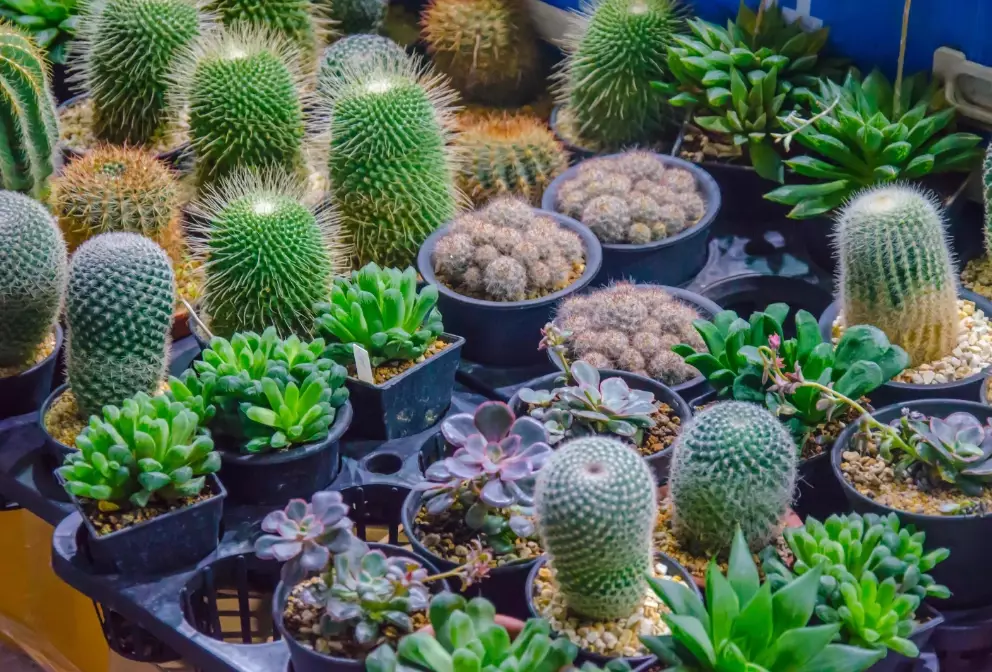
- Succulents (e.g., Jade Plant, Haworthia): The definition of drought-tolerant. They need bright light and very infrequent watering. They're easy only if you have the light; otherwise, they get leggy and sad.
Watch Out: While succulents are touted as easy, they often fail for beginners because of insufficient light. A dark shelf is a death sentence for an Echeveria. Stick with Snake or ZZ plants for truly low-light, easy care.
Your Simple Care Routine for These Easy Plants
You've got the plant. Now what? Throw out the complex schedules. Here's the minimalist approach.
The Finger Test is Your Best Friend
Forget calendars. Stick your finger into the soil up to your first knuckle (about an inch or 2.5 cm deep). For Snake, ZZ, and Cast Iron plants: if it's dry, wait a few more days, then water. For Pothos and Spider Plants: if it's dry, go ahead and water. That's it.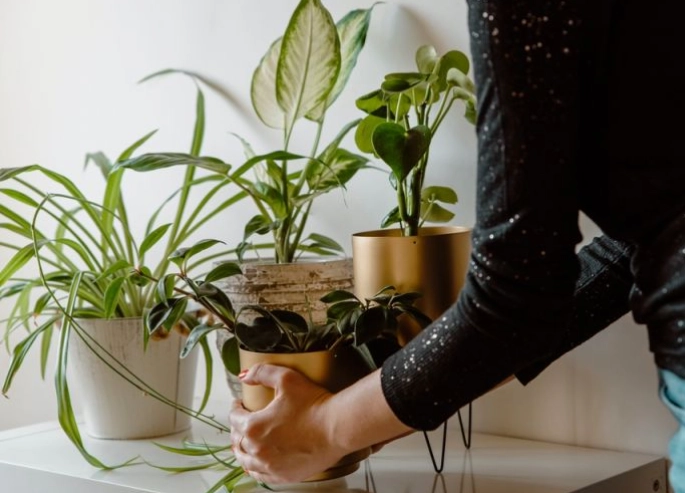
The Right Pot Matters
Always use a pot with a drainage hole. It's non-negotiable. It lets excess water escape, preventing the dreaded "wet feet" that causes root rot. A cute pot without a hole is a swimming pool for roots. You can use it as a decorative cache pot by placing the plastic nursery pot inside it, and taking it out to water.
Less is More with Food
These plants aren't heavy feeders. In the growing season (spring/summer), a diluted all-purpose houseplant fertilizer once a month is ample. In fall and winter, don't fertilize at all. They're resting.
Really, the main skill is learning to restrain yourself. The urge to over-care is strong. Resist it.
Common Problems (And Their Stupidly Simple Fixes)
Even the easiest to care for houseplants can have issues. Here’s how to read the signs.
Yellow Leaves
Most likely cause: Overwatering. This is the #1 issue. Fix: Stop watering immediately. Let the soil dry out completely. Check if the pot drains. In severe cases, you may need to take the plant out, remove mushy, rotten roots, and repot in fresh, dry soil.
Brown, Crispy Leaf Tips or Edges
Most likely cause: Low humidity or chemicals/minerals in tap water (especially on Spider Plants). Fix: You can trim off the brown tips with clean scissors for looks. For future prevention, use distilled, filtered, or rainwater if you see it happening a lot. Or just accept it as a minor flaw—the plant is still healthy.
Leggy Growth (Long stems with few leaves)
Most likely cause: Not enough light. The plant is stretching to find a light source. Fix: Move it to a brighter location (but not direct hot sun). You can also prune back the leggy stems to encourage bushier growth.
The Plant Just... Stopped
No new growth, but not dying either. Most likely cause: It's dormant (common in winter) or it's severely rootbound. Fix: Check if roots are circling densely at the bottom of the pot. If so, it's time to repot into a container one size larger. Otherwise, be patient until spring.
Frequently Asked Questions (The Stuff You Actually Google)
Final Thought: Start Simple, Build Confidence
The journey to a green home doesn't start with a finicky fiddle leaf fig. It starts with a resilient Snake Plant sitting happily in your dim living room, asking for nothing. It starts with a Pothos trailing from your bookshelf, perking up after a weekend away.
These easiest to care for houseplants are more than just decor. They're training wheels. They're proof that you can do this. They teach you the rhythms of plant care—the feel of dry soil, the look of a happy leaf—without punishing every mistake.
So pick one that speaks to you. Get it home. Don't overthink it. Water it sparingly. Ignore it a little. Watch it not just survive, but live. That's the real magic of the easy-care plant crew. They're not just surviving your care; they're quietly building your confidence, one green leaf at a time.
And honestly? That's a pretty great deal.

Comments