In This Guide
Let's be honest, who can resist a lush, overflowing pot of String of Pearls? Those perfect little green orbs tumbling down a shelf are pure plant goals. But buying multiple pots can get pricey. The good news? Propagating string of pearls is one of the more straightforward succulent projects you can tackle at home. It's not without its quirks, though. I've had my share of failures—mushy stems, pearls that shriveled to nothing, the whole sad drama. But once you get the rhythm, it's incredibly rewarding. This guide isn't just a rehash of the same old tips; it's the collective wisdom from getting it wrong so you can get it right, turning your prized plant into a whole family.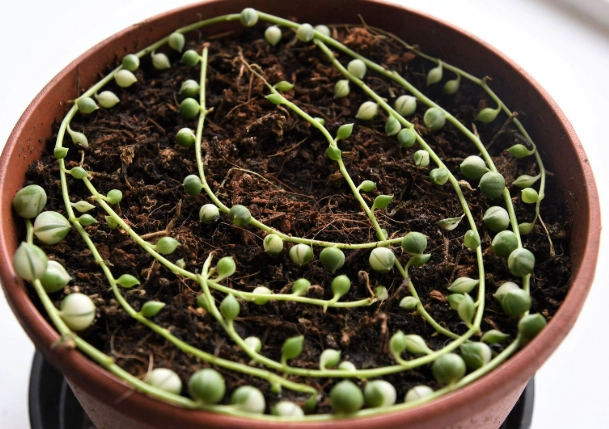
Why bother propagating? Beyond the obvious (free plants!), it's a lifesaver if your original plant gets leggy, has a bare neck, or if—heaven forbid—you overwater and need to salvage healthy parts. Propagating string of pearls is essentially creating an insurance policy for your favorite succulent.
Gearing Up: What You Actually Need (It's Less Than You Think)
You don't need a greenhouse. A bright windowsill, a few basic tools, and a lot of patience are the main ingredients. Here’s the real-world toolkit I always have on hand:
- Sharp, clean scissors or snips. Dull blades crush the stem, making rot more likely. I wipe mine with rubbing alcohol. It seems fussy, but it matters.
- A well-draining potting mix. This is non-negotiable. The pre-bagged “cactus & succulent” soil from the store? I find it still holds too much water. I mix it 50/50 with perlite or pumice. Some people use a gritty mix almost entirely. The goal is water that runs through fast.
- Small pots or a shallow tray. Terracotta is king because it breathes, helping soil dry evenly. Plastic works if you're a disciplined waterer (I am not). Ensure there's a drainage hole. No debate.
- Optional but helpful: rooting hormone. For stem cuttings, a dip in rooting hormone powder can speed things up. For leaf propagation, it's less effective. Don't stress if you don't have it.
The right setup prevents 80% of problems later.
Your Propagation Roadmap: Stem vs. Leaf vs. Division
There are a few ways to go about propagating string of pearls. Each has its own success rate and timeline. Think of it as choosing your adventure.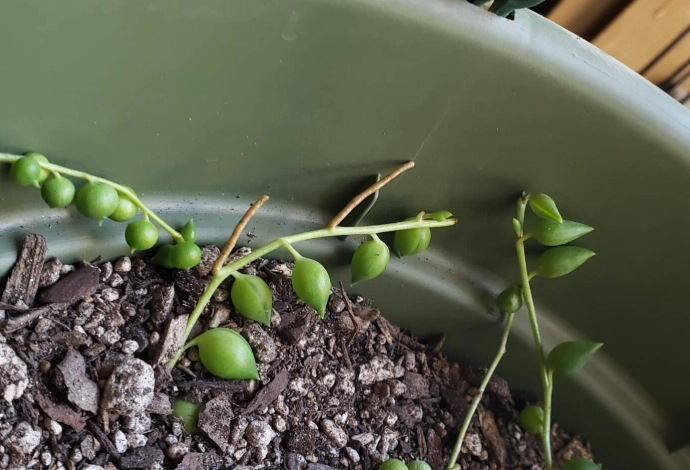
Method 1: Stem Cuttings (The Champion Method)
This is the gold standard, the method with the highest success rate for propagating string of pearls. You're essentially cloning a piece of the mother plant. Here's the step-by-step I follow every time now, after learning from my early mistakes.
- Choose Your Champion Strand. Look for a healthy, plump vine. Avoid any with yellowing, shriveled, or damaged pearls. A length of 3-4 inches (about 10 pearls) is perfect. Longer is fine, but you might cut it into sections later.
- The Clean Cut. Using your clean tools, snip the stem between pearls. You want a little bit of bare stem on the end you'll plant. Some people swear by letting the cut end “callous” or dry for a day before planting to prevent rot. In my humid climate, I always do this. Lay it on a paper towel out of direct sun for 24 hours. The cut end should look dry and sealed.
- Prep the Soil. Get your pot ready with that fast-draining mix. Moisten it lightly so it's barely damp, like a wrung-out sponge. Not wet. Soggy soil is the enemy of propagating string of pearls.
- The Planting Trick. This is key. Don't just stick the end in. Coil the entire cutting on top of the soil. Gently press the nodes (the points where pearls connect to the stem) into contact with the soil. You can use a bent paperclip or hairpin to hold sections down. Roots will emerge from these nodes. Burying the whole strand is a rot invitation.
- The Waiting Game. Place the pot in bright, indirect light. No harsh afternoon sun—it'll cook your unrooted cutting. Watering is the tricky part. For the first week, just mist the soil surface lightly if it looks bone dry. Once you see new growth (a tiny pearl forming is the best sign!), you can start a light watering routine from the bottom.
My Big Mistake: I used to plant the cut end deep and water it like an established plant. Cue stem rot within a week. Less is more. Think “soil contact,” not “burial.”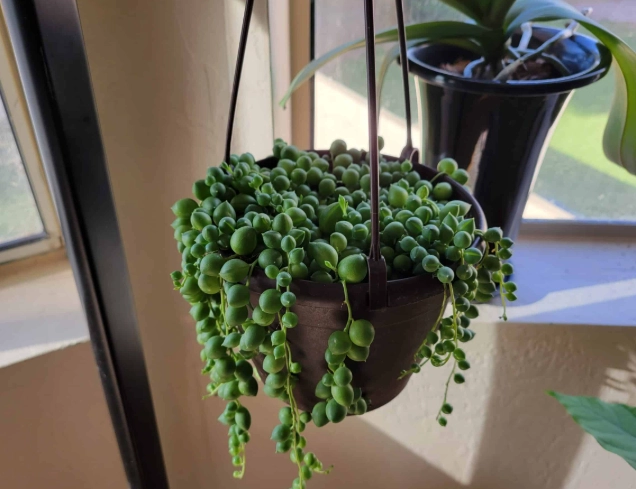
Method 2: Leaf Propagation (The Patient Gardener's Test)
Can you propagate a string of pearls from a single pearl? Technically, yes. But let's manage expectations. The success rate is lower, and it takes forever. I do this mainly if I have a single pearl that's fallen off. It's more of a science experiment.
Gently twist a plump, healthy pearl off the stem, trying to get a tiny piece of the stem attached (this is called a “clean pull”). Let it callous for a day or two. Then, lay it on top of dry succulent soil. Don't bury it. Wait. And wait. Mist the soil around it very occasionally. In a few weeks to months, you might see tiny roots and a microscopic new stem. It requires serious patience.
Honestly, I find leaf propagation more frustrating than rewarding with this plant.
Method 3: Division (The Instant Gratification Method)
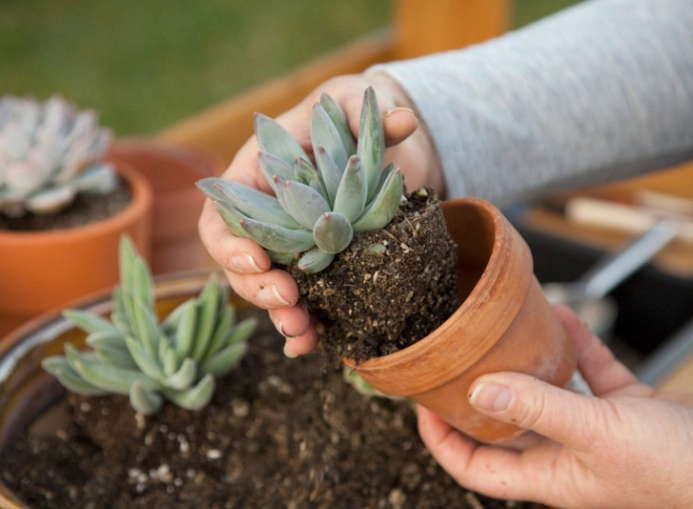
If your plant is mature and densely potted, division is fantastic. It's not propagating in the cutting sense, but it multiplies your plants instantly. Gently remove the entire plant from its pot. You'll see it's likely several individual plants clustered together. Carefully tease the root balls apart with your fingers, trying to minimize damage. Repot each section into its own container with fresh soil. Water lightly after a few days. Boom, you have multiple full plants.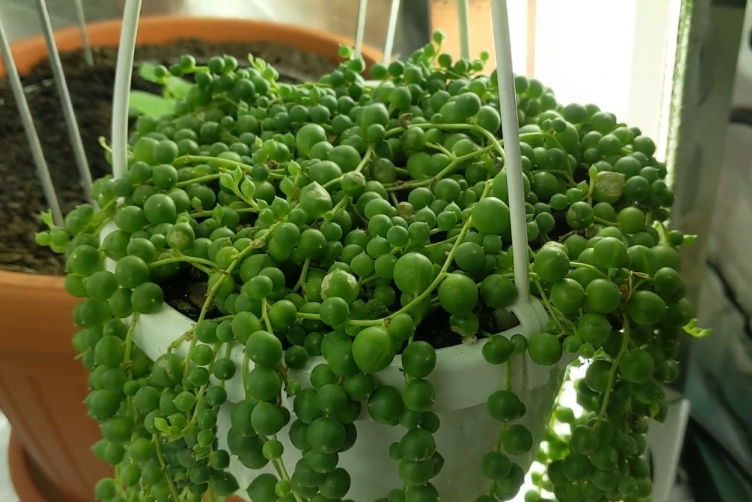
Division is the safest bet if you're nervous about cuttings failing. You're working with established root systems, so the shock is minimal.
The Crucial Aftercare: Don't Lose Them Now!
Getting roots is only half the battle. The first few months are critical. Here's how to baby your new propagations.
Light: The Goldilocks Zone
Bright, indirect light is the sweet spot. An east-facing window is ideal. A south or west window needs a sheer curtain. Too little light, and they'll grow leggy, stretching for the sun. Too much direct sun, especially hot afternoon rays, will sunburn those tender pearls, leaving brown scorch marks. I learned this the hard way with a batch on a south-facing patio—they fried in a week.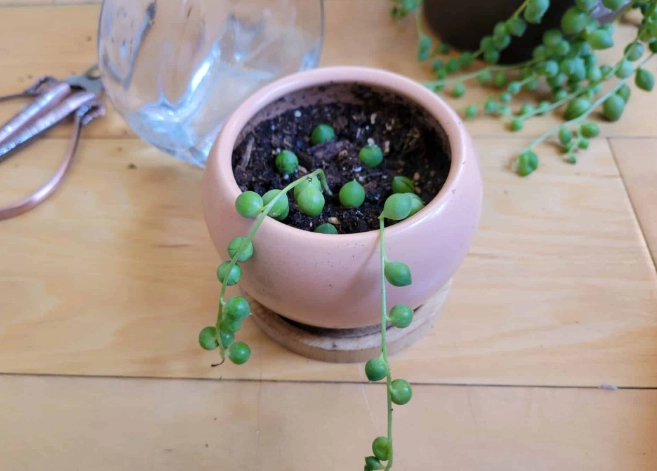
Watering: The Tightrope Walk
This is where most people, including past me, fail. Your propagated string of pearls has a tiny root system. It can't handle a deep soak.
- Stage 1 (First 2 weeks): Light misting on the soil surface only when completely dry.
- Stage 2 (After first new growth): Begin bottom watering. Place the pot in a shallow dish of water for 10-15 minutes, allowing the soil to wick moisture up. This encourages roots to grow downward.
- Stage 3 (Established plant): The classic “soak and dry” method. Water thoroughly until it runs out the drainage hole, then let the soil dry out completely before watering again. Stick your finger in the soil. If it's damp, wait.
Soil & Fertilizer: Keeping it Simple
Keep them in that well-draining mix. Don't fertilize at all for the first 6 months. They need to focus on root growth, not green growth. After that, a diluted, balanced liquid fertilizer (half strength) once in the spring and once in the summer is plenty. More is not better. It can burn the roots.
Troubleshooting: Why Is My Propagation Failing?
Let's diagnose common problems. I've faced most of these.
The pearls are shriveling and drying up. This usually means underwatering OR the roots haven't formed yet and can't take up water. Check for root growth gently. If no roots, increase ambient humidity slightly (a pebble tray helps) and ensure the soil has some moisture contact.
The stem is mushy, brown, or black. The dreaded rot. Almost always from overwatering, soil that stays wet too long, or a non-calloused cutting. Act fast. Cut away all mushy parts back to healthy, firm stem. Let it callous again and restart in fresh, dry soil. This is the main risk when propagating string of pearls.
No growth for months. Could be dormant (winter), not enough light, or soil temps are too cold. Ensure warmth and adequate light. Patience is also a factor.
Leggy, spaced-out new growth. This is etiolation—a plea for more light. Move it to a brighter location (gradually to avoid sunburn).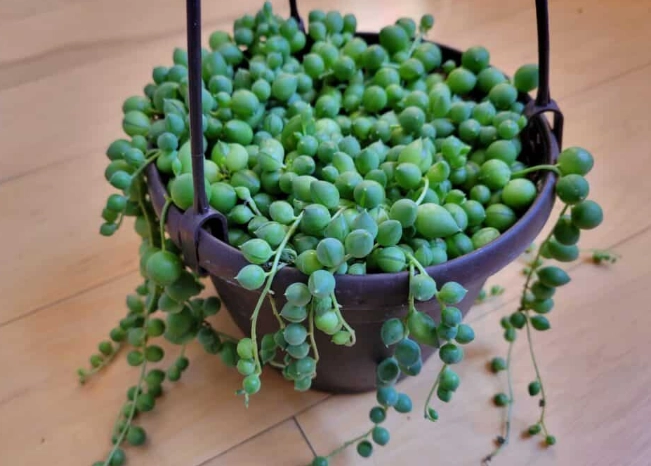
Propagation FAQs: Your Questions, Answered
Pro Tips & Final Thoughts
After propagating dozens of these plants, here's what I wish I knew from the start:
- Label your pots with the date. It helps manage expectations and track your progress.
- Don't be afraid to take long cuttings. A 6-inch strand can be coiled into a small pot, giving you a fuller plant faster as multiple nodes root.
- Airflow is a silent helper. A gentle breeze (from a fan on low, not directly on them) strengthens stems and discourages fungal issues.
- If you're dealing with pests like mealybugs on the mother plant, do not take cuttings from it. Treat the mother plant first. Pests will devastate vulnerable cuttings. The Royal Horticultural Society (RHS) has great, reliable advice on dealing with common houseplant pests organically.
- Sometimes, despite doing everything “right,” a cutting fails. It happens. Don't get discouraged. Take another cutting and try again. Gardening is about learning.
The process of propagating string of pearls connects you to the plant in a different way. You're not just a caretaker; you're a creator. Watching a tiny, rooted strand eventually cascade over the edge of its pot is one of the most satisfying feelings in indoor gardening. Start with a stem cutting, be patient with the water, and give them light. You'll be passing on strands to friends before you know it.
Remember, the core principles for a thriving string of pearls—whether propagated or store-bought—are brilliant indirect light, infrequent but thorough watering, and excellent drainage. Master these, and you've mastered the plant. For in-depth scientific backing on succulent care and water needs, the research from institutions like the University of California Agriculture and Natural Resources can be a valuable resource to deepen your understanding.

Comments