Guide Highlights
- What Exactly Is Cat Grass, Anyway?
- The Real Reasons Your Cat Needs Grass (It's Not Just for Vomiting)
- Choosing the Right Cat Grass Seeds: A Buyer's Checklist
- The Foolproof, Step-by-Step Guide to Growing Cat Grass
- Keeping the Green Going: Maintenance & Troubleshooting
- Safety First: Crucial Do's and Don'ts
- Answering Your Top Cat Grass Seeds Questions
- The Final Verdict: Is It Worth the Effort?
Let's be real. If you have an indoor cat, you've probably seen that weird, slightly desperate look they get. The one where they're eyeing your spider plant like it's a gourmet salad, or trying to sneak a nibble of the fake ivy. It's not them being naughty. It's instinct. And that's where cat grass seeds come in – they're the simple, safe answer to a very primal feline need. I learned this the hard way after my cat, Mochi, decided my prized peace lily was a snack bar. Spoiler: peace lilies are toxic. That was a scary, expensive vet visit that could have been avoided with a simple pot of homegrown grass.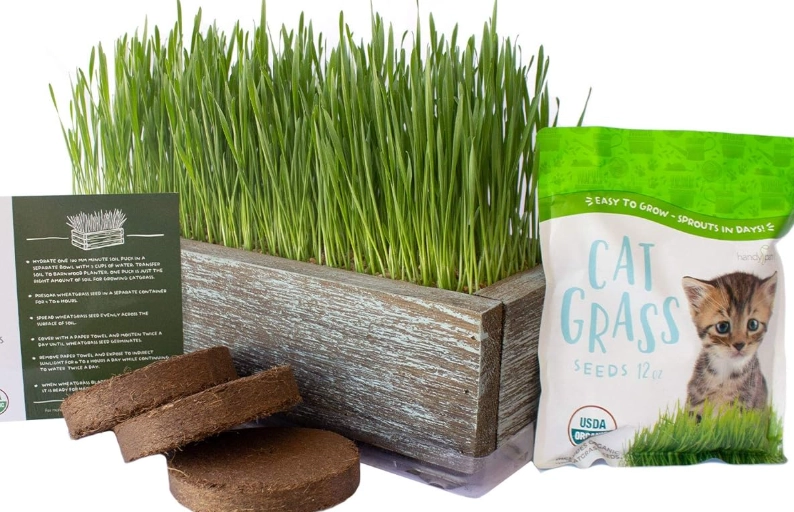
This isn't just about giving your cat something to chew. It's about understanding why they need it. For years, I thought cat grass was just a trendy pet accessory. Then I started digging, talking to vets, and killing my fair share of seedlings (more on that later). What I found changed how I care for my cat. This guide is everything I wish I'd known from the start. We're going to cut through the marketing fluff and get our hands dirty, from picking the right seeds to dealing with the inevitable mess. Because growing cat grass from seeds shouldn't be complicated, but doing it right makes all the difference.
Why Bother Growing Your Own?
You can buy pre-grown kits, sure. But starting from cat grass seeds gives you control. You know exactly what's in the soil (organic, please!), you can grow a fresh supply every couple of weeks, and honestly, it's about a tenth of the cost. Watching those first green shoots appear is also weirdly satisfying. For your cat, it's a fresh, nutrient-rich source of what they're biologically programmed to seek.
What Exactly Is Cat Grass, Anyway?
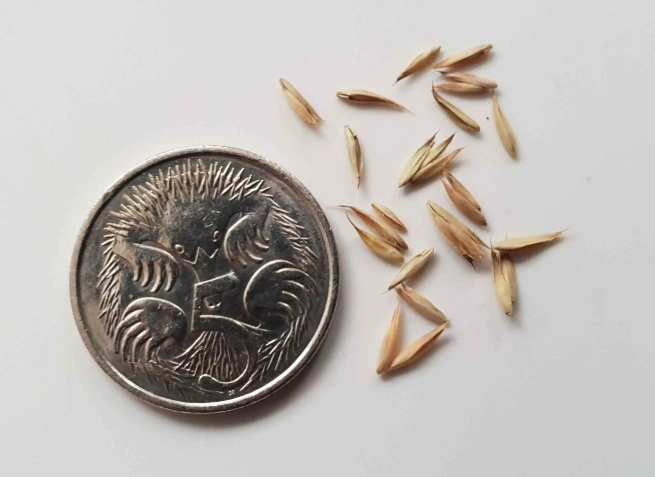
First, a quick clarification. "Cat grass" isn't one specific plant. It's a common name for a few types of fast-growing, safe grasses. We're not talking about your lawn grass, which might have pesticides or fertilizers. The most common varieties grown from cat grass seed mixes are:
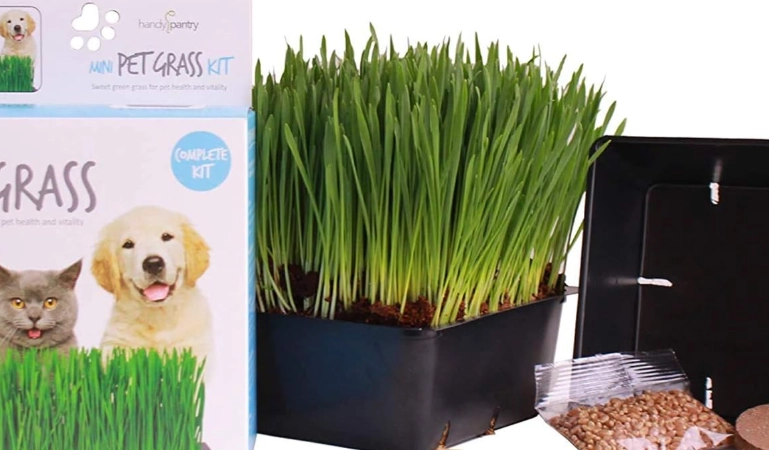
- Wheatgrass: The superstar. Packed with vitamins A, E, and chlorophyll. It's the one you often see in juice bars, and cats love it.
- Oatgrass: Slightly sweeter and softer. A great alternative if your cat is a picky eater.
- Barleygrass: Similar to wheatgrass in benefits, with a robust growth habit.
- Rye Grass: Grows quickly and provides good fiber.
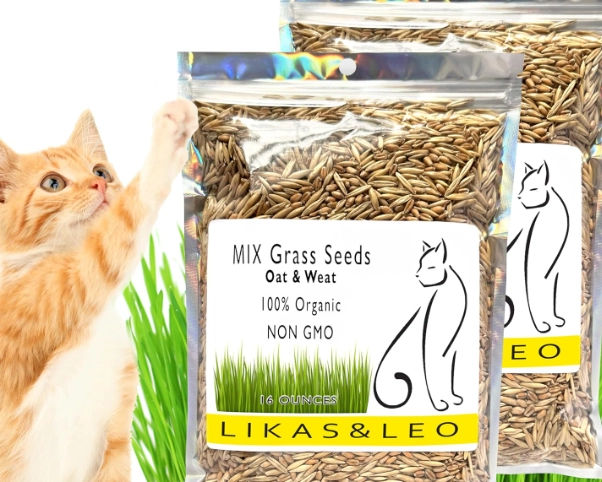
Most bags of cat grass seeds you'll find are a blend of these, usually wheat and oat. The variety isn't just for fun—it ensures something grows well in your specific home environment and appeals to your cat's taste. Think of it as a salad bar for felines.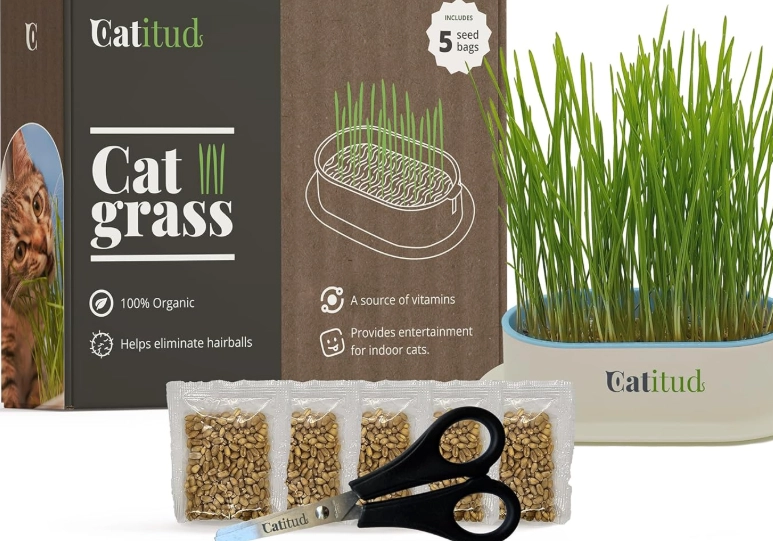
The Real Reasons Your Cat Needs Grass (It's Not Just for Vomiting)
Sure, the most obvious sign is the occasional pile of chewed-up grass. But the benefits go way beyond that. After reading a ton and consulting resources like the ASPCA's Animal Poison Control pages to understand safe vs. toxic plants, the picture became clear.
Digestive Aid: This is the big one. Grass acts as a natural laxative and hairball remedy. The insoluble fiber helps move hair and other indigestible bits through their digestive tract. It's like nature's plumbing snake. If your cat is a prolific groomer (looking at you, long-haired breeds), this is non-negotiable.
Nutritional Boost: Fresh grass contains folic acid (a B vitamin), which aids in oxygen transport in the blood. It also has chlorophyll, which some holistic vets suggest may have minor wound-healing and deodorizing properties. Don't expect miracles, but it's a nice little supplement.
Behavioral Enrichment: For indoor cats, life can be boring. A pot of growing grass provides sensory stimulation—something to smell, touch, and taste. It's a piece of the outdoors, safely brought inside. It can curb their desire to munch on your dangerous houseplants.
Stress Relief: The act of chewing and grazing is a calming, innate behavior. It can be a constructive outlet for anxiety or pent-up energy.
Choosing the Right Cat Grass Seeds: A Buyer's Checklist
Not all seed packets are created equal. The pet aisle can be a confusing place. Here’s what I look for now, after a few dud purchases.
- Organic, Always: This is my non-negotiable rule. You don't want seeds treated with fungicides or chemicals. Your cat is ingesting this. Look for a certified organic label. It's worth the extra dollar or two.
- Seed Mix vs. Single Type: As my earlier story hinted, go for a mix. It increases your chances of success and gives your cat options. A blend of wheat and oat is a classic, reliable choice.
- Check the Date: Seeds lose viability over time. Look for a packed-on or use-by date. Fresh seeds germinate faster and more uniformly. A dusty packet at the back of the shelf is a gamble.
- Read the Fine Print: Ensure the packet says "pet-safe" or "for cats." Avoid any generic "grass seeds" meant for lawns, as they are not intended for consumption.
A Quick Warning
Be extremely wary of seeds labeled as "catnip grass" or anything that sounds too good to be true. Catnip (Nepeta cataria) is a different plant altogether and grows from a different seed. Some sellers use misleading labels. True cat grass seeds will list the grains I mentioned above (wheat, oat, barley, rye).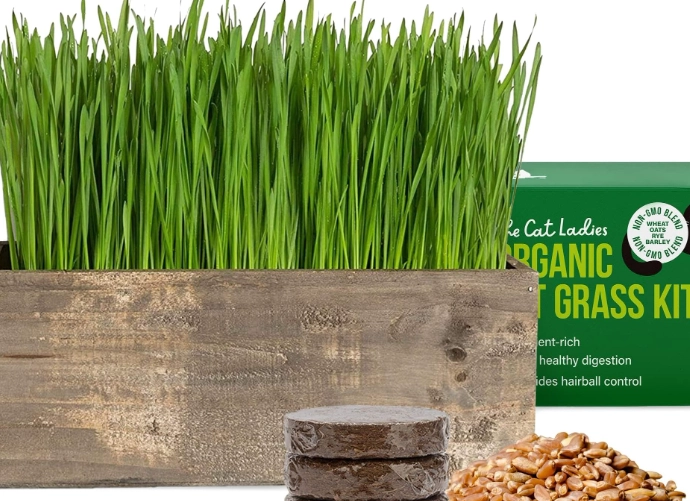
The Foolproof, Step-by-Step Guide to Growing Cat Grass
Here's the method that finally gave me consistent, lush greens instead of a pot of mold or sad, spindly shoots. I've killed more trays than I care to admit to get this right.
What You'll Need
- Seeds: Your chosen organic cat grass seeds.
- Container: A shallow, wide pot or tray with drainage holes. Those cheap terracotta saucers work perfectly. Depth isn't key; width is, so your cat has room to graze.
- Soil: A high-quality, organic potting mix. Do NOT use soil from your garden (pests, fungi, who knows what). I avoid mixes with added fertilizer for the first grow.
- Water: A spray bottle is your best friend for the early stages.
- Light: A bright windowsill, but not scorching direct sun all day.
The Planting Process
Day 1: Soak (The Secret Step Most People Skip)
Take a handful of seeds and soak them in lukewarm water for 6-8 hours, or even overnight. This kickstarts germination and leads to much faster, more even growth. You'll see little white sprouts starting to emerge. Drain them.
Day 1: Plant
Fill your container with 2-3 inches of moistened potting mix. Don't pack it tight. Scatter the pre-soaked seeds densely over the surface—they can almost be touching. Gently press them into the soil, but don't bury them deep. A light dusting of soil over the top is plenty. Think "lightly buried," not "planted."
Days 1-3: The Waiting Game
Cover the pot loosely with clear plastic wrap or a plastic bag to create a mini greenhouse. This keeps humidity high. Place it in a warm, dark spot (like a cupboard). No light needed yet. Mist the surface lightly if it looks dry. You should see significant sprouting in 2-3 days.
Days 3-7: Green Light
Once you have a forest of tiny white and green shoots (about half an inch tall), remove the plastic cover. Move the pot to your bright windowsill. Start watering from the bottom now—place the pot in a shallow dish of water and let the soil soak it up for 10 minutes, then remove. This encourages strong roots and prevents mold on the surface. Keep the soil moist, not soggy.
Days 7-10: Grazing Time!
When the grass is 3-4 inches tall, introduce it to your cat. Place it in a spot they frequent, but maybe not right next to their food bowl (some cats are picky about that).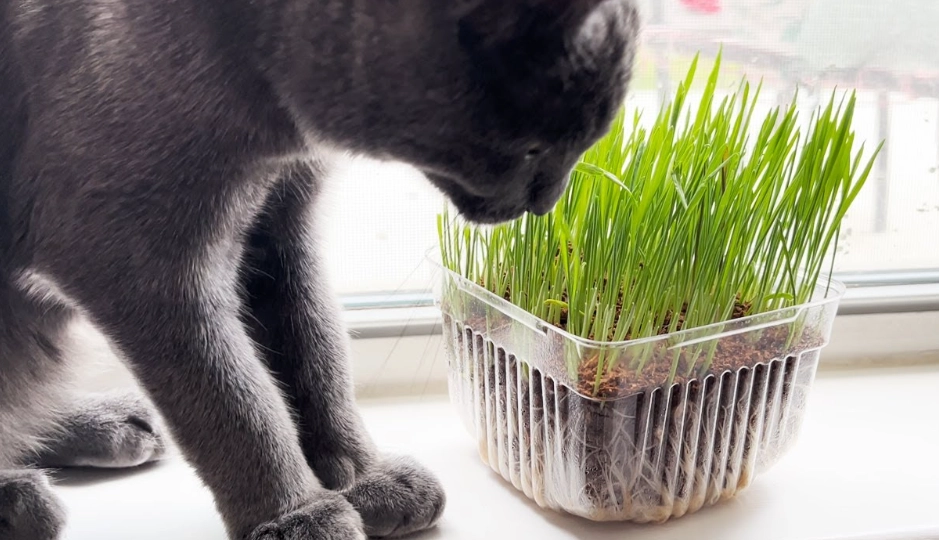
Keeping the Green Going: Maintenance & Troubleshooting
Cat grass isn't a perennial plant. It's a fast-growing annual. Expect each planting to last 2-3 weeks before it gets tired, yellow, or trampled. The key is succession planting.
The Rotation System: Start a new pot every 1-2 weeks. That way, when one pot is past its prime, you have a fresh one ready to swap in. It takes the pressure off any single planting.
Harvesting: You don't need to "harvest" it for your cat. Let them graze naturally. However, if the tips get brown, you can give the whole patch a "haircut" with scissors, leaving about an inch above the soil. It might regrow once, but often it's easier to just start fresh.
Common Problems (And How to Fix Them)
| Problem | Likely Cause | The Fix |
|---|---|---|
| Seeds don't sprout | Old seeds, planted too deep, soil too cold/dry. | Always soak first. Ensure fresh seeds, light covering, warmth, and consistent moisture. |
| Mold/fuzzy growth on soil | Overwatering, poor air circulation. | Water from the bottom only. Remove any plastic cover once sprouted. Place in a breezier spot. |
| Grass is thin, spindly, and falls over | Not enough light ("leggy" growth). | Needs brighter indirect light immediately. Next time, give it more light as soon as it sprouts. |
| Yellowing blades quickly | Overwatering, under-watering, or simply the end of its natural life cycle. | Check soil moisture. If it's soggy, let it dry out. If it's bone dry, water. If it's 3+ weeks old, compost it and start over. |
| Cat ignores it completely | Wrong location, or cat is suspicious. | Try different spots. Rub a bit of catnip on the pot. Try a different seed variety (oat is often a hit). Some cats just take time. |
Safety First: Crucial Do's and Don'ts
DO supervise your cat's first few interactions. Some cats get overexcited and might pull up clumps, which can be a choking hazard.
DON'T use any pesticides, herbicides, or chemical fertilizers. Ever.
DO ensure the grass is truly grass (from your trusted cat grass seeds) and not a look-alike unsafe plant.
DON'T let the grass become a replacement for veterinary care. If your cat is vomiting excessively, not eating, or seems blocked up, see a vet. Grass is a supplement, not a cure.
DO consult your vet if your cat has specific health issues. The American Veterinary Medical Association (AVMA) provides great general pet care resources, but your own vet knows your cat best.
Answering Your Top Cat Grass Seeds Questions
The Final Verdict: Is It Worth the Effort?
Absolutely, but with managed expectations. Growing from cat grass seeds isn't a "set it and forget it" thing. It's a small, recurring chore—maybe 10 minutes of active work per planting. But the payoff is huge.
You get a happier, more enriched cat with a healthier digestive system. You save your houseplants from becoming a casualty of feline boredom. And you gain the peace of mind that comes from providing something natural and safe. It’s a small way to make your indoor cat's world a little bigger and a lot better.
Start with one pot. Follow the soak-and-grow method. See how your cat reacts. You might be surprised at how such a simple thing—a pot of grass grown from a handful of seeds—can become a beloved part of your pet's routine. Mine now sits by my desk, and I often catch Mochi there for a casual graze between naps. It just feels right.

Comments