Your Christmas cactus (Schlumbergera) has been a reliable source of winter color for years. But lately, the blooms are fewer, the growth seems stunted, and water runs straight through the pot. It's not dying, it's just cramped. Repotting is the secret to unlocking its next decade of lush, flowering growth. Done right, it's a simple refresh. Done wrong—and I've seen this too many times—it can send your plant into a months-long sulk or worse. This guide cuts through the generic advice. We'll cover the when, the how, and, most importantly, the why behind each step, so you can repot with the confidence of someone who's done it a hundred times.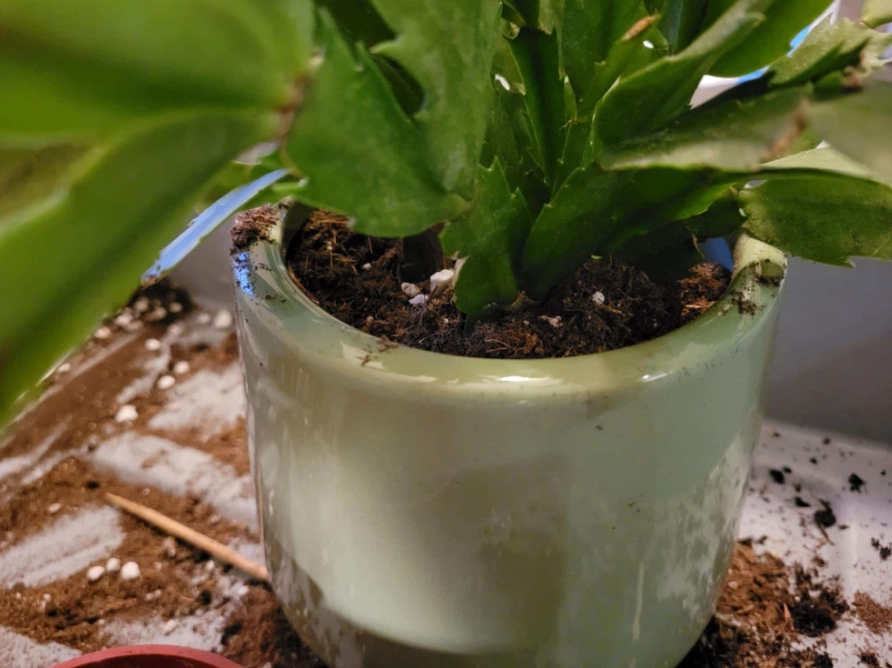
What You'll Learn in This Guide
Why Repotting is Non-Negotiable for Christmas Cactus Health
Think of repotting not as a disruptive event, but as a necessary home upgrade. The potting mix in your container breaks down over 2-3 years. Organic components decompose, the soil collapses, and it loses its ability to drain quickly and hold air pockets—two things Christmas cactus roots desperately need. A spent mix becomes dense, stays wet longer, and is a direct invitation for root rot.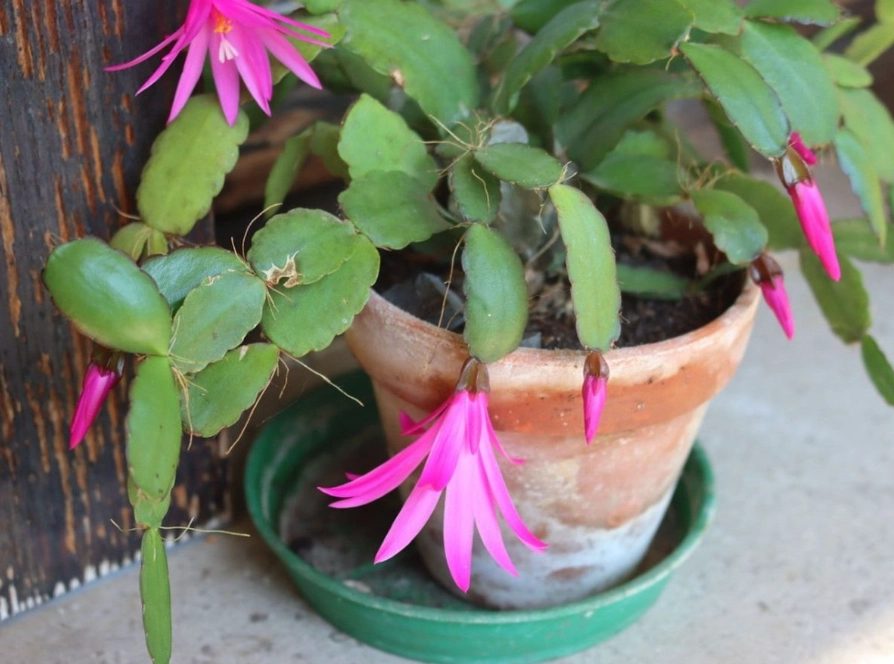
Then there's physical space. These plants have surprisingly fine, fibrous root systems. When they completely fill the pot (you'll see roots circling the bottom or poking out the drainage hole), they become root-bound. This strangles the plant's ability to uptake water and nutrients efficiently, leading to the symptoms you're probably seeing: slowed growth, smaller leaves, and a reluctance to bloom. Repotting into a fresh, airy mix gives those roots new territory to explore and directly fuels above-ground vitality.
1. Water runs right through: The soil has become hydrophobic or too compacted to absorb moisture.
2. Roots are visible: They're growing out of the drainage hole or forming a tight mat on the soil surface.
3. Stalled growth & poor flowering: Despite proper light and feeding, the plant just sits there, putting out minimal new segments.
The Step-by-Step Repotting Process: A Visual Guide
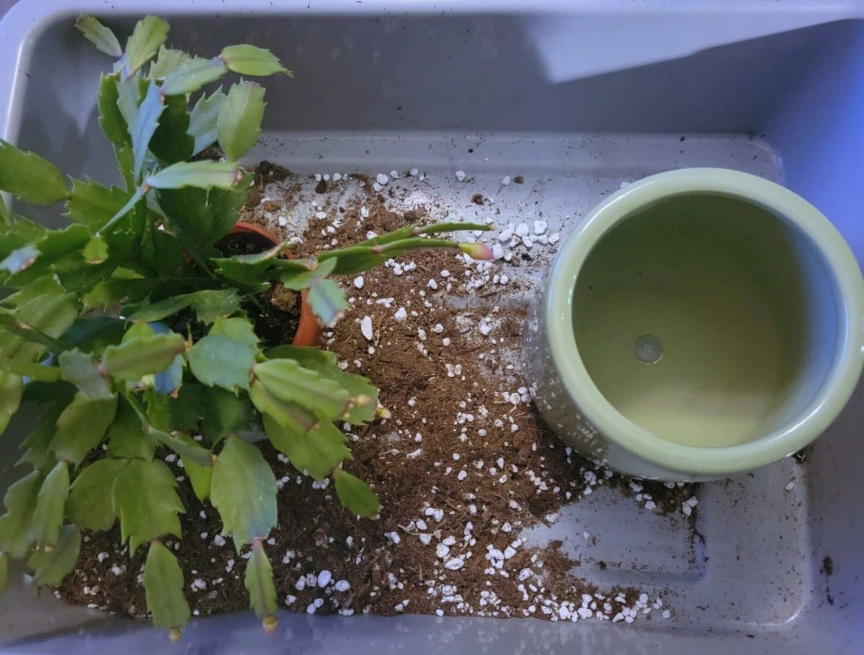
Here’s where we get our hands dirty. Gather your supplies first: new pot, fresh potting mix, a trowel or spoon, pruning shears (sterilized with rubbing alcohol), and some newspaper for the mess. I recommend doing this on a table outside or over a large tray.
Step 1: The Perfect Timing – More Than Just Spring
Forget the blanket "repot in spring" rule. For Christmas cacti, the golden window is immediately after it finishes blooming, usually in late winter or early spring. The plant is entering a natural growth phase and can recover quickly. Repotting in fall or just before bud formation is a common mistake that often sacrifices that year's flowers. The plant will prioritize root repair over bud set.
Step 2: Choosing the Right Pot – Size and Material Matter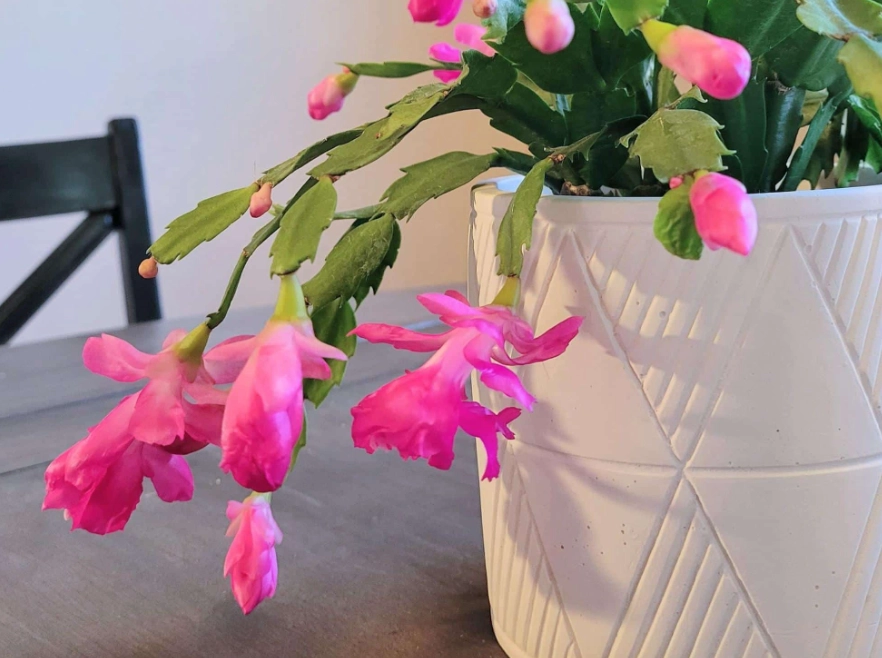
This is a critical decision. Only go up one pot size. If it's in a 6-inch pot, move to an 8-inch. A pot that's too large holds excess soil that stays wet, far beyond what the small rootball can absorb, leading to rot. Terracotta clay pots are my top choice—they're porous, allowing the soil to dry more evenly and preventing sogginess. Plastic or ceramic glazed pots are fine, but you must be extra cautious with watering. Ensure any pot you choose has excellent drainage holes.
Step 3: The Secret Weapon – Crafting the Ideal Soil Mix
This is the single most important factor for success. Standard all-purpose potting soil is a death sentence for these epiphytic cacti; it's too moisture-retentive. They need a mix that mimics their natural, tree-dwelling habitat: chunky, airy, and fast-draining.
My go-to, fail-proof recipe is:
- 40% High-Quality Potting Mix: Use a bagged mix labeled for orchids (bark-based) or succulents/cacti as your base.
- 30% Perlite or Pumice: For aeration and drainage. Pumice is heavier and doesn't float to the top like perlite can.
- 30% Coconut Coir or Fine Orchid Bark: For moisture retention without sogginess. Coir is more sustainable than peat moss.
Mix these thoroughly on your newspaper before you start. The result should be loose and crumbly.
| Soil Component | Purpose in the Mix | What to Avoid |
|---|---|---|
| Perlite/Pumice | Creates essential air pockets, prevents soil compaction, ensures rapid drainage. | Using sand instead (it can compact and reduce aeration). |
| Coconut Coir/Orchid Bark | Holds moisture and nutrients briefly near roots while allowing excess water to flow past. | Sphagnum peat moss alone (it can become hydrophobic when dry). |
| Potting Mix Base | Provides structure and a small amount of initial nutrients. | Heavy, garden-variety topsoil or compost. |
Step 4: The Gentle Transfer – Handling the Rootball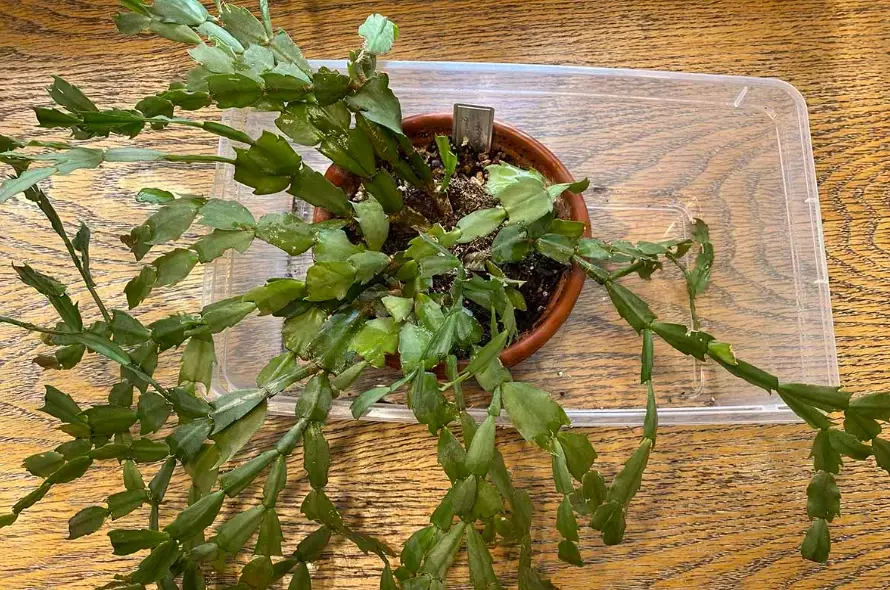
Water your plant lightly a day before repotting. This makes the roots more flexible and the soil easier to work with. Gently tip the pot and coax the plant out. Don't yank it by the stems. Once out, use your fingers to lightly loosen the outer roots and remove the old, spent soil. You're not trying to bare-root it aggressively. If the roots are a tight mass, you can make a few vertical cuts (about 1 cm deep) around the rootball with a clean knife to encourage new outward growth.
Step 5: Rehousing and the First Water
Place a layer of your fresh mix in the bottom of the new pot. Set the rootball in so the top sits about an inch below the pot's rim. Fill in around the sides with more mix, gently tapping the pot to settle it. Don't pack it down hard. Leave that top inch of space for watering.
Here's the expert tip most guides miss: Do not water immediately. Wait 5-7 days. This allows any minor root breaks or abrasions to callus over, preventing rot pathogens from entering. After this waiting period, give it a thorough, deep watering until it runs freely from the drainage holes.
Post-Repotting Care: The First 30 Days Are Critical
Your plant is in recovery mode. Place it back in its original spot with bright, indirect light. Avoid direct sun, which can stress it further. Hold off on fertilizing for at least 6-8 weeks. The fresh mix has nutrients, and fertilizer on recovering roots can cause burn. The biggest mistake now is overwatering. Let the top third of the soil dry out completely before watering again. You might notice some segments looking slightly soft or wrinkled—this is normal as the roots re-establish. Resist the urge to drown it.
Troubleshooting Common Repotting Issues
Even with perfect technique, sometimes plants protest. Here’s how to read the signs:
Drooping or Wrinkled Segments: This is usually underwatering after the initial post-repotting dry period, or the plant struggling to uptake water with its disturbed roots. Ensure you watered deeply after the waiting week. Increase ambient humidity with a pebble tray if the air is very dry.
Segments Falling Off: Often a sign of overwatering and the onset of root rot. Check the soil moisture deep in the pot. If it's soggy, you may need to unpot, remove any black/mushy roots with sterile shears, and repot into a drier, grittier mix. Sometimes it's just transplant shock—if only a few bottom segments drop and the rest look fine, hold steady on care.
No New Growth for Weeks: Be patient. It can take a month or more for the plant to settle in and start pushing new segments. As long as it's not actively declining, give it time.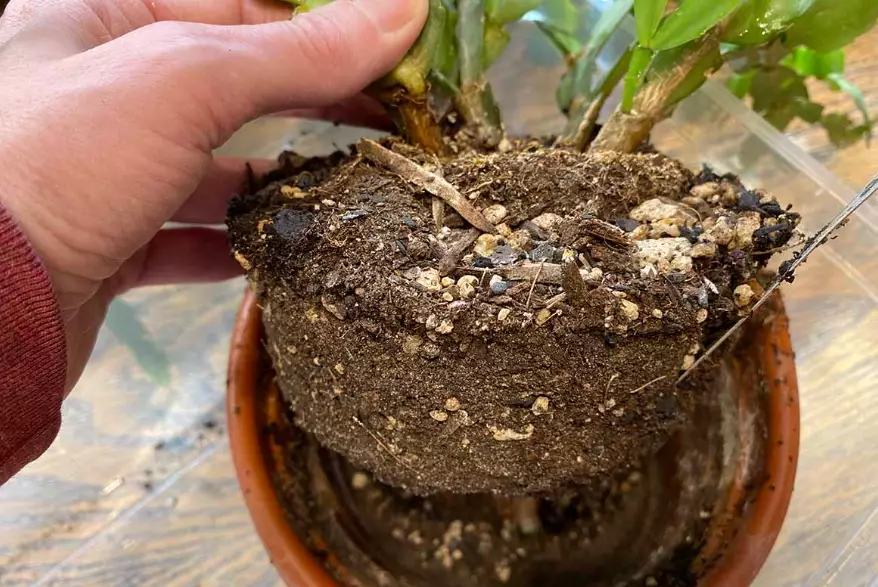
FAQs: Your Top Repotting Questions, Expertly Answered
 Can I use the old potting soil again to save money?
Repotting your Christmas cactus isn't just maintenance; it's an act of renewal. By understanding the subtle needs of its roots—providing air, space, and a quick-draining home—you're not just preventing problems. You're setting the stage for a plant that feels so good in its pot that it rewards you with that spectacular, cascading display of blooms year after year. Take it slow, follow the soil recipe, and trust the process. Your plant will thank you.
Comments