Quick Navigation
Okay, let's talk about the Philodendron Mexicanum. It's one of those plants that pops up on social media and instantly makes you want one. You see those elongated, heart-shaped leaves with that almost corrugated texture, and the way it vines so elegantly. It feels special, a bit more unusual than your everyday Monstera. But then you get one, and maybe it doesn't look quite as perfect as the Instagram photos. The leaves might be smaller than you hoped, or they're not climbing, or worse – they're turning yellow. I've been there.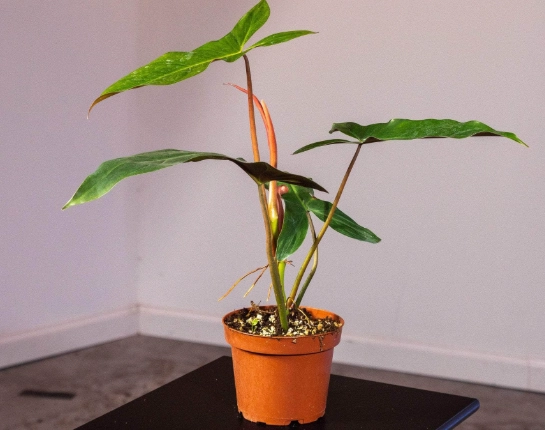
I remember getting my first Philodendron Mexicanum a few years back. It was a small, hopeful-looking thing with three leaves. I treated it like my other philodendrons, and it just... sat there. For months. It didn't die, but it certainly didn't thrive. That's when I realized this plant, while not impossibly difficult, has a few specific preferences you need to hit to see it really take off. This guide is everything I wish I'd known back then, boiled down from experience and a lot of conversations with other collectors.
What Exactly is a Philodendron Mexicanum?
First off, let's clear the air. The Philodendron Mexicanum (sometimes you'll see it misspelled as 'Mexicanium') is a species philodendron, not a hybrid. That means it grows like this in the wild, primarily in parts of Mexico and Central America. It's a hemiepiphyte – a fancy word meaning it often starts life on the forest floor and then climbs up trees as it matures, using its aerial roots. This is key to understanding how to care for it at home.
Its most striking feature is the leaf. Juvenile leaves are smaller and more heart-shaped. As it climbs and matures, the leaves become larger, more elongated, and develop a stunning, pronounced texture. The veins sink in, creating a quilted or puckered look that catches the light beautifully. The color is a deep, lush green. It's a vining plant, so it wants to trail or climb, not form a bushy mound.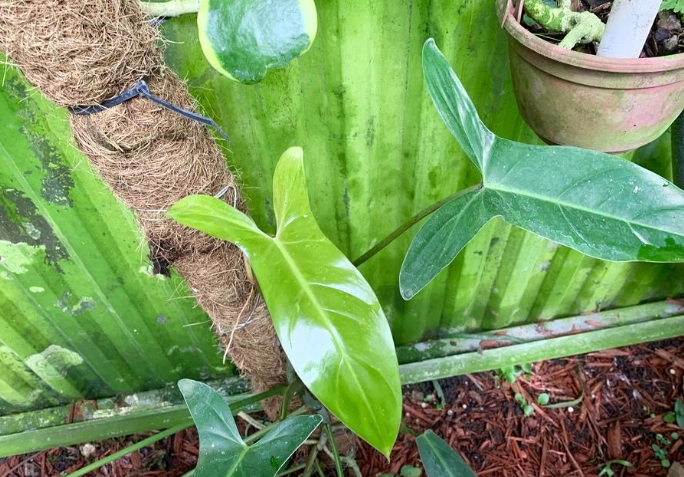
You hear a lot of chatter about "rare" plants, and the Philodendron Mexicanum often gets that label. It's not as common as a Pothos in your local garden center, but it's increasingly available from specialty online nurseries and plant swaps. The "rarity" often just means it's slower to propagate on a mass scale compared to some others.
The Non-Negotiable Care Conditions
This is the core of it. Get these things right, and your Philodendron Mexicanum will reward you with steady, vigorous growth. Get them wrong, and it'll just survive, looking a bit sad and leggy.
Light: The Growth Engine
This is probably the most common mistake. That beautiful texture? It needs light to develop properly. A Philodendron Mexicanum stuck in a dark corner will stretch out with long gaps between leaves (this is called etiolation), and the new leaves will be smaller, flatter, and lack that signature puckering.
Ideal: Bright, indirect light. Think near an east-facing window, or a few feet back from a south or west window with a sheer curtain. A couple of hours of gentle morning sun is fantastic.
What it tolerates: Medium indirect light. Growth will be slower.
What to avoid: Hot, direct afternoon sun (will scorch the leaves) and deep shade.
Watering: The Balancing Act
Overwatering is the fastest way to kill this plant. Root rot is a silent killer. But underwatering will cause stress, crispy edges, and leaf drop. The goal is consistent moisture, not sogginess.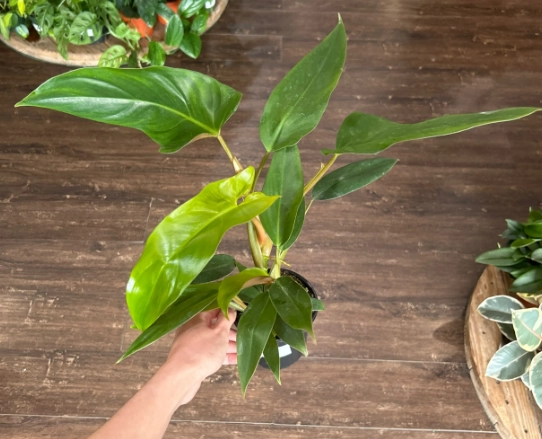
The classic advice is "water when the top inch of soil is dry." That's okay, but I find the Philodendron Mexicanum prefers to go a bit further. I wait until the top 2-3 inches feel dry to the touch. Then, I water thoroughly until it runs out the drainage hole, and I make sure to empty the saucer afterwards. No wet feet.
In winter, cut back significantly. The plant's growth slows, and it needs much less water. You might only water every 3-4 weeks. Always check the soil first.
Soil and Potting: Give Those Roots Air
Remember, this is a plant that wants to climb trees in airy environments. Its roots need oxygen. A dense, moisture-retentive potting mix is a death sentence.
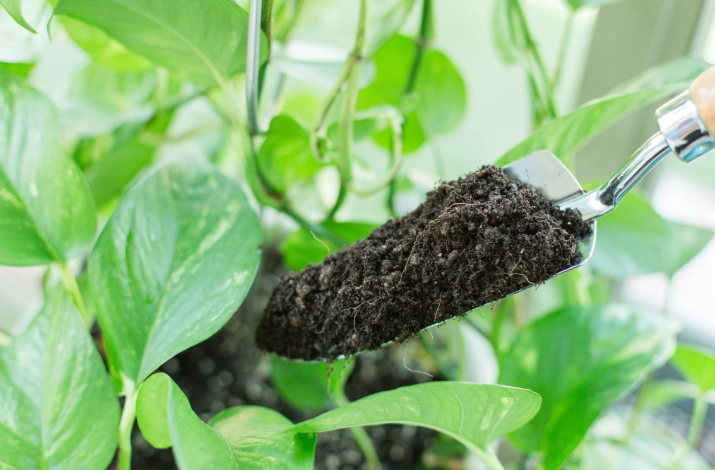
You need a chunky, airy, well-draining aroid mix. Here's a simple recipe I use that works wonders:
- 40% high-quality potting soil (like FoxFarm or a peat-based mix)
- 30% orchid bark (for chunkiness and airflow)
- 20% perlite or pumice (for drainage)
- 10% horticultural charcoal (optional, but helps keep the soil fresh)
Pot choice matters too. Terracotta pots are excellent because they're porous and help wick away excess moisture. Plastic pots are fine if you're careful with watering. Always, always use a pot with drainage holes. This isn't optional.
Humidity, Temperature, and Food
Humidity: People get really stressed about this. Yes, the Philodendron Mexicanum appreciates higher humidity (above 50%), and it will grow larger, healthier leaves in it. But it's not as demanding as, say, an Alocasia. Average household humidity (30-40%) is often tolerated, especially if you keep the watering perfect. If you see crispy leaf tips, low humidity is a likely culprit. A simple pebble tray or grouping plants together can help. A humidifier is the gold standard.
Temperature: Keep it warm. It hates the cold. Aim for 65-80°F (18-27°C). Keep it away from drafty windows, air conditioners, and heating vents. Temperatures below 55°F (13°C) can cause damage.
Fertilizer: During the active growing season (spring and summer), feed it. I use a balanced, water-soluble fertilizer (like a 10-10-10 or 20-20-20) diluted to half strength every 4-6 weeks. In fall and winter, stop fertilizing. Over-fertilizing can burn the roots and cause more problems than it solves.
How to Make More Philodendron Mexicanum Plants (Propagation)
One of the joys of this plant is how easy it is to propagate once you have a healthy vine. It's the best way to share with friends or create a fuller pot.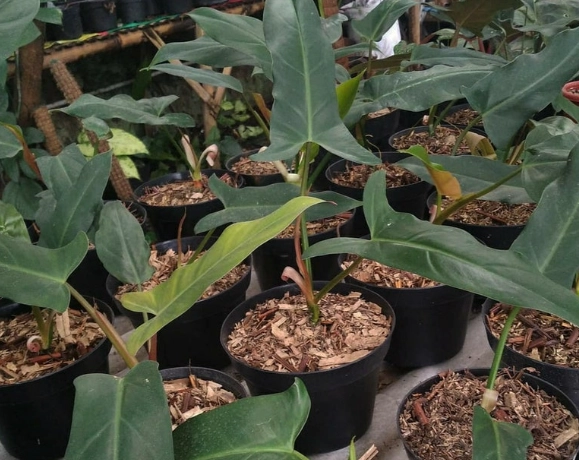
Water Propagation: The Beginner's Method
This is my go-to because you can see the roots develop. Take a cutting with at least one node (the brown, bumpy ring on the stem where leaves and roots emerge) and 1-2 leaves. Place the node in water, making sure the leaf isn't submerged. Change the water weekly. In a few weeks, you'll see white roots. Wait until they're a couple of inches long before potting in soil.
Sphagnum Moss Propagation
This method is fantastic for encouraging strong, soil-ready roots. Soak sphagnum moss, squeeze out excess water so it's damp, not dripping. Wrap the node of your cutting in the moss and place it in a clear container (like a deli cup) with a lid for humidity. Open it every few days for air. Roots appear quickly in this humid environment.
Direct Soil Propagation
For the confident plant parent. Take your cutting and plant the node directly into a small pot of your pre-moistened aroid mix. Keep the soil slightly more moist than usual (but not wet) and provide high humidity (a plastic bag over the pot works). This skips the transition from water to soil, which some plants find stressful.
Common Problems and Their Fixes
Let's troubleshoot. Here’s a quick-reference table for the issues you’re most likely to face.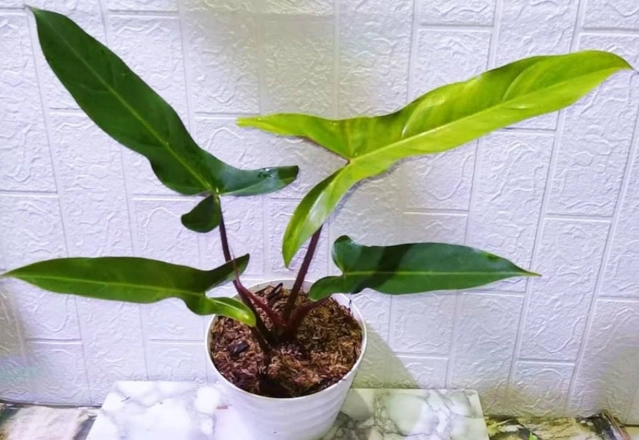
| Problem | Likely Cause | What to Do |
|---|---|---|
| Yellowing Leaves | Overwatering (most common), natural aging of old leaves, or nutrient deficiency. | Check soil moisture. If wet, let dry out deeply. If it's an old bottom leaf, it's normal. Ensure you're fertilizing in growing season. |
| Brown, Crispy Leaf Edges/Tips | Low humidity, underwatering, or salt/mineral buildup from tap water. | Increase humidity, check watering frequency, try using distilled, rainwater, or filtered water. |
| Leggy Growth, Small Leaves | Not enough light. | Gradually move the plant to a brighter location. Consider a grow light. |
| Leaves Dropping | Sudden change in environment (temperature, light, draft), severe underwatering, or root rot. | Identify and correct the environmental stress. Check roots if overwatering is suspected. |
| Pests (Mealybugs, Spider Mites) | Common houseplant pests attracted to stress or introduced from new plants. | Isolate plant. Wipe leaves with soapy water or insecticidal soap. For persistent issues, use neem oil or a systemic insecticide. |
| No New Growth | Dormancy (winter), insufficient light, or needing fertilizer. | Be patient in winter. In growing season, assess light and feeding schedule. |
Advanced Tips for a Show-Stopping Plant
Give it Something to Climb!
This is the single biggest trick to getting those large, mature, textured leaves. In the wild, a Philodendron Mexicanum climbs. At home, if you let it trail, it will mostly produce smaller, juvenile leaves. Attach it to a moss pole, a coco coir pole, or even a piece of wood. As it climbs, the aerial roots will attach, and the plant will sense the support. The energy goes into making bigger, better leaves higher up. I staked mine onto a moss pole last year, and the difference in leaf size and texture is night and day.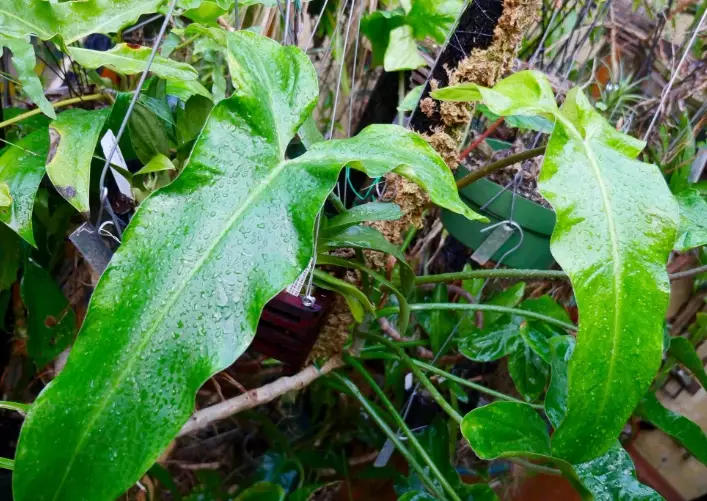
When and How to Repot
Don't repot too often. These plants like to be slightly root-bound. Repot only every 2-3 years, or when you see roots circling the bottom of the pot or growing out the drainage holes. Always go up just one pot size (1-2 inches larger in diameter). Repotting into a pot that's too large holds excess moisture around the roots, inviting rot. The best time to repot is in spring or early summer when the plant is entering its active growth phase.
Philodendron Mexicanum FAQ: Your Questions Answered
Wrapping It Up: The Simple Truth
At the end of the day, the Philodendron Mexicanum isn't a magic trick. It's a living thing that wants specific things: bright, indirect light, thorough but infrequent watering in a chunky mix, some warmth, and a bit of humidity. Give it a pole to climb, and you'll unlock its full potential.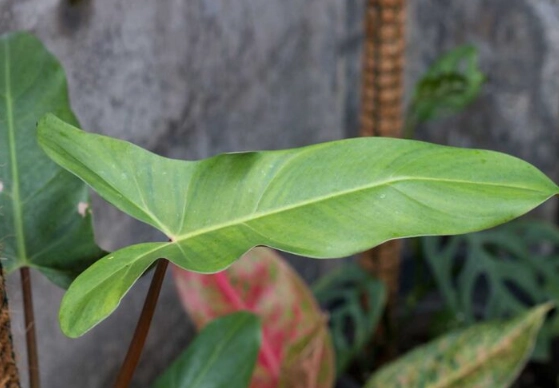
The biggest mistake is treating it as ultra-fragile because it's "rare." It's tougher than that. Pay attention to what it's telling you. A drooping stem? Check for thirst. Small, pale leaves? It needs more light. Mushy yellow leaves? You're loving it a bit too much with the watering can.
Mine sits about four feet from a south-east window, on a moss pole, and I water it maybe every 10 days in summer. That's it. It's pushing out huge, corrugated leaves that make me smile every time I look at it. Yours can do the same. Just listen to it.
Comments