Your aloe plant has outgrown its pot. It's leaning to one side, maybe the roots are poking out the bottom, and it just doesn't look happy anymore. You know it needs a new home, but the thought of repotting it fills you with dread. What if you kill it? I've been there. I've lost a few succulents to bad repotting jobs in my early days. But after years of growing—and yes, sometimes struggling with—dozens of aloes, I've nailed down a process that works every single time. Repotting isn't just about moving dirt; it's a critical refresh that prevents root rot, encourages new growth, and keeps your medicinal gel factory thriving for years. Let's get your aloe into a better pot, the right way.
What You'll Find in This Guide
When is the Best Time to Repot Your Aloe?
Timing is everything. Get this wrong, and you're asking for trouble. The absolute prime time is late spring through early summer. The plant is coming out of its winter dormancy and entering its active growth phase. It has the full growing season ahead to recover from the move and establish new roots. You can repot in early fall if you live in a warm climate, but avoid winter completely unless it's an emergency (like severe root rot). The plant is basically asleep and won't have the energy to heal.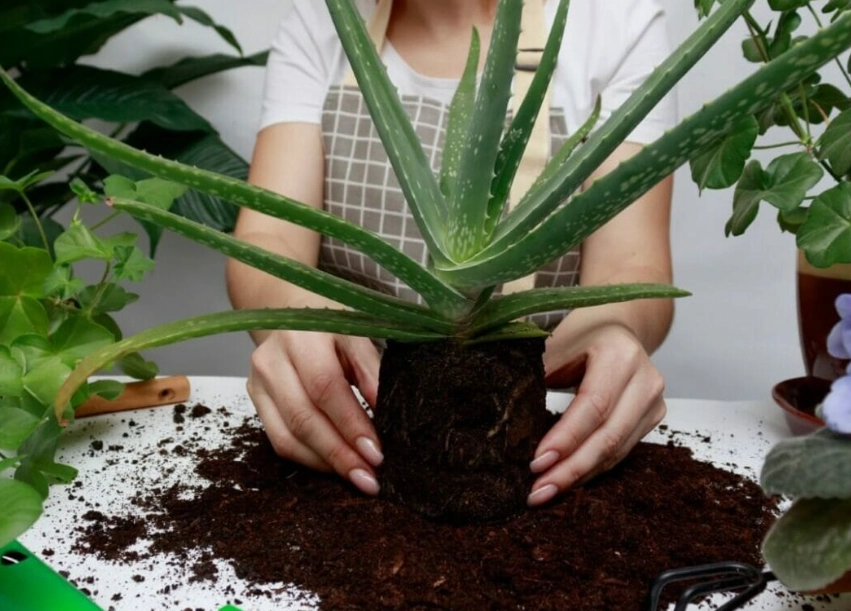
But how do you know it's actually time? Look for these clear signs:
- The Pot is Cramped: Roots are visibly growing out of the drainage holes, or the plant has become top-heavy and constantly tips over.
- Stunted Growth: Your aloe hasn't produced a single new leaf or "pup" (baby plant) in over a year.
- Soil Breakdown: The potting mix has become compacted, hard, and doesn't absorb water properly anymore. It might even pull away from the sides of the pot.
- You Just Bought It: Store-bought plants are often in cheap, moisture-retentive soil. Repotting it into a proper succulent mix within a few weeks is a good idea.
Pro Tip: Don't repot on a schedule. I see advice saying "every two years." Ignore it. Repot when the plant tells you it needs it, not when the calendar does. A happy aloe in a large pot with good soil might be fine for three or four years.
Gathering Your Repotting Toolkit
Having everything ready before you start prevents a messy, stressful scramble. Here’s your shopping and gathering list.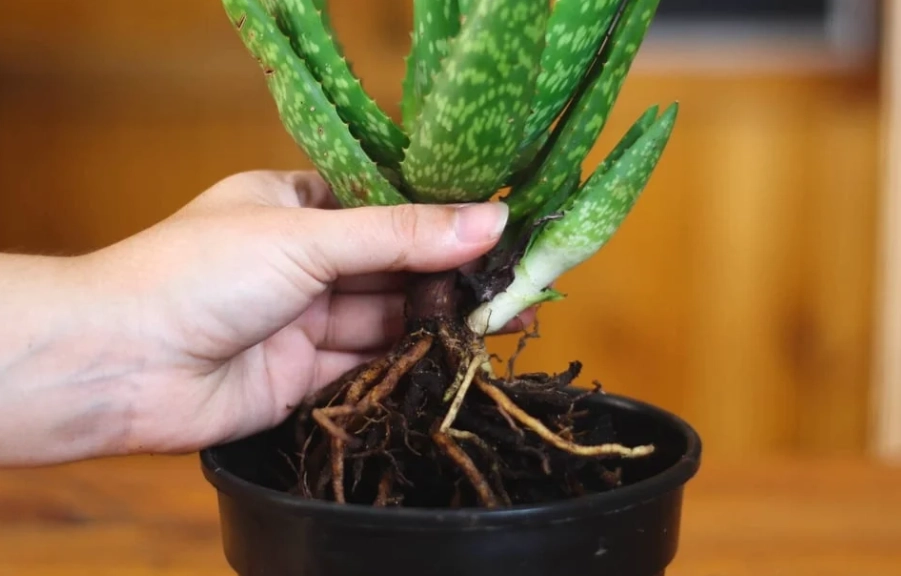
The New Pot: Size and Material Matter
This is where most people mess up. Bigger is not better. Aloes like to be slightly root-bound. Choose a pot that is only 1 to 2 inches wider in diameter than the current one. Too much extra soil holds excess moisture, which is a death sentence.
Drainage is non-negotiable. The pot must have at least one large drainage hole. No holes? Don't use it. Terracotta pots are my gold standard. They're porous, which allows the soil to dry out faster and prevents overwatering. Glazed ceramic or plastic pots work too, but you must be more careful with your watering.
The Perfect Soil Mix
This is the secret sauce. Standard potting soil will kill your aloe. It holds too much water. You need a fast-draining, gritty mix. You can buy a quality commercial cactus and succulent potting mix (I often use brands like Espoma or Miracle-Gro's cactus mix as a base). But for even better results, I always amend it. Here's my go-to homemade blend:
- 2 parts cactus/succulent potting mix
- 1 part perlite or pumice (for aeration)
- 1 part coarse sand (horticultural sand, not beach sand)
This creates an airy, well-draining environment that mimics the aloe's natural habitat. A study from the University of Florida's IFAS Extension emphasizes the critical role of well-draining media for succulent health to prevent root diseases.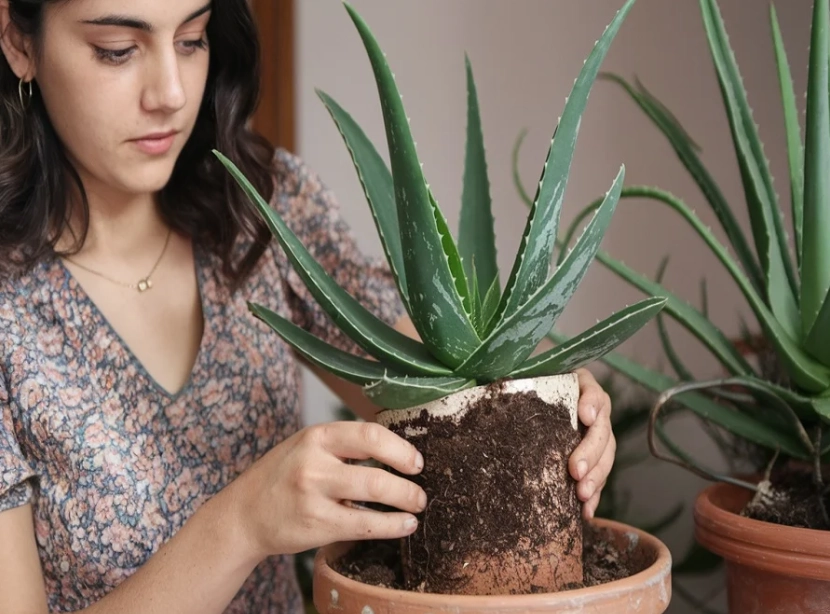
Other Essentials
- Newspaper or a tarp to contain the mess.
- A dull knife or trowel to loosen the root ball.
- Gardening gloves. Aloe sap can be a mild skin irritant for some, and the leaf tips can be sharp.
- Optional: Rubbing alcohol to sterilize your cutting tool if you need to trim roots.
Step-by-Step Guide to Repotting Your Aloe Plant
Okay, you've got your tools. The plant is thirsty (you stopped watering it a week ago, right? This makes the roots less brittle). Let's do this.
Step 1: Gently Remove the Plant
Lay the pot on its side. Don't yank the plant by its leaves. Gently squeeze the flexible pot or run your knife around the inside edge to loosen the soil. Tip the pot and coax the entire root ball out. If it's really stuck, you might need to break a cheap plastic pot. It's worth it to avoid root damage.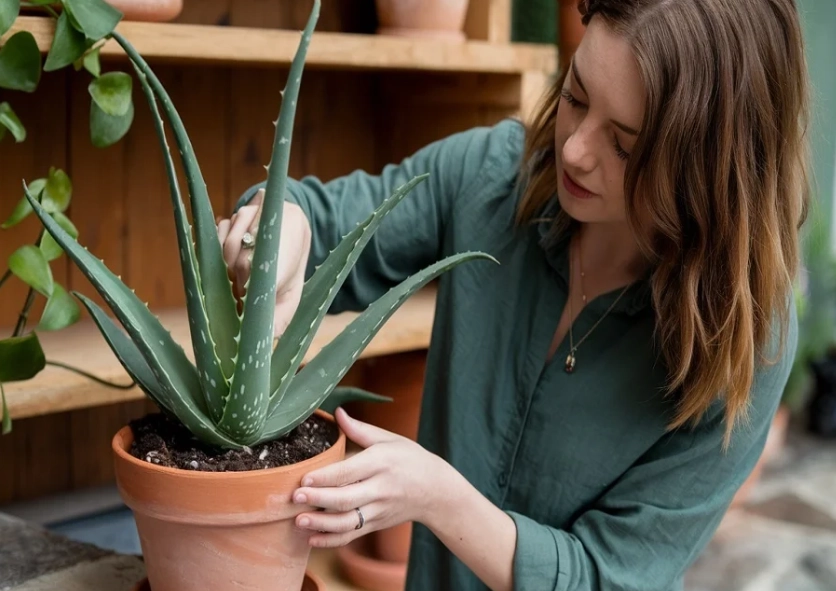
Step 2: Inspect and Prune the Roots
This is the step most guides gloss over. Shake off the old soil gently. Now, look closely. Healthy roots are firm and light in color. Rotten roots are mushy, dark brown or black, and might smell bad. You must cut away all the rotten roots. Use clean, sterilized scissors or shears. Don't be shy. Leaving rotten roots is like leaving a rotting apple in a fruit bowl—it will spread. If you see a lot of long, circling roots, you can give them a light trim to encourage new growth outward.
Watch Out: If the base of the plant (where leaves meet roots) is soft and brown, you might have advanced crown rot. At this point, your best bet is to try and save healthy leaves for propagation, as the main plant may be a lost cause.
Step 3: Prep the New Pot
Place a piece of broken pottery, a mesh screen, or a coffee filter over the drainage hole to keep soil from washing out. Add a 1-2 inch layer of your fresh potting mix to the bottom.
Step 4: Position and Fill
Place your aloe in the center. The base of the plant (where the leaves start) should sit about half an inch to an inch below the rim of the pot. Holding it steady, start filling in around the sides with your soil mix. Gently tap the pot on the table to settle the soil—don't pack it down tightly. You want it loose and airy.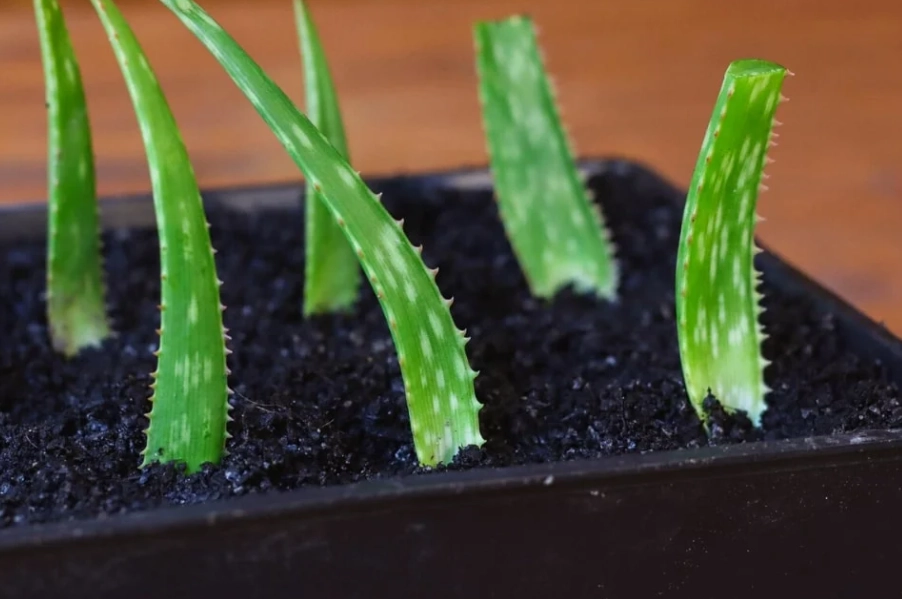
Step 5: The Critical Waiting Period
Here's the big one. DO NOT WATER YOUR ALOE AFTER REPOTTING. I mean it. You've just disturbed and possibly trimmed the roots, creating tiny wounds. Watering immediately invites rot. Place the repotted plant in bright, indirect light (not direct sun yet) and leave it completely dry for 5 to 7 days. This gives the roots time to callous over and heal. After this period, give it a thorough, deep watering, letting the excess drain freely.
Top 3 Repotting Mistakes (And How to Avoid Them)
- Watering Immediately: We covered this. It's the #1 killer. Wait a week.
- Using a Pot That's Too Big: That "generous" upgrade drowns the roots. Stick to the 1-2 inch rule.
- Using Regular Potting Soil: It's like putting your aloe in a wet sponge. Invest in or make a proper succulent mix.
One more subtle mistake: repotting a perfectly healthy aloe that's just a bit wobbly. Often, the issue isn't the pot size but that the plant isn't planted deeply enough. You can sometimes just add more gritty soil to the top of the existing pot to stabilize it.
Crucial Aftercare: What to Do Post-Repot
Your job isn't over. For the next 3-4 weeks, treat your aloe with kid gloves.
- Light: Keep it in bright, indirect light for at least 2-3 weeks before gradually reintroducing it to direct sun. Freshly repotted plants sunburn more easily.
- Watering: After that first post-repot watering, return to your normal routine—soak the soil completely, then wait until it's completely dry all the way through before watering again. Stick your finger deep into the soil to check.
- Fertilizer: Don't fertilize for at least 2-3 months. Let it focus on root establishment first.
Signs of success? The plant stands firm, the leaves remain plump and green (maybe a little stress color, which is okay), and within a month or two, you should see signs of new growth from the center.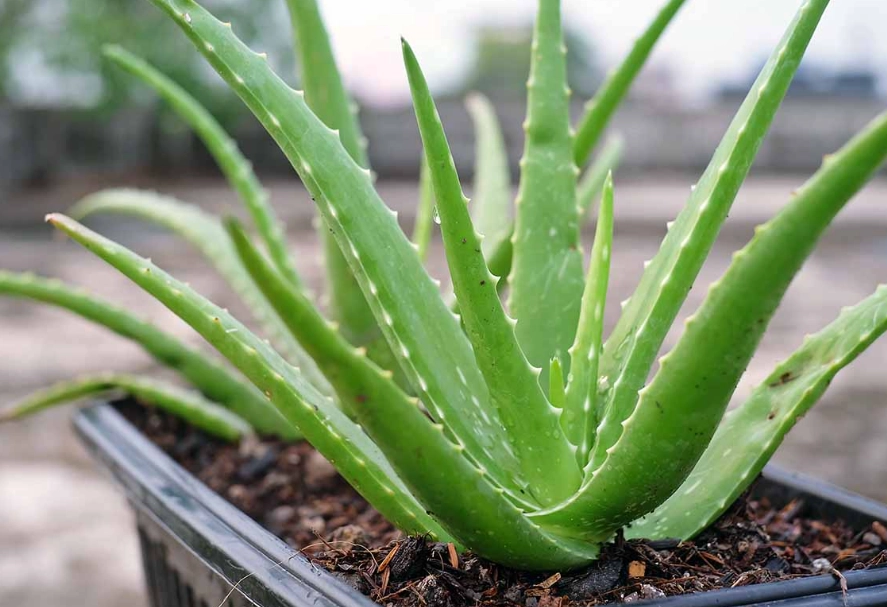
Your Repotting Questions Answered
Repotting an aloe plant isn't a test of your gardening skill; it's a straightforward maintenance task. By understanding the why and the how—especially the critical details like soil mix and the post-repot dry period—you're not just moving a plant. You're giving it a renewed lease on life. Your aloe will reward you with vigorous growth, more pups to share, and plenty of that soothing gel for years to come.


Comments