Your Quick Guide to Rubber Tree Care
Let's cut to the chase: rubber trees (Ficus elastica) are tough plants, but they have quirks that can trip up even seasoned gardeners. I've lost one to overwatering years ago, and since then, I've learned the hard way. This guide dives into the nitty-gritty of rubber tree care, from watering mishaps to lighting secrets, so you can avoid common pitfalls.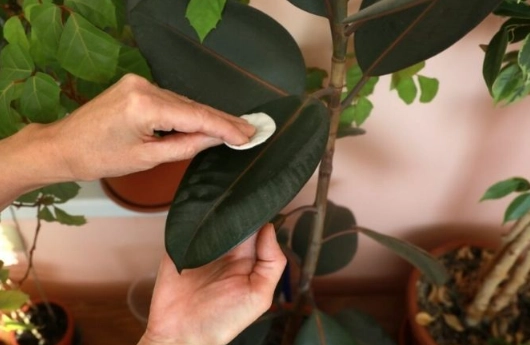
Understanding Your Rubber Tree
Rubber trees aren't just decorative; they're survivors from Southeast Asia's tropical forests. They can grow up to 10 feet indoors if you let them, but most people keep them trimmed to a manageable size. The key thing to remember? They're part of the ficus family, which means they're sensitive to change. Move them around too much, and they'll protest by dropping leaves.
I remember bringing home a gorgeous variegated rubber tree, only to see half its leaves fall off within a week. Turns out, it was just adjusting to my home's lower humidity. Patience is crucial here.
How to Water a Rubber Tree Correctly
This is where most people mess up. Rubber trees hate wet feet. Overwatering is the number one killer, leading to root rot that's often fatal.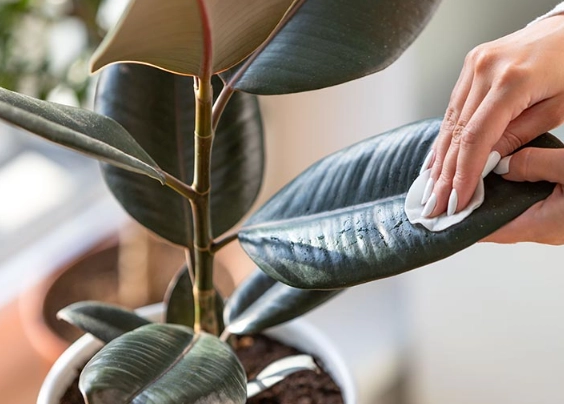
Use room-temperature water and ensure the pot has drainage holes. I've seen folks use decorative pots without holes, and that's a recipe for disaster. Water thoroughly until it runs out the bottom, then let the excess drain away. Never let the plant sit in a saucer of water.
According to the Royal Horticultural Society, rubber trees prefer consistent moisture but not soggy soil. If you're unsure, underwatering is safer—they can bounce back from drought better than from rot.
Light and Temperature Requirements
Rubber trees need bright, indirect light to thrive. Direct sun can scorch the leaves, especially variegated varieties, while low light leads to leggy growth and small leaves.
| Light Condition | Effect on Rubber Tree | Recommended Action |
|---|---|---|
| Bright, indirect light | Optimal growth, vibrant leaves | Place near an east or west-facing window |
| Low light | Slow growth, leaf loss | Supplement with grow lights or move to brighter spot |
| Direct sunlight | Leaf burn, fading color | Use sheer curtains or move back from window |
Temperature-wise, keep it between 60°F and 80°F (15°C to 27°C). Avoid drafts from doors, windows, or air conditioning vents. I made the mistake of placing mine near a drafty window in winter, and it dropped leaves like crazy until I moved it.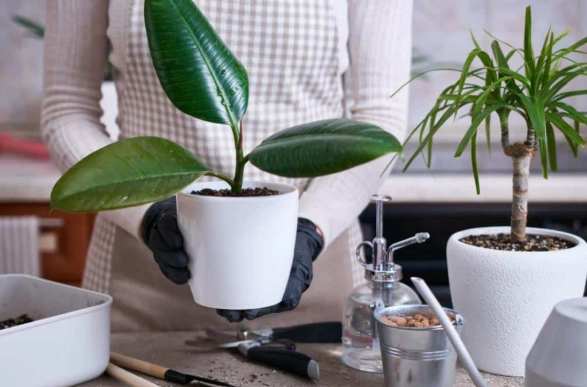
Soil and Potting Mix for Healthy Growth
Rubber trees aren't picky about soil, but they do need good drainage. A standard potting mix with added perlite or orchid bark works well. I mix two parts potting soil with one part perlite for extra aeration.
Here's a common mistake: using garden soil. It compacts too easily and retains too much moisture, increasing rot risk. Stick to commercial mixes designed for indoor plants.
When potting, choose a container that's only 1-2 inches larger in diameter than the root ball. Too big, and the soil stays wet too long. Rubber trees actually prefer being slightly root-bound, so don't rush to repot.
Common Problems and How to Fix Them
Let's tackle the issues that keep plant owners up at night.
Leaf Drop: Why It Happens and How to Stop It
Leaf drop is usually due to overwatering, underwatering, or environmental stress. Check the soil first. If it's soggy, cut back on watering and improve drainage. If it's bone dry, water more consistently. Sometimes, just moving the plant to a new location causes shock—give it time to adjust.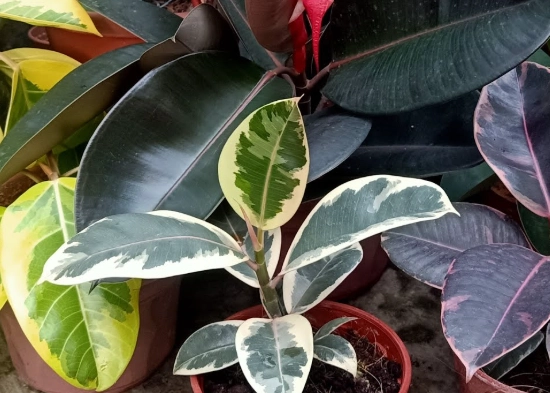
Yellow Leaves and Brown Tips
Yellow leaves often mean too much water or poor drainage. Brown tips? Low humidity or fluoride in tap water. I use filtered water or let tap water sit overnight to dissipate chemicals. For humidity, group plants together or use a pebble tray—misting doesn't do much in my experience.
Pest Infestations: Spider Mites and Mealybugs
Spider mites love dry conditions. Wipe leaves regularly with a damp cloth to prevent them. If you spot webbing or tiny bugs, isolate the plant and treat with insecticidal soap. Mealybugs look like white cottony masses; dab them with rubbing alcohol on a cotton swab.
I once had a minor spider mite issue because I neglected cleaning the leaves for months. Now, I make it a monthly habit.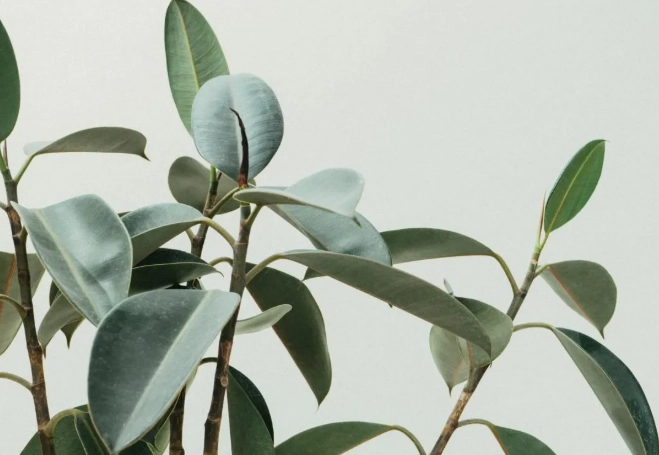
Pruning and Shaping Your Rubber Tree
Pruning isn't just for aesthetics; it encourages bushier growth. Use clean, sharp shears to cut just above a leaf node. You can prune any time, but spring is best for rapid recovery.
If your rubber tree gets too tall and leggy, don't be afraid to chop it back. I cut mine back by a third last year, and it sprouted two new branches from the cut point, making it fuller.
Wear gloves—the sap can irritate skin and stain clothes. It's milky and sticky, so wipe it off immediately.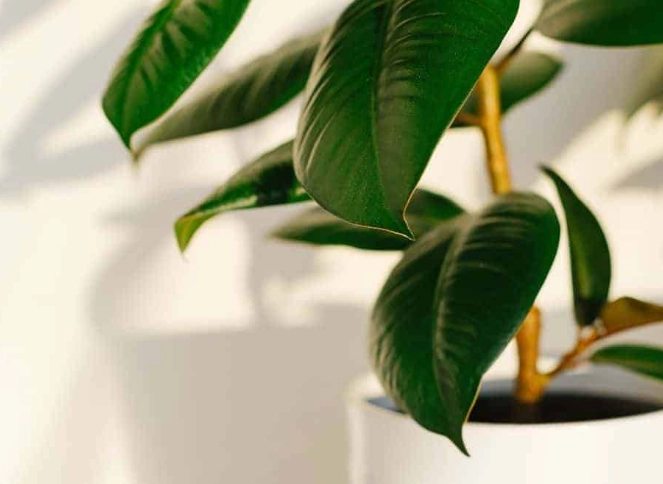
Repotting Guide: When and How
Repot every 2-3 years or when roots circle the pot's bottom. Signs include slowed growth or water draining too quickly.
Here's my step-by-step process:
- Water the plant a day before repotting to reduce stress.
- Gently remove it from the old pot, teasing out the roots if they're compacted.
- Place it in a new pot with fresh soil, filling gaps without packing too tightly.
- Water lightly and keep in a shaded spot for a week to recover.
Don't fertilize for at least a month after repotting—let the roots settle first.
Answers to Your Burning Questions
Rubber tree care boils down to mimicking their natural habitat: warm, bright, and not too wet. Pay attention to your plant's signals—drooping leaves, color changes—and adjust accordingly. It's a learning process, but once you get the hang of it, these plants reward you with lush, air-purifying foliage for years.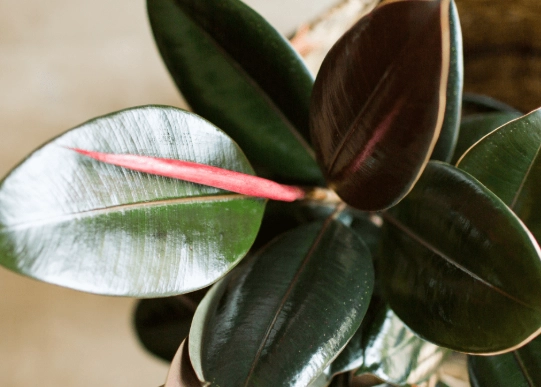
Comments