Quick Guide
- Why Regular Potting Soil is a Death Sentence for Succulents
- The Golden Rule: Drainage is Everything
- Store-Bought vs. DIY: Which Route Should You Take?
- Building Blocks: The Ingredients of a Great Succulent Soil Mix
- My Go-To DIY Potting Mix Recipes (Tested on Real Plants)
- Common Questions (And Real Answers) About Succulent Potting Mix
- Putting It All Together: A Step-by-Step Repotting Guide
- Final Thoughts: It's Not Rocket Science, But It Is Science
Let's be honest. Most of us have killed a succulent or two. You bring home this perfect little plant, plop it in whatever soil you have lying around, give it a bit too much love (read: water), and before you know it, it's a mushy, sad mess. I've been there. I once lost a beautiful echeveria because I used my regular, moisture-retentive potting mix. Big mistake.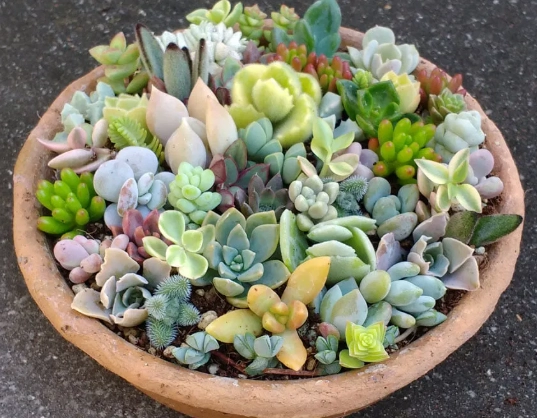
The secret, the absolute game-changer, isn't just about watering less. It starts from the ground up. Literally. The right potting mix for succulents is the single most important factor between a thriving collection and a graveyard of pots.
So, what's the magic formula? Is it worth buying a bag off the shelf, or should you mix your own? What even goes into a good succulent soil mix? We're going to dig into all of that, clear up the confusion, and give you the confidence to create the perfect home for your plants.
Why Regular Potting Soil is a Death Sentence for Succulents
This is the core of the issue. Standard potting soil is designed to do one thing really well: hold onto moisture and nutrients for your typical houseplants. Think about your peace lily or your pothos – they like their roots to stay consistently, lightly moist.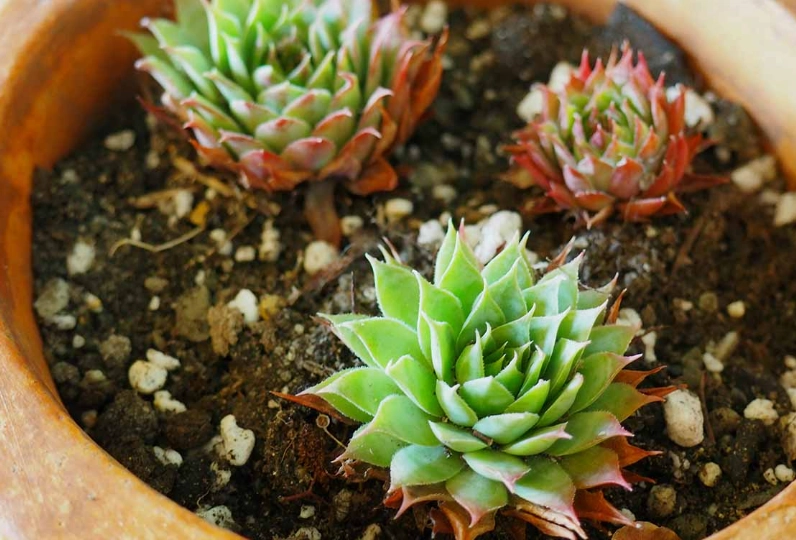
Succulents and cacti are the complete opposite. They hail from arid environments where water is scarce and drainage is instant. Their roots are adapted to drink quickly when it rains and then dry out fast. When you plant them in dense, moisture-retentive soil, you're trapping water around their roots for days, sometimes weeks.
That's an open invitation for root rot.
A proper pot mix for succulents is engineered to mimic their natural habitat. It's all about creating an environment where water flows through freely, leaving air pockets around the roots. It's less about "soil" and more about a loose, gritty, porous medium.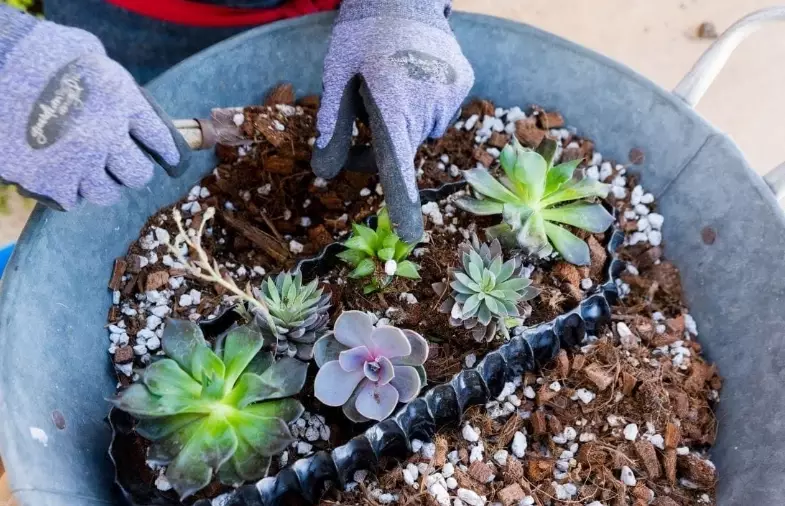
The Golden Rule: Drainage is Everything
If you remember nothing else, remember this. The perfect succulent potting mix must drain rapidly. We're talking seconds, not minutes. You should be able to water it thoroughly and see the excess water run out of the drainage hole almost immediately.
This fast drainage does two crucial things. First, it delivers water to the roots and then gets out of the way, allowing oxygen to return. Roots need oxygen to function. Second, it prevents the soil from staying soggy, which is the primary cause of rot and fungal issues.
Think of it like this: you're giving your succulent a big drink, then immediately providing it with a breath of fresh air. That's the cycle they crave.
Store-Bought vs. DIY: Which Route Should You Take?
You'll find plenty of bags labeled "Cactus & Succulent Mix" at garden centers. They're convenient, I get it. But here's my take after trying dozens of them: most are still too dense and organic for my liking. They often use fine peat moss or coir as a base, which can compact over time and defeat the purpose.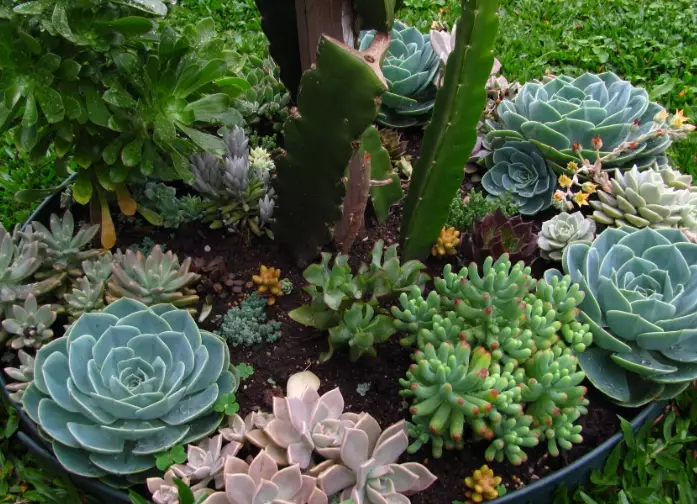
That said, they're not all bad. A decent commercial mix can be a good starting point, especially for beginners. But I almost always amend them. I'll buy a bag and mix in a hefty amount of perlite or pumice (like a 50/50 mix) to improve the drainage. It turns an okay product into a great one.
But if you're serious about your succulents, or you have a large collection, mixing your own pot mix for succulents is the way to go. You have complete control over the ingredients and ratios. It's often cheaper in the long run, and you can tailor mixes for specific types of plants (more on that later).
Let's break down the contenders you'll see on the shelf.
| Brand/Product Type | Pros | Cons | Best For |
|---|---|---|---|
| Basic "Cactus & Succulent" Mix (e.g., from Miracle-Gro, Espoma) | Widely available, affordable, convenient. | Often too peaty, can compact, drainage is just okay. Usually needs amending. | Absolute beginners, temporary repotting, mixing as a base for your own recipe. |
| Premium Pre-Mixed Blends (e.g., Bonsai Jack, Superfly Succulents) | Excellent drainage, gritty texture, no fine particles. Often ready-to-use. | Expensive, especially for large quantities. Can dry out *very* quickly for some growers. | Serious collectors, fussy succulents like lithops, or if you tend to overwater. |
| Orchid Bark Mixes | Super chunky, fantastic aeration. Mimics epiphytic conditions. | Not a complete mix on its own, lacks mineral components. Dries out extremely fast. | Amending other mixes, or for epiphytic cacti like Christmas/Thanksgiving cacti. |
See what I mean? The convenience of a store-bought pot mix for succulents comes with trade-offs. For me, the control of a DIY mix wins every time.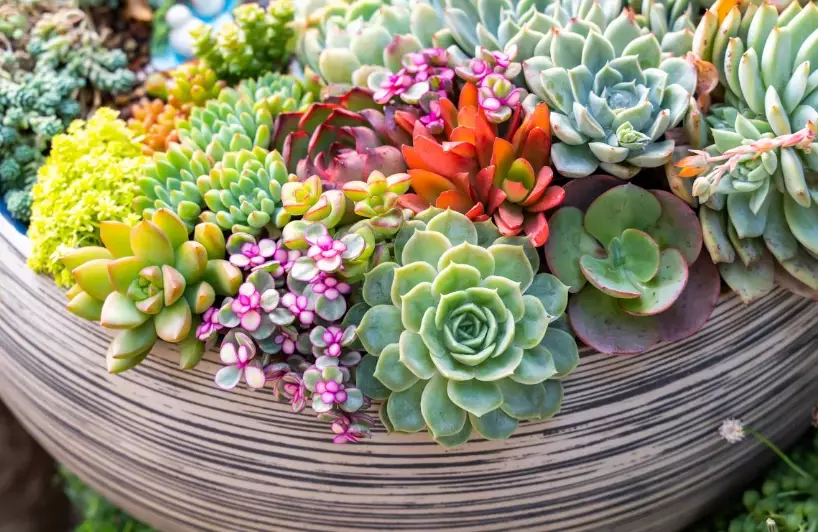
Building Blocks: The Ingredients of a Great Succulent Soil Mix
This is where the fun begins. Creating your own mix is like being a chef. You're combining different components to create the perfect texture and function. Let's look at the pantry.
The Organic Component (The "Food")
This part provides some nutrients and a tiny bit of moisture retention. You don't need much.
- Potting Soil (Sifted): A good, sterile potting mix without added moisture-retention crystals. Sift it to remove large chunks of bark and fines. This is your base nutrient provider. (About 10-30% of your total mix).
- Coconut Coir: A sustainable alternative to peat. It's pH neutral and holds water well but also rewets easily when dry. I prefer it over peat for environmental reasons.
- Compost/Worm Castings: A super-rich, gentle source of nutrients. Use it sparingly! No more than 10% of your mix. It's like a slow-release fertilizer built into the soil.
The Inorganic/Gritty Component (The "Drainage")
This is the star of the show. These materials create the pore spaces, add weight, and ensure water flows through.
- Perlite: The white, popcorn-like stuff. It's lightweight, cheap, and improves aeration. My gripe? It's so light it can float to the top of the pot over time, and it's dusty. Wear a mask when handling it.
- Pumice: My personal favorite. It's a volcanic rock that's porous but heavier than perlite. It doesn't float, it provides great aeration and drainage, and it even holds a bit of water in its pores. It's more expensive but worth it for me.
- Coarse Sand: Not playground sand or beach sand! You need horticultural sand or coarse builder's sand. It has sharp, large particles. Fine sand is terrible—it fills in air pockets and creates a concrete-like substance. This is a common mistake. The University of Minnesota Extension emphasizes the importance of particle size in container mixes for proper drainage.
- Chicken Grit/Granite Grit: Small, crushed granite. It's non-porous, adds fantastic weight and drainage, and never breaks down. Great for top dressing too.
- Turface or Akadama: These are baked clay products used heavily in bonsai. They hold water and nutrients well and break down slowly. They're premium ingredients but can be pricey.
Mixing these components is the key. A soil mix that's all grit has no nutrients. A mix that's all organic matter holds too much water. You need balance.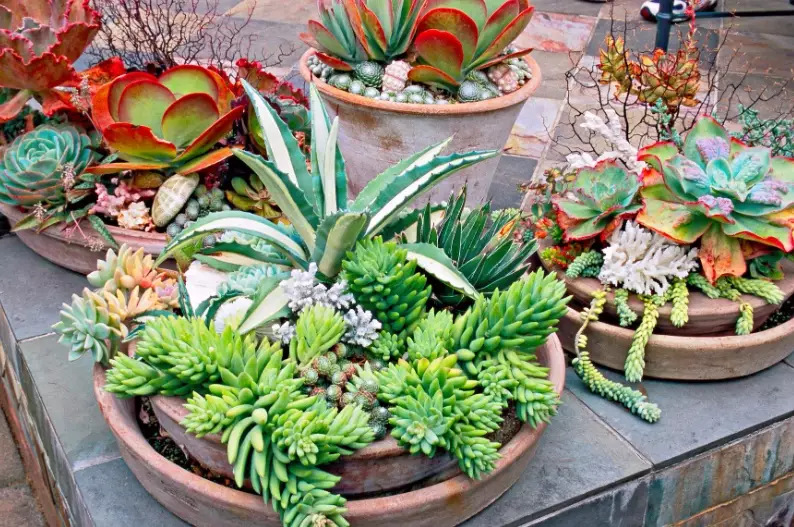
My Go-To DIY Potting Mix Recipes (Tested on Real Plants)
Okay, enough theory. Let's get our hands dirty. Here are a few recipes I use regularly, from a simple starter mix to a more advanced gritty blend. Ratios are by volume, not weight. I use a simple trowel or cup to measure.
The Simple & Effective Starter Mix
This is the one I recommend if you're new to DIY mixes. It's easy to source and works brilliantly for 90% of common succulents (Echeveria, Sedum, Haworthia, etc.).
- 2 parts Potting Soil (sifted)
- 1 part Coarse Perlite or Pumice
- 1 part Coarse Horticultural Sand
Mix it all together in a large tub until it's uniform. That's it. This creates a fast-draining, affordable pot mix for succulents that will keep your plants happy and healthy. It's a massive upgrade from bagged soil alone.
The Gritty Pro-Mix (My Favorite for Mature Plants)
This is my default mix for established plants I really care about. It drains incredibly fast and forces the plants to develop robust, fibrous root systems as they search for water and nutrients. It's more expensive but lasts forever.
- 1 part Sifted Potting Soil or Coco Coir
- 1 part Pumice
- 1 part Chicken Grit or Crushed Granite
- A handful of worm castings per gallon of mix (for nutrients)
The texture should feel like coarse gravel, not like dirt. When you water it, the water should disappear instantly. This mix is perfect if you're a chronic overwaterer.
The Specialized Mix for Lithops & Split Rocks
These "living stones" are the ultimate test of your potting mix skills. They need almost no organic matter and superb drainage. A standard succulent soil mix will kill them.
- 1 part Pumice
- 1 part Coarse Sand
- 1 part Crushed Granite or Small Aquarium Gravel
- 10% or less Potting Soil or Coco Coir (seriously, just a sprinkle)
This is essentially a mineral mix. It looks like a desert floor. Watering frequency with this mix is extremely low—sometimes only a few times a year. For authoritative care information on these specialized plants, the Cactus and Succulent Society provides excellent, detailed guidelines.
The beauty of these recipes? You can tweak them. If you live in a super humid climate, lean heavier on the grit. In a super dry, hot climate, you might add a touch more organic component.
Common Questions (And Real Answers) About Succulent Potting Mix
I get asked these all the time. Let's clear the air.
Can I use cactus soil for succulents?
Generally, yes. The terms are often used interchangeably commercially. Both cacti and succulents require excellent drainage. However, some cactus mixes might be even grittier and less organic than a general succulent mix. Always check the texture. If it feels like mostly fine peat, amend it.
How often should I change my succulent's potting mix?
Every 2-3 years is a good rule of thumb. Over time, the organic components break down and decompose, which makes the mix more compact and less drainable. You'll also be refreshing the nutrients. When you repot, gently shake off the old mix from the roots and inspect them for health.
Do I need to sterilize my DIY mix?
It's a good practice, especially if you're using garden soil or compost from your yard. You can bake moist soil in the oven at 200°F (93°C) for 30 minutes to kill pathogens and weed seeds. For bagged, commercial components, it's usually not necessary. Honestly, I often skip it with store-bought ingredients and haven't had issues, but it's a risk.
My potting mix for succulents dries out too fast! Is that bad?
For succulents? No, that's usually the goal. It's far better than staying wet too long. It just means you'll need to water a bit more frequently during active growth periods. If it's drying out in a single day and your plant is stressed, your mix might be *too* gritty, or your pot might be too small. Add a smidge more organic matter.
What about adding charcoal or moss?
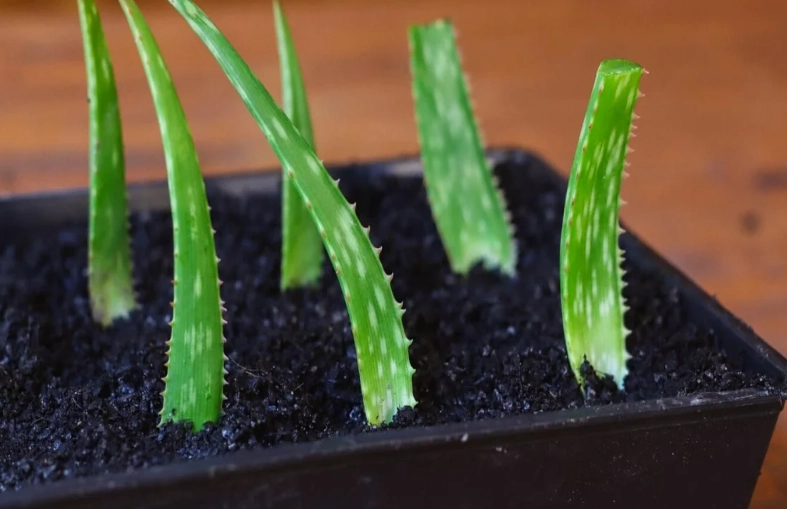
Horticultural charcoal can help absorb impurities and improve drainage slightly, but it's not essential. Sphagnum moss holds a ton of water—avoid it in standard mixes. However, long-fiber sphagnum is great for propagating succulent leaves or stems, as it holds moisture right where the new roots form without being soggy.
Putting It All Together: A Step-by-Step Repotting Guide
You've got your perfect pot mix for succulents ready. Now what?
- Choose the right pot. Always, always a pot with a drainage hole. Terracotta is fantastic because it's porous and helps wick away moisture. Size matters too—only go up one size (1-2 inches wider) from the current pot. Too much soil around a small root ball stays wet for too long.
- Prep the plant. Water the succulent a few days before repotting so the roots are slightly hydrated but the soil is dry on repotting day. Gently tip the plant out and brush away the old soil. This is your chance to check the roots. Trim any that are black, mushy, or dead with clean scissors.
- Pot it up. Place a piece of mesh or a shard over the drainage hole to keep soil in. Add a layer of your fresh succulent soil mix to the bottom. Place the plant in, centering it. The base of the plant should sit just below the rim of the pot.
- Fill and settle. Gently add mix around the roots, tapping the pot on the table to settle it. Don't press down hard—you want to keep it airy. Fill to just below the rim.
- The most important step: WAIT. Do not water it right away. Your fresh roots likely have tiny abrasions. Watering immediately risks rot. Let the plant sit in dry mix for 5-7 days to allow any root damage to callous over. Then, give it a thorough soak.
That's it. You've now given your succulent the best possible foundation for success.
Final Thoughts: It's Not Rocket Science, But It Is Science
Getting the potting mix right isn't a mysterious art. It's applied plant physiology. You're creating an artificial root environment that caters to the specific needs of a drought-adapted plant. Once you understand the why behind the gritty texture and fast drainage, everything else falls into place.
Mixing your own pot mix for succulents might seem like an extra step, but it's the kind of step that separates casual plant owners from successful succulent growers. It gives you control and eliminates the biggest variable in their care.
Start with the simple recipe. See how your plants respond. You'll notice firmer leaves, more vibrant colors, and most importantly, no more mysterious mushy deaths. Your watering routine will become simpler because the soil will tell you when it's time—it'll be completely dry.
Give it a try. Your succulents will thank you for it.

Comments