What You'll Learn
So you've got a healthy aloe vera plant sitting on your windowsill, and you've noticed these cute little baby plants popping up around the base. Or maybe a friend offered you a leaf. Your first thought is probably, "How do you propagate aloe vera from this?" It's a fantastic question because propagating aloe is one of the most rewarding things you can do as a plant parent. It's not just about getting free plants (though that's a huge perk), it's about the satisfaction of creating new life from a plant you've cared for.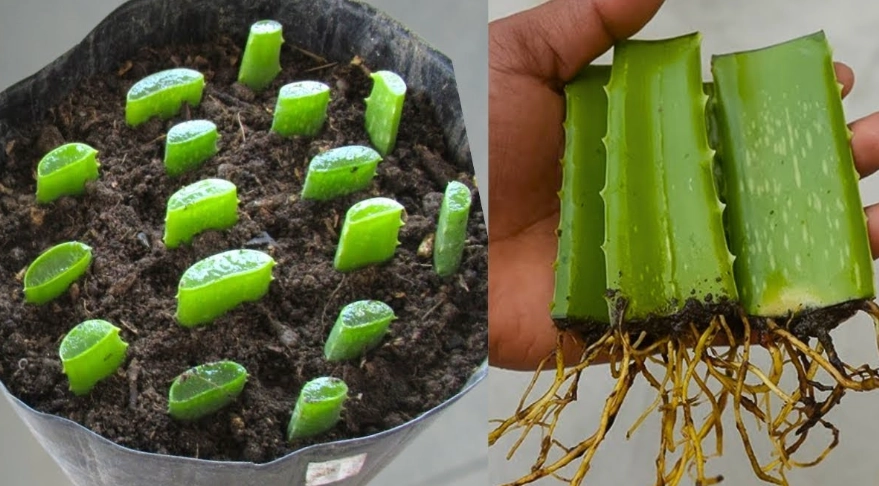
I remember the first time I tried it. I was nervous, convinced I'd kill both the mother plant and the pup. I overthought every step. But here's the secret: aloe vera wants to propagate. In the wild, it's constantly creating offsets to spread. We're just giving it a gentle nudge in the right direction.
This guide is going to walk you through every single method, pitfall, and secret trick I've learned over years of trial and error. We'll go beyond the basic "separate the pup" advice you see everywhere and dive into the nitty-gritty that actually determines success or failure.
Understanding Aloe Vera Offsets (The Easiest Way)
Before you grab your knife, let's understand what we're working with. An aloe pup isn't a random sprout; it's a genetically identical clone of the mother plant, sharing her root system initially. Your goal is to gently convince it to grow its own roots. The timing is crucial. A pup that's too small (less than one-fifth the size of the mother) simply doesn't have the energy reserves to make it on its own. It's like sending a toddler to college.
How do you know a pup is ready? Look for these signs:
- It has developed several of its own leaves, not just one or two nubs.
- It's at least 3-4 inches tall. Bigger is almost always better here.
- It may have started to form its own root system, visible as tiny white threads at its base.
If your pup meets these criteria, you're golden. Let's move on to the actual process of how do you propagate aloe vera from these offsets.
Step-by-Step: Separating and Potting Aloe Pups
Now, inspect the mess of roots and soil. Your mission is to locate where the pup connects to the mother. Sometimes it's a clear, stem-like connection. Other times, they're tangled together. This is where you need a clean tool. I use an old kitchen knife I've sterilized with rubbing alcohol. A small hand trowel or even a butter knife works. The goal isn't to slash, but to tease apart.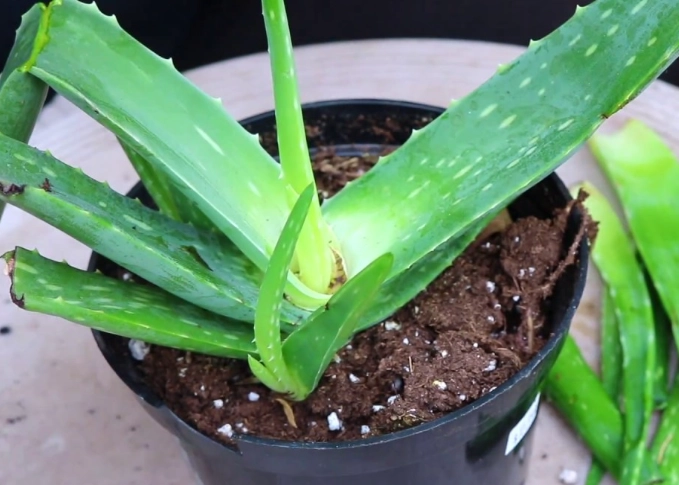
Here's a personal tip: if the separation feels violent and you're tearing more than cutting, you might be dealing with a pup that's not quite independent enough. Sometimes it's better to wait another month. Patience pays off.
The Secret Sauce: Soil Mix for New Aloe Pups
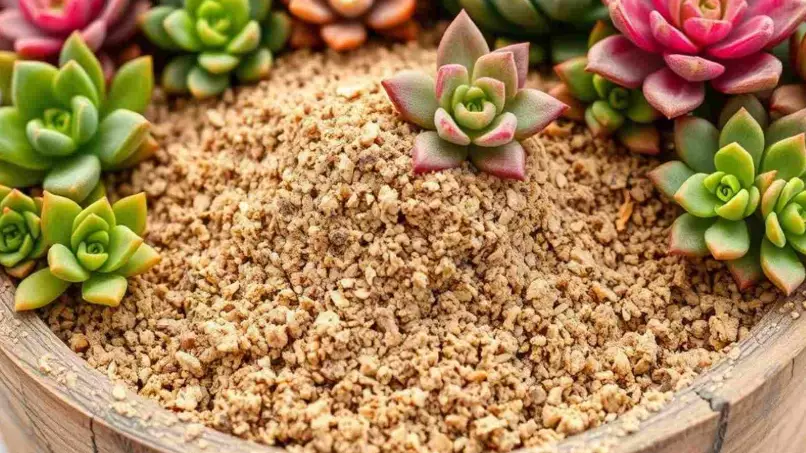
Bagged "cactus and succulent" soil from the store is okay, but it's often not gritty enough. Aloe roots despise sitting in moisture. They need fast drainage. Here's my go-to homemade mix that has never failed me:
- 50% Potting Soil: A basic, all-purpose kind.
- 30% Perlite or Pumice: This is for aeration and drainage. Perlite is cheaper and easier to find.
- 20% Coarse Sand: Horticultural sand, not beach sand (which is too fine and salty).
Mix it up in a bucket. It should feel loose and gritty, not dense and clumpy. Fill your new pot about halfway with this mix.
Now, place your callused pup in the pot. Hold it so the base of the leaves is just above the soil line. Gently backfill with your soil mix, tapping the pot to settle it. Don't pack it down hard. The plant should be able to stand upright on its own. If it's wobbly, you can prop it up with a few small stones, but avoid burying the stem deeper.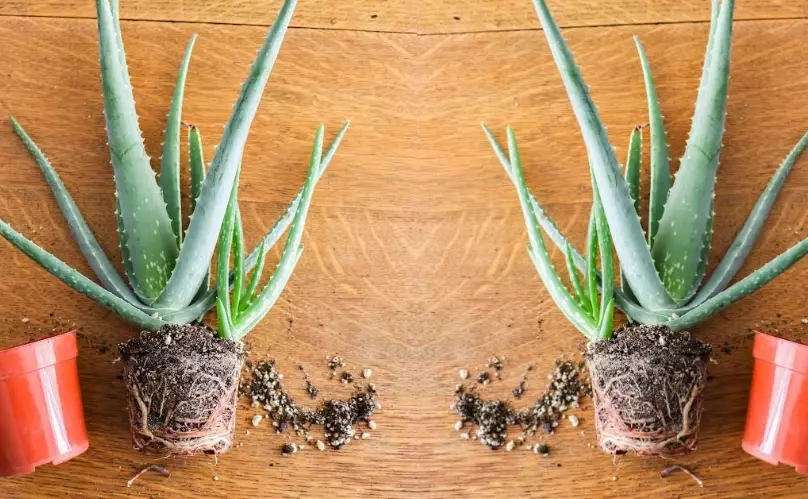
That's the core of how do you propagate aloe vera from pups. But what if you don't have pups?
The Challenging Route: Propagating from a Single Leaf
Let's be brutally honest: propagating aloe vera from a leaf cutting is notoriously difficult. The success rate is low, maybe 20-30% on a good day. Most online videos make it look easy, but they often don't show the weeks of failure that follow. The main reason is that aloe leaves are full of a gelatinous sap that makes the cut end prone to rotting before it can callus properly.
But sometimes, it's your only option. Maybe a leaf broke off, or you're gifted a leaf. If you want to try, here's the most realistic method.
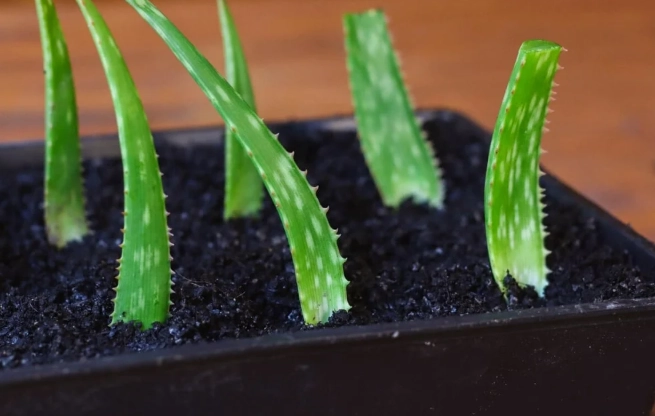
First, select a healthy, mature, plump leaf from the outer part of the plant. Use a clean, sharp knife to make a clean cut as close to the stem as possible. You want a nice, smooth slice.
Now, this is different from the pup. The sap will ooze out profusely. Place the leaf cut-side-up on a paper towel and let the sap drain and the wound dry for a full week or even two. You're waiting for a thick, leathery callus to form over the entire cut surface. This is the most critical phase. Rushing it guarantees failure.
Once callused, you have two schools of thought:
- The "Plant It" Method: Stick the callused end about an inch deep into your dry, gritty succulent mix. Do not water. Wait. And wait some more. Check for roots in a month. Only introduce the tiniest bit of water once you see evidence of root growth.
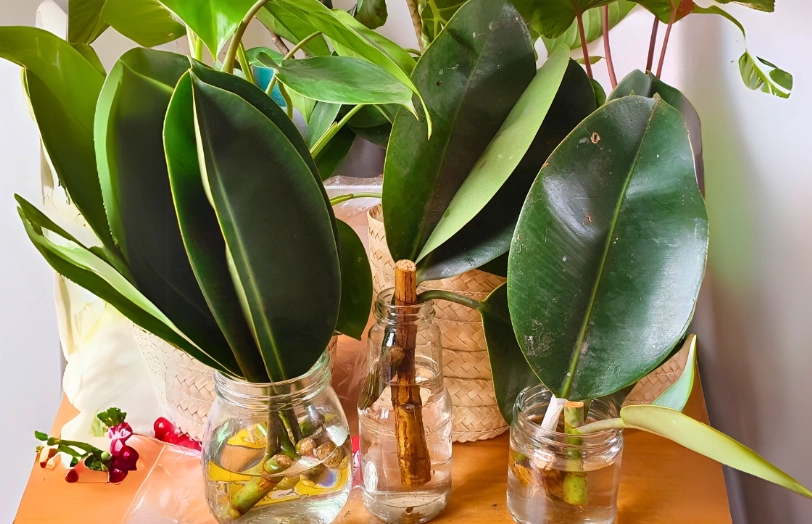
- The "Water Propagation" Method (Controversial): Some gardeners swear by suspending the callused leaf just above water (not in it) so the humidity encourages roots. I've had mixed results. It sometimes works, but the transition to soil afterward can be tricky.
My personal experience? I've tried leaf propagation half a dozen times. Two rotted within days because I didn't let them callus long enough. Three shriveled up into nothing after months of waiting. One finally produced a tiny, weak pup after nearly four months. It was a victory, but a labor-intensive one. For the effort, waiting for a pup is infinitely more rewarding.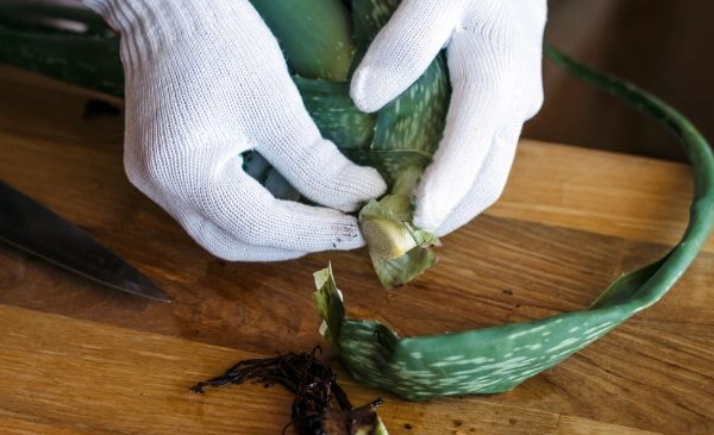
Starting from Seed (The Long Game)
This is the rarest method, mainly for hybridizers or the extremely patient. Aloe vera seeds can be found online from specialty sellers. If you go this route, ensure you're buying from a reputable source like a dedicated succulent nursery website.
Sow the seeds on the surface of a fine, moist seed-starting mix. Don't bury them. Cover the tray with a plastic dome or bag to maintain humidity. They need warmth and consistent moisture (not wetness) to germinate, which can take several weeks. The seedlings are incredibly slow-growing. You're looking at years before you have a substantial plant.
It's a fascinating project, but not practical if your goal is to quickly learn how do you propagate aloe vera for more plants around the house.
Post-Propagation Care: Keeping Your New Plants Alive
Knowing how do you propagate aloe vera is only half the battle. The real test is the first few months of care. Here’s a quick-reference table comparing the needs of a new pup versus a mature plant. It highlights why baby plants need extra TLC.
| Care Factor | Newly Propagated Aloe Pup | Established Mature Aloe Plant |
|---|---|---|
| Watering | Extremely cautious. Water only after 1-week dry start, then only when soil is completely dry. Deep but infrequent soaks. | Moderate. Water thoroughly when top 1-2 inches of soil are dry. Tolerates drought better. |
| Light | Bright, indirect light. Can scorch easily in direct afternoon sun. Acclimate slowly. | Loves bright, direct light (4-6+ hours). Can handle a south-facing window. |
| Soil Moisture | Must dry out completely between waterings. Root system is too small to handle "damp." | Prefers dry conditions but has a larger root system to handle slight moisture variance. |
| Fertilizer | NONE for the first 6 months. Let it establish roots first. | Light feeding in spring/summer with a diluted, balanced fertilizer (e.g., 10-10-10). |
| Signs of Trouble | Mushy base (overwatered/rot). Wrinkled, red leaves (too much sun/thirst). | Brown, crispy leaf tips (underwatered). Pale, leggy growth (needs more light). |
See the difference? The newborn is fragile. The biggest killer is love—specifically, overwatering. Your instinct is to care for it, but with aloe, neglect is often the best care.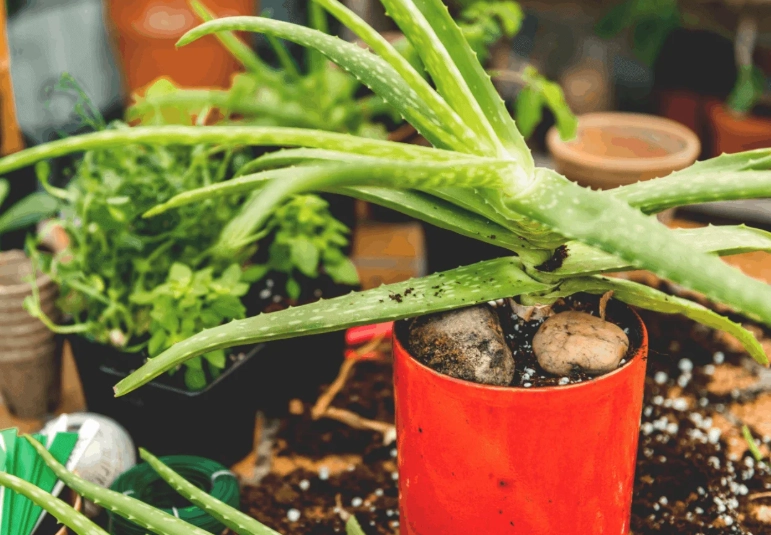
Troubleshooting Common Propagation Problems
Even if you follow every step on how do you propagate aloe vera perfectly, things can go sideways. Here’s what to do when they do.
The Pup is Rotting (Mushy, Brown/Black Base)
This is almost always from water. You either watered too soon, the soil doesn't drain, or the pot has no hole. Act fast. Unpot the pup. Cut away all mushy, discolored tissue with a sterile knife until you only see clean, firm, green or white flesh. Let it callus again for several days. Repot in a grittier mix and DO NOT WATER for at least 10 days. Cross your fingers.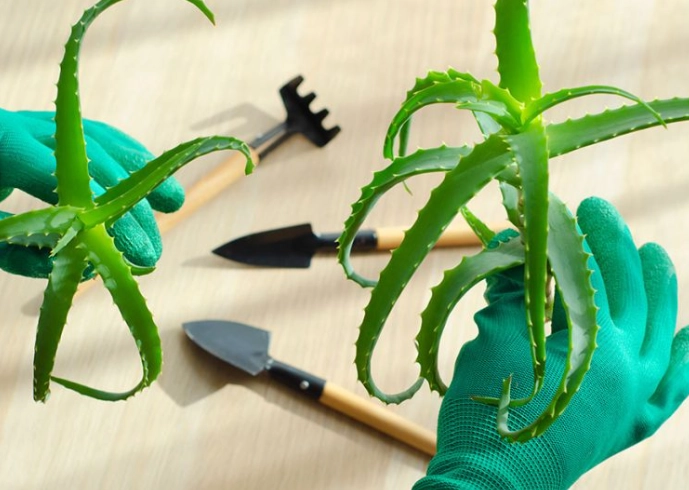
The Pup is Wrinkled and Shriveled
It's thirsty. But wait! Is the soil bone dry? If yes, and it's been more than a week since potting, give it a good soak. If the soil is damp, the roots might have rotted off, preventing water uptake. Unpot and check for root rot as above.
No Root Growth After Weeks
Patience. Aloe operates on its own schedule. Ensure it's getting warmth and bright, indirect light. You can try a rooting hormone on the callus before potting, though it's not strictly necessary. Sometimes, they just take their sweet time.
The Mother Plant Looks Sad After Separation
It's in shock. Repot it in fresh soil if you disturbed the roots a lot. Give it the same dry period (no water for a week) and then resume normal care. It should bounce back.
Answering Your Burning Questions
Advanced Tips for the Enthusiast
Once you've mastered the basics of how do you propagate aloe vera, you can play around.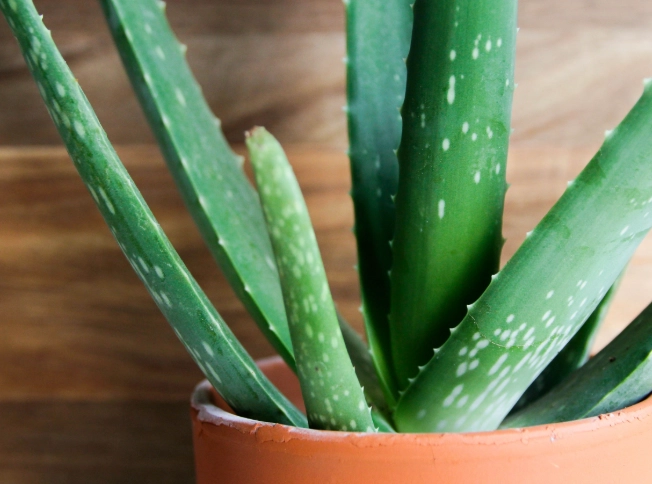
Experiment with Soil Amendments: Some growers add a sprinkle of worm castings for a gentle nutrient boost or a handful of orchid bark for extra chunkiness.
Bottom Watering: For established pups, try bottom watering. Place the pot in a saucer of water for 15-20 minutes, allowing the soil to soak it up from the bottom. This encourages deeper root growth and avoids wetting the crown of the plant.
Document Your Progress: Take a photo of your pup on the day you pot it. Take another one a month later. The growth is slow, but side-by-side photos are incredibly satisfying and help you learn what works.
So, there you have it. The complete, no-BS guide on how do you propagate aloe vera. It's not rocket science, but it does require a shift from a nurturing mindset to a more observational, patient one. Your aloe will tell you what it needs. Your job is to listen, provide the right conditions, and mostly, just get out of the way.
The best part? Once you successfully propagate your first aloe pup, you'll have the confidence to try it with other succulents. It's a gateway skill. And you'll always have a thoughtful, living gift to give to friends and family. Just make sure you write down the care instructions for them, too.
Now go check your aloe plant. See any pups ready for a new home?
Comments