I’ve grown lavender in pots for over a decade, and let me tell you, it’s not as simple as tossing a plant in a container and hoping for the best. Most people fail because they treat it like any other houseplant. Lavender is Mediterranean by nature—it craves neglect, not coddling. If you’ve ever killed a lavender plant by overwatering, you’re not alone. I’ve lost count of my own casualties before I figured out the quirks. This guide cuts through the fluff and gives you the real, actionable steps to keep lavender thriving in pots, whether you’re on a balcony or in a tiny apartment.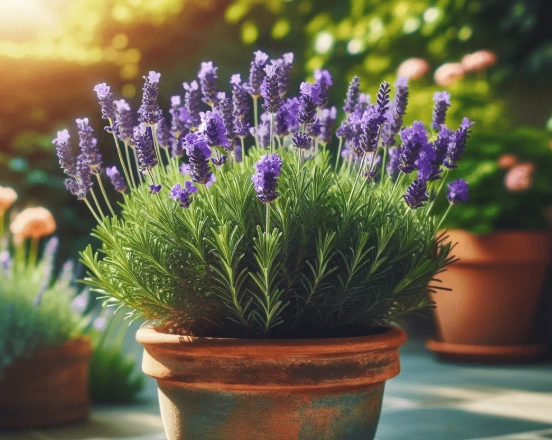
What You’ll Learn in This Guide
Why Grow Lavender in Pots?
You might think lavender belongs in vast fields, but pots offer control. I started with pots because my garden soil was heavy clay—lavender hates wet feet. In a pot, you dictate the drainage. Plus, mobility is key. Move it to catch sun in winter, or bring it indoors during frost. For urban dwellers, pots are the only option. Lavender’s scent can deter pests, making it perfect for patios. But here’s a non-consensus point: pots actually mimic lavender’s native rocky slopes better than many garden beds, if you get the mix right.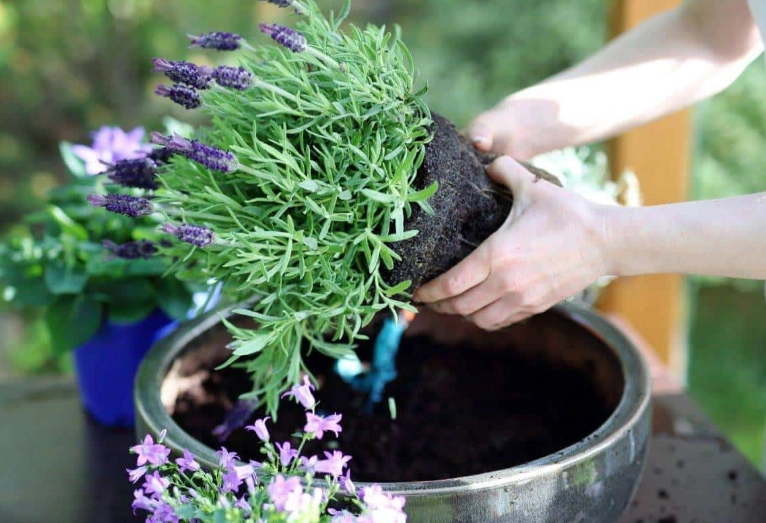
Choosing the Right Pot and Soil
This is where most beginners mess up. Go for a terracotta pot over plastic—it breathes, reducing root rot risk. Size matters: a 12-inch diameter pot is minimum for one plant. Depth? At least 10 inches. Lavender roots spread wide but not deep. I once used a shallow decorative pot, and the plant toppled in wind. Lesson learned.
Soil is critical. Don’t use regular potting mix; it holds too much moisture. Instead, mix:
- 50% potting soil (like a cactus mix)
- 30% coarse sand or perlite
- 20% small gravel or crushed stone
This ensures fast drainage. A study from the Royal Horticultural Society emphasizes well-drained media for Mediterranean herbs. If you skip this, you’re inviting fungus gnats and root rot.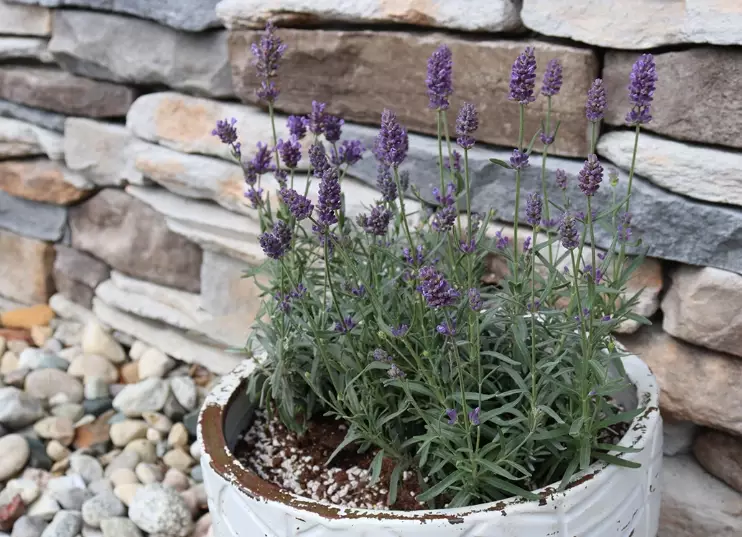
Planting Lavender in Pots: A Step-by-Step Process
Let’s get hands-on. Assume you bought a lavender plant from a nursery—likely English lavender (Lavandula angustifolia), which is pot-friendly.
- Prep the pot: Add a layer of gravel at the bottom for extra drainage. Fill with your soil mix halfway.
- Handle the plant: Gently loosen roots. Lavender hates being root-bound, but don’t tear them.
- Position it: Place the plant so the crown (where stems meet roots) is level with the soil surface. Burying it deeper causes stem rot.
- Fill and firm: Add soil around, press lightly. Water sparingly—just enough to settle. Wait a day before full watering.
Timing: Spring is best, after frost. I’ve planted in fall too, but growth is slower.
Lavender Care Essentials for Pots
Care is where experience shines. Most guides repeat “full sun and dry soil,” but the devil’s in details.
Watering: The Biggest Mistake
Overwatering kills more potted lavender than anything. Stick your finger an inch into soil—if dry, water. In summer, that might be weekly; in winter, monthly. I use a moisture meter now because guessing led to casualties. Water deeply but infrequently, until it drains out the bottom. Then, let it dry out completely. Lavender tolerates drought better than sogginess.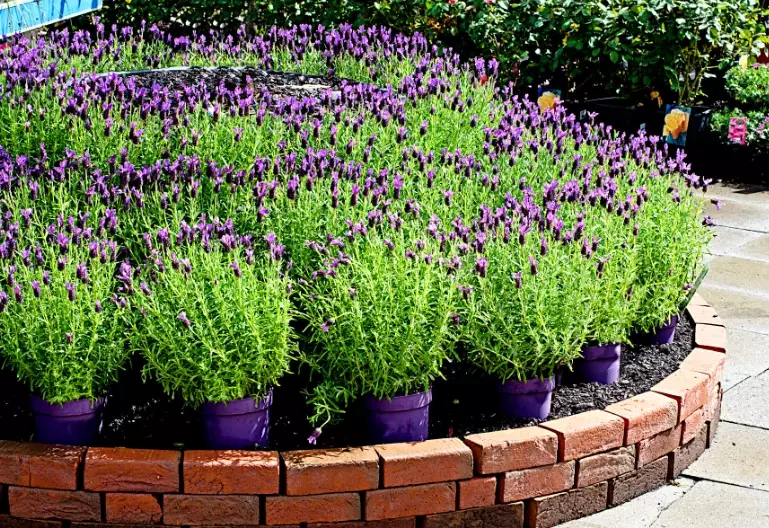
Sunlight and Temperature
Lavender needs 6-8 hours of direct sun. Less, and it gets leggy. Indoors, a south-facing window is must. Temperature-wise, it handles heat but not cold wetness. In zones below 5, bring pots indoors before frost. I keep mine in an unheated garage over winter—cold but dry. Humidity? Low is better. Bathrooms are a no-go.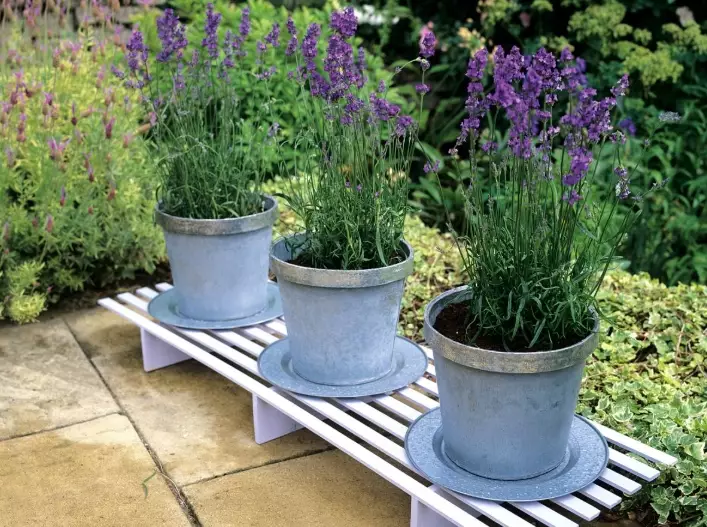
Pruning and Deadheading
Prune in early spring, cutting back by one-third to encourage bushiness. Deadhead spent blooms to promote more flowers. But don’t cut into old wood; it won’t regrow. I made that error once and had a bald patch for months.
Common Problems and How to Fix Them
Here’s a quick list of issues I’ve faced:
- Yellow leaves: Usually overwatering. Let soil dry, improve drainage.
- Leggy growth: Not enough sun. Move to brighter spot.
- Pests like aphids: Spray with water or use neem oil. Lavender is resistant, but stressed plants attract bugs.
- Root rot: Smelly, black roots. Repot immediately with fresh soil, trim rotten parts. Prevention is key—use that gritty mix.
Fungal diseases are rare if you avoid overhead watering. Water at the base.
Your Lavender in Pots Questions Answered
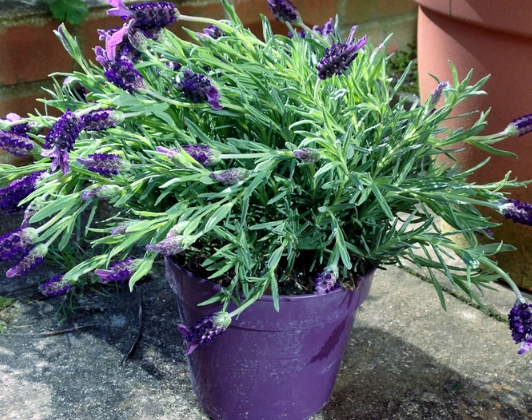
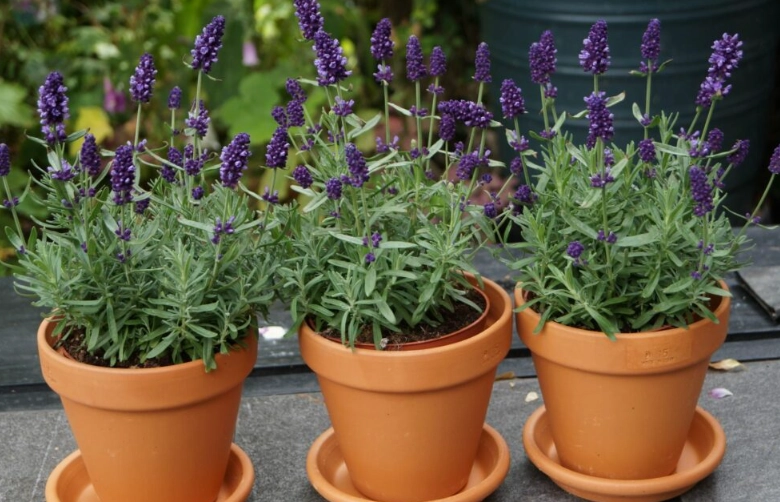
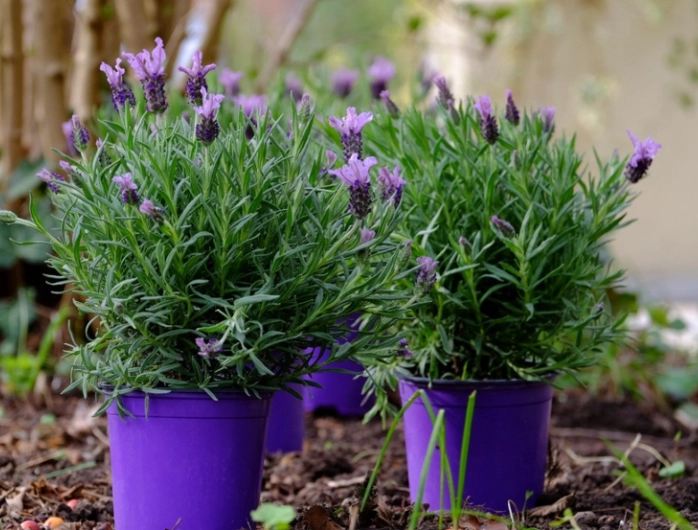
Growing lavender in pots is rewarding once you master the basics. It’s not a set-and-forget plant, but with the right pot, soil, and a hands-off watering approach, you’ll enjoy fragrant blooms for years. Start with a resilient variety, avoid common pitfalls like overwatering, and don’t be afraid to prune. Happy potting!



Comments