What You'll Learn in This Guide
Rosemary care isn't as simple as sticking it in a pot and forgetting it. I've killed my share of rosemary plants over the years, mostly from overconfidence. The truth is, this herb needs specific conditions to thrive, whether you're growing it indoors on a windowsill or outdoors in a garden. Let's cut through the noise and get straight to what works.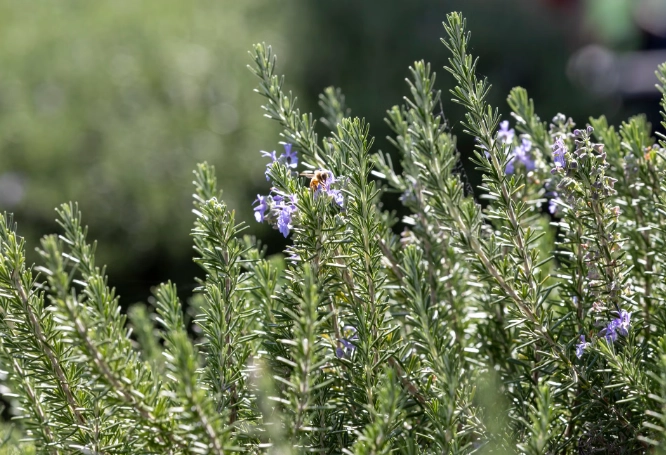
Understanding Rosemary Plant Needs
Rosemary is a Mediterranean plant, which tells you a lot about its preferences. Think sunny, dry, and well-drained. If you mimic those conditions, you're halfway there.
Sunlight Requirements for Rosemary
Rosemary loves light. I mean, it craves it. Indoors, place it near a south-facing window where it gets at least 6 hours of direct sunlight daily. If your home is dim, consider using a grow light. Outdoors, full sun is non-negotiable—less than that, and the plant gets leggy and weak.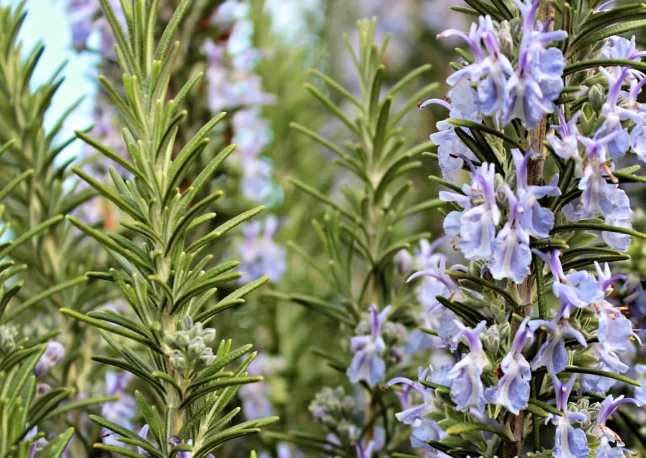
Watering Rosemary: How Often and How Much?
This is where most people mess up. Rosemary hates wet feet. Water only when the top inch of soil feels dry. For potted plants, that might be once a week in summer, but in winter, it could be every two weeks. Stick your finger in the soil; if it's damp, wait. Overwatering is the fastest way to kill rosemary.
Pro tip: Use a pot with drainage holes. I learned this the hard way when a beautiful ceramic pot without holes led to root rot within a month.
Soil and Potting Mix for Rosemary
Rosemary needs fast-draining soil. A mix of regular potting soil with added perlite or sand works well. Aim for a pH between 6.0 and 7.0. If you're repotting, do it in spring, and don't go too big—rosemary likes being slightly root-bound.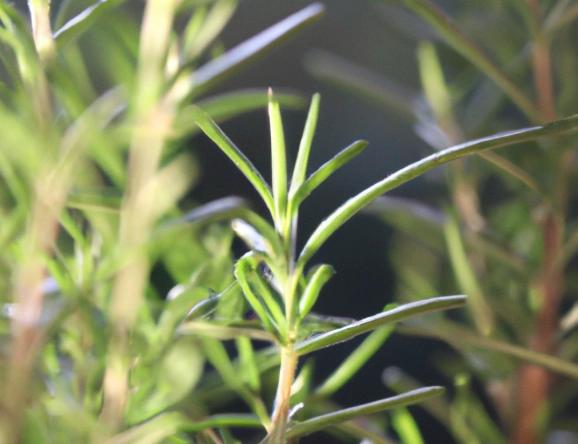
Common Rosemary Care Mistakes and How to Avoid Them
I see these errors all the time, even from experienced gardeners. Let's break them down.
Overwatering: The Silent Killer
It's tempting to water frequently, especially if leaves look droopy. But droopy leaves can also mean too much water. Check the soil first. A common misconception is that rosemary is drought-tolerant, so it needs almost no water. Not true—it needs infrequent but thorough watering.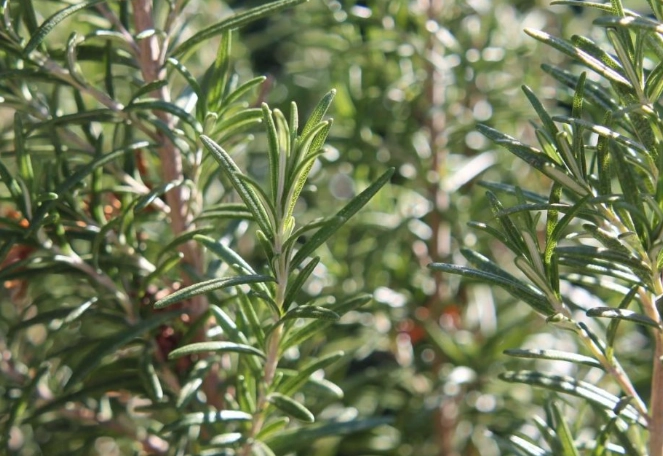
Poor Drainage Issues
If water pools at the bottom of the pot, you're in trouble. Ensure your pot has holes, and use a saucer to catch excess water, but empty it regularly. For garden planting, amend clay soil with compost or sand to improve drainage.
Ignoring Humidity Levels
Indoors, rosemary can suffer from low humidity, especially in heated homes. Mist the leaves occasionally or place a tray of water nearby. But don't overdo it—high humidity can promote fungal diseases.
Step-by-Step Guide to Pruning Rosemary
Pruning keeps rosemary bushy and healthy. Do it in spring or early summer, not in fall when new growth won't have time to harden off.
First, sanitize your shears with rubbing alcohol. Then, follow these steps:
- Identify the stems you want to trim—look for woody, overgrown parts.
- Cut just above a leaf node, about one-third of the stem length.
- Avoid cutting into old wood that has no leaves; it might not regrow.
Pruning encourages new growth and prevents the plant from becoming leggy. I prune mine every few months, and it always bounces back with more fragrance.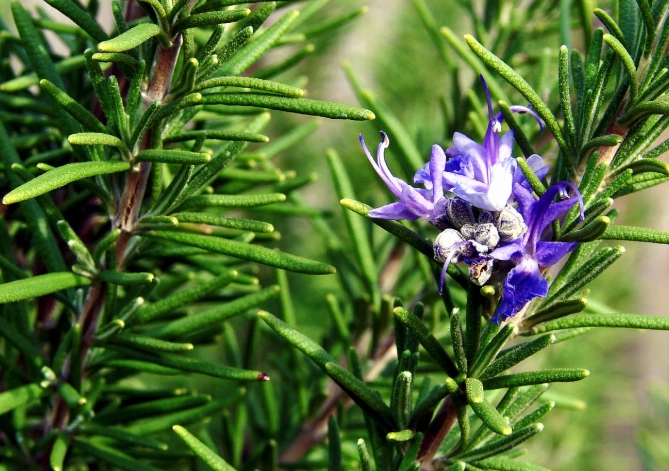
Troubleshooting Rosemary Problems
When things go wrong, here's a quick reference table based on issues I've encountered.
>Move to a sunnier spot or use grow lights| Problem | Likely Cause | Solution |
|---|---|---|
| Brown leaves | Overwatering or root rot | Reduce watering, improve drainage, trim affected roots |
| Yellow leaves | Nutrient deficiency or poor soil | Fertilize lightly with balanced fertilizer, check soil pH |
| Leggy growth | Insufficient light | |
| White powder on leaves | Powdery mildew (fungal disease) | Increase air circulation, avoid overhead watering, use fungicide if severe |
For pest issues like spider mites, which are common indoors, wipe leaves with a damp cloth or use insecticidal soap. According to the Royal Horticultural Society, regular inspection helps catch pests early.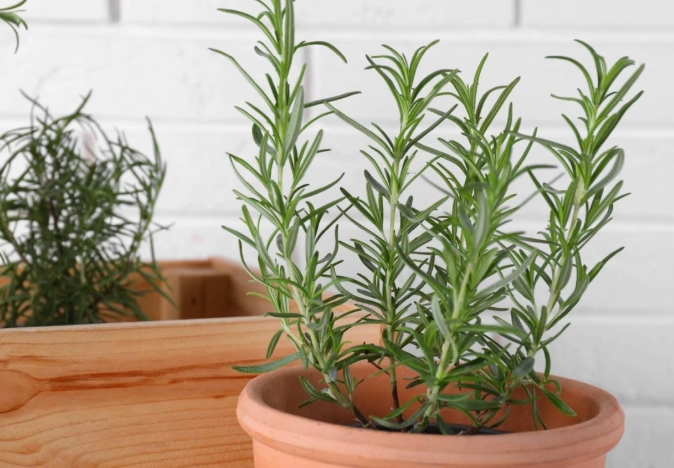
Your Rosemary Care Questions Answered
Rosemary care boils down to mimicking its native habitat. Give it sun, let the soil dry out between waterings, and don't be afraid to prune. It's a resilient plant if you get the basics right. I still lose a plant now and then—gardening is humbling—but with these tips, you'll have a better shot at keeping yours alive and fragrant.

Comments