Let's talk about the Cryptanthus bivittatus, or the Earth Star plant. You've probably seen it—those stunning rosettes with pink and green striped leaves lying flat against the soil, looking more like a starfish than a traditional plant. It's a bromeliad, but it breaks all the bromeliad rules. It doesn't grow in trees, and it doesn't hold water in a central cup. I've been growing these for over a decade, and I can tell you, most care guides get a crucial detail wrong. They treat it like a succulent or a typical tropical, and that's where people run into trouble. It's actually one of the most forgiving plants for low light, but it has a specific thirst that's easy to miss.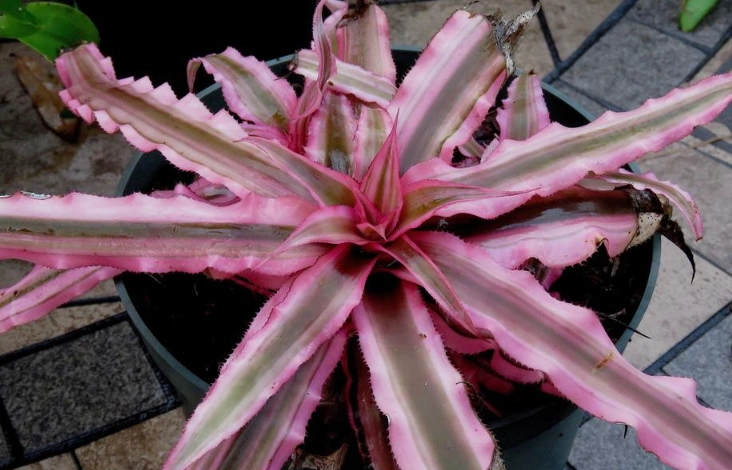
In This Guide
What Exactly Is a Cryptanthus Bivittatus?
Native to the forest floors of Brazil, the Earth Star evolved to thrive in dappled light and high humidity, nestled in leaf litter. This is key. It's a terrestrial bromeliad, meaning it grows in the ground, not on trees like its epiphytic cousins (think air plants or the common guzmania).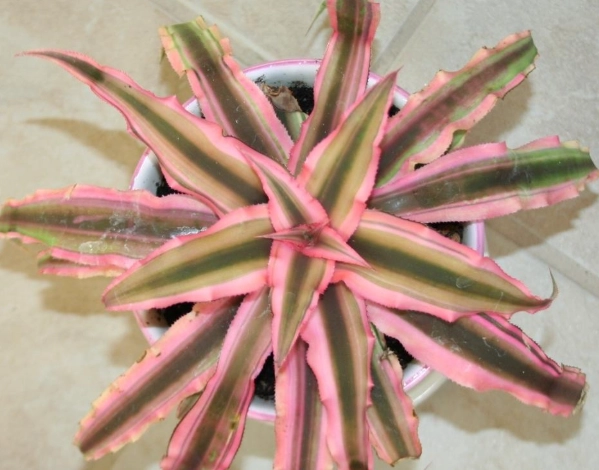
The "bivittatus" part refers to the two prominent stripes running along its leaves. The most common variety, 'Pink Starlight,' has vibrant pink stripes against a green background. There's also a rarer, all-green form. Its growth habit is what makes it special—it stays low, rarely exceeding 6 inches in height, but can slowly spread to form a colony.
Here’s a quick table to show how it differs from the average houseplant, which explains why generic care advice fails:
| Trait | Cryptanthus Bivittatus (Earth Star) | Typical Houseplant (e.g., Pothos) |
|---|---|---|
| Light Needs | Low to bright indirect. Hates direct sun. | Often needs more light to thrive. |
| Watering Style | Keep soil evenly moist, not soggy. Roots need consistent access to water. | Prefers soil to dry out between waterings. |
| Growth Habit | Grows flat, outward. Very slow grower. | Grows upward or trails. Faster growth rate. |
| Flowering | Blooms once in its lifetime, then produces offsets (pups). The main plant slowly dies after. | May flower annually or not at all. Plant continues. |
I made the mistake early on of treating it like a succulent because of its stiff leaves. I let the soil get bone dry. The plant didn't die immediately, but it stopped growing and the leaf tips turned into crispy brown paper. It was surviving, not thriving. The Royal Botanic Gardens, Kew lists Cryptanthus as understory plants, which tells you everything about their light and moisture preferences.
Setting Up the Perfect Home Environment
Getting the location right is 80% of the battle with Earth Stars. They're not fussy, but they have non-negotiable preferences.
Light: The Biggest Misconception
Everyone assumes because the pink varieties are colorful, they need tons of light. Wrong. In fact, direct sun is the fastest way to scorch its leaves, leaving bleached, tan patches. The pink coloration is often most vibrant in medium indirect light.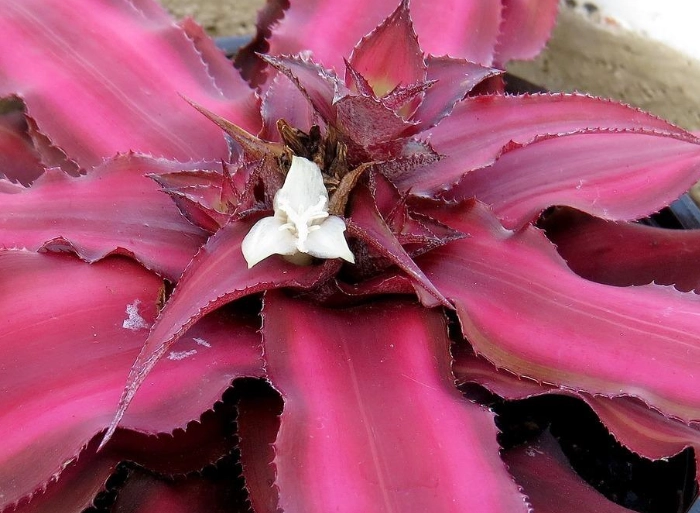
Ideal spots: A north-facing window is perfect. An east-facing window a few feet back is great. You can even grow them successfully under bright artificial light or in a well-lit bathroom with no window. I have one thriving on a bookshelf about 8 feet from a south-facing window, and it's putting out new leaves consistently.
Temperature & Humidity: The Comfort Zone
They like the same temperatures you do: between 65°F and 80°F (18°C - 27°C). Avoid drafts from heaters, air conditioners, or chilly windows in winter.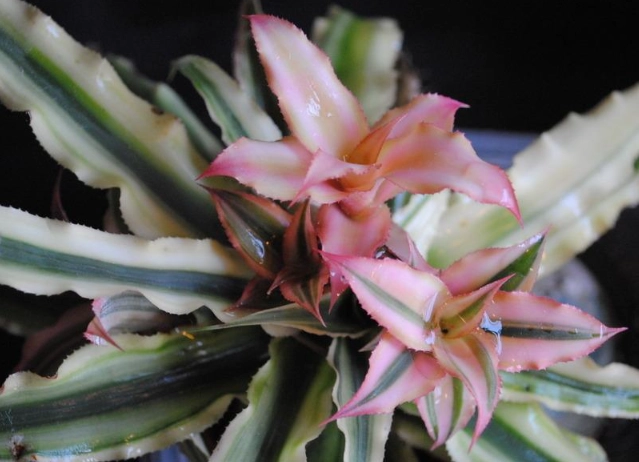
Humidity is where I see subtle mistakes. Yes, they love humidity (50%+ is ideal), but they won't instantly die in average home humidity (around 30-40%). The problem manifests slowly: the very tips of the leaves turn dry and brown. It's cosmetic, not fatal.
Instead of stressing over a humidifier, try these low-effort fixes:
- Pebble Tray: Set the pot on a tray filled with pebbles and water. As the water evaporates, it boosts humidity right around the plant.
- Grouping: Cluster it with other plants. They create their own microclimate.
- Bathroom Placement: If you have a window in your bathroom, it's a prime location. The steam from showers is a free humidity boost.
The Watering and Soil Secrets No One Talks About
This is the heart of Cryptanthus care. Forget the "water when the top inch is dry" rule. For Earth Stars, that's often too late.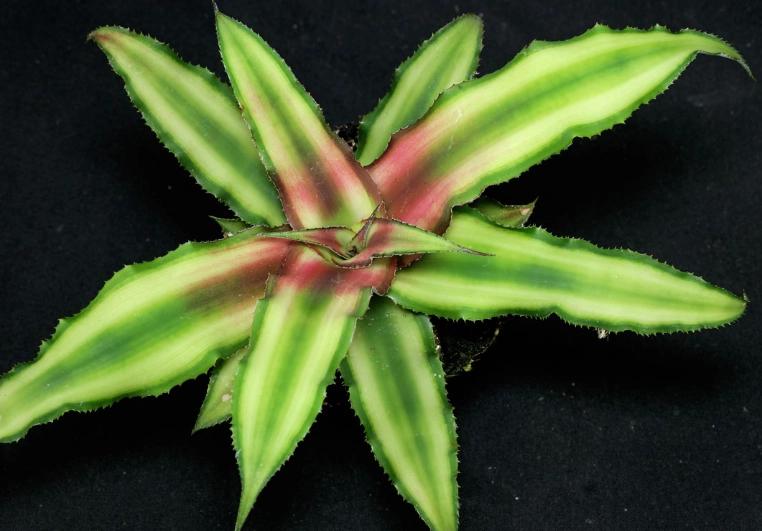
The Right Way to Water
Think "evenly moist." The goal is to keep the root zone consistently damp like a wrung-out sponge, never sopping wet and never completely dry. Here's my method, developed after killing a few by both over and under-watering:
1. The Finger Test, Deeper: Stick your finger into the soil up to the second knuckle (about 1.5 inches). If the soil at your fingertip feels just barely damp, it's time to water. If it's still wet, wait. If it's dry, you've waited too long.
2. The Soak Method (Best Practice): Take the entire pot to the sink. Water thoroughly from the top until water runs freely out of the drainage holes. This ensures the entire root ball gets hydrated. Let it drain completely. Never let it sit in a saucer of water—that's a one-way ticket to root rot.
3. Water Quality Matters: They are sensitive to salts and chemicals. If your tap water is hard, use filtered, distilled, or rainwater if you can. You'll notice fewer brown tips.
Soil: It's All About Drainage & Texture
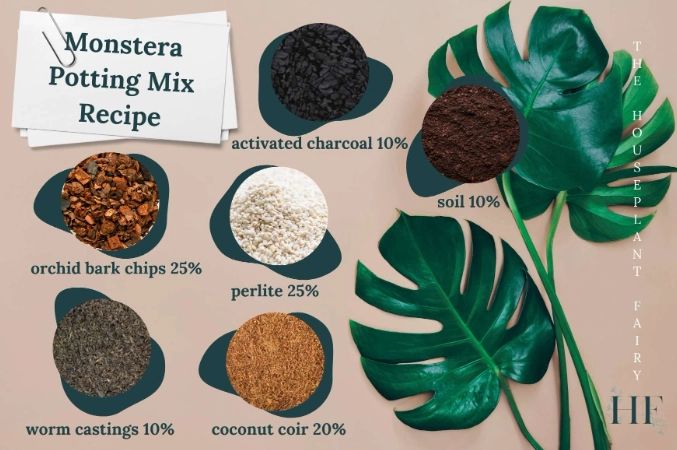
Standard potting soil holds too much water and suffocates the roots. You need a chunky, airy mix. Here's a simple recipe I use:
- 50% Regular potting mix
- 30% Orchid bark or coconut coir chips (for aeration)
- 20% Perlite or pumice (for drainage)
This mix holds some moisture but lets excess water flow away quickly, preventing the roots from rotting. The Missouri Botanical Garden notes that bromeliads like Cryptanthus prefer well-drained, humus-rich mediums, which aligns perfectly with this DIY mix.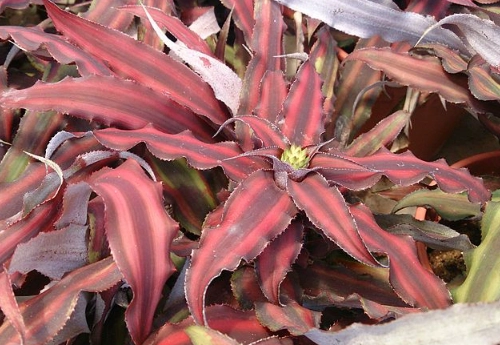
Feeding, Repotting, and Making More Plants
Earth Stars are light feeders. During the growing season (spring and summer), feed them once a month with a balanced, water-soluble fertilizer diluted to half strength. In fall and winter, stop fertilizing. Over-fertilizing leads to salt buildup in the soil, which can burn the roots and cause leaf tip burn.
They are slow growers and have shallow roots, so repotting is rare—maybe every 2-3 years. Only go up one pot size (an inch wider in diameter) at most. The best part? They make babies for you.
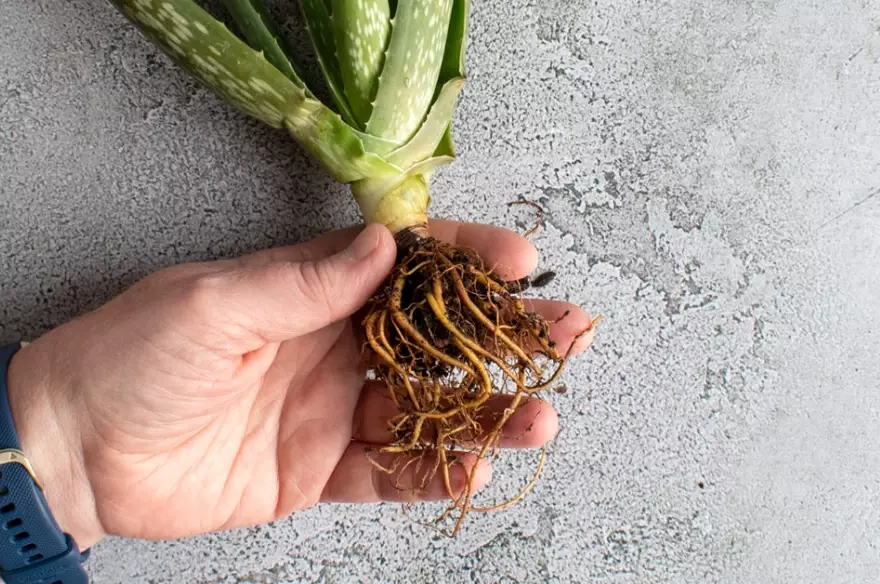
After the main plant flowers (a small, white flower nestled in the center), it will slowly begin to decline. But around its base, you'll see small offsets, called "pups." Wait until the pup is about one-third the size of the mother plant. Then, with a clean, sharp knife, cut it away, trying to keep some roots attached. Pot it up in your airy soil mix, keep it moist and humid, and you have a brand new plant. The mother plant can be composted once it's fully declined.
Your Questions, Answered (Troubleshooting)
My bathroom has high humidity, but my Cryptanthus leaves are still turning yellow and mushy at the base. What's happening?
That's classic overwatering, likely combined with a soil mix that doesn't drain fast enough. Humidity affects the leaves, but root rot happens in the soil. Stop watering immediately. Check the roots. If they're brown and slimy, cut away the rot, repot in fresh, dry, airy mix, and water very sparingly until you see new growth. The plant may be too far gone if the center is mushy, but save any firm pups.
Can I grow an Earth Star in a terrarium or a closed glass container?
I don't recommend fully sealed terrariums. The constant, 100% humidity and lack of air circulation is a recipe for fungal issues and rot. They do wonderfully in large, open terrariums or glass cloches that are regularly aired out. The key is airflow. Think of their natural habitat—a forest floor has breezes, not stagnant air.
Why hasn't my plant grown at all in six months?
First, they are glacially slow, so don't panic. But a complete halt usually points to one of three things: 1) It's pot-bound and has no room (unlikely if it's young), 2) It's not getting enough light (move it a bit closer), or 3) The soil has become hydrophobic or compacted. If water runs straight through without soaking in, the roots are getting nothing. Try the soak method by immersing the pot's bottom third in a bowl of water for 20 minutes, then let it drain.
Are Cryptanthus bivittatus pet-safe?
According to the ASPCA and other major sources, plants in the Bromeliaceae family are generally considered non-toxic to cats and dogs. Cryptanthus is listed as safe. However, it's always best to discourage pets from chewing on any houseplant to avoid potential stomach upset.
Styling Your Earth Star: Design Inspiration
Their low, spreading form makes them incredibly versatile. Use them as a living centerpiece on a coffee table. Plant several in a wide, shallow bowl for a "forest floor" effect. They're perfect for the front edge of a plant shelf where they won't block other plants. I love pairing them with upright plants like Snake Plants or ZZ plants for a great textural contrast. Their sculptural shape and striking color mean they hold their own as a solo act, too. Just give them a nice, simple pot that complements their stripes—a neutral ceramic or terracotta works beautifully.
At the end of the day, the Cryptanthus bivittatus is a resilient, unique plant that asks for very little once you understand its simple needs: gentle light, consistent moisture, and airy soil. Ignore the generic advice, listen to what its leaves are telling you, and you'll have a stunning Earth Star for years to come.
Comments