Let's be honest. You bought that bird of paradise plant because it screams "luxurious indoor jungle." Those huge, architectural leaves are instant drama. But now it's sitting in your living room, maybe looking a little less dramatic than the store display. A leaf is splitting. The edges are getting crispy. It hasn't grown an inch.
I've been there. I've killed one from overwatering and nearly lost another to spider mites because I placed it in a dark corner, thinking its size meant it was low-light tolerant. It's not. After a decade of growing these stunning plants (both the classic orange-flowering Strelitzia reginae and the giant white Strelitzia nicolai), I've learned their care isn't complicated, but it's specific. Get a few things wrong, and they sulk. Get them right, and they reward you with explosive, breathtaking growth.
This guide cuts through the generic advice. We're going deep on what actually works, based on what the plant wants in its native South African habitat. We'll cover the non-negotiable needs and troubleshoot the common problems you're likely facing right now.
Your Quick Care Snapshot
The #1 Rule: Light is Everything
This is the hill I will die on. More bird of paradise plants suffer from inadequate light than anything else. They are full sun to bright, direct light plants. That Instagram photo of one in a dark, moody corner? Either temporary or that plant is slowly dying.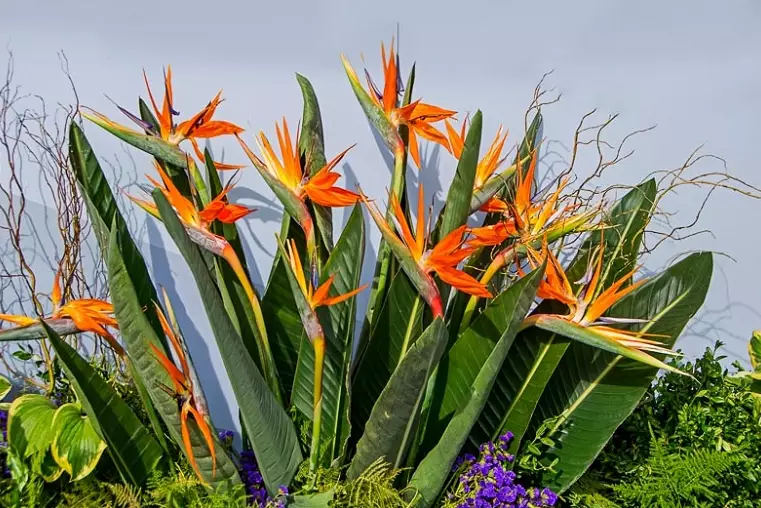
What they crave: A south or west-facing window is ideal. They need several hours of direct sunlight daily. The leaves will orient themselves towards the light source, so rotate the pot a quarter turn every time you water for even growth.
Here's a subtle mistake: people see the large leaves and think "low light forest plant." Wrong. Those big leaves are solar panels designed to capture intense sunlight. In insufficient light, growth stalls, leaves become floppy, and you'll never see a flower (on the reginae variety). The plant simply won't have the energy.
Can they adapt? Somewhat. A nicolai might tolerate bright indirect light, but it will grow much slower and the stems will stretch, making it look leggy. If you only have lower light, consider a different statement plant.
Watering: The Delicate Balance
Overwatering is the assassin, but underwatering causes chronic stress. The goal is to mimic a tropical downpour followed by a period where the roots can breathe.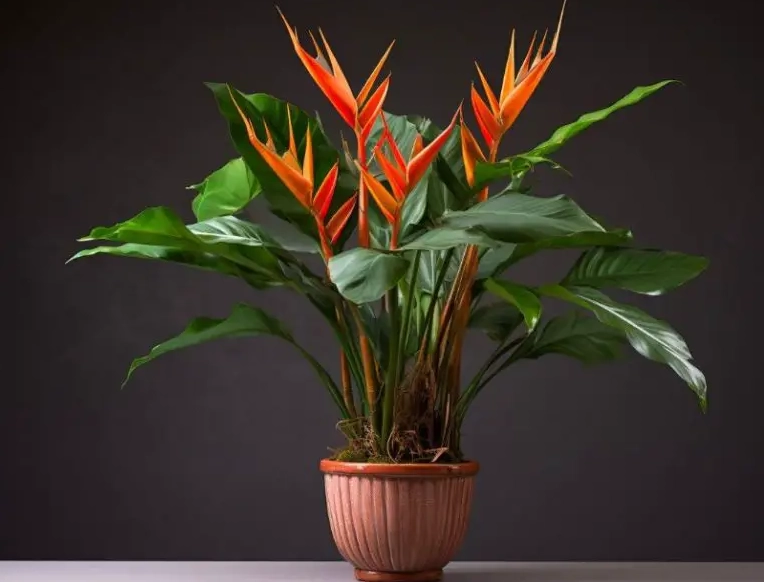
The Finger Test is Gospel. Before you even think about watering, stick your finger into the soil. You should feel complete dryness in the top 2-3 inches. For a large pot, this could be a knuckle-deep. If it's damp, wait.
In practice, this usually means:
- Spring/Summer: Every 7-10 days, depending on heat and light.
- Fall/Winter: Every 2-4 weeks. Growth slows, so water needs plummet.
When you do water, do it thoroughly. Take the plant to a sink or shower and soak the entire root ball until water runs freely from the drainage holes. Let it drain completely before putting it back in its decorative pot. Never let it sit in a saucer of water.
Soil & Fertilizer: Building a Strong Foundation
These plants need a soil that's both moisture-retentive and incredibly well-draining. A dense, peat-heavy mix will stay soggy and cause rot.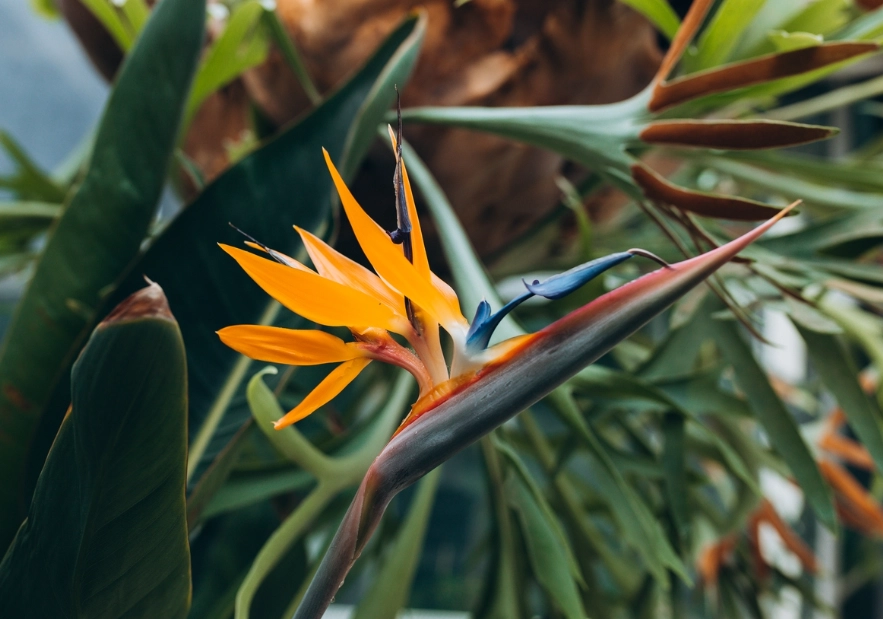
My go-to mix: 2 parts high-quality potting soil, 1 part perlite, 1 part orchid bark (or coconut coir chunks). The perlite and bark create essential air pockets. You can find a similar pre-mixed "aroid" or "tropical plant" soil at specialty nurseries.
Feeding for Growth
They are moderate feeders. During the active growing season (spring and summer), fertilize monthly with a balanced, water-soluble fertilizer (look for an NPK ratio like 10-10-10 or 20-20-20). Always dilute to half the strength recommended on the label. Full strength can cause fertilizer burn on the roots and leaf tips.
A common error is fertilizing in winter. Don't. The plant isn't actively growing and won't use the nutrients, which then build up in the soil and harm the roots.
Humidity & Temperature: Creating the Right Vibe
This is where the crispy leaf edges come from. Bird of paradise plants love humidity, ideally above 50%. Most homes sit around 30-40%.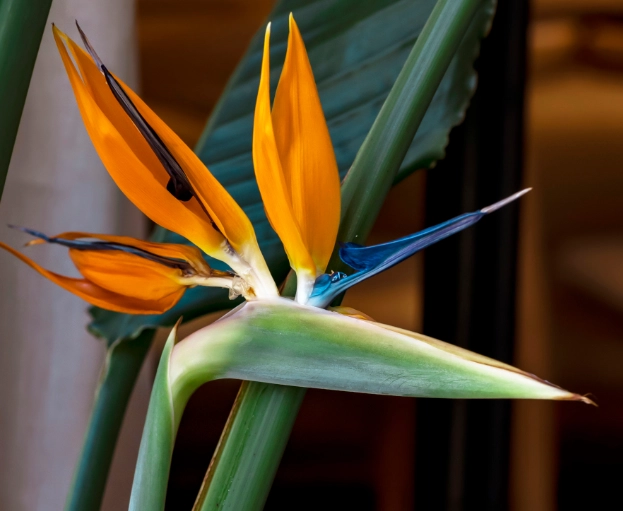
| Problem | Likely Cause | Quick Fix |
|---|---|---|
| Brown, crispy leaf edges | Low humidity | Group plants, use a pebble tray, or get a humidifier. |
| Leaves splitting along the sides | Natural in low humidity; can be exacerbated by physical damage. | Increase humidity. Don't stress—it's often normal. |
| Leaves curling inward | Underwatering or low humidity | Check soil moisture first, then address humidity. |
For temperature, keep them in a range of 65°F to 85°F (18°C to 29°C). They hate cold drafts from windows or doors in winter, and direct blasts from heating or air conditioning vents can dry them out quickly.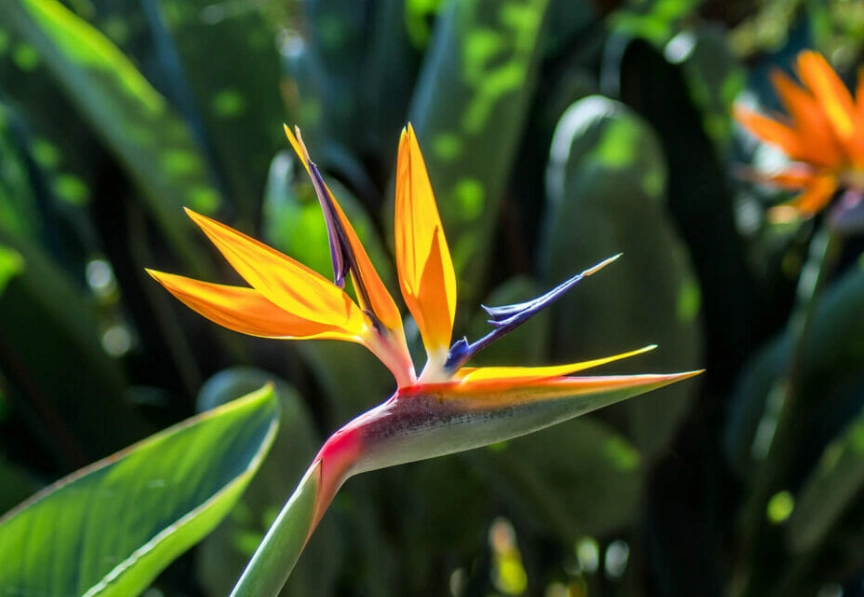
Pruning, Cleaning & Repotting
Pruning: Use clean, sharp shears. Only cut away leaves that are fully brown and dead, or stems that are damaged. Cut at the base of the stem, as close to the soil as possible. You can also remove smaller, older outer leaves to encourage the plant to push energy into new, central growth. Don't go overboard.
Cleaning: Those massive leaves collect dust, which blocks sunlight. Wipe them down every few weeks with a damp, soft cloth. It makes a huge difference in their ability to photosynthesize.
Repotting: They like to be slightly root-bound, which can encourage blooming in reginae. Repot every 2-3 years in spring, moving up only one pot size (2-4 inches larger in diameter). A pot that's too large holds too much wet soil. Ensure the new pot has excellent drainage holes.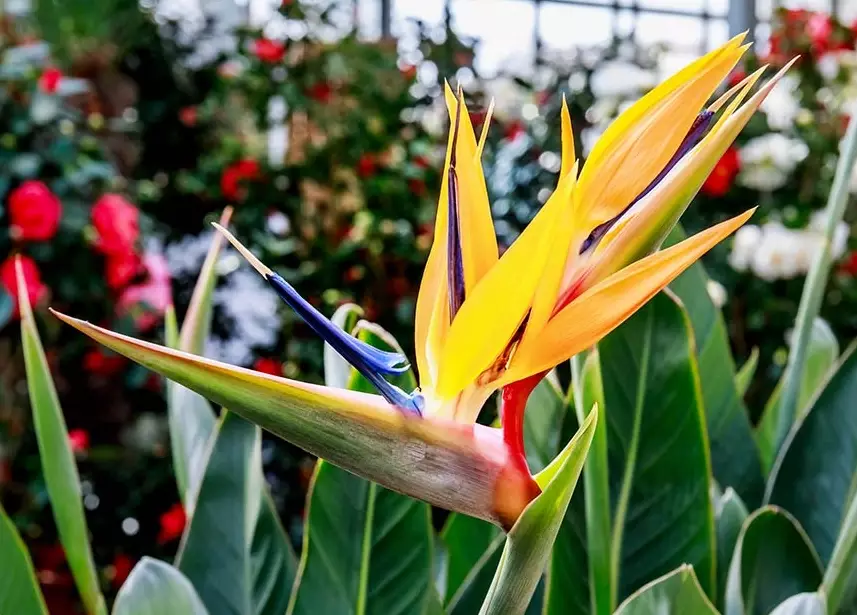
Troubleshooting Common Problems
Let's diagnose the issues you're probably seeing.
Yellowing Leaves: Bottom leaves turning yellow and dying off slowly is normal, part of the plant's renewal process. If multiple leaves, especially new ones, are yellowing, it's a problem. Uniform yellowing often points to overwatering. Yellowing between the veins can indicate a nutrient deficiency (try a fertilizer with magnesium).
Pests: They're relatively pest-resistant but can get spider mites in dry conditions (look for fine webbing and stippling on leaves) and mealybugs (white cottony masses). Isolate the plant immediately. For mites, a strong shower spray followed by regular applications of insecticidal soap or neem oil works. For mealybugs, dab them with a cotton swab dipped in rubbing alcohol.
No New Growth: Check light first, then temperature. If it's cold and dark, the plant is dormant. If it's spring/summer and there's no growth, it likely needs more light or a gentle feed.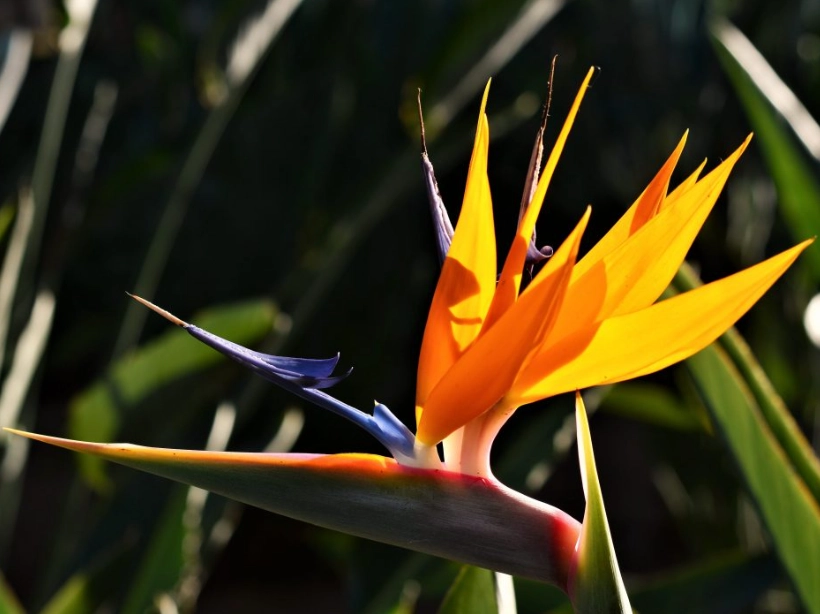
Your Bird of Paradise Questions, Answered
So there you have it. Bird of paradise care isn't about following a rigid calendar, but about observing and responding to the plant's needs. Give it the brightest light you can, water only when it's truly thirsty, and boost the humidity around it. Do those three things, and you'll be rewarded with a stunning, healthy plant that lives up to its jungle royalty reputation.
It took me losing my first plant to really understand that. Now, the one in my south-facing window is pushing out a new leaf every couple of months, each one bigger than the last. That's the real payoff.
Comments