Quick Guide
- Light: The Make-or-Break Factor for Growth and Flowers
- The Watering Conundrum: How to Not Love It to Death
- Soil and Potting: Giving the Roots a Good Home
- Temperature, Humidity, and Feeding
- The Big Question: How Do You Get a Kalanchoe to Bloom Again?
- Common Problems and Their Fixes
- Propagation: Making More Plants for Free
- Frequently Asked Questions (FAQs)
- Putting It All Together: A Seasonal Care Checklist
Let's be honest. You probably brought home a kalanchoe because it was sitting there in the grocery store, bursting with cheerful flowers, and it was just too pretty to pass up. I've done it too. Then you get it home, the blooms eventually fade, and you're left with a green succulent that just... sits there. You might wonder, "What now? How do I care for this thing?" That's where most people get stuck. The good news? Learning how to care for kalanchoe is way easier than you think. It's not some diva plant. In fact, it's one of the most forgiving succulents out there, once you know its few simple rules. This isn't a textbook lecture. It's the stuff I've learned from keeping these plants alive (and sometimes, sadly, learning from killing them) for years in my own home, away from their native Madagascar habitats.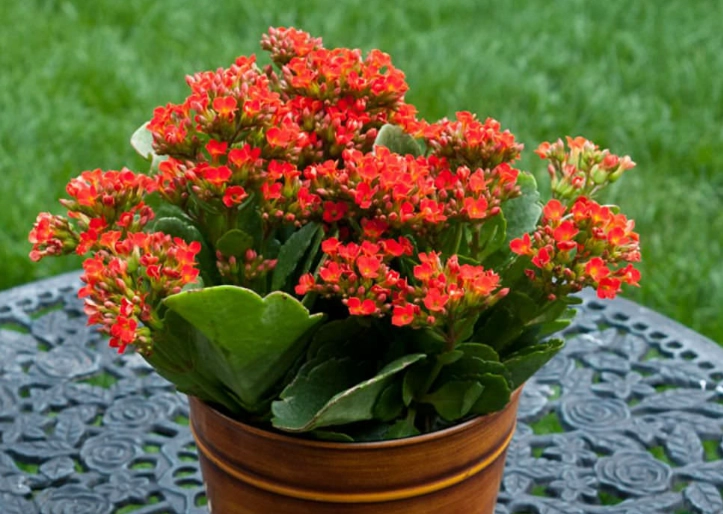
The core of kalanchoe care revolves around understanding its succulent nature. It stores water in its thick, fleshy leaves. Forget everything you know about watering your ferns or peace lilies. Overwatering is public enemy number one. The mantra for care for kalanchoe is simple: when in doubt, don't water. Let it dry out. It can handle drought far better than a flood.
Light: The Make-or-Break Factor for Growth and Flowers
This is the biggest thing people get wrong. That bright spot by your TV? Probably not bright enough. Kalanchoes are sun worshippers. They need a lot of light to stay compact, maintain their leaf color, and most importantly, to rebloom.
So, what does "bright, indirect light" actually mean? Think of a spot right next to a south or west-facing window, where the sun's rays don't directly scorch the leaves at noon. An east-facing window is often perfect—morning sun is gentle and beneficial. A north window? Usually a recipe for a leggy, stretched-out plant reaching for any light it can find. I made that mistake with my first one. It grew tall and spindly, with huge gaps between the leaves. Not a good look.
Pro Tip: If your kalanchoe's stems are getting long and the leaves are spaced far apart, it's etiolating—stretching for light. It's the plant's number one cry for help. Move it to a brighter location immediately.
Can it handle direct sun? Yes, but introduce it gradually. A sudden move from a store shelf to a blazing afternoon sun patio will sunburn the leaves, leaving ugly brown or white scorch marks. Acclimate it over a week or two.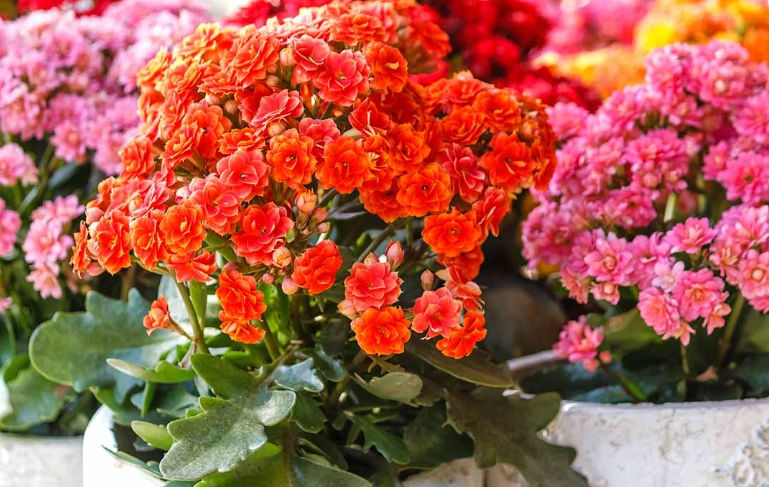
The Watering Conundrum: How to Not Love It to Death
If light is the most common mistake, watering is the deadliest (literally). Your approach to watering is the cornerstone of proper care for kalanchoe.
Here's my method, born from overwatering tragedies: I use the "soak and dry" method. I don't water on a schedule. Schedules are for buses, not plants. Instead, I check the soil.
- Check the Soil: Stick your finger about an inch or two into the potting mix. Is it completely dry? I mean, bone-dry. Not just dry on the surface.
- Soak It Thoroughly: If it's dry, take the plant to the sink. Water it slowly and evenly until you see water running freely out of the drainage holes at the bottom. This ensures the entire root ball gets moistened.
- Let It Drain Completely: This is non-negotiable. Never let the pot sit in a saucer full of water. Empty the saucer after 15-20 minutes. Root rot starts in soggy, airless soil.
- Wait Until It's Dry Again: Walk away. Forget about it. Don't water again until the soil is completely dry all over again.
Warning Sign: Soft, mushy, yellowing leaves at the base of the plant are a classic sign of overwatering. The leaves might just fall off at a touch. If you see this, stop watering immediately, check the roots for rot (black and mushy), and repot into dry, fresh soil if needed.
How often will this be? It depends. In hot, dry summers with lots of sun, it might be every 7-10 days. In cool, dark winters, it could be every 3-4 weeks, or even longer. The plant is semi-dormant then and uses very little water. This variation is normal and key to mastering care for kalanchoe.
Soil and Potting: Giving the Roots a Good Home
You can nail the light and water, but if your plant is sitting in the wrong soil, it's an uphill battle. Regular potting soil holds too much moisture and will compact around the roots.
Kalanchoes need a fast-draining, gritty mix. You have options:
- Buy a Pre-Made Mix: Look for a bag labeled "Cactus & Succulent Potting Mix." These are widely available.
- Make Your Own (My Preferred Method): This gives you more control. I mix 2 parts regular potting soil with 1 part perlite and 1 part coarse sand or poultry grit. The perlite and grit create air pockets and improve drainage dramatically.
The pot matters too. Always, always use a pot with drainage holes. Terracotta pots are excellent for beginners because they are porous and help wick away excess moisture from the soil, reducing the risk of overwatering. Plastic pots retain moisture longer, so you need to be even more careful with your watering frequency.
Temperature, Humidity, and Feeding
Temperature Preferences
Kalanchoes are happy with normal household temperatures, between 60°F and 85°F (15°C - 29°C). They don't like the cold. Anything below 50°F (10°C) can damage them, and frost is a death sentence. Keep them away from drafty windows in winter and away from blasting air conditioner vents in summer.
Humidity? Not a Concern.
One of the easiest parts of kalanchoe care is that they don't need high humidity. Average home humidity is perfectly fine. You don't need to mist them—in fact, misting can promote fungal diseases on the leaves.
Fertilizing: A Little Goes a Long Way
These aren't heavy feeders. During their main growing season (spring and summer), you can feed them once a month with a balanced, water-soluble fertilizer diluted to half the recommended strength. A fertilizer labeled 10-10-10 or 20-20-20 works well.
Do not fertilize in the fall and winter. The plant is resting, and fertilizing then can harm the roots and lead to weak growth.
The Big Question: How Do You Get a Kalanchoe to Bloom Again?
This is the holy grail of kalanchoe care. The secret isn't in a special fertilizer; it's in the light cycle. Kalanchoes are "short-day" plants, meaning they initiate flower buds when they experience long nights (at least 14 hours of uninterrupted darkness).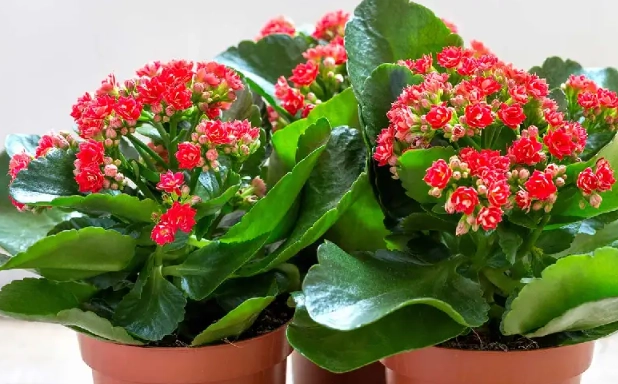
In our homes, with lamps and TVs on in the evening, we completely disrupt this cycle. That's why your store-bought plant, forced into bloom by nurseries, often becomes a foliage-only plant at home.
Here's how to trick it into blooming:
- Simulate Winter Days: For about 6 weeks, the plant needs 14-16 hours of complete, uninterrupted darkness every single night, followed by 8-10 hours of bright light during the day.
- The Closet Method: This is what I do. In early October, I pick a few of my favorite kalanchoes. Every evening at 6 PM, I put them in a dark closet or a cupboard. Every morning at 8 AM, I take them out and put them back in their sunny spot. No cheating—even a little light from a hallway at night can reset the clock.
- Patience: After 6-8 weeks of this routine, you should start to see tiny flower buds forming at the tips of the stems. Once the buds are clearly formed, you can stop the dark treatment and return the plant to its normal spot. The blooms will develop and open beautifully.
It takes commitment, but seeing those clusters of flowers appear is incredibly rewarding. It's the advanced level of care for kalanchoe enthusiasts.
Common Problems and Their Fixes
Even with the best care for kalanchoe, issues can pop up. Here’s a quick-reference table to diagnose and solve common problems.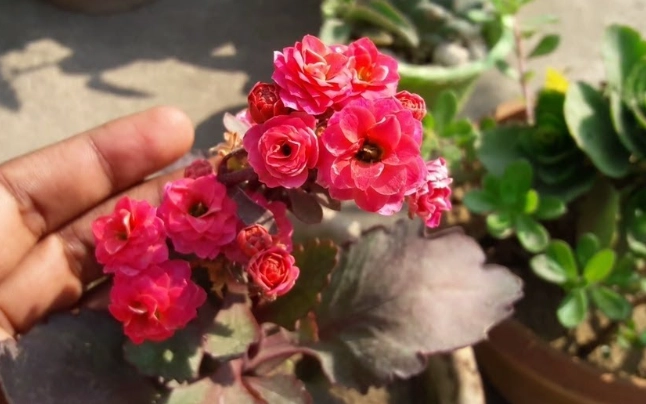
| Symptom | Likely Cause | How to Fix It |
|---|---|---|
| Soft, mushy, yellowing leaves | Overwatering / Root Rot | Stop watering immediately. Let soil dry out completely. Check roots, cut away any black/mushy parts, repot in dry, fresh succulent mix. |
| Dry, crispy brown leaves, especially at edges | Underwatering or low humidity | Give the plant a thorough soak. While humidity isn't critical, extremely dry air can cause this. Water more consistently. |
| Leggy growth, large gaps between leaves | Insufficient Light | Move to a much brighter location. You can prune back the leggy stems to encourage bushier growth. |
| Brown, scorched spots on leaves | Sunburn | Move to a location with bright, indirect light. Acclimate gradually to stronger sun. |
| White, cottony masses on stems/leaves | Mealybugs | Isolate plant. Dab bugs with a cotton swab dipped in rubbing alcohol. Repeat weekly. Check neighboring plants. |
| No flowers | Incorrect light cycle / Not enough light | Ensure plant gets enough bright light daily. To force blooms, provide 6+ weeks of long night/short day cycles. |
Propagation: Making More Plants for Free
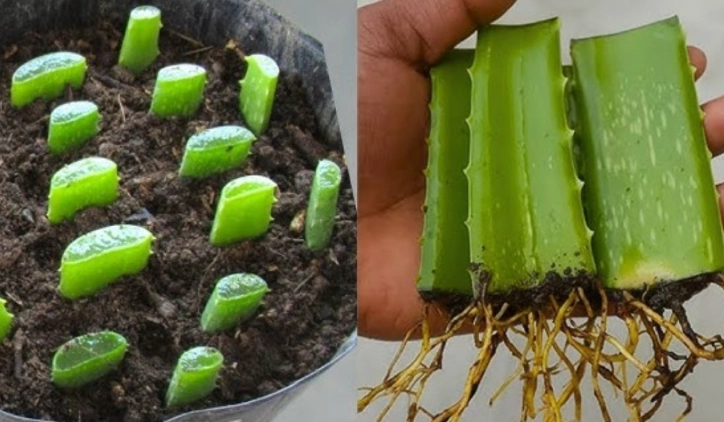
One of the joys of kalanchoe care is how easily they propagate. You can create new plants from stem cuttings or even from the tiny plantlets that some varieties (like the "Mother of Thousands") produce on their leaf edges.
Stem Cutting Method (Easiest):
- Use a clean, sharp knife or scissors to cut a healthy stem piece, about 3-4 inches long.
- Let the cut end dry out and form a callus for 1-3 days. This is crucial to prevent rot when planting.
- Plant the callused end in a small pot filled with moist succulent mix. Don't water it heavily at first.
- Place in bright, indirect light. In a few weeks, it should root and start new growth. Then treat it like a mature plant.
It's shockingly simple. I've given away dozens of baby kalanchoes to friends this way.
Frequently Asked Questions (FAQs)
Putting It All Together: A Seasonal Care Checklist
To make your care for kalanchoe routine foolproof, here’s a simple seasonal guide.
- Spring/Summer (Growth Season): Provide maximum bright light. Water using the "soak and dry" method. Fertilize monthly at half-strength. A great time to repot or take cuttings.
- Fall: Begin reducing watering as growth slows. Stop fertilizing. If you want blooms for the holidays, start the "long night" treatment in early October.
- Winter (Resting Season): Water very sparingly, only when soil is completely dry for a long time. Provide the brightest light possible from a window. Keep away from cold drafts. Hold off on fertilizing and repotting.
Caring for a kalanchoe is a lesson in restraint. It teaches you to observe rather than just do. It rewards patience—with lush growth, and with those spectacular, hard-earned blooms. Ditch the strict schedule, learn what "dry" really feels like, find that sunny spot, and you'll have a resilient, beautiful plant for years. It might even become the gateway to a whole collection of succulents. Mine was.
Comments