You bought an air plant because they told you it was the easiest plant alive. No soil, just hang it and forget it, right? Then you watched it slowly turn brown and crispy, or worse, rot into a mushy mess from the inside out. I killed my first one too. The truth is, air plants (Tillandsias) have very specific, non-negotiable needs that most quick guides gloss over. They're not hard, but they're not mindless. Let's fix that.
What’s Inside: Your Air Plant Care Roadmap
The One Watering Mistake That Kills 90% of Air Plants
Here's the big secret most people miss: Misting is almost never enough. Think about it. In their natural habitat (think tropical forests and arid deserts), they get drenched by rainstorms, then dry out completely in the breeze. A few spritzes from a spray bottle mimics morning dew, not a proper drink. The water just beads up and rolls off the leaves without being absorbed.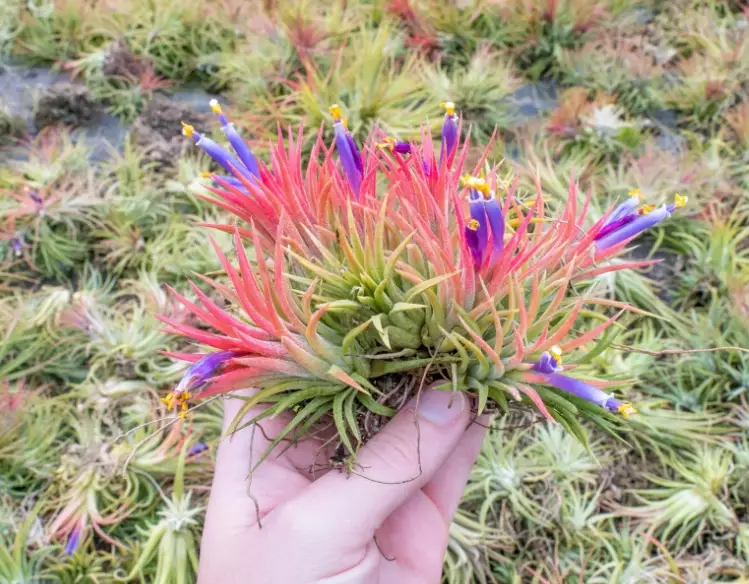
Your plant is thirsty at its core.
The gold standard is the soak method. Once a week, submerge your entire air plant in a bowl of room-temperature water. Use rainwater, filtered water, or pond water if you can. Tap water is okay in a pinch, but let it sit out overnight so the chlorine evaporates. Hard tap water can clog the leaf pores over time.
Frequency isn't fixed. It depends completely on your home's environment.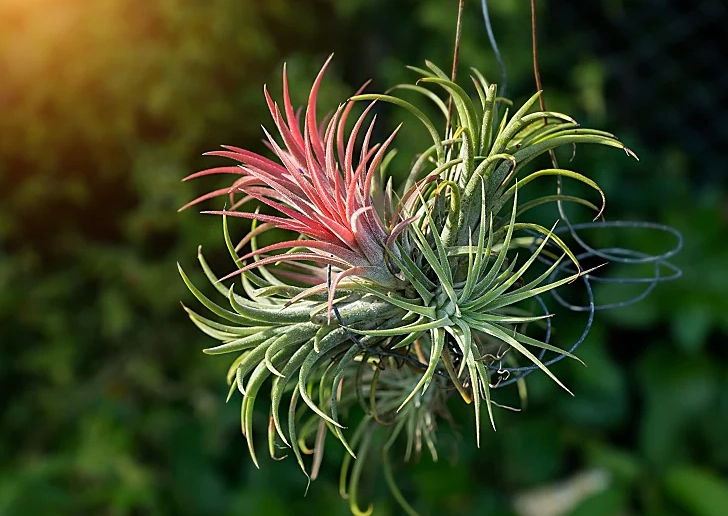
| Your Environment | Watering Schedule (Soak Method) | Signs to Adjust |
|---|---|---|
| Hot & Dry (Summer, heater on) | Every 5-7 days | Leaf tips turning brown and curling inward. |
| Cool & Humid (Winter, bathroom) | Every 10-14 days | Base feels soft or leaves look dull/grayish. |
| Air Conditioned Office | Every 7-10 days | General wrinkling or excessive leaf curl. |
I learned this the hard way. I had a beautiful Ionantha cluster on a west-facing windowsill in summer. I was soaking weekly, but the intense afternoon sun was baking it dry in two days. The leaves got papery and the tips burned. I had to move it back from the window and increase soaks to every 5 days. It bounced back, but it was a close call.
Finding the Perfect Light: It’s Not Where You Think
"Bright, indirect light" is the mantra, but what does that actually look like? These are not low-light plants. They need photons to fuel their growth. Indirect means no hot, direct sunbeams hitting them for hours, especially through glass which magnifies heat.
The ideal spot is within 3 feet of an east or north-facing window. A south or west window is fine if you use a sheer curtain as a buffer, or place the plant a few feet back from the sill.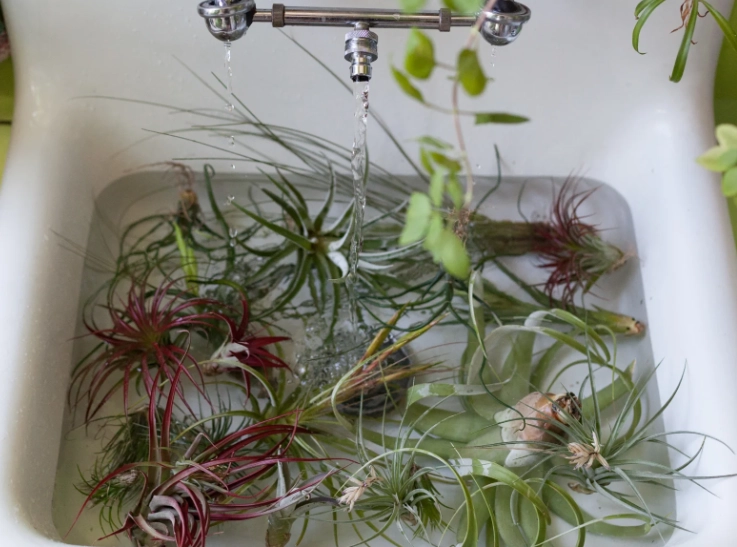
Signs you've got the light wrong:
- Too much light: Leaves turn a bleached, pale green or yellow, then develop crispy, sunburned brown patches. The plant looks "fried."
- Too little light: The plant loses its vibrant color, turning a darker, dull green. Growth slows or stops completely. The plant becomes limp and stretches out awkwardly, reaching for light.
Artificial light works great. A standard LED or fluorescent grow light placed 6-12 inches away for 10-12 hours a day is perfect for homes with poor natural light.
The Silent Killer: Why Air Circulation is Non-Negotiable
This is the factor nobody talks about until it's too late. Air plants need air. It's in the name. After watering, they must dry rapidly—within 4 hours. Stagnant, still air guarantees rot.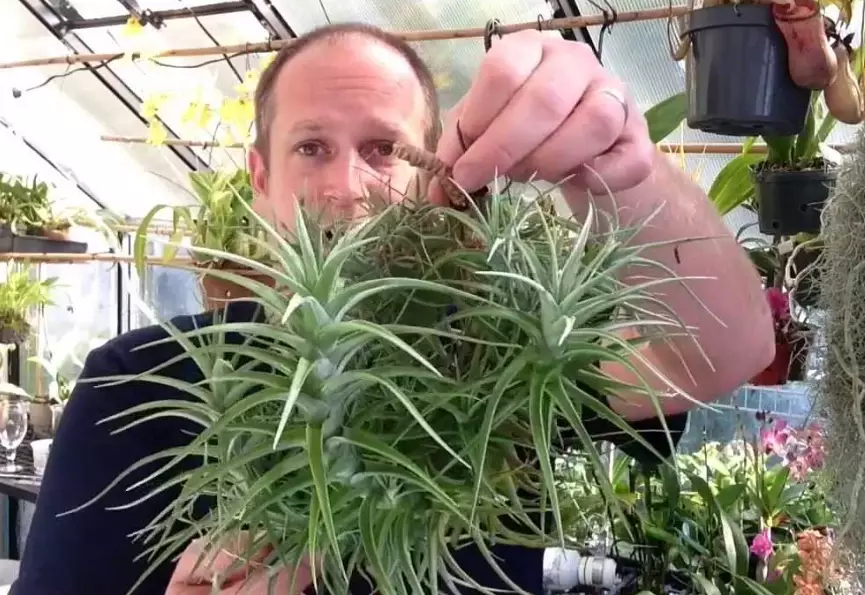
This is why those cute, fully-enclosed glass terrariums are death traps. They look great on Pinterest, but they create a humid, airless microclimate. If you must use one, keep the lid off permanently and treat it as an open display.
Good air circulation means a room with normal activity, a ceiling fan on low, or being near a vent (but not in the direct blast of hot or cold air). A bathroom with a fan and a window is actually a decent spot, provided it gets enough light.
To Feed or Not to Feed? A Simple Fertilizing Plan
Air plants can live without fertilizer, but they'll merely survive. To thrive, bloom, and produce pups (baby plants), they need nutrients. In the wild, they get minerals from dust, decaying insects, and bird droppings washed down by rain.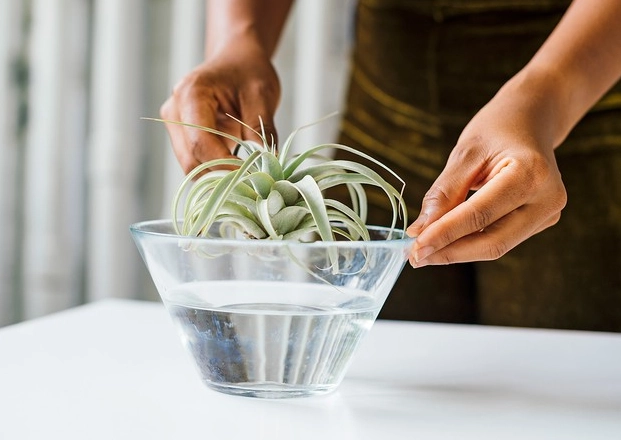
You don't need fancy formulas. Get a water-soluble fertilizer made for bromeliads or orchids. These are low in copper, which is toxic to Tillandsias. General-purpose plant food is often too strong.
My routine is simple: Once a month, I add fertilizer to the soaking water at ¼ the strength recommended on the bottle. That's it. Soak for the usual time. Fertilizing more often or at full strength can burn the leaves and cause tip burn, which looks suspiciously like underwatering.
Spring and summer are the main growing seasons. You can fertilize then and give it a rest in fall and winter.
Emergency Room: How to Revive a Dying Air Plant
Is it dead or just dormant? Here’s how to triage.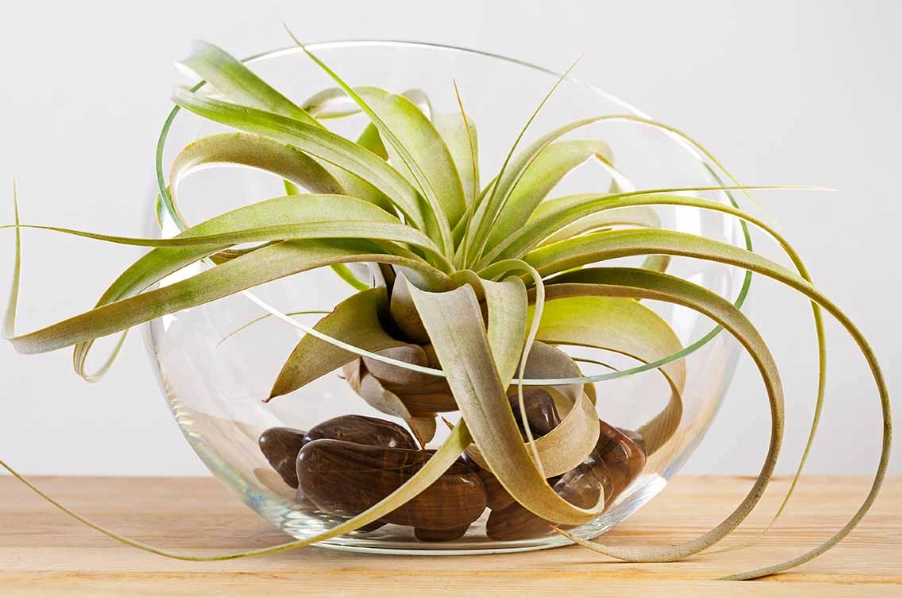
Signs of Severe Underwatering (Usually Salvageable): The plant is extremely lightweight, all leaves are tightly curled inward like a closed pinecone, and the tips are brown and crispy. The center might look dry and brown too, but it's not mushy.
The Rescue Soak: For a dehydrated plant, give it an extended soak. Submerge it for 4-12 hours, even overnight. Afterwards, dry it thoroughly as usual. You might see the leaves unfurl within a few hours. Repeat a normal soak in 3-4 days. It can take several cycles to rehydrate fully. Be patient—if the center is alive, it will recover.
If the very center (the newest growth) is brown and dry, but the outer leaves are green, the plant may still produce a pup from the base as a last effort. Don't throw it away immediately.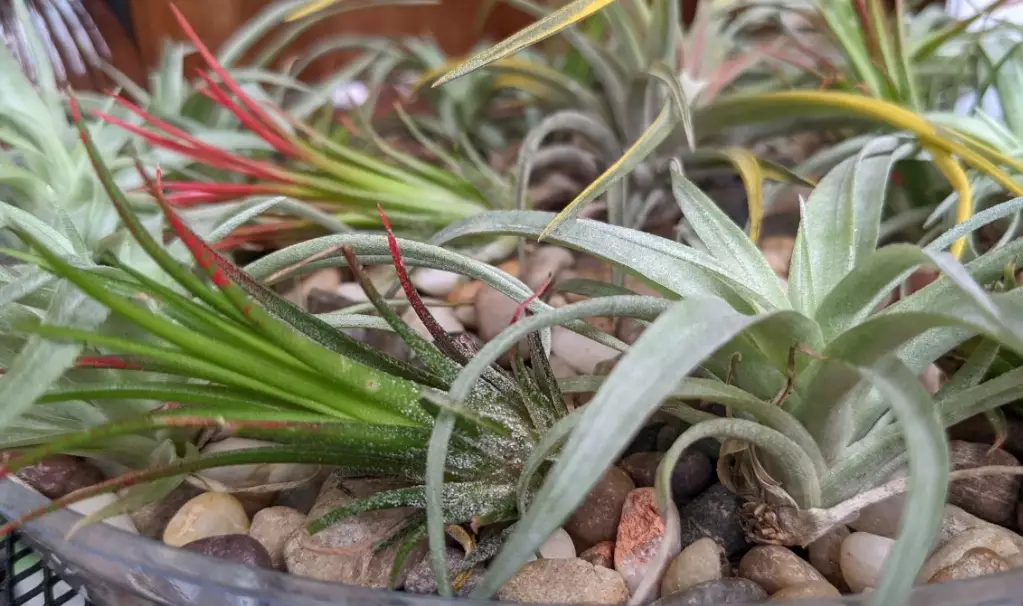
Your Top Air Plant Dilemmas, Solved
Air plant care boils down to mimicking a cycle: a deep, thorough drink followed by complete, rapid drying in bright airy light. Get that rhythm right, and these sculptural little wonders will not just live—they'll multiply and bloom for you. Forget the myths. Give them a real soak, some bright light, a breeze, and watch them thrive.


Comments