Let's cut to the chase. You're here because you've heard "cactus soil" and "good drainage" in the same sentence, and your money tree (Pachira aquatica) needs good drainage. So, cactus soil for money tree must be the perfect match, right? Wrong. It's one of the most common, well-intentioned mistakes I see. Using straight cactus mix is like putting your plant in concrete shoes—it might drain fast, but it'll starve and struggle. I learned this the hard way with my first money tree years ago. This guide will show you why that bag of cactus soil is a problem, what your money tree actually craves, and how to mix the perfect soil yourself in about five minutes.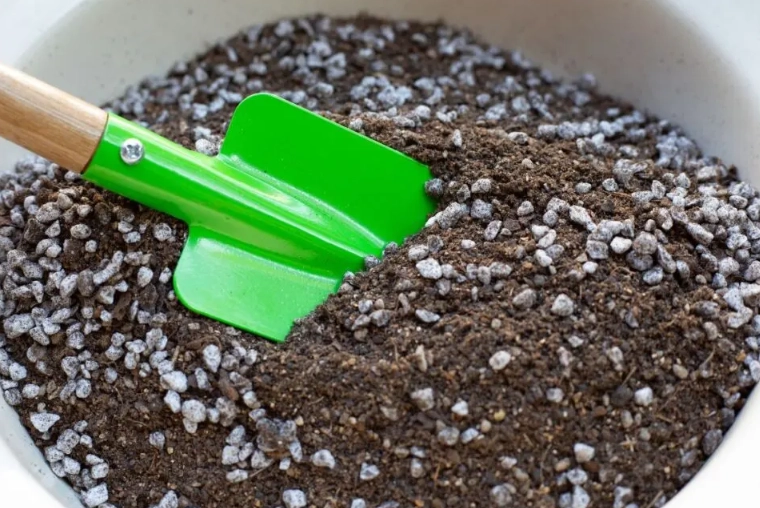
What You'll Find in This Guide
What a Money Tree Actually Wants (Hint: It's Not a Desert)
This is the key. People hear "don't overwater" and think "desert plant." Money trees are tropical. They're from Central and South American wetlands and floodplains. Think humid, warm, with frequent rain that soaks the ground but then drains away relatively quickly. Their roots need a mix of air and moisture—constant sogginess rots them, but bone-dry conditions stress them out.
The ideal soil mimics a forest floor. It's rich, slightly spongy, holds some moisture but never gets waterlogged. It has stuff in it that breaks down slowly to feed the plant. Pure cactus soil is the opposite of that forest floor.
Why Cactus Soil for Money Tree is Usually a Bad Idea
Standard cactus and succulent mix is designed for one thing: to dry out incredibly fast. Manufacturers achieve this by loading it with inorganic, non-absorbent materials like sand, perlite, and gravel. Organic matter (the stuff that holds nutrients and a bit of moisture) is kept very low.
Here’s what happens when you use it for a money tree:
- Nutrient Deficiency: There's almost nothing for the roots to eat. Money trees aren't heavy feeders, but they need something. Cactus soil offers next to nothing. Your plant will survive but not thrive, showing slow growth and pale leaves.
- Too Fast Drying: In a warm, dry home (which most of us have), cactus soil can turn to dust in days. The money tree's roots can't uptake water fast enough before the medium is bone dry, leading to underwatering stress, crispy leaf tips, and leaf drop.
- Poor Root Anchorage: The loose, gritty structure doesn't provide a stable anchor for a top-heavy plant like a money tree. It can make the plant wobbly in its pot.
- pH Can Be Off: Many cactus mixes are formulated to be more alkaline. Money trees prefer a slightly acidic to neutral pH. The wrong pH locks up nutrients, making them unavailable to the plant even if you fertilize.
The most common symptom I see? Someone repots their money tree into cactus soil, waters it, and then two days later the leaves are drooping and the soil is powder. They water again, thinking it's thirsty, and the cycle of stress begins.
The Perfect, Simple Money Tree Soil Recipe
You don't need a fancy, store-bought "money tree mix." You can make a superior one with three easy ingredients. The goal is moisture-retentive yet well-draining. Think of a wrung-out sponge.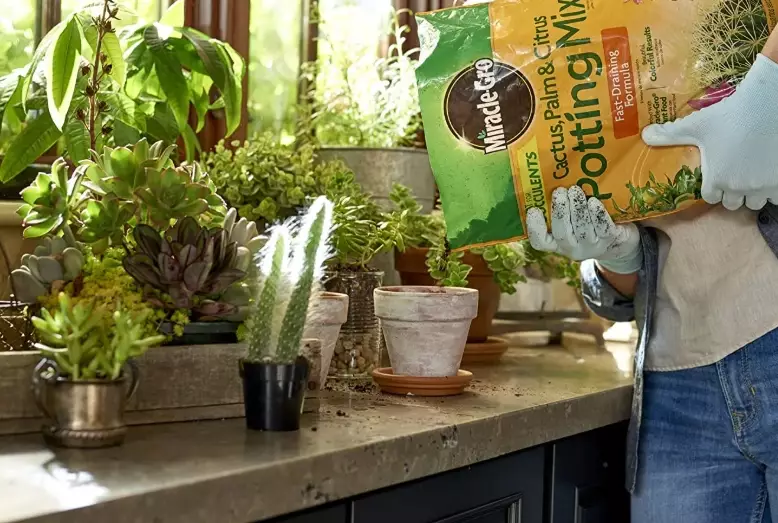
| Ingredient | Role in the Mix | Why It Works for Money Trees |
|---|---|---|
| All-Purpose Potting Mix (60%) | The base. Provides structure, some moisture retention, and slow-release nutrients. | Use a good quality mix. Avoid ones with added water-retention crystals or heavy, garden-style soil. |
| Perlite or Pumice (20%) | The aerator. Creates air pockets for roots and prevents compaction. | Perlite is cheap and available. Pumice is heavier and doesn't float to the top. Both are great. |
| Orchid Bark (Pine Bark Fines) (20%) | The drainage superstar. Chunky pieces create long-term structure and mimic forest debris. | This is the secret weapon. It keeps the mix open for years, preventing the soil from breaking down into mush. |
How to mix it: Dump the ingredients into a large bucket or bowl. Put on some music. Mix it with your hands or a trowel until it looks uniform. That's it. You now have a premium, well-draining soil that holds moisture and nutrients appropriately.
What About Pre-Mixed Soils?
If you must buy a bag, look for mixes labeled for tropical plants, monstera, or philodendron. Even then, I often add a handful of extra orchid bark to them. Avoid anything labeled just for cacti, succulents, or citrus unless you plan to amend it heavily.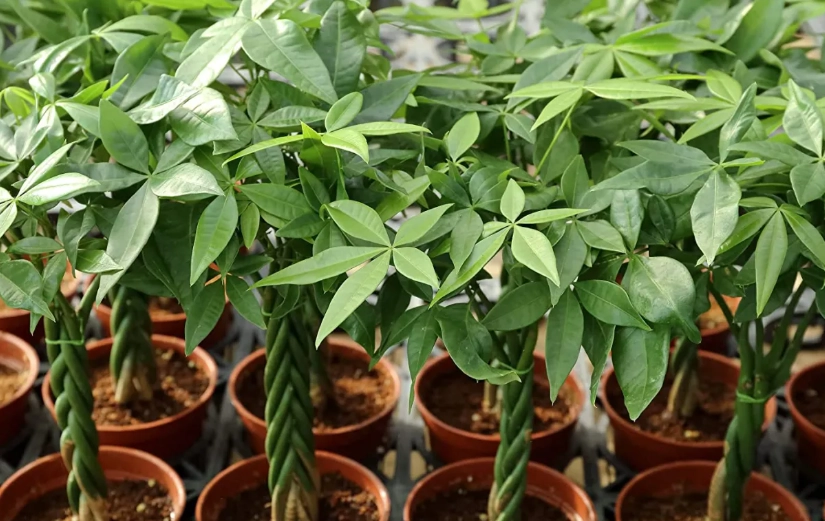
The Only Scenario Where a Cactus Mix *Might* Be Okay
There's one exception, and it's for the chronic overwaterer. You know who you are. You love your plants to death with water. If you cannot stop yourself from watering on a schedule, and your money tree is constantly sitting in wet soil, then using a very gritty, cactus-style mix as a last resort intervention can prevent root rot.
But understand: you are trading one problem (rot) for another (potential nutrient starvation and drying stress). You will need to be much more diligent with a weak, liquid fertilizer during the growing season. And you'll need to check moisture daily. It's a high-maintenance fix for a behavioral problem. The better solution is to learn to check the soil with your finger before watering.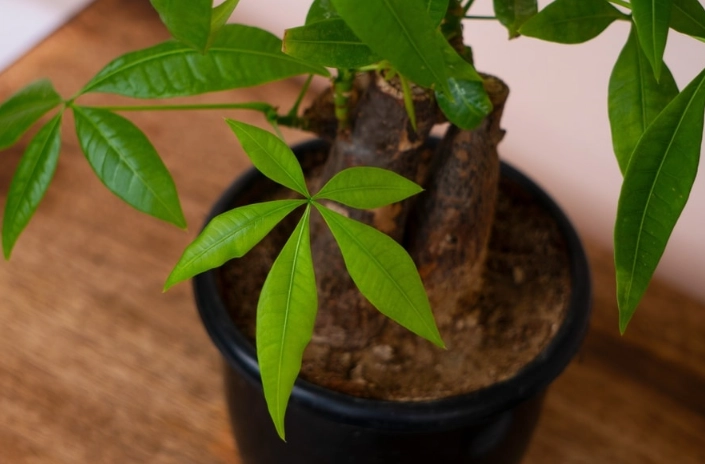
How to Fix Your Current Soil Situation
Already planted your money tree in cactus soil? Don't panic. Here's your action plan.
Scenario 1: The plant is healthy. No yellowing, good growth. You got lucky with your watering habits or environment. You don't need to emergency repot. Wait until the next natural repotting time (spring/summer). Then, gently shake off the old cactus mix and repot using the recipe above.
Scenario 2: Leaves are yellowing, drooping, or growth has stalled. It's likely suffering. Gently remove it from the pot. If the roots are white and firm, great. Shake off as much of the old cactus soil as possible without damaging roots. Repot immediately into the new mix. Water thoroughly to settle the soil.
Scenario 3: You suspect root rot (smelly soil, mushy stems). This is surgery. Unpot, wash the roots clean. Sterilize scissors and cut away all black, mushy roots. Repot in the fresh, airy mix described above. Water lightly and place in bright, indirect light. Cross your fingers.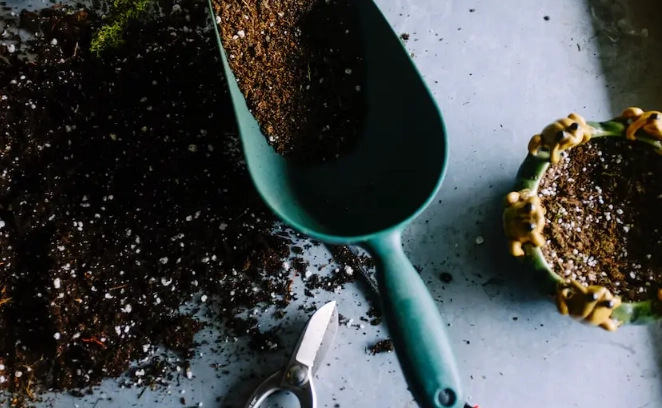
Your Top Money Tree Soil Questions Answered
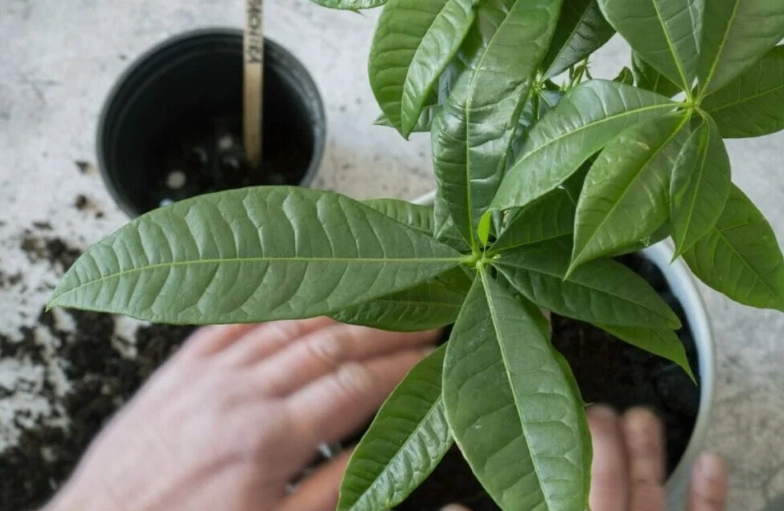
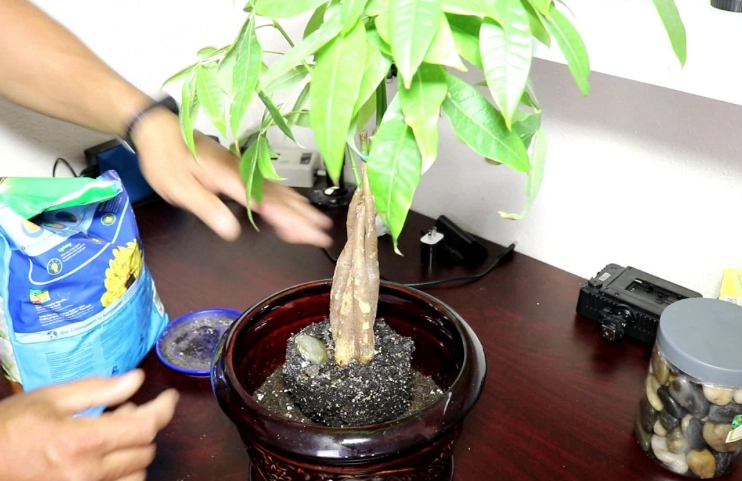
The bottom line is simple: treat your money tree like the tropical forest plant it is, not a cactus. Give it a rich, airy, sponge-like home for its roots, and it will reward you with growth that feels almost effortless. Ditch the bag of cactus soil and spend five minutes mixing something better. Your plant will notice the difference immediately.
Comments