Quick Navigation
- What Does an Airplane Plant Look Like?
- How to Care for Your Airplane Plant: The No-Stress Guide
- Propagating Your Airplane Plant: Making Free Plants
- Common Problems and How to Fix Them (The Troubleshooting Guide)
- The Secret Superpower: Air Purification
- Frequently Asked Questions (The Stuff You Actually Search For)
- Final Thoughts: Why This Plant Earns a Spot in Every Home
Okay, let's talk about the airplane plant. You've probably seen it a million times. Hanging in a macrame basket in a coffee shop, sitting on a desk in a dentist's office, or thriving (somehow) in the dim corner of a friend's apartment. Its real name is the spider plant, or Chlorophytum comosum if you want to get fancy, but that "airplane" nickname sticks because of the way its little plantlets dangle from long stems, like tiny green planes ready for takeoff.
I got my first one years ago from a coworker who was dividing hers. It was a sad-looking pup with a few roots. I stuck it in some old potting soil, gave it a drink, and basically forgot about it. That plant is now a monster, a cascading fountain of green and white stripes that has gifted me with dozens of its own babies. That's the magic of the airplane plant. It's forgiving, it's prolific, and it's got a quiet, unassuming charm that makes it a perfect starter plant or a reliable old friend for seasoned plant collectors.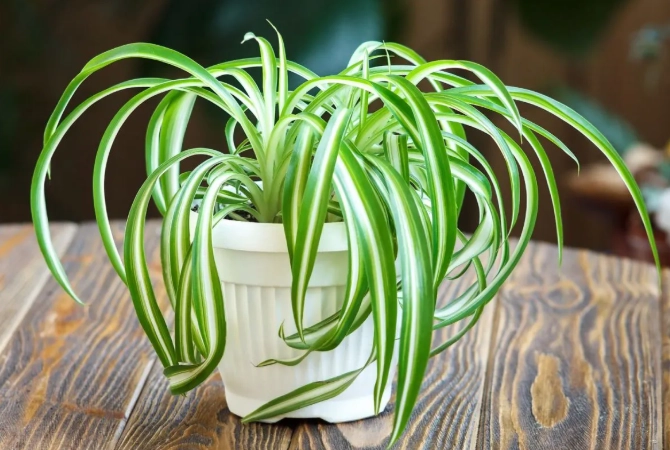
Why is it called an airplane plant? The most common story points to those arching stems (called stolons or runners) that shoot out from the mother plant. At the ends, little clones, or "plantlets," form. As they grow, they hang in mid-air, resembling a fleet of small, propeller-less airplanes. Some folks also think the long, arching leaves look like airplane wings. Either way, the name is way more fun to say than just "spider plant."
What Does an Airplane Plant Look Like?
Picture a dense clump of long, slender leaves. They arch gracefully outwards and downwards, creating a lovely, fountain-like shape. The most common variety you'll see is the Variegatum, with bright green leaves edged in crisp white. It's a classic for a reason—that pop of white really lights up a room. Then there's the Vittatum, which is basically the reverse: a central white stripe down a green leaf. It's a bit more subtle.
My personal favorite, though, is the less common all-green variety, sometimes called 'Solid Green' or Chlorophytum comosum 'Bonnie'. It lacks the variegation, which means it can tolerate slightly lower light. Its leaves are a richer, deeper green, and it has a lush, tropical feel. I find it grows faster, too.
And then there's the showstopper: Chlorophytum comosum 'Ocean'. This one has broader, stiffer leaves that are a gorgeous green with white edges, but they grow in a more compact, upright rosette before arching. It looks almost like a different plant altogether, but it has the same easy-going nature.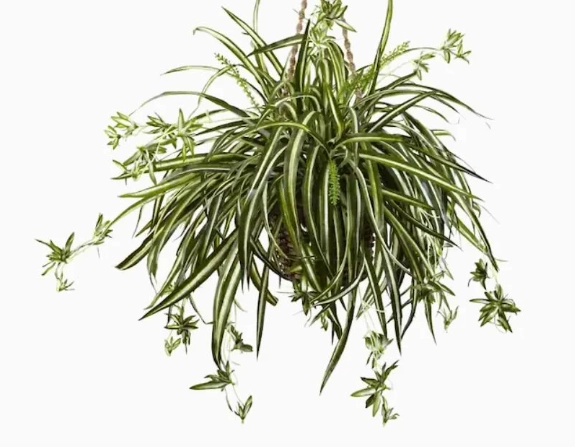
Popular Airplane Plant Varieties at a Glance
| Variety Name | Key Features | Best For | My Notes |
|---|---|---|---|
| Variegatum | Green leaves with white margins. The classic. | Bright, indirect light. Hanging baskets. | Super common, super reliable. The white can brown if stressed. |
| Vittatum | Green leaves with a central white stripe. | Medium to bright indirect light. | A cleaner, more modern look. The stripe is less prone to browning. |
| 'Solid Green' (Bonnie) | All-green, slightly curlier leaves. | Lower light tolerance. Faster growth. | My workhorse. It's the one that never complains. Looks amazing in mass plantings. |
| 'Ocean' | Broad, stiff leaves in an upright rosette. White edges. | Container gardens, tabletop displays. | Less likely to send out runners quickly. Has a more architectural, modern vibe. |
| 'Reverse Variegatum' | White leaves with thin green edges. Striking! | Bright, indirect light ONLY. Slower growth. | High-maintenance for a spider plant. Needs perfect light to avoid all-white leaves that can't photosynthesize. |
See? There's more to this plant than just the basic one from the grocery store.
How to Care for Your Airplane Plant: The No-Stress Guide
This is where the airplane plant earns its legendary status. You can follow these rules, or you can wing it a bit, and it will probably still be fine. But if you want it to truly thrive and pump out those adorable baby airplanes, here's what it likes.
Light: Bright but Not Blinding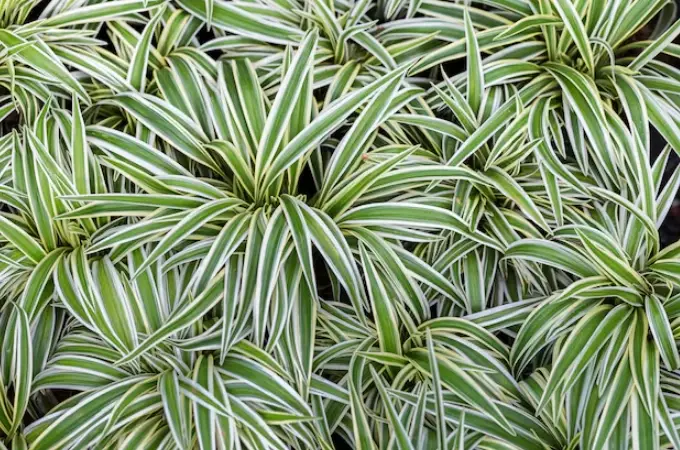
Think of the light under a tree canopy. Dappled sunlight. That's the sweet spot. A north or east-facing window is perfect. A south or west window is okay too, but pull it back a few feet from the glass or use a sheer curtain. The variegated types NEED this bright, indirect light to keep their stripes crisp. The all-green type can handle lower light, like a north-facing room, but it will grow slower.
Watch out for sunburn! If you see bleached, pale, or crispy brown patches on the leaves, especially the white parts, it's getting too much direct sun. Move it back immediately. Conversely, if the variegation starts to fade to all green, it's begging for more light.
Watering: The Biggest Killer (Usually by Love)
This is the only way I've ever managed to harm an airplane plant. Overwatering. They have thick, tuberous roots that store water. They'd rather be a bit dry than constantly soggy.
My method? I stick my finger in the soil. If the top 1-2 inches feel completely dry, I water it thoroughly until water runs out the drainage hole. Then I let it drain completely and don't water again until it's dry. In the summer, that might be once a week. In the winter, in a cool room, it might be every three weeks. The plant will tell you—if the leaves start to look pale and limp, it's thirsty. If they develop black, mushy bases, you've gone too far.
Seriously, neglect is better than over-attention here.
Soil and Potting: Keep It Loose and Draining
Airplane plants aren't picky, but they hate wet feet. A standard, well-draining potting mix is perfect. You can make your own by mixing two parts regular potting soil with one part perlite or coarse sand. The key is drainage.
And the pot MUST have a drainage hole. Non-negotiable. I've seen them survive in those cute pots without holes, but it's a constant balancing act and a surefire way to eventually get root rot. They also like to be slightly root-bound, so don't rush to repot. Only go up one pot size (1-2 inches wider) when the roots are seriously crammed or popping out the bottom.
Temperature and Humidity: Basically, Your House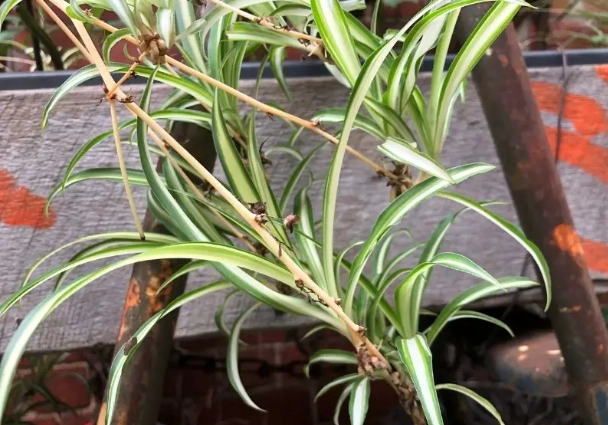
Average room temperatures between 60-80°F (15-27°C) are ideal. They can handle a dip down to 50°F (10°C) but don't like drafts from cold windows or hot air vents. As for humidity, average household humidity (around 40-50%) is just fine. They don't need a humidifier like some diva plants do. Brown leaf tips, a common complaint, are more often from fluoride/chlorine in tap water or inconsistent watering than low humidity.
Feeding: A Light Snack, Not a Feast
During the main growing season (spring and summer), you can feed your airplane plant once a month with a balanced, water-soluble fertilizer diluted to half strength. I use a generic 10-10-10. In fall and winter, stop feeding. Over-fertilizing leads to weak growth and can burn the roots. If you repot annually with fresh soil, you might not need to fertilize at all that year—the new soil has nutrients.
Pro Tip for Leaf Tip Burn: If you keep getting brown tips despite good care, try switching to distilled water, rainwater, or just leave your tap water out in an open container for 24 hours before watering. This lets some of the chemicals evaporate. It made a huge difference for my oldest plant.
Propagating Your Airplane Plant: Making Free Plants
This is the most fun part. Once your plant is happy and mature, it will send out those iconic runners with little plantlets. You now have two foolproof options to create new plants.
Method 1: The Water Glass Method (My Favorite for Watching Roots Grow)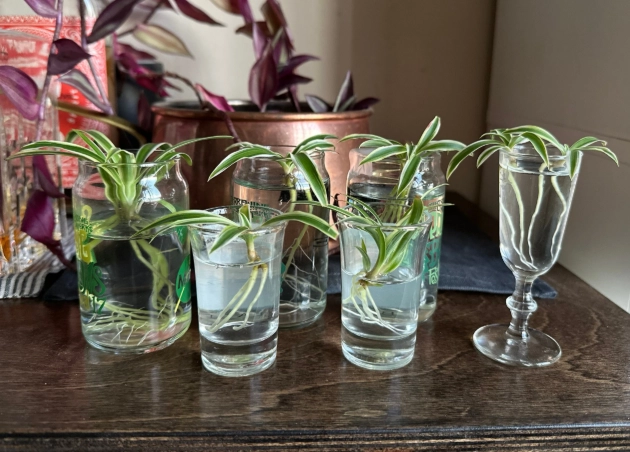
- Select a healthy-looking plantlet that has started to form little nubs at its base (those are pre-roots).
- Snip the stem connecting it to the mother plant, leaving a few inches of stem on the baby.
- Place the plantlet in a small glass or jar of water, making sure only the base is submerged. Leave the leaves dry.
- Put it in bright, indirect light. Change the water every few days.
- In 1-2 weeks, you'll see a network of white roots developing. Wait until they're an inch or two long.
- Pot it up in a small container with moist potting mix. Keep the soil slightly moist (not wet) for the first week as it adjusts to soil life.
Method 2: The Soil Starter Pot Method (The Natural Way)
- While the plantlet is still attached to the mother plant, place a small pot filled with moist potting mix next to the main plant.
- Pin or weigh the plantlet down onto the soil in the new pot. You can use a bent paperclip or a small rock.
- Keep this soil lightly moist. The plantlet will root directly into it while still being nourished by the mother.
- After 3-4 weeks, gently tug on the plantlet. If you feel resistance, it has rooted. Snip the connecting runner.
- You now have a fully independent, already established plant. This method has a near-100% success rate.
I've given away dozens of airplane plants propagated this way. It's the gift that keeps on giving.
Common Problems and How to Fix Them (The Troubleshooting Guide)
Even the easy ones have their off days. Here's a quick decoder for what your airplane plant is trying to tell you.
Why are the leaf tips brown and crispy?
This is the #1 question. It's rarely fatal. Causes: 1) Chemicals (fluoride/chlorine) in tap water. 2) Underwatering—letting it get bone dry too often. 3) Low humidity (less common). 4) Salt buildup from fertilizer. Solution: Switch water sources, water more consistently, flush the soil occasionally by watering thoroughly until water runs out the bottom.
Why are the leaves pale, limp, and lifeless?
It's thirsty. Give it a good drink. It should perk up within hours. If the soil is already wet and the leaves are limp, you might have root rot from overwatering—check the roots.
Why is my variegated airplane plant turning all green?
It's not getting enough light. The plant is compensating by producing more chlorophyll (the green stuff) to survive. Move it to a brighter spot, and new growth should come in with the proper variegation.
Why are there no babies (plantlets)?
Your plant is either too young, not getting enough light, or too happy in a huge pot. Being slightly root-bound and receiving adequate light encourages flowering and runner production. Patience is also key—they often do this more in their second or third year.
What are these tiny white bugs/webbing?
Likely spider mites (ironic, right?). They love dry, dusty conditions. Isolate the plant. Wipe leaves with a damp cloth, then spray thoroughly with insecticidal soap or neem oil, getting under the leaves. Repeat weekly. Increasing humidity can help prevent them.
The Secret Superpower: Air Purification
This isn't just plant-people hype. The airplane plant has serious science cred. It was a standout in NASA's famous Clean Air Study back in the late '80s. Researchers were looking for ways to improve indoor air quality in space stations, and they tested common houseplants.
The spider plant (Chlorophytum comosum) was found to be highly effective at removing common household volatile organic compounds (VOCs) like formaldehyde, xylene, and carbon monoxide from the air. It's a photosynthetic workhorse. While you'd need a lot of plants to match the air exchange of a mechanical filter, having a few around certainly contributes to a healthier indoor environment. It's a plant that looks good and does good.
I keep one in my home office for this reason. Is it a placebo effect? Maybe. But I like the idea of it quietly scrubbing away at computer and furniture off-gassing while I work.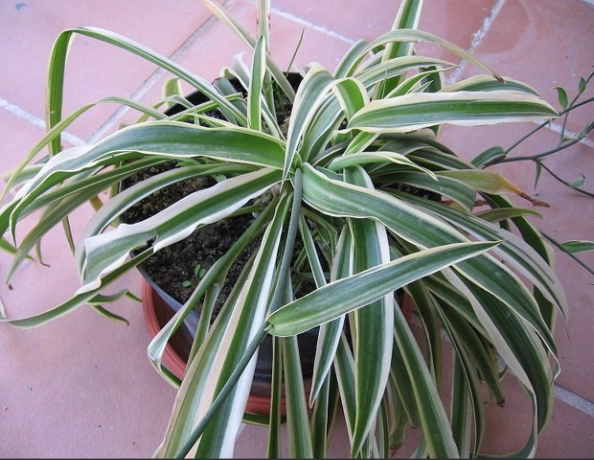
Frequently Asked Questions (The Stuff You Actually Search For)
Final Thoughts: Why This Plant Earns a Spot in Every Home
Look, the world of houseplants can be intimidating. There are plants that need humidifiers, grow lights, and perfectly calibrated soil pH. The airplane plant is the antithesis of all that. It's resilient, adaptable, and generous. It's a plant that builds your confidence.
It teaches you the basics of observation—reading its leaves for water needs, understanding how light affects growth and color. And then it rewards you with a spectacular display of aerial propagation, offering you literal gifts to share with others.
Whether you call it a spider plant or stick with the more whimsical airplane plant, Chlorophytum comosum is a timeless classic for a reason. It's beautiful in its simplicity, tough as nails, and quietly works to make your air cleaner. You can't ask for much more from a humble houseplant. Stick it in a pot with a drainage hole, don't drown it, give it some decent light, and it will be your lush, green companion for years, constantly launching its next generation of tiny green airplanes.
Now go find one. Or better yet, ask around. Someone you know is probably looking to offload a few of its babies.

Comments