You look at your lush, happy peace lily sitting on the coffee table, then glance out the window at your patio or garden. A thought pops into your head: "Wouldn't it look amazing out there? Can peace lilies even be outside?" It's a common question, and the short answer isn't a simple yes or no. It's a "yes, but..." that depends entirely on where you live and how you do it. I've moved dozens of peace lilies outdoors over the years—some thrived and bloomed like never before, others gave me a harsh lesson in microclimates. Let's cut through the generic advice and talk about what really works.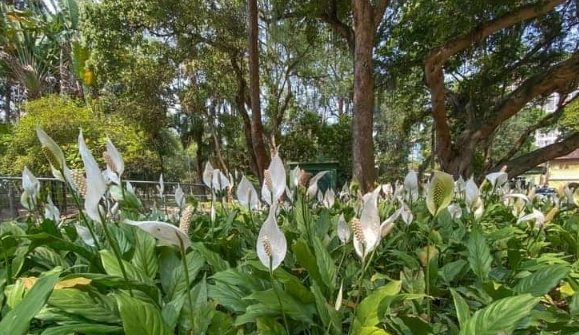
What's in This Guide?
The Big "If": Your Climate is Everything
Forget the plant tag that says "tropical." The real key is hardiness zone. Peace lilies (Spathiphyllum) are native to the rainforests of Central and South America. That means warmth, humidity, and zero frost. Their comfort zone is USDA plant hardiness zones 10b through 12. If you're in Miami, southern Florida, or coastal Southern California, you're golden. Your peace lily can potentially live outside year-round.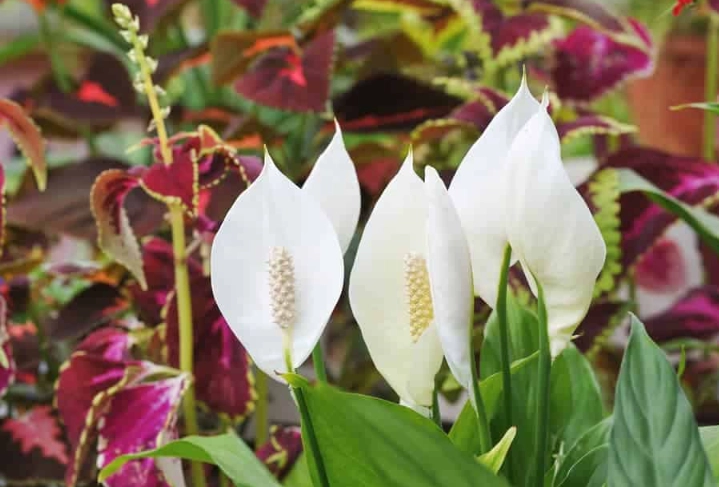
For the rest of us in zones 3-9, it's a summer vacation situation only. The moment nighttime temperatures dip toward 50°F (10°C), the plant gets stressed. A single frost will turn those beautiful leaves to black, mushy pulp overnight. I learned this the hard way with an early autumn cold snap I thought we'd avoid.
Quick Check: Don't know your zone? A quick search for "USDA hardiness zone map" and your zip code will tell you. This is the single most important piece of information for this entire endeavor.
Finding the Perfect Outdoor Spot (It's Not Where You Think)
Most people kill their outdoor peace lily with kindness, specifically with too much sun. On a patio table in direct afternoon sun, the leaves will scorch, turn yellow, and crisp up in days. Remember, in the wild, they live on the forest floor under a canopy.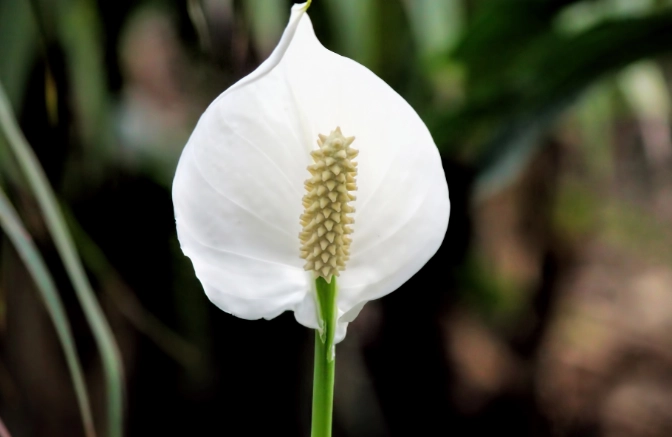
The ideal spot is one of these:
- Deep Shade: Under a dense tree, on a north-facing porch, or in the shadow of a wall. No direct sun beams hit it at all.
- Dappled/Filtered Shade: Under a tree with light foliage where sunlight speckles through. This is often perfect.
- Morning-Only Sun: An east-facing location that gets gentle morning sun for an hour or two, then shade for the rest of the day. This can sometimes encourage more blooms.
Wind is the other silent killer. A breezy balcony can dehydrate leaves faster than the roots can drink. Choose a sheltered location.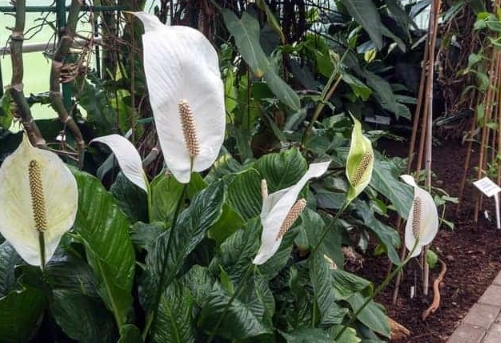
Soil, Pots, and the Watering Game Change
Outdoors, conditions are less controlled. Your potting mix needs to be well-draining but moisture-retentive. A standard indoor mix might dry out too fast. I often add a bit more coconut coir or peat to my mix for outdoor peace lilies.
Watering becomes a tactile job. Stick your finger in the soil. If the top inch is dry, water thoroughly until it runs out the bottom. Rain is a bonus, but don't rely on it—especially if your plant is under an eave. And overwatering is still a risk if the pot sits in a saucer full of water after a downpour.
The Critical Transition: Moving Your Plant Outside Safely
This is where most failures happen. You can't just plop your indoor-acclimated plant into the great outdoors. It will go into shock. The process is called hardening off, and it takes 7-10 days.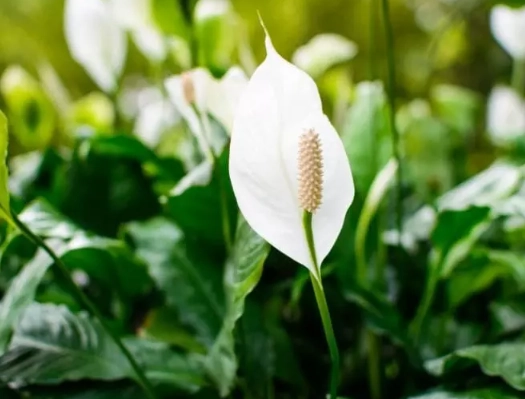
Here's my method, refined after a few scorched leaves:
- Days 1-3: Place the plant in its chosen full-time shady spot for just 2-3 hours in the late afternoon (the sun is milder). Bring it back inside.
- Days 4-6: Leave it out for 5-6 hours, again during the milder parts of the day. Still bringing it in at night.
- Days 7-10: Let it stay out overnight, but only if nighttime temps are steadily above 55°F. You're now monitoring for any signs of stress (leaf curl, yellowing).
- Day 11+: If all looks good, it can stay out permanently for the season.
Skip this step at your plant's peril. I've seen more peace lilies damaged by sun shock in one weekend than by a whole season of careful care.
Season-by-Season Outdoor Care Guide
Once settled, your peace lily's needs shift with the seasons. This table breaks it down: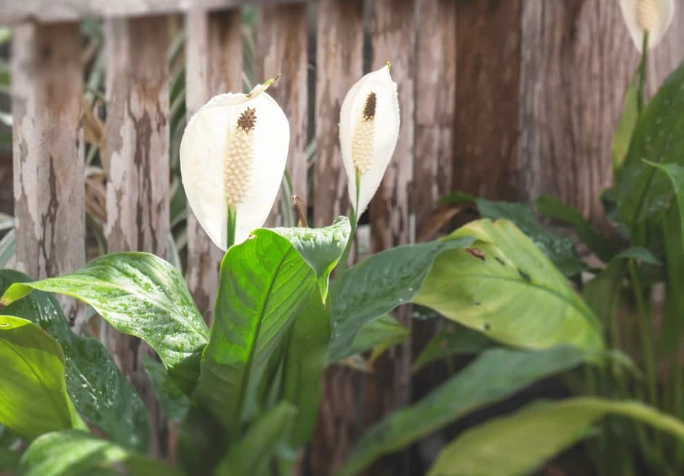
| Season | Key Focus | Watering | Feeding | Watch Out For |
|---|---|---|---|---|
| Late Spring / Early Summer | Acclimation & establishing | Moderate, check soil frequently as temps rise. | Begin half-strength balanced liquid fertilizer monthly. | Late frosts, sudden heat waves. |
| Peak Summer | Managing heat & humidity | May need water every 2-3 days. Misting leaves in dry heat helps. | Continue monthly feeding to support potential blooms. | Scorching sun if canopy thins, pests like aphids. |
| Early Autumn | Preparing for move indoors | Reduce frequency as growth slows and temps drop. | Stop fertilizing 6-8 weeks before planned move indoors. | Nighttime temperature drops below 50°F (10°C). |
The Winter Question: Bringing Them Back In
This is the trickiest part. You must bring the plant in before nighttime temps hit that 50°F threshold. But now you're bringing in a plant that may have picked up hitchhikers.
First, inspect for pests. Look under leaves, along stems. Common ones are aphids, mealybugs, or spider mites. A strong blast from the hose can dislodge many. I then treat with an insecticidal soap spray as a precaution, following the product label.
Second, quarantine. Do not place this plant right back next to your other indoor plants. Keep it in a separate room for 2-3 weeks to ensure no pest outbreak occurs.
The plant may go through an adjustment period, dropping a few leaves as it re-acclimates to lower light and humidity indoors. This is normal. Resume indoor care routines.
Your Peace Lily Outdoor Questions Answered
So, can peace lilies be outside? Absolutely—as summer guests in most places, or year-round residents in the warmest corners. The success hinges on respecting their tropical origins: keep them warm, keep them shaded, and transition them gently. Get those factors right, and you might just see your peace lily thrive in a way it never did indoors.

Comments