What You'll Find in This Guide
I killed my first aloe vera plant. It's true—I overwatered it, put it in a dark corner, and wondered why it turned into a mushy mess. That was years ago, and since then, I've grown dozens of aloe plants, learning from every mistake. Growing aloe vera isn't rocket science, but there are subtle tricks most guides skip. Let's cut through the noise and get your plant thriving.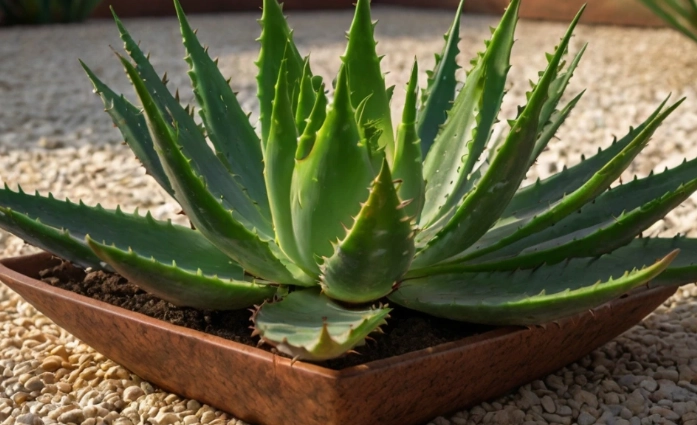
Why Bother with Aloe Vera?
Aloe vera is more than a trendy succulent. It's a low-maintenance plant that purifies air, offers medicinal gel for burns, and adds greenery to any space. According to NASA's Clean Air Study, aloe vera can help remove formaldehyde from indoor air. But here's the thing: many people buy it for the gel, then neglect the plant. If you want those benefits, you need to keep it alive first.
My neighbor, Sarah, got an aloe vera for its healing properties. She used the gel once, then let the plant sit in a soggy pot. It died within months. The lesson? Aloe vera care is simple, but it demands attention to a few key details.
Getting Started: The Non-Negotiables
Before you even touch a plant, gather these essentials. Skipping any can lead to failure.
The Right Pot: Drainage is King
Forget decorative pots without holes. Aloe vera hates wet feet. I use terracotta pots because they're porous and help soil dry out faster. Plastic pots can work, but you must be extra careful with watering. Size matters too—a pot that's 1-2 inches wider than the root ball is ideal. Too big, and soil stays wet too long.
Soil Mix: Don't Use Regular Potting Soil
This is a common mistake. Regular potting soil retains too much moisture. Aloe vera needs a well-draining mix. I make my own: 2 parts cactus or succulent soil (like from Miracle-Gro), 1 part perlite, and 1 part coarse sand. If you're lazy, buy a pre-made succulent mix, but check it's gritty. A study by the University of Florida highlights the importance of drainage for succulent health.
Pro tip: Add a layer of small rocks at the bottom of the pot? It's debated. Some experts say it doesn't improve drainage much and can create a perched water table. I skip it and focus on the soil mix instead.
Light: The Sunshine Factor
Aloe vera loves bright, indirect light. A south-facing window is perfect. But if you only have low light, consider grow lights. I've seen plants stretch out and turn pale in dim corners—a sign they're not getting enough light.
Planting Aloe Vera: A Step-by-Step Walkthrough
Let's say you bought a small aloe vera from a nursery. Here's how to pot it without stress.
- Inspect the plant: Check for pests or rot. Gently remove it from its nursery pot.
- Loosen the roots: If roots are tightly wound, tease them apart slightly. Don't go crazy—just enough to encourage growth.
- Add soil to the new pot: Fill about one-third with your well-draining mix.
- Position the plant: Place the aloe in the center, so the base is just below the pot's rim.
- Fill in with soil: Add more mix around the roots, pressing lightly to eliminate air pockets. Leave about half an inch space at the top for watering.
- Wait to water: This is crucial. Don't water immediately after repotting. Wait 5-7 days to let any root damage heal and prevent rot.
I learned the hard way about watering too soon. My plant developed root rot within weeks. Now, I always let it settle first.
The Care Routine: Light, Water, and More
Consistency is key, but aloe vera is forgiving if you understand its needs.
Watering: Less is More
Overwatering is the number one killer. Aloe vera stores water in its leaves, so it can handle drought. Here's my method: water deeply until it runs out the drainage holes, then let the soil dry out completely. I mean completely—stick your finger an inch into the soil. If it's dry, water. If not, wait.
In summer, I water every 2-3 weeks. In winter, maybe once a month. It depends on your home's humidity. My apartment is dry, so I water slightly more often.
Watch out: Yellow, soft leaves mean too much water. Brown, crispy tips might mean too little, but that's rarer. Most brown tips come from fluoride in tap water—use filtered or distilled water if you can.
Light Requirements in Detail
Aloe vera needs 6-8 hours of bright, indirect light daily. Direct afternoon sun can scorch leaves, causing brown spots. If you notice fading color, move it to a brighter spot. I keep mine on an east-facing windowsill where it gets morning sun and afternoon shade.
Temperature and Humidity
Aloe vera thrives at 55-80°F (13-27°C). It can tolerate lower temperatures, but don't let it drop below 40°F (4°C). Humidity isn't a big issue—average home humidity is fine. In very dry climates, misting isn't necessary; just water appropriately.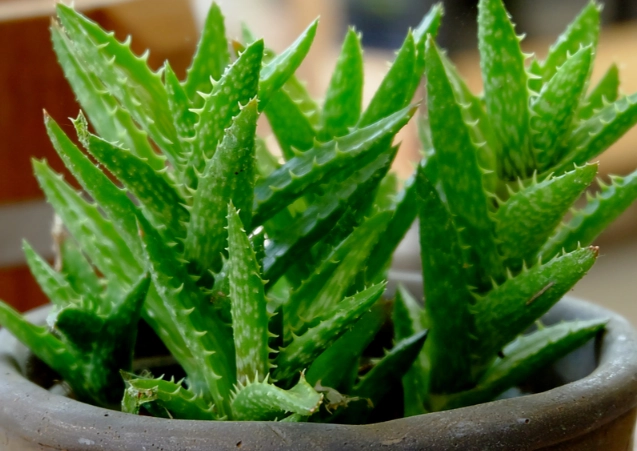
Common Problems and How to Fix Them
Even with care, issues pop up. Here's a quick reference table based on my experience.
| Problem | Likely Cause | Solution |
|---|---|---|
| Leaves turning yellow and mushy | Overwatering or poor drainage | Stop watering, check roots for rot, repot in dry soil |
| Brown, dry leaf tips | Underwatering or chemical burn from tap water | Water more deeply, use filtered water |
| Plant leaning or stretching | Insufficient light | Move to a brighter location, rotate pot regularly |
| Soft, black spots on leaves | Fungal infection from excess moisture | Remove affected leaves, improve air circulation |
Root rot is sneaky. If you suspect it, unpot the plant, trim away dark, slimy roots with sterile scissors, and repot in fresh soil. Let it dry out for a week before watering.
Propagation: Making More Plants from Pups
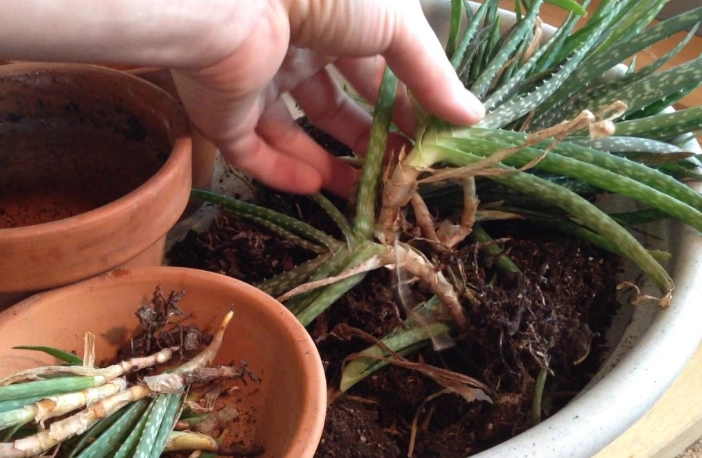
Aloe vera produces offsets, called pups, around the base. Propagating them is easy, but timing matters. Most guides say to separate pups when they're a few inches tall, but I wait until they have their own roots. Here's how:
- Gently remove the mother plant from its pot.
- Identify pups with at least 2-3 leaves and some roots.
- Use a clean knife to separate the pup, keeping roots intact if possible.
- Let the cut end callus over for 24-48 hours to prevent rot.
- Plant the pup in a small pot with well-draining soil, and don't water for a week.
I propagated a pup last spring, and it took about 3 months to establish. Patience is key—don't overwater during this phase.
Harvesting and Using Aloe Gel Safely
Want to use the gel? Harvest responsibly to avoid harming the plant. Choose a mature, outer leaf. Cut it close to the base with a clean knife. Then, let the yellow sap (aloin) drain out for 10 minutes—it can be irritating to skin. Slice the leaf open and scoop out the clear gel.
Store extra gel in the fridge for up to a week, or freeze it in ice cube trays. But here's a tip: don't harvest too often. Taking more than one leaf per month can stress the plant. I use gel for minor burns, and it works wonders, but always do a patch test first.
Your Burning Questions Answered
Growing aloe vera is a journey. Start with the basics, observe your plant, and adjust as needed. Remember, it's a survivor—treat it right, and it'll reward you for years. Happy planting!

Comments