Let's cut to the chase: most cactus deaths start with the soil. You bring home a tough-looking little plant, plop it into whatever potting mix you have lying around, water it like your other houseplants, and then wonder why it turns into a mushy, brown mess a few months later. I've been there, and I've killed my share of plants learning this lesson. The single most important thing you can do for your cactus isn't finding the sunniest spot—it's getting the dirt right. A proper cactus soil mix isn't just dirt; it's a fast-draining, airy infrastructure that mimics the arid, rocky ground these plants call home.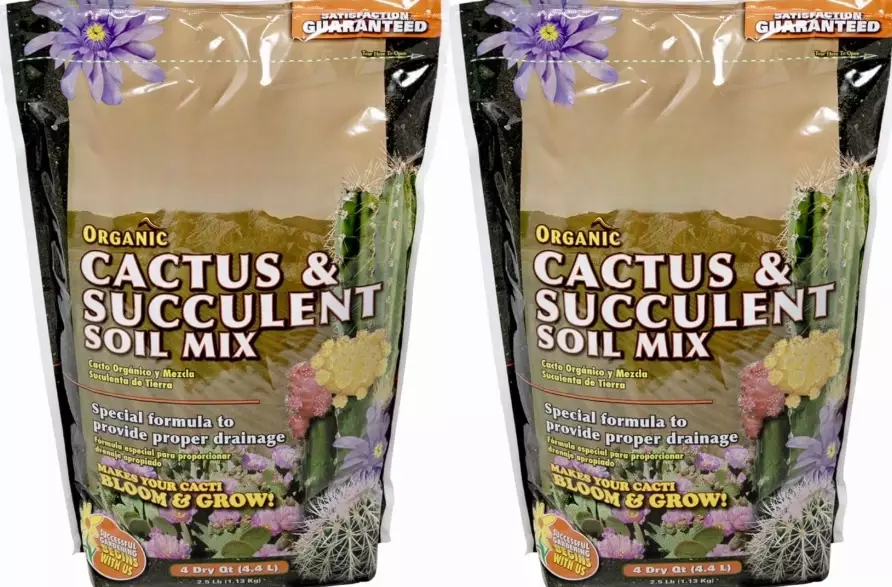
What You'll Learn in This Guide
Why Generic Potting Soil is a Death Sentence for Cacti
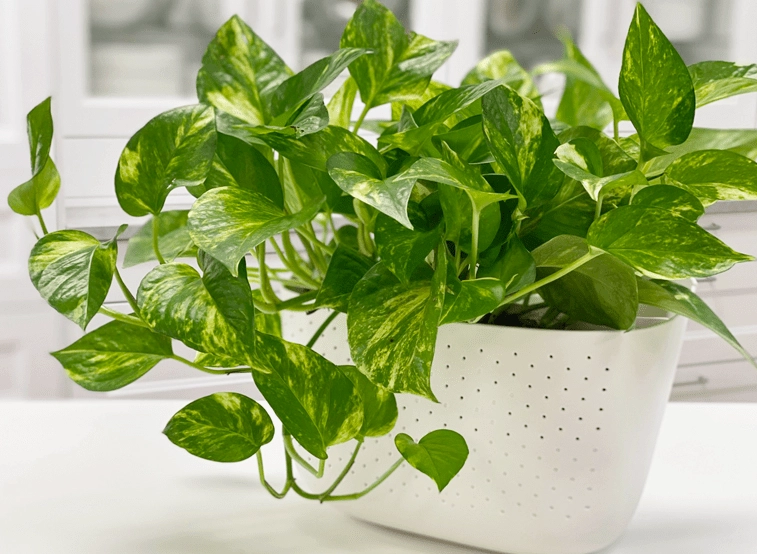
Standard potting soil is designed to retain moisture and provide nutrients for leafy tropical plants. It's great for your pothos or fern, but for a cactus, it's like forcing it to live with wet socks on 24/7. Cacti roots are adapted to absorb water rapidly when it's available (like after a rare desert rain) and then dry out completely. In dense, moisture-retentive soil, the roots stay damp, leading to the number one killer: root rot.
Here's a subtle mistake I see all the time. Someone uses a "well-draining" succulent mix from a big box store, but the pot has no drainage hole, or they water too frequently. The soil might be okay, but the overall system fails. The goal isn't just drainage; it's fast, complete drying of the root zone.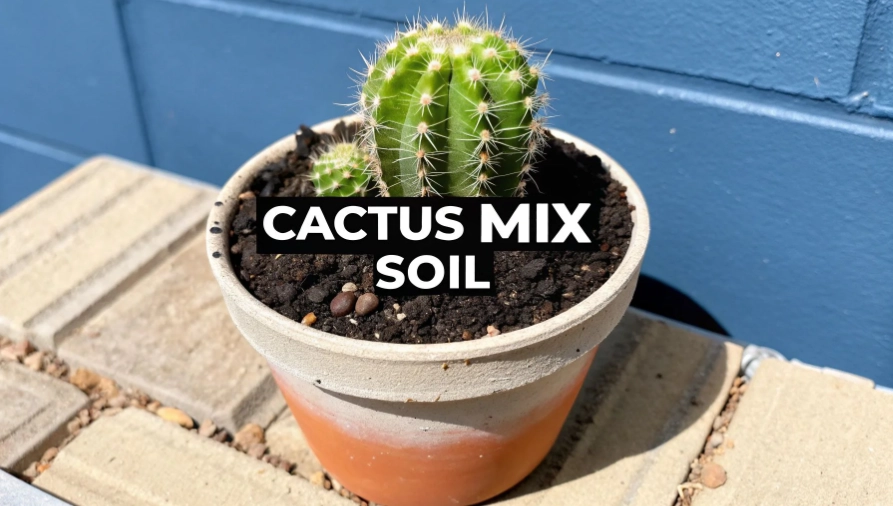
Red Flag: If the surface of your soil looks dry but the pot still feels heavy, the interior is likely still saturated. This is the silent killer. A proper mix, combined with a terracotta pot, should feel light throughout a few days after watering.
The Anatomy of a Perfect Cactus Soil Mix
A great mix has two core components: the inorganic gritty material for drainage and aeration, and the organic material to hold minimal moisture and nutrients. The magic is in the ratio.
The Role of Inorganic Grit (The Backbone)
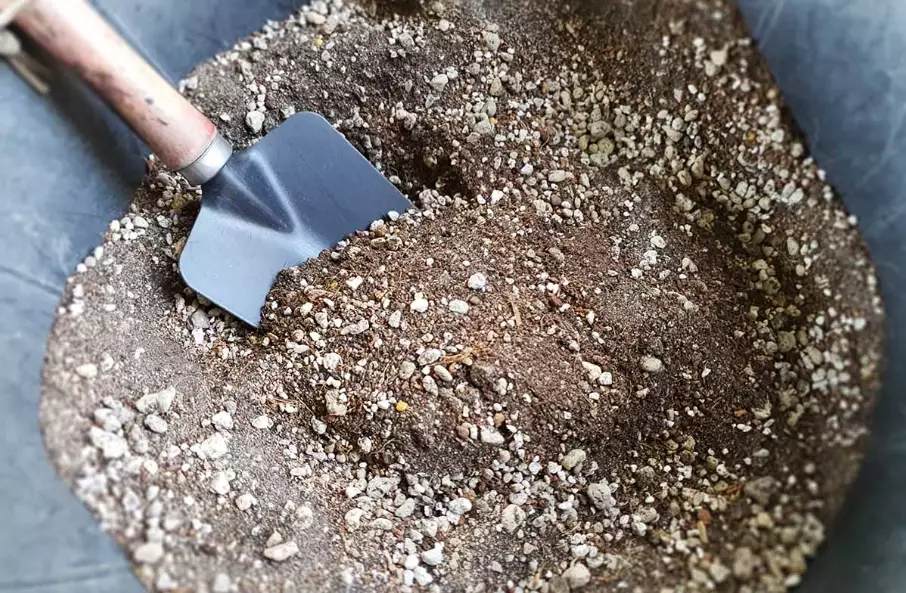
This is the non-porous, rocky stuff that creates air pockets and ensures water flows through. It doesn't break down, so your soil structure lasts for years.
- Perlite: The white, popcorn-like stuff. It's lightweight, cheap, and excellent for aeration. A staple. (Some studies, like those referenced by university extension services, note its neutrality and effectiveness in improving soil porosity).
- Pumice: My personal favorite. It's a volcanic rock that's porous but doesn't float to the top like perlite. It provides weight and stability to the mix.
- Coarse Sand: Not beach sand or play sand, which is too fine and will compact. You want horticultural sand or aquarium gravel, with particles around 1/8 inch or bigger. It's heavy and improves drainage dramatically.
- Chicken Grit/Granite Chips: An often-overlooked option. This insoluble granite provides permanent drainage and is fantastic for larger cacti.
The Role of Organic Material (The Sponge)
This part holds a tiny bit of water and nutrients. Too little, and your cactus struggles to get established. Too much, and you're back to rot city.
- Coco Coir or Peat Moss: These are common bases. I lean towards coco coir because it's more sustainable, rewets easier when it dries out completely, and has a near-neutral pH. Peat can become hydrophobic if it dries too much.
- Composted Pine Bark: Small chunks of bark (sifted to remove fines) add texture, slow decomposition, and help prevent compaction. It's a secret weapon for a professional-quality mix.
Pro Tip: The "ideal" ratio isn't fixed. It shifts based on your environment. In a humid climate or if you're a chronic over-waterer, lean heavier on the inorganic grit (up to 80%). In a very dry, hot climate with terracotta pots, you might use a bit more organic matter (closer to 40%) so the roots don't desiccate completely.
My Go-To DIY Cactus Soil Recipe (Step-by-Step)
After years of tweaking, this is the recipe I use for 90% of my cacti. It's reliable, affordable, and you control every ingredient. You can mix a large batch and store it in a sealed container.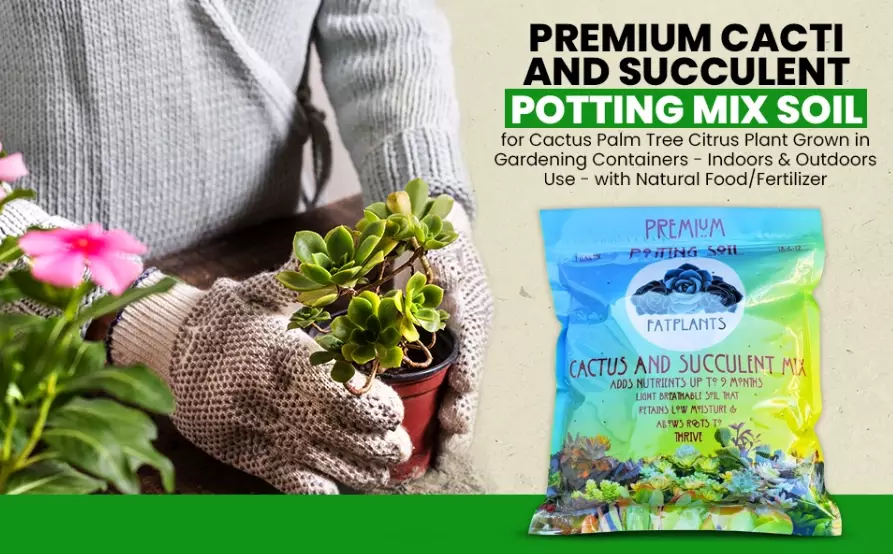
The Standard Recipe (Makes a medium batch):
- 2 parts Pumice (or Perlite if pumice is unavailable)
- 1 part Horticultural Coarse Sand (or small aquarium gravel)
- 1 part Coco Coir (pre-soaked and squeezed out)
- 1/2 part Sifted Pine Bark Fines (optional but recommended)
- A handful of worm castings or a slow-release cactus fertilizer (for nutrition)
Step 1: Gather & Prep. Put on a mask—dust from these ingredients isn't great to breathe. Pre-moisten the coco coir brick in a separate bucket until it expands and becomes crumbly. Squeeze out excess water so it's damp, not soggy.
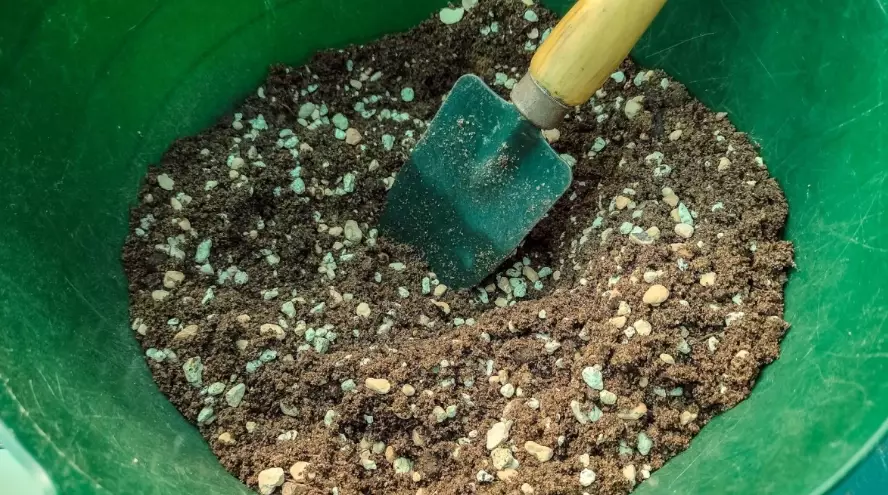
Step 2: The Mixing Method. I use a large, shallow tub. Dump in all the dry ingredients first—pumice, sand, pine bark. Mix them with a trowel or your hands. Then, add the damp coco coir in small handfuls, breaking up any clumps as you go. The goal is to evenly distribute the dark organic matter through the light grit.
Step 3: Add Nutrition. Sprinkle in the worm castings or a granular cactus fertilizer according to package directions. Mix thoroughly again.
Step 4: The Squeeze Test. Grab a handful of your finished mix and squeeze it tightly. It should hold its shape briefly when you open your hand, then crumble apart easily when you poke it. If it forms a dense ball, add more grit. If it won't hold any shape at all and is too dusty, add a touch more damp coco coir.
What About Sterilizing Soil?
Some guides tell you to bake soil to kill pathogens. For a homemade mix with mostly inorganic components, it's often overkill and creates a terrible smell. If you're using garden soil or compost (which I don't recommend), sterilization might be wise. For store-bought bagged components, the risk is low. If you're paranoid, you can microwave small batches of the organic component (coco coir) in a damp paper towel for 2 minutes.
Navigating the Aisle: Best (and Worst) Store-Bought Mixes
Not everyone wants to mix their own. That's fine. But beware—many bags labeled "Cactus & Succulent Mix" are still too organic and need amendment. Here’s a breakdown.
| Brand/Product | My Assessment | How to Improve It |
|---|---|---|
| Espoma Organic Cactus Mix | One of the better widely available options. It contains sand and perlite, so the texture is decent right out of the bag. The organic base is peat moss. | For larger cacti or in humid climates, mix in an extra 25% perlite or pumice to be safe. |
| Miracle-Gro Cactus, Palm & Citrus Potting Mix | This is the most common one. Frankly, it's not great straight from the bag. It's very peat-heavy and tends to compact over time, holding too much moisture. | Mandatory amendment: Mix it 50/50 with perlite or pumice. This turns a mediocre product into a serviceable one. |
| Bonsai Jack Gritty Mix (111) | This is a premium, mostly inorganic mix (pine bark, calcined clay, montmorillonite clay). It's fantastic for expert-level drainage and is essentially "ready-to-use." | Pricey, but you're paying for convenience and quality. Water more frequently initially as it drains very fast. No amendment needed. |
| Superfly Bonsai Succulent & Cactus Mix | Another excellent gritty, well-aerated commercial mix. Uses ingredients like akadama, pumice, and lava rock. Excellent for preventing rot. | Like Bonsai Jack, it's a buy-and-use product. Ideal for collectors who don't want to mix but want professional results. |
The takeaway? Read the ingredient list on the back. If the first ingredient is peat moss or compost, plan to add grit. If it lists pumice, lava rock, or perlite first, you're probably in better shape.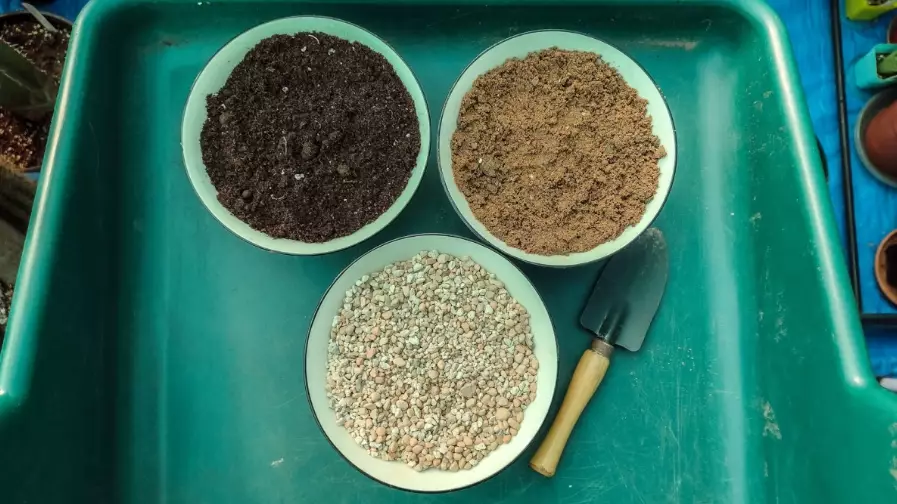
Your Cactus Soil Questions, Answered
I just repotted my cactus into a proper gritty mix. How long should I wait before watering?
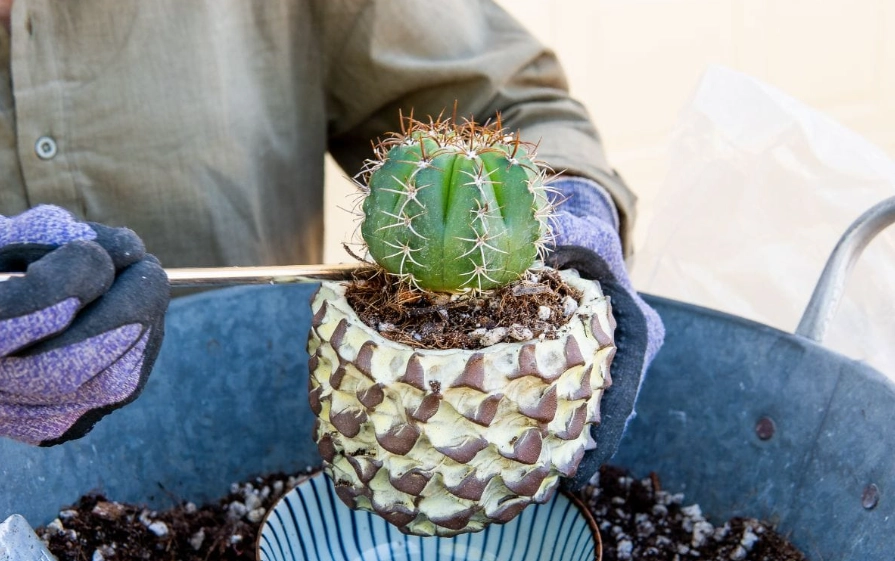
Wait at least 5-7 days, maybe even a full week. Repotting inevitably causes tiny root abrasions. Watering immediately can introduce pathogens to these fresh wounds. Let the roots callus over in the dry soil first. This is a critical step many beginners skip.
Can I use regular potting soil if I just add a lot of perlite?
You can, but it's a sub-optimal foundation. Regular potting soil often contains fine particles and wetting agents designed to retain moisture. Adding 50% or more perlite will help, but the organic base will still break down faster than coco coir or pine bark, leading to compaction within a year or two. It's a temporary fix, not a long-term solution.
 My cactus soil seems to repel water—it just runs down the side of the pot and out the drainage hole. What's wrong?
This usually happens with peat-based mixes that have been allowed to dry out completely for too long. Peat becomes hydrophobic. The fix is bottom-watering: place the pot in a tray of water for 20-30 minutes, allowing the soil to wick moisture up from the bottom until the top feels damp. To prevent it, consider switching to coco coir in your next mix, as it rewets more easily.
How often should I completely change my cactus's soil?
Every 2-3 years for most cacti. Even the best inorganic components can get clogged with mineral deposits from tap water, and the organic bits will eventually decompose. Repotting gives you a chance to check root health, remove any dead roots, and refresh the soil's structure and nutrients. If your cactus stops growing or the soil looks "tired" and compacted, it's time.
 Is a layer of rocks or gravel at the bottom of the pot good for drainage?
No, this is a persistent myth. A layer of rocks creates a "perched water table"—it actually raises the level of saturated soil above the rocks, keeping the roots in a wetter zone. It's counterproductive. The only thing that should be in the bottom of a pot is a single drainage hole (or several). Good drainage comes from a uniformly gritty soil mix throughout the entire pot.
Comments