Your Plant Soil Roadmap
- Potting Soil vs. Potting Mix: What's Actually in the Bag?
- One Mix Does NOT Fit All: Matching Soil to Your Plant
- DIY Indoor Plant Potting Soil: Your Kitchen Recipe for Plants
- Common Potting Soil Problems & How to Fix Them
- When and How to Repot: Giving Your Plant a New Home
- Your Indoor Plant Potting Soil Questions, Answered
Let's be honest. When I first got into houseplants, I grabbed whatever bag of dirt was cheapest at the big-box store. My thinking was simple: soil is soil, right? My poor plants disagreed. Leaves turned yellow, growth stalled, and that one fiddle leaf fig nearly staged a full-on leaf drop protest. It took me killing a few plants (sorry, peace lilies) to realize the secret wasn't just light and water. The foundation of everything—the indoor plant potting soil—was the puzzle piece I'd completely ignored.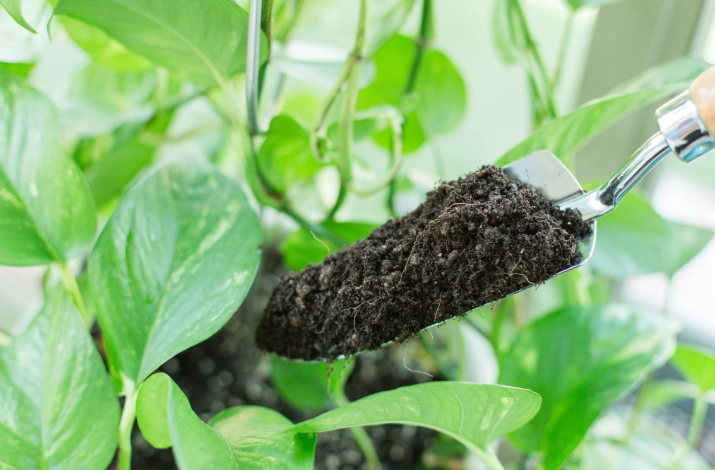
It's the silent partner in your plant's life. You don't notice it when it's good, but you definitely notice when it's bad. And "bad" can mean a lot of things: too dense, holding too much water, not holding enough nutrients, or just being a stale, compacted mess that suffocates roots.
So, let's dig in. This isn't about pushing a specific brand. It's about understanding what makes a good potting mix tick, so you can choose—or even make—the perfect one for your green friends. We'll cut through the marketing jargon on the bags, figure out what different plants actually crave, and I'll share some hard-learned lessons from my own over- and under-watering mishaps.
Potting Soil vs. Potting Mix: What's Actually in the Bag?
First, a bit of truth-bombing. That bag labeled "Potting Soil"? It probably doesn't contain any actual soil from your garden. And thank goodness for that. Garden soil is a no-go for containers—it compacts terribly, drains poorly, and can harbor pests and diseases.
What you're buying is a potting mix, a carefully (or sometimes not-so-carefully) engineered blend of ingredients. The label "potting soil" has just stuck around out of habit. The goal of any good indoor plant potting mix is to do three things well: provide support for the roots, retain some moisture and nutrients, and allow excess water to drain away quickly to prevent rot.
The perfect potting mix walks a tightrope. It needs to be the Goldilocks of growing media—not too wet, not too dry, but just porous enough.
To understand what you're buying, you need to speak the language of the ingredients list. Here’s a breakdown of the usual suspects you'll find in a bag of indoor plant potting soil.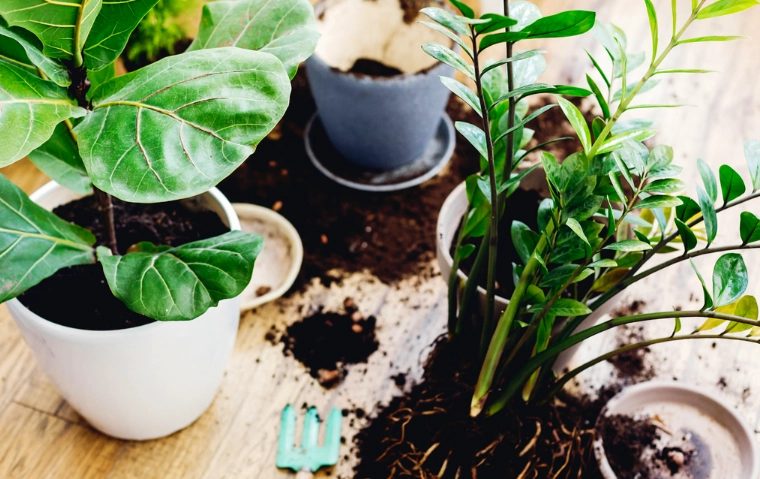
Peat Moss
The old-school staple. It's lightweight, holds a ton of water (like a sponge), and is slightly acidic. Most common houseplants are okay with that acidity. The big downside? It's notoriously hard to re-wet once it dries out completely. You've seen that patch of mix that just repels water? That's peat. There's also a growing environmental debate about peat harvesting, which has led to alternatives.
Coconut Coir
Peat's popular rival. Made from coconut husks, coir also holds water well but is easier to re-wet than peat. It's often considered a more sustainable option. In my experience, mixes heavy on coir feel a bit different—fluffier, maybe. They work great, but sometimes need a bit more frequent fertilizing as they can hold onto nutrients differently.
Perlite
Those little white, popcorn-like bits. They're superheated volcanic glass. Their only job is to create air pockets. They don't hold water or nutrients; they just keep the mix from compacting. If your mix doesn't have perlite or something like it, be wary. This is the key to drainage and oxygen for roots.
Vermiculite
Looks like shiny, golden-brown flakes. It's a mineral that's been popped like popcorn. Unlike perlite, it does hold water and some nutrients, releasing them slowly. Good for mixes where you want more consistent moisture, but you wouldn't want it for a cactus.
Bark (Pine or Fir)
Chunks of composted bark. These are the big players in chunky, airy mixes, especially for orchids, aroids (like Monsteras and Philodendrons), and other epiphytes. They provide structure and massive air pockets, mimicking how these plants grow on trees in the wild. A game-changer for preventing heavy, soggy soil.
Worm Castings / Compost
The nutrient boost. These organic components add a slow-release form of food for your plants. Think of them as a healthy, balanced meal mixed right into the soil. A bagged mix with these already included gives your plant a head start. You can also add them yourself to a basic, sterile mix.
You might also see things like sand (for weight and drainage in succulent mixes), charcoal (to help absorb impurities and sweeten the soil), or mycorrhizal fungi (a beneficial fungus that forms a symbiotic relationship with roots, helping them take up nutrients—this stuff is legitimately cool).
One Mix Does NOT Fit All: Matching Soil to Your Plant
This is where most generic bags fail. A tropical fern that loves constant, even moisture has completely different needs from a desert cactus that thrives on neglect and fast drainage. Using a standard all-purpose indoor plant potting soil for both is a recipe for disappointment.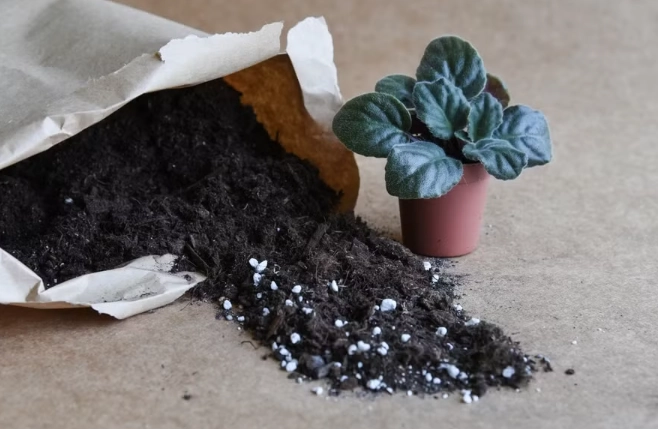
Here’s a quick reference guide. Think of these as starting points—your home's humidity, light, and your watering habits will fine-tune these needs.
| Plant Type | What They Need from Their Soil | Key Ingredients to Look For (or Add) | Bagged Mixes That Often Work |
|---|---|---|---|
| Succulents & Cacti (Snake Plants, Jade, Aloe) | Extremely fast drainage. They hate wet feet. The mix should dry out completely within a few days. | Lots of perlite/pumice, coarse sand, minimal peat/coir. Gritty is the keyword. | Cactus & Succulent Mix. (Pro-tip: I often mix 50% cactus mix with 50% extra perlite for my fussy succulents). |
| Aroids (Monstera, Philodendron, Pothos, ZZ Plant) | Chunky, airy, well-draining but able to hold some moisture. They need oxygen at their roots. | Bark chunks are king. Mixed with perlite and some peat/coir. Aroid mixes are often perfect. | Orchid Bark Mix, Aroid Potting Mix, or a DIY blend. |
| Tropical Foliage (Peace Lily, Chinese Evergreen, Calathea) | Moisture-retentive but not soggy. They like consistently lightly damp soil. | Peat or coir base, with perlite for aeration, and maybe some vermiculite. | African Violet Mix, General Potting Mix. Add extra perlite if it feels too dense. |
| Orchids (Phalaenopsis) | Maximum air flow. Their roots need to breathe and should not be smothered in dense soil. | Almost entirely large-chunk bark (like orchid bark). Sphagnum moss sometimes used. | Orchid Potting Mix. Never use regular potting soil for epiphytic orchids. |
| Seed Starting & Propagation | Fine texture, sterile, holds moisture evenly, low in nutrients. | Fine peat or coir, vermiculite, perlite. Must be sterile to prevent damping-off disease. | Seed Starting Mix. Don't use regular potting mix here. |
DIY Indoor Plant Potting Soil: Your Kitchen Recipe for Plants
Buying pre-mixed bags is convenient, but making your own is cheaper, deeply satisfying, and lets you control the exact texture. It's like baking bread instead of buying it. You can tweak the recipe for each plant.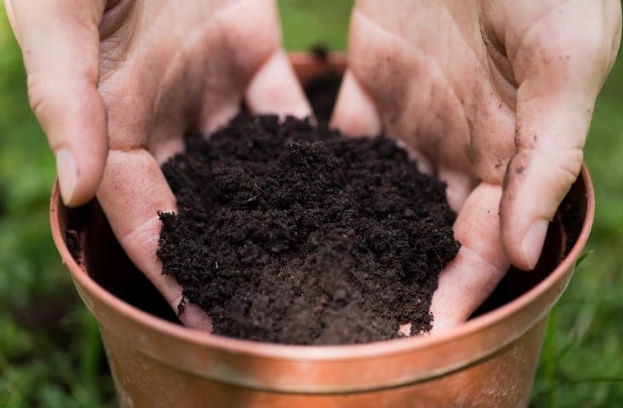
Here are two reliable, tried-and-true base recipes. You can find the components at most garden centers or online.
All-Purpose, Slightly Chunky Houseplant Mix
This is my go-to for most of my leafy tropicals—Philodendrons, Pothos, even my Ficus. It drains well but doesn't dry out in a day.
- 2 parts Coconut Coir (or Peat Moss): The moisture-holding base. I prefer coir because it's easier to work with.
- 1 part Perlite: For aeration and drainage. Don't skimp.
- 1 part Orchid Bark (small to medium chunks): This is the magic ingredient that makes it chunky and airy.
- ½ part Worm Castings: For a gentle nutrient boost. Compost works too.
- (Optional) A handful of horticultural charcoal: Helps keep the mix fresh.
Mix it all in a big tub or on a tarp. Wear a mask if you're sensitive to dust—perlite dust is no joke. The texture should be loose and crumbly, not clumpy or muddy.
Ultra-Draining Gritty Mix for Succulents & Cacti
This mix is so fast-draining you almost can't overwater. Perfect for the forgetful waterer or plants that love arid conditions.
- 1 part Potting Mix (a basic one) or Coconut Coir: Just a little organic matter.
- 1 part Coarse Sand (horticultural grit, not beach sand): Provides weight and drainage.
- 1 part Perlite or Pumice: For the air pockets. Pumice is heavier and doesn't float.
- 1 part small Orchid Bark or Turface: Adds more structure and drainage.
Mixing your own soil connects you to the process in a way a bag never can. You feel the texture, see the components, and you know exactly what your plant's roots are living in.
Common Potting Soil Problems & How to Fix Them
Even with the perfect mix, things can go sideways. Here's how to diagnose and treat common indoor plant potting soil issues.
The Soil is Repelling Water (Hydrophobic)
You water, and it all just runs down the sides of the pot and out the bottom, leaving the root ball bone dry. This is classic with peat-based mixes that have dried out completely.
Fix: Bottom-watering is your friend. Place the pot in a sink or tray filled with a few inches of water. Let it sit for 30-60 minutes, allowing the soil to wick up moisture from the bottom like a sponge. You'll see the top become damp. Then, let it drain thoroughly. For a long-term fix, consider repotting into a mix with more coir or adding a wetting agent.
Fungus Gnats (Those Tiny Black Flies)
They're not just annoying; their larvae eat organic matter in the soil and can damage young roots. They thrive in constantly moist potting mix.
Fix: Let the top inch or two of soil dry out completely between waterings. This breaks their life cycle. Yellow sticky traps catch the adults. For a serious infestation, a product containing Bacillus thuringiensis israelensis (like Mosquito Bits) mixed into your watering can is a highly effective biological control. The University of Minnesota Extension has excellent, science-backed management strategies for these pests.
White Crust or Mold on the Soil Surface
The white crust is usually mineral salts from tap water or fertilizer buildup. The white fuzz is a harmless saprophytic mold feeding on decaying organic matter in damp conditions.
Fix: For crust, scrape off the top layer of soil and replace it with fresh mix. Water with distilled or filtered water occasionally to flush out salts. For mold, let the soil surface dry out more, increase air circulation around the plant, and gently stir the top layer of soil to break up the mold.
When and How to Repot: Giving Your Plant a New Home
Fresh indoor plant potting soil isn't a one-time deal. Over time, the organic components break down, the mix compacts, and nutrients are used up. Generally, most houseplants benefit from repotting every 1-2 years, best done in spring or early summer when they're actively growing.
Signs it's time: Roots are growing out of the drainage holes, the plant dries out incredibly fast, growth has slowed significantly despite proper light and feeding, or the soil has become hard and compacted.
Here’s my simple repotting routine:
- Water the plant a day before repotting. It reduces stress and makes the root ball easier to work with.
- Gently remove the plant from its old pot. Squeeze the sides, turn it upside down, and support the plant as it slides out.
- Loosen the roots. Don't go crazy, but gently tease apart the outer roots, especially if they're pot-bound (a dense circle of roots). This encourages them to grow outward into the new soil.
- Place fresh mix in the bottom of the new pot (only 1-2 inches larger in diameter than the old one). Center the plant, ensuring it sits at the same depth as before.
- Fill in around the sides with your new indoor plant potting soil, tapping the pot to settle it. Don't pack it down tightly.
- Water thoroughly to settle the soil and eliminate large air pockets. Place the plant in bright, indirect light and hold off on fertilizing for 4-6 weeks to let it settle.
Your Indoor Plant Potting Soil Questions, Answered
I get a lot of the same questions from friends starting their plant journeys. Here are the big ones.
Can I reuse old potting soil?
You can, but I'm cautious about it. The old mix is likely depleted of nutrients, may be compacted, and could harbor pathogens or pest eggs. If I do reuse it, I only use it for outdoor containers or I revitalize it heavily: I break up all the clumps, remove old roots, and then mix it 50/50 with fresh potting mix, adding a good helping of new worm castings and perlite. For a prized indoor plant, I always start fresh.
Should I sterilize my own DIY mix?
For seed starting, yes, absolutely, to prevent fungal diseases. You can moisten the mix and bake it in the oven (at 200°F/93°C for 30 mins), though your kitchen will smell like a forest. For general potting, using fresh, bagged components is usually sterile enough. The risk from outdoor garden soil is much higher.
My plant came in moss/rock wool. Should I change it?
Often, yes. Many big-box store plants are grown in a very dense, peat-heavy medium designed for nursery efficiency, not long-term home health. Once the plant is acclimated to your home (after a few weeks), consider repotting it into a more appropriate, well-draining mix. The Royal Horticultural Society (RHS) offers great guidance on the importance of choosing the right compost (their term for potting mix) for container plants, emphasizing drainage and structure.
Are moisture-retaining crystals or gels a good idea?
My personal opinion? I avoid them. They're a synthetic polymer that swells with water. While they can help with moisture consistency, they feel like a chemical shortcut. I'd rather get the soil texture right with natural ingredients like coir, vermiculite, and bark. Plus, if they eventually break down, they don't add any nutritional benefit to the soil.
How do I know if my soil is healthy?
Healthy indoor plant potting soil should smell earthy and fresh, not sour, musty, or like ammonia. It should be loose and crumbly to the touch, not form a hard ball when squeezed. When you water, the water should be absorbed relatively quickly, not pool on the surface or instantly run through. If it passes these tests, your foundation is solid.
Look, at the end of the day, getting the soil right is an act of care. It's giving your plant a stable, comfortable home where it can put down roots—literally. It won't magically solve every problem (light is still a huge deal), but it sets the stage for everything else. Start paying attention to what's in the bag, don't be afraid to get your hands dirty and mix your own, and watch your plants respond with better growth, fewer issues, and just more overall vitality. Happy potting.
Comments