Quick Guide to Lavender Care
- Getting It Right From the Start: Planting Lavender
- The Daily (Really, Monthly) Grind: Watering and Feeding
- The Secret to a Beautiful Plant: Pruning Lavender
- Getting Through the Cold: Overwintering Lavender Care
- Solving the Ugly Problems: Troubleshooting Lavender Care
- Picking the Right Purple: A Quick Guide to Lavender Varieties
- Your Lavender Care Questions, Answered
Let's be honest. You probably bought that lavender plant because it smelled amazing at the garden center, or you saw a picture of a perfect purple field in Provence. You imagined gentle breezes carrying that calming scent onto your patio. Then reality hit. The leaves turned yellow. The stems got woody and bald at the bottom. The whole thing just sort of... gave up.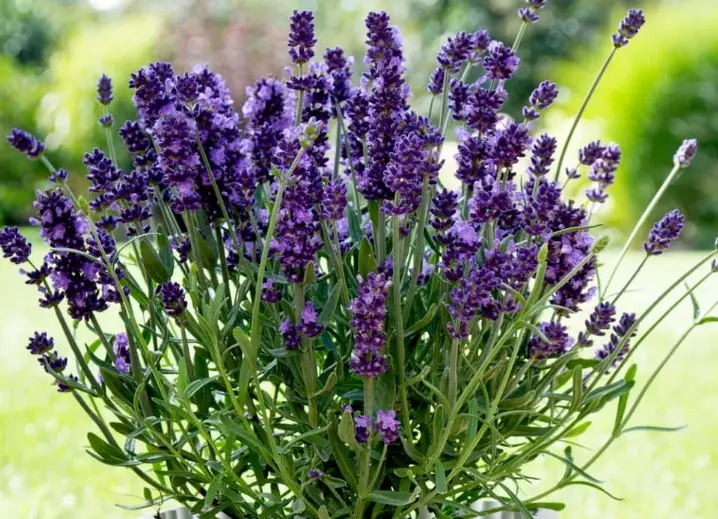
I've been there. I've drowned lavender with kindness (read: overwatering). I've planted it in rich, moist soil because surely that's what all plants want, right? Wrong. My first few lavender plants were expensive lessons in what not to do.
But here's the good news: lavender care isn't actually hard. It's just different. It goes against some of our basic gardening instincts. Once you understand what it really wants—which is mostly to be left alone—it becomes one of the easiest, most rewarding plants in your garden.
Getting It Right From the Start: Planting Lavender
This is where most failures happen. Get the start wrong, and you'll be fighting an uphill battle. Lavender is a Mediterranean plant at heart. Think rocky hillsides, poor soil, blazing sun, and not much rain. That's its happy place.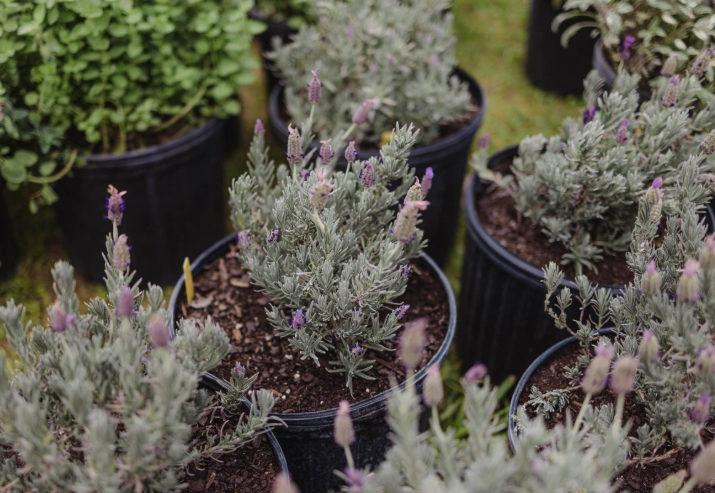
The Non-Negotiable Trinity of Lavender Care
If you remember nothing else, remember these three things. They're more important than any fancy fertilizer or special technique.
- Sun, Sun, and More Sun: Lavender needs at least 6-8 hours of direct, unfiltered sunlight every single day. Less than that, and it gets leggy, floppy, and refuses to bloom properly. A south-facing spot is ideal.
- Soil Must Drain Like a Sieve: Wet feet are a death sentence. The soil needs to be extremely well-draining. If water pools where you want to plant, forget it.
- Air Circulation is Key: Don't cram it in a crowded, humid corner. Good airflow around the plant prevents fungal diseases and keeps the foliage healthy.
Soil: The Make-or-Break Factor
Forget the premium potting mix. Lavender hates it. That mix is designed to retain moisture and nutrients—the exact opposite of what lavender craves.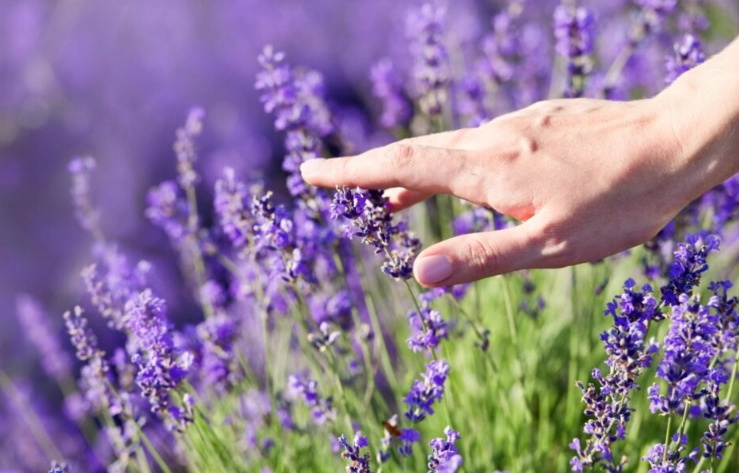
You need lean, mean, and gritty. For garden beds, amend heavy clay soil with a lot of coarse sand or fine gravel (think chicken grit) and some compost. The goal is to create a loose, rocky structure. The Royal Horticultural Society (RHS), a gold-standard resource for gardeners, emphasizes the critical need for "well-drained, neutral to alkaline soil" for successful lavender cultivation. You can read their detailed advice on lavender growing conditions here.
For containers, which is how many of us grow it, the mix is even more critical. A standard potting mix is a recipe for disaster. I now use a simple 50/50 blend of a basic potting soil and perlite or pumice. Some people go even further, adding a handful of sand or small gravel. The pot must have excellent drainage holes. No saucers filled with water underneath, ever.
My Biggest Mistake: I once planted a beautiful 'Grosso' lavender in a decorative pot without checking the drainage. It had one tiny hole that clogged instantly. The plant was a soggy, rotten mess within a month. Always, always check and improve drainage.
The Actual Planting Steps
- Dig a Hole: Make it twice as wide as the root ball, but only just as deep. Lavender doesn't like being buried deeply.
- Check Drainage: Fill the hole with water. If it's still there in an hour, you have a drainage problem. You need to amend the soil more deeply or consider a raised bed.
- Prep the Plant: Gently tease out the roots if they're pot-bound. This helps them spread into the new soil.
- Plant Level: Set the plant in so the top of the root ball is level with the soil surface. Backfill with your gritty soil mix.
- Water Deeply Once: Give it a good soak to settle the soil and eliminate air pockets. Then, walk away.
The Daily (Really, Monthly) Grind: Watering and Feeding
This is where our nurturing instincts sabotage us. We see a plant, we want to water it. With lavender, that love will kill it.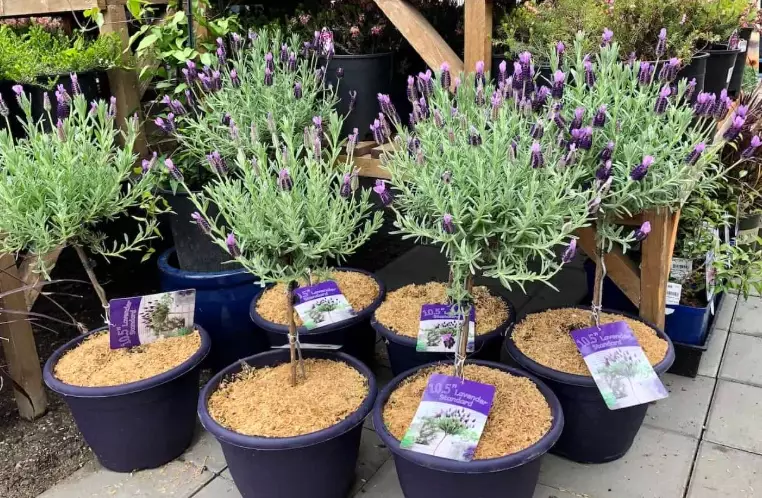
Watering: The Art of Benign Neglect
Newly planted lavender needs consistent moisture for its first season to establish roots. Water when the top inch of soil feels dry.
After that? Established lavender is incredibly drought-tolerant. In the ground, it often needs no supplemental water at all unless you're in a severe, prolonged drought. In pots, water only when the soil is completely dry several inches down. Stick your finger in the soil. If it feels cool or damp, wait. I sometimes go 2-3 weeks between watering my potted lavenders in the summer.
Winter watering is even more critical for potted plants. They need to be kept on the dry side to prevent root rot in cold, wet conditions.
Pro Tip: Water the soil, not the leaves. Soaker hoses or watering at the base of the plant are ideal. Wet foliage, especially overnight, can invite mildew and other diseases.
Fertilizing: Just Don't
Seriously. Lavender thrives in poor soil. Fertilizer, especially high-nitrogen fertilizer, promotes weak, soft, leafy growth at the expense of flowers and fragrance. It makes the plant floppy and more susceptible to disease and winter damage.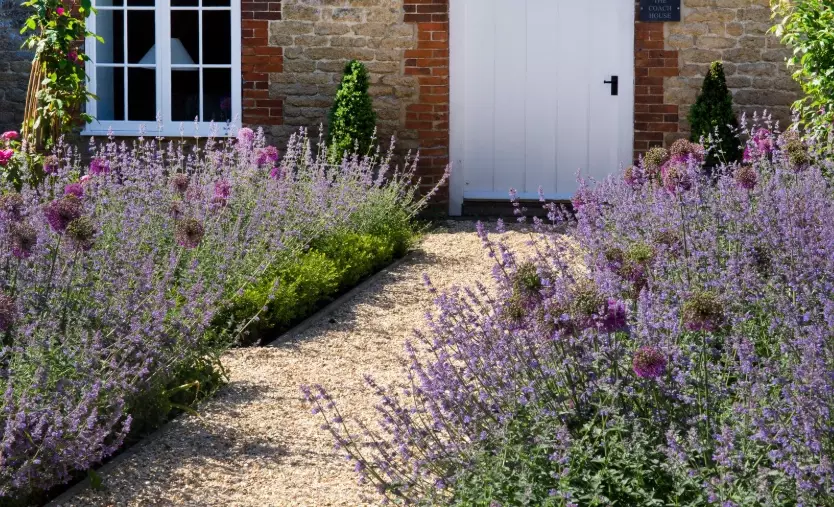
If you absolutely feel you must feed something, a light top-dressing of compost in the spring is more than enough. But I've never done it, and my plants bloom profusely. Their nutrition comes from the sun and the minimal organic matter in my gritty mix.
The Secret to a Beautiful Plant: Pruning Lavender
Pruning is the single most important skill for long-term lavender care. Do it wrong, and you get a woody, sprawling mess. Do it right, and you have a tight, compact mound that blooms for years.
The goal is to prevent the plant from getting woody and leggy. Once a stem turns fully woody, it won't produce new green growth from that old wood. You want to encourage branching from lower down.
When to Prune
You technically prune lavender twice a year.
- Main Prune (Late Summer/Early Fall): After the main blooms fade. This is the big one. You're shaping the plant for next year.
- Light Trim (Spring): Just a tidy-up after winter, removing any dead tips. Don't cut hard in spring!
How to Prune: The One-Third Rule
This rule is gospel. When you do your main prune in late summer, never cut back into the old, bare wood. Look for the point where the flexible, green/grey growth meets the hard, brown woody stem.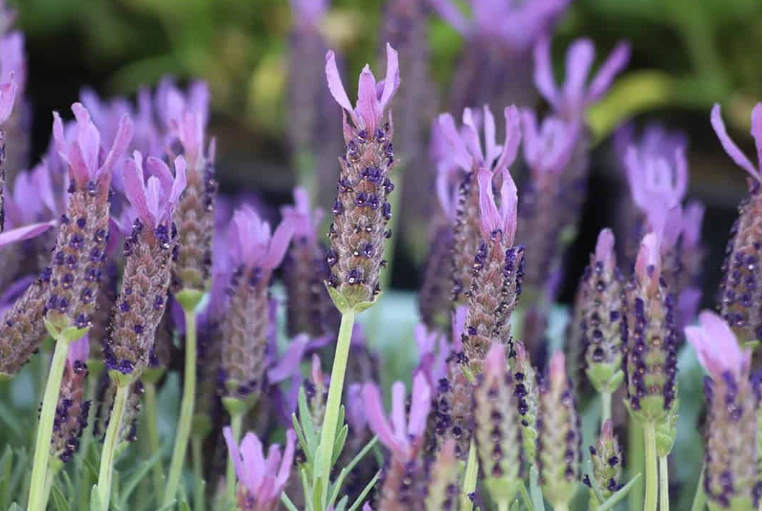
Your cut should be in the green growth, about one to two inches above the woody part. A good rule of thumb is to never remove more than one-third of the plant's total green growth at once. If your plant is overgrown and woody, you can try a more severe renovation over two seasons, but it's risky. Prevention is easier.
I use clean, sharp bypass pruners. It makes a clean cut that heals fast. I also always leave a little "collar" of green growth above the woody part—it seems to encourage new buds to break from that point.
What about harvesting flowers? That's easy. Cut the flower stems as long as you like, but make your cut just above a set of leaves lower down on the stem. This encourages the plant to bush out from that point.
Getting Through the Cold: Overwintering Lavender Care
Lavender's biggest enemy in winter isn't always the cold—it's the wet. A cold, wet root ball will rot faster than you can say "Provence."
Lavender in the Ground
Most English lavender varieties (Lavandula angustifolia) are quite hardy. Good drainage is their best winter protection. Avoid mulching right up against the crown with moisture-retentive mulch like bark; this can trap moisture and cause rot. If you must mulch for insulation, use a thin layer of gravel or pea stone.
Lavender in Pots
This is trickier. The roots are more exposed. Here's my strategy:
- Move to Shelter: In fall, I move my pots against a south-facing wall of my house. This provides a rain shadow (the eaves keep some rain off) and radiates a bit of heat.
- Elevate: I put the pots on "pot feet" or bricks so water can drain freely from the holes.
- Stop Watering: I barely water from late fall through late winter, only if the pot is bone dry and we've had no precipitation for weeks.
- No Garage: Don't bring it into a warm, dark garage. It needs to stay cold and dormant, just protected from freezing rain and wind.
Solving the Ugly Problems: Troubleshooting Lavender Care
Even with perfect care, things can go sideways. Here’s a quick guide to the most common lavender care headaches.
| Problem | Likely Cause | The Fix |
|---|---|---|
| Lavender turning brown/grey in center, stems woody | Natural aging & lack of pruning. All lavender gets woody eventually, but pruning slows it down. | Follow the pruning rules above. For a severely woody plant, try cutting back just into the green growth on a few stems to see if it regenerates. Replace if it's too far gone. |
| Yellowing leaves, especially lower down | Overwatering. This is the #1 killer. Roots are suffocating. | Stop watering immediately. Let soil dry out completely. For potted plants, check drainage. The plant may not recover if root rot has set in. |
| Leggy, floppy growth with few flowers | Not enough sun, too much fertilizer, or lack of pruning. | Move to a sunnier location. Stop fertilizing. Prune properly after flowering. |
| White powdery coating on leaves | Powdery mildew. Caused by humidity, poor air circulation, and watering foliage. | Improve air flow. Water at the base. In severe cases, the University of California's Integrated Pest Management program suggests fungicides, but prevention is best. Their guidelines on powdery mildew are a great resource. |
| Plant dies suddenly in winter | Winter wet (rot) or a severe freeze in a non-hardy variety. | Ensure perfect drainage before winter. Choose a variety rated for your USDA hardiness zone. |
Picking the Right Purple: A Quick Guide to Lavender Varieties
Not all lavender is the same. Picking the right one for your climate and purpose makes lavender care much easier. Here's a breakdown of the main types.
Top 3 Lavenders for Beginners
- 'Munstead' (Lavandula angustifolia): Compact, hardy, and reliable. My go-to for edging and small spaces. Tolerates a bit more humidity than some.
- 'Hidcote' (Lavandula angustifolia): Dark purple flowers, silvery foliage. Stunning and also very hardy. Grows a bit tighter than Munstead.
- 'Phenomenal' (Lavandula x intermedia): A lavandin hybrid. Bred specifically for toughness—tolerates heat, humidity, and cold better than most. A great choice if you've failed before.
English Lavender (Lavandula angustifolia): The classic. Best fragrance for sachets and cooking. Most cold-hardy (USDA zones 5-8). Compact growth. 'Munstead' and 'Hidcote' are stars here.
Lavandin (Lavandula x intermedia): A hybrid. Larger plants, longer flower stems, and a stronger, more camphorous scent. Great for oil and dried bundles. Usually hardy to zone 5. 'Grosso' and 'Provence' are popular.
French & Spanish Lavender (Lavandula stoechas, dentata): Showy with "bunny ear" bracts. Less cold-hardy (zones 8-9). Often treated as annuals in colder climates. Their lavender care is similar but they are even more sensitive to wet soil.
Your Lavender Care Questions, Answered
I get asked these all the time. Let's clear them up.
It boils down to this: mimic its native home. Give it sun-baked, rocky, poor soil. Water it like you forget it exists. Prune it with a confident hand in late summer. And then enjoy. Enjoy the hum of bees it attracts, the sublime fragrance that clings to your fingers after you brush it, and those perfect purple spikes that look like summer itself.
It's not a needy plant. It's a resilient, beautiful, aromatic survivor. And once you get its simple language, it'll thrive on your benign neglect for years to come.
Comments