I killed my first sedum morganianum within three months. Overwatered it, placed it in a dim corner, and watched those plump leaves turn to mush. That was ten years ago, and since then, I've grown dozens of these trailing beauties, learning the hard way that donkey tail succulents thrive on neglect—but smart neglect. If you're here, you probably want to avoid my early mistakes and get your sedum morganianum to cascade gracefully instead of dropping leaves everywhere. Let's dive in.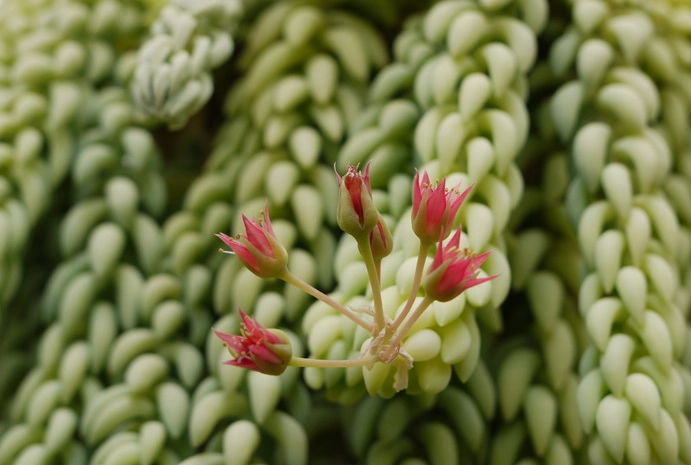
Jump to What You Need
What Exactly is Sedum Morganianum?
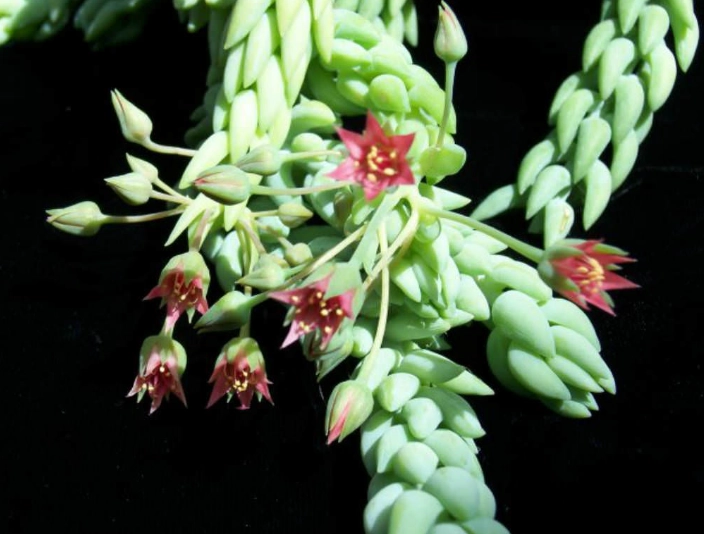
Sedum morganianum, commonly called donkey's tail or burro's tail, is a perennial succulent native to southern Mexico and Honduras. It's known for its long, trailing stems densely packed with blue-green, tear-shaped leaves. In ideal conditions, it can grow over two feet long, making it perfect for hanging baskets. The plant rarely flowers indoors, but when it does, you might see small, star-shaped pink or red blooms at the tips. What most guides don't tell you is that there are actually two main varieties: the classic sedum morganianum and a hybrid called 'Burrito' with shorter, rounder leaves. The 'Burrito' is often mistaken for the original, but it's slightly more forgiving with watering.
Why is it so popular? Its unique appearance adds texture to any space, and it's relatively low-maintenance—once you know the tricks. But here's a non-consensus point: many people treat it like other succulents, but sedum morganianum is more sensitive to overhandling. Those leaves detach easily, which is why propagation is a breeze, but also why you should avoid moving the plant frequently.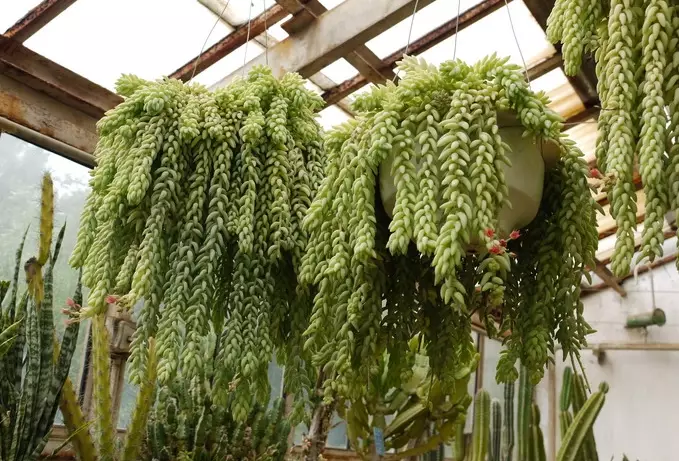
Ideal Growing Conditions for Sedum Morganianum
Getting the environment right is 90% of the battle. I've seen plants thrive in bright bathrooms and struggle on sunny windowsills because of minor details. Let's break it down.
Light Requirements: More Than Just Bright Light
Sedum morganianum needs bright, indirect light. Direct morning sun is fine, but harsh afternoon rays can scorch the leaves, leaving brown patches. East-facing windows are ideal. If you only have a south-facing window, use a sheer curtain to diffuse the light. Low light causes etiolation—stretchy, pale stems. I made this mistake early on; my plant looked leggy and weak until I moved it to a brighter spot. A pro tip: rotate the pot every few weeks to ensure even growth, but do it gently to avoid leaf drop.
Watering Schedule: The Biggest Killer
Overwatering is the number one cause of death. These plants store water in their leaves, so they can drought for weeks. Water only when the soil is completely dry. Stick your finger an inch into the soil; if it's dry, it's time. In summer, that might be every 10-14 days, and in winter, stretch it to 3-4 weeks. Use the soak-and-dry method: water thoroughly until it drains out the bottom, then let it dry out completely. Avoid getting water on the leaves to prevent rot. I learned this the hard way when I misted my plant, thinking it needed humidity—it led to fungal issues.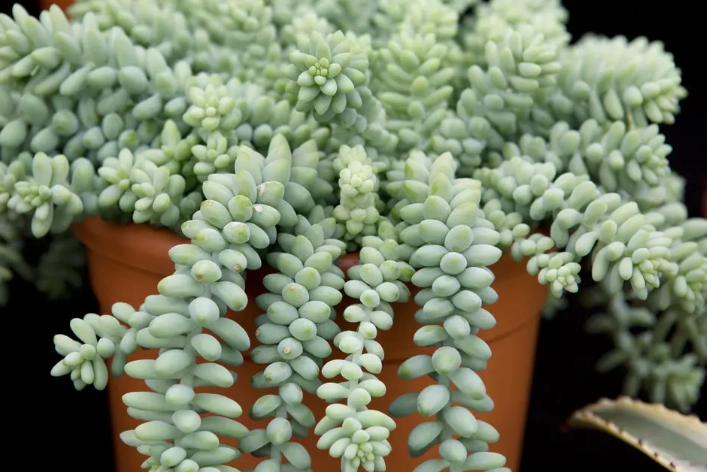
Soil and Potting Mix: Drainage is Key
Standard potting soil is a death sentence. Sedum morganianum needs a well-draining mix. I use a combination of cactus soil, perlite, and coarse sand in a 2:1:1 ratio. The pot must have drainage holes. Terracotta pots are excellent because they wick away moisture. Here's a quick comparison of soil components:
| Component | Purpose | Recommended Ratio |
|---|---|---|
| Cactus Soil | Provides base nutrients and structure | 50% |
| Perlite | Improves aeration and drainage | 25% |
| Coarse Sand | Enhances drainage and prevents compaction | 25% |
Repot every 2-3 years in spring, but be cautious—the stems are fragile. I once repotted too aggressively and lost half the plant. Now, I handle it like glass.
How to Propagate Sedum Morganianum Successfully
Propagation is where this plant shines. Those fallen leaves? They can grow new plants. Here's a step-by-step based on my trials.
Leaf Propagation: Gently twist a healthy leaf from the stem. Let it callous over for 2-3 days on a dry surface. Place it on top of well-draining soil. Mist the soil lightly every few days, but don't bury the leaf. Roots should appear in 2-4 weeks. I've had batches where only 60% succeeded—don't get discouraged if some fail.
Stem Cuttings: For faster results, take a stem cutting 3-4 inches long. Remove the lower leaves, let it callous, then plant it in soil. Water after a week. This method gives you a trailing plant quicker. I propagated a cutting for a friend last year, and it's now a full basket.
Avoid propagating in winter; spring and summer are best. And don't use rooting hormone—it's unnecessary and can cause rot.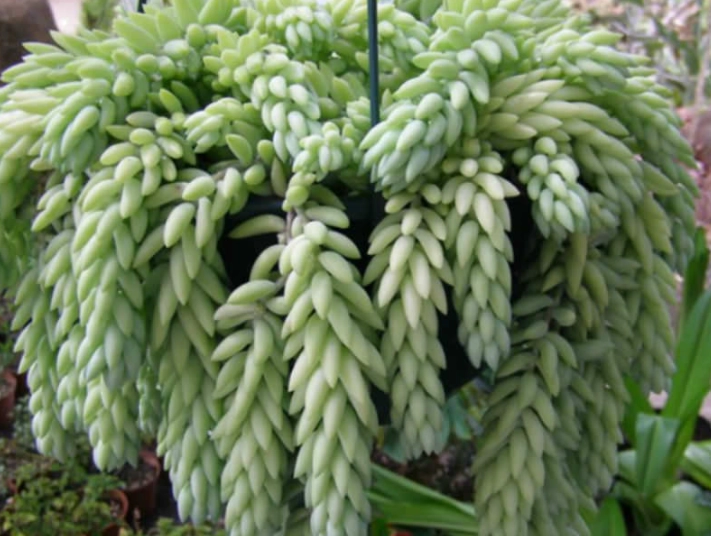
Common Problems and Fixes
Even with care, issues pop up. Here are the top ones I've encountered.
Leaves Falling Off: This is usually due to overwatering or physical disturbance. Check the soil moisture. If it's wet, stop watering and let it dry. Also, keep the plant in a low-traffic area. My cat once brushed against mine, and leaves scattered everywhere.
Brown or Mushy Leaves: Sign of rot from overwatering. Cut back on watering, remove affected leaves, and ensure good airflow. If the stem is mushy, you might need to propagate healthy parts.
Pests: Mealybugs and aphids can attack. I spotted mealybugs on my plant last summer—tiny white cottony spots. I wiped them off with a cotton swab dipped in rubbing alcohol. For severe cases, use insecticidal soap. Prevention: keep the plant clean and avoid overwatering.
Quick Fix Summary: If your sedum morganianum looks sad, first check the watering. Then light. Then pests. In that order. Most problems stem from too much love.
My Personal Experience: Lessons from a Decade of Growing Donkey Tail
I've grown sedum morganianum in apartments, offices, and even a greenhouse. Here's what most guides miss.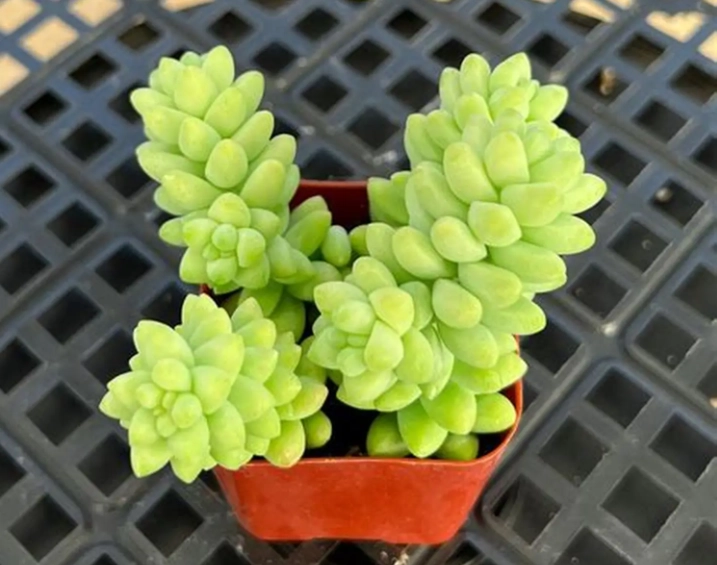
First, temperature matters more than you think. They prefer 65-75°F (18-24°C) but can tolerate down to 50°F (10°C). I lost a plant to frost when I left it near a drafty window in winter. Now, I keep it away from cold drafts and heaters.
Second, fertilization is tricky. Use a diluted, balanced fertilizer (like 10-10-10) once in spring and once in summer. Over-fertilizing causes weak growth. I once applied too much, and the stems grew fast but floppy.
Third, grooming is essential. Remove dead leaves at the base to prevent rot. But be gentle—use tweezers. I've improvised with chopsticks for hard-to-reach spots.
It's a plant that rewards patience.
One success story: I gave a small propagated plant to a novice gardener. She placed it in a bright kitchen window, watered sparingly, and now it's thriving. The key was ignoring the urge to fuss over it.
Your Sedum Morganianum Questions Answered
 How do I revive an overwatered sedum morganianum that's turning mushy?
Final thought: sedum morganianum isn't just a plant; it's a lesson in restraint. Give it the right conditions, then step back. With these tips, you'll have a lush, trailing succulent that turns heads for years. Happy growing!

Comments