Let's cut to the chase: snake plants (Sansevieria) thrive on neglect, and overwatering is the number one killer. The short answer is you should water them every 2 to 6 weeks, but that's like saying "drive safely"—it doesn't help much without context. I've killed a few snake plants myself by being too eager, and over the years, I've learned that watering frequency hinges on factors like light, season, and even your home's humidity. This guide dives deep into the specifics, so you can stop guessing and start growing a healthy, resilient plant.
What's Inside This Guide
Why Snake Plants Are So Drought-Tolerant
Snake plants originate from arid regions in West Africa, where rainfall is sporadic. They've evolved to store water in their thick, succulent leaves—those stiff, sword-like structures aren't just for looks. Inside, they hold moisture like a camel's hump, allowing them to survive long dry spells. This adaptation means they're built to handle underwatering far better than overwatering. In fact, according to NASA's Clean Air Study, snake plants are excellent at purifying indoor air, but that's a bonus; their real superpower is resilience. I remember buying my first snake plant and watering it weekly because it "looked dry." Big mistake. The leaves turned mushy, and I learned the hard way that these plants prefer a soak-and-dry approach.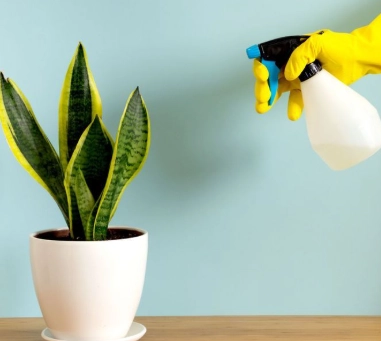
Factors That Affect How Often You Should Water
Forget a fixed schedule. How often you water depends on your specific environment. Here are the key players.
Light Exposure
More light means more photosynthesis and faster water use. A snake plant in a bright, south-facing window might need water every 2-3 weeks in summer. In a low-light corner, like an office with fluorescent bulbs, it could go 6 weeks or more. I have one in my dimly lit bathroom that I water only once every two months, and it's perfectly happy. The trick is to observe: if the plant is getting indirect light for 6+ hours a day, lean toward the shorter end of the watering interval.
Temperature and Season
Snake plants slow down in cooler months. During winter, when temperatures drop below 60°F (15°C) and growth stalls, watering frequency should drop too. In summer, with warmer temps and active growth, they'll drink more. But here's a nuance many miss: indoor heating in winter can dry out the soil faster, so don't assume less water automatically. Check the soil moisture regularly.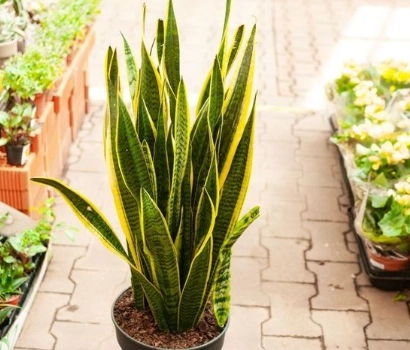
Pot Size and Soil Type
A small pot dries out quicker than a large one. Soil matters even more—snake plants need well-draining mix. I use a cactus soil blended with perlite, which prevents waterlogging. Heavy, moisture-retentive soil is a death sentence; it stays wet for weeks, promoting root rot. If your plant is in a decorative pot without drainage holes, you're asking for trouble. Always opt for pots with holes at the bottom.
A Step-by-Step Guide to Watering Snake Plants
Here's how I water mine, based on trial and error.
First, gather your supplies: a watering can with a narrow spout, room-temperature water (cold water can shock the roots), and maybe a saucer to catch excess.
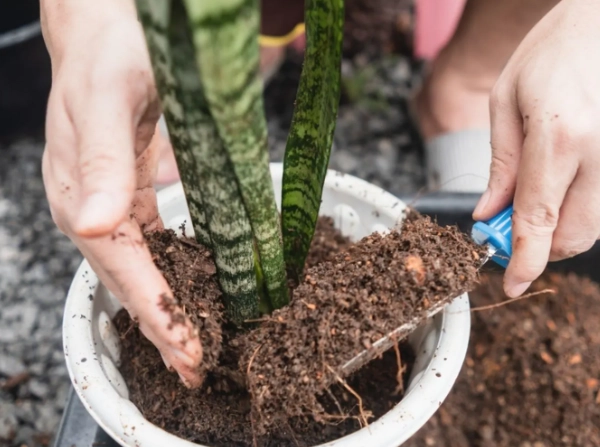
Check the soil. Don't just glance at the surface—dig in a bit. If the top 1-2 inches are bone dry, proceed. If not, walk away. Seriously, wait another week.
Water thoroughly. Pour water evenly around the base until it starts draining out the bottom. This ensures the roots get hydrated without leaving dry pockets. Let the pot sit in the saucer for about 10 minutes, then discard any standing water. Never let the plant sit in water; that's a fast track to rot.
Observe and adjust. After watering, note how long it takes for the soil to dry out. In my experience, in average home conditions (70°F, moderate light), it takes 3-4 weeks. But your mileage may vary—keep a mental log.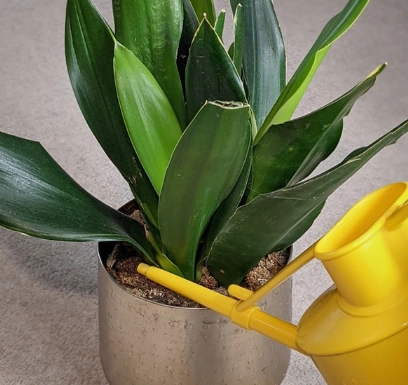
Common Mistakes and How to Avoid Them
Most snake plant deaths come from overwatering, but there are subtler errors.
Mistake 1: Watering on a strict schedule. Life isn't that predictable. I used to water every Sunday, and my plant suffered. Now, I check the soil every 10 days or so, and water only when needed.
Mistake 2: Ignoring seasonal changes. In spring and fall, watering needs shift. For example, in transitional seasons, I water every 4 weeks, but in peak summer, it might be every 2.5 weeks.
Mistake 3: Using the wrong pot. Glazed ceramic pots retain moisture longer than terracotta. If you love a decorative pot, use it as a cache pot—keep the plant in a plastic nursery pot inside, and remove it for watering.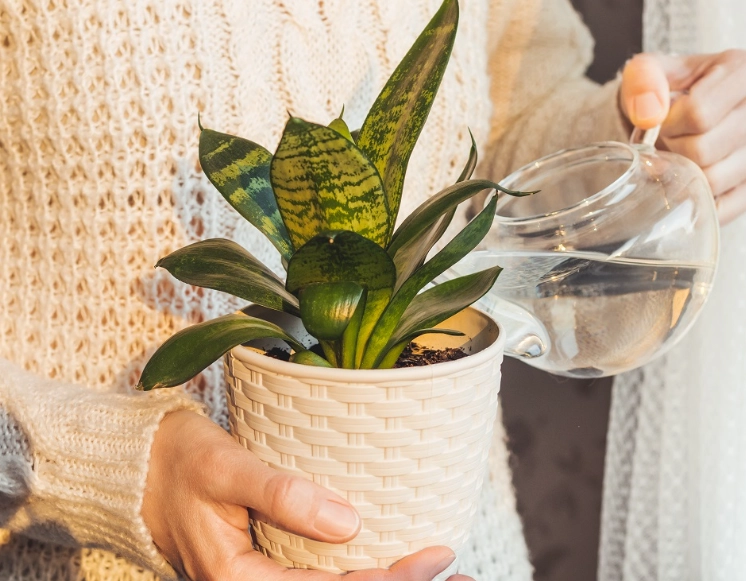
Seasonal Watering Schedule Table
This table summarizes a typical watering frequency based on season and light conditions. Use it as a starting point, but always verify with the soil test.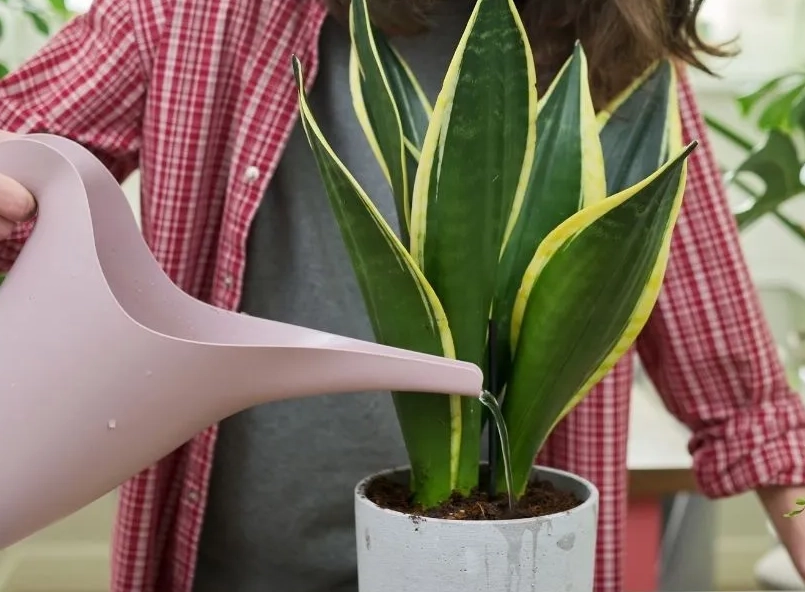
| Season | Light Condition | Approximate Watering Frequency | Key Considerations |
|---|---|---|---|
| Spring | Bright indirect light | Every 3-4 weeks | Growth resumes; increase water gradually |
| Summer | Direct morning light | Every 2-3 weeks | Higher evaporation; check soil more often |
| Fall | Moderate light | Every 4-5 weeks | Growth slows; reduce watering as temps drop |
| Winter | Low light | Every 6-8 weeks | Minimal growth; water sparingly, avoid cold drafts |
Note: These frequencies assume room temperatures of 65-75°F (18-24°C) and well-draining soil. Adjust if your home is particularly dry or humid.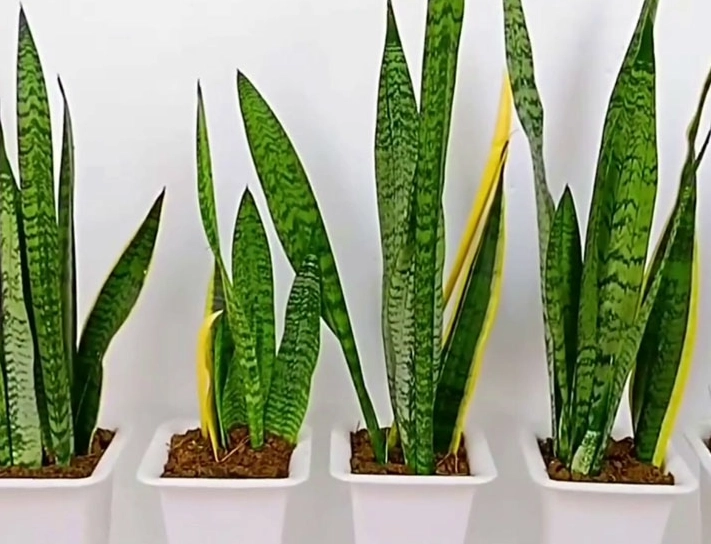
FAQ – Your Snake Plant Watering Questions Answered
To wrap up, watering snake plants is more art than science. Trust the soil, not the clock. These plants are forgiving, but they reward attention to detail. Start with the guidelines here, tweak based on your environment, and you'll have a lush, low-maintenance companion for years. If you're ever in doubt, wait a few more days—it's better to underwater than overwater. Happy growing!
Comments