Transplanting succulents seems straightforward. You get a new pot, some dirt, and move the plant. But that's exactly how I killed my first few Echeverias. The devil is in the details—the timing, the soil texture, that critical waiting period before watering. Get those wrong, and you're left with a mushy stem and a lesson in regret. After a decade of growing everything from hardy Sempervivums to finicky Lithops, I've refined a process that works. This isn't just about moving a plant; it's about giving it a better home without sending it into shock.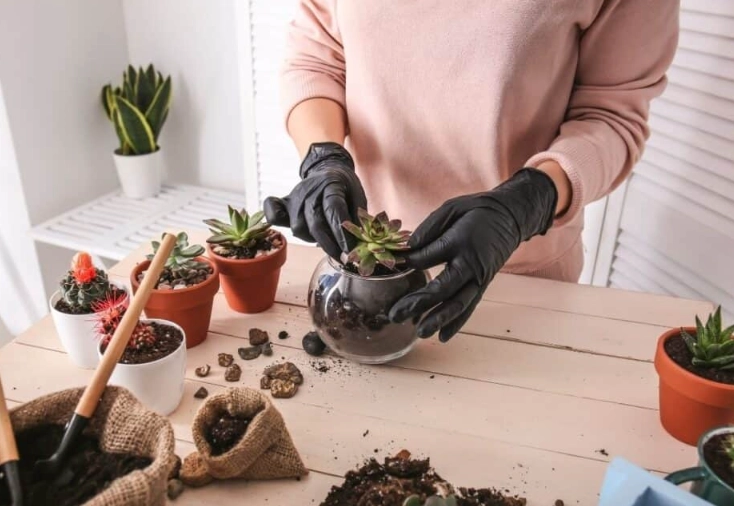
What You'll Learn
When is the Best Time to Transplant Succulents?
Timing is everything. Do it when the plant is asleep, and it might never wake up.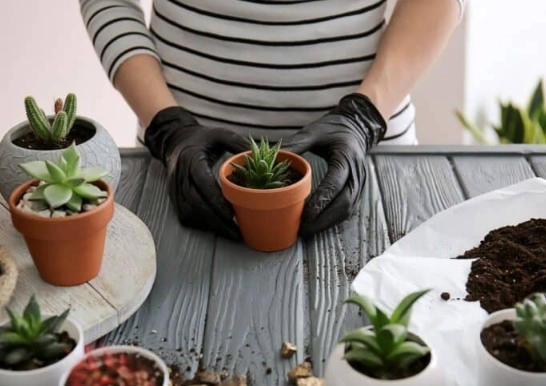
The absolute golden rule is to repot during the active growing season. For most common succulents (Echeveria, Sedum, Aloe), this is spring and early summer. The longer days and warmer temperatures give the plant the energy it needs to push out new roots and recover from the move. Fall can work for some, but avoid winter and the peak heat of midsummer.
Signs your succulent is begging for a new pot: Roots are growing out of the drainage hole (the classic sign). The soil dries out suspiciously fast (within a day or two of watering). The plant has become top-heavy and tips over easily. It hasn't shown any new growth in over a year. The soil looks degraded or crusty.
Here's a nuance most guides miss: just because it's spring doesn't mean you should water it and then immediately repot. If you've just watered your plant, wait. Let the soil dry out completely first. Transplanting a succulent with wet roots dramatically increases the risk of rot because any tiny break in a root becomes an entry point for pathogens in the damp environment. I repot when the plant is thirsty.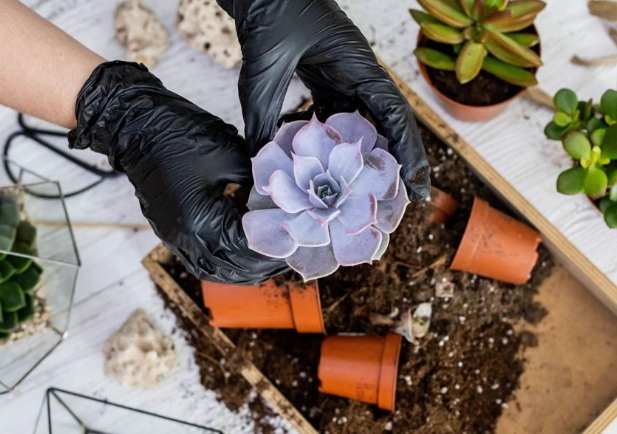
Gathering Your Tools: The Succulent Transplant Kit
You don't need fancy gear, but the right materials make the difference between success and a soggy disaster.
- The Pot: Always, always with a drainage hole. Terracotta is my top choice—it's porous, which helps soil dry evenly and prevents overwatering mistakes. Size matters. Go only 1-2 inches wider in diameter than the current pot. A pot that's too large holds excess moisture around the roots, which they hate.
- The Soil: This is the most critical element. Standard potting soil is a death sentence. You need a fast-draining, gritty mix. A good starting recipe is 50% potting soil and 50% perlite or pumice. For finicky types like cacti or mesembs, I use even more grit—up to 70-80%. You can buy pre-mixed succulent soil, but I often find I need to add more perlite to it.
- Tools: A small trowel or spoon. Kitchen tongs wrapped in soft tape (perfect for handling spiny cacti or delicate farina-covered leaves without leaving marks). A chopstick (invaluable for poking soil into root spaces). Sharp, clean scissors or pruning shears (for root trimming). Newspaper or a tray to contain the mess.
I learned the hard way that using garden soil, even if it "seems sandy," is a terrible idea. It compacts in pots, suffocating roots and creating a wet, anaerobic environment. Stick to a soilless, mineral-heavy mix.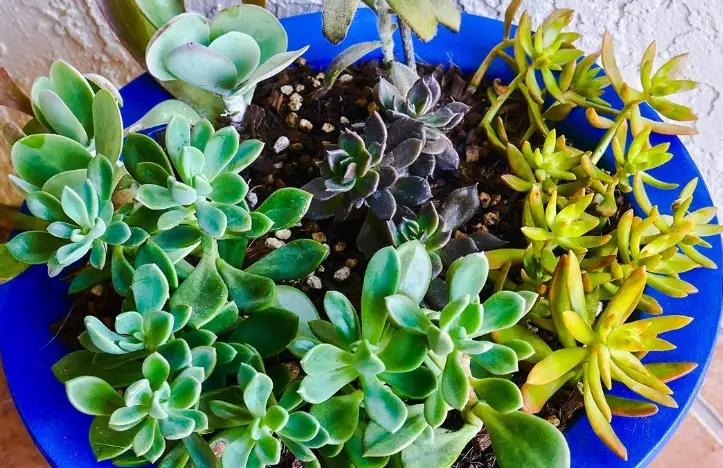
The Step-by-Step Transplant Process
Let's walk through the move. Take it slow. This isn't a race.
Step 1: The Gentle Extraction
Don't just yank the plant out. Squeeze the flexible pot or run a knife around the inside edge to loosen the soil. Tip the pot sideways and gently coax the plant and its root ball out. If it's stubborn, you can use the chopstick through the drainage hole to push up gently.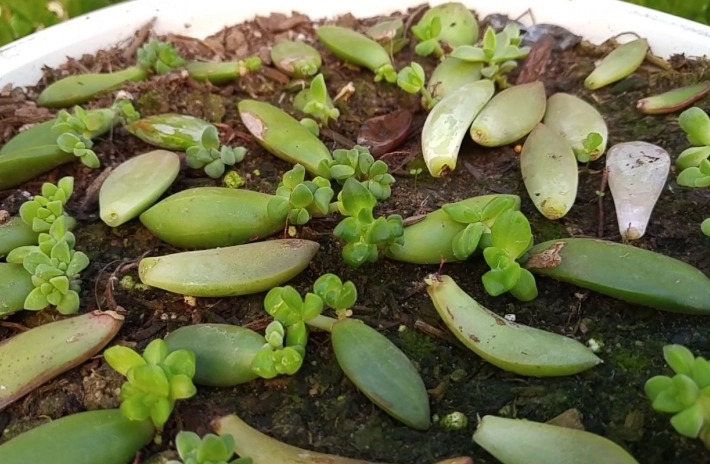
Step 2: The Root Inspection & Surgery
This is where you play plant doctor. Gently brush away the old soil to expose the roots. Look for:
- Healthy roots: Firm, white or light-colored.
- Dead roots: Brown, black, crispy, or mushy. These need to go.
Use your clean shears to snip off any dead or excessively long, circling roots. Don't be scared to cut. Removing dead material encourages new growth. A common mistake is being too gentle and leaving a mass of dead roots that will rot in the new pot. Let the plant sit out in the air, out of direct sun, for a few hours to a full day. This allows any cut or broken roots to callous over, sealing themselves against rot.
Step 3: Potting Up
Place a piece of mesh or a shard over the drainage hole to keep soil in. Add a layer of your fresh, dry succulent mix to the bottom. Hold your succulent in the new pot so the base of the stem sits just below the rim. With your other hand, use the trowel or chopstick to fill in soil around the roots. Gently tap the pot to settle the mix. Don't press down hard—you want air pockets. The goal is to support the plant, not compact it into concrete.
The Big Mistake: The single most common error I see is watering immediately after repotting. You must resist. Those roots have micro-tears and need time to heal. Watering now invites rot. Place the repotted plant in bright, indirect light and walk away. For at least 5-7 days. Sometimes a full week.
Post-Transplant Care: The Critical First Weeks
Your job isn't over after the pot is filled. The first month dictates survival.
After the mandatory one-week dry period, give it a thorough soak. Water until it runs freely from the drainage hole. Then, let it dry out completely again before the next watering. This cycle encourages the roots to grow outward seeking moisture.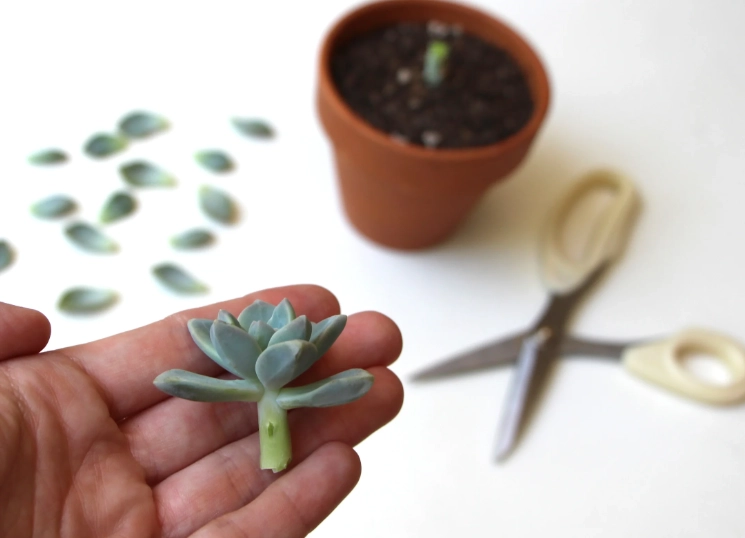
Keep it in bright, indirect light for 2-3 weeks. No direct, scorching sun just yet—the plant is stressed and more susceptible to sunburn. You might see some bottom leaves withering. This is normal. The plant is reallocating energy to root growth. Only panic if the stem itself gets mushy or the new growth at the center turns black.
Hold off on fertilizer for at least a month, preferably until you see obvious new growth. The fresh soil has enough nutrients.
Troubleshooting: Why Did My Succulent Die After Repotting?
If things go south, here's how to diagnose the problem. This table covers the main culprits I've encountered.
| Symptom | Likely Cause | How to Fix (or Prevent Next Time) |
|---|---|---|
| Leaves turning mushy, yellow, translucent from the bottom up | Root rot from overwatering, usually due to watering too soon after repotting or using non-draining soil. | Stop watering. Unpot, remove all mushy parts, let the plant dry/callous for several days, and replant in dry, gritty mix. Wait 10+ days to water. |
| Leaves shriveling dramatically, plant looks deflated | Underwatering or root damage so severe it can't take up water. | If the stem is firm, give it a deep soak. If the roots were heavily trimmed, it may need more time to grow new ones. Be patient. |
| Brown, scorched spots on leaves | Sunburn. Moved into direct sun too quickly after transplanting. | Move to bright, indirect light. The scars are permanent, but the plant will outgrow them. |
| No new growth, plant seems "stuck" | Transplanted during dormancy (e.g., a winter-dormant succulent repotted in fall). Or, the pot is far too large. | Ensure conditions are warm and bright. If the pot is huge, consider downsizing. Sometimes, you just have to wait for the right season. |
Advanced Tips: Propagating During Transplant
Transplant time is the perfect opportunity for propagation. While you have the plant out, gently remove any healthy, plump leaves that come off easily (for leaf propagation) or snip off offsets ("pups") with a clean cut.
Let these cuttings callous over for a few days, then place leaves on dry soil or stick stem cuttings into the mix. Don't water until you see tiny roots or new growth. This way, you're not just repotting one plant—you're starting a whole new generation. A study from the University of Florida's IFAS Extension notes that succulents are among the easiest plants to propagate vegetatively, making this a highly efficient way to expand your collection.
Frequently Asked Questions
My succulent's leaves are falling off after repotting. What did I do wrong?
A few bottom leaves drying up is normal as the plant redirects energy. If healthy, plump leaves are dropping, it's usually a sign of shock. The most common triggers are handling the plant too roughly (damaging the stem or roots), not letting the roots callous before repotting, or exposing it to a drastic temperature change. Ensure you're using the dry transplant method and handling with care.
Can I use regular potting soil if I add rocks to the bottom of the pot?
No. This is a persistent myth. A layer of rocks at the bottom creates a "perched water table"—it actually raises the level of saturated soil higher up into the pot, making the roots' environment wetter for longer. It doesn't improve drainage. You must amend the entire soil volume with gritty material like perlite or pumice. The drainage hole is the only exit for water; the soil mix determines how fast it gets there.
How long should I wait to water a succulent after repotting if I live in a very humid climate?
In high humidity, extend the dry period. Wait at least 7-10 days, maybe even two weeks. The air moisture slows soil evaporation and plant transpiration, so the risk of rot is higher. Stick your finger deep into the soil. If you feel any coolness or moisture at all, wait longer. When in doubt, wait it out.
Is it okay to transplant a succulent that is flowering?
It's not ideal. Flowering takes a massive amount of energy. Transplanting adds another major stress. The plant may abort its flowers to focus on root survival. If you must, be extra gentle and don't disturb the roots more than absolutely necessary. Personally, I'd wait until the flower stalk starts to dry up.


Comments