Let's be clear from the start: calling it "cactus dirt" is part of the problem. Dirt is what you sweep off the floor. What your spiky friend needs is a carefully engineered growing medium—a mix that replicates the harsh, fast-draining conditions of a desert wash or rocky slope. Get this wrong, and you're signing up for slow decline, mushy stems, and the heartbreak of root rot. Get it right, and your cactus will not just survive, it will thrive, rewarding you with vigorous growth and stunning blooms.
I learned this the hard way. Years ago, I potted a prized golden barrel cactus in a bag of "cactus and succulent" mix from a big-box store. It looked okay. A year later, during repotting, I found a dense, soggy core in the middle of the root ball that never dried out. The plant was barely hanging on. That's when I stopped trusting pre-mixed bags blindly and started making my own. The difference was night and day.
What's Inside This Guide
Why Regular Potting Soil is a Death Sentence for Cacti
Standard potting soil is designed for moisture retention. It's full of fine peat, coir, and compost that hold water like a sponge—exactly what your cactus doesn't want. Cactus roots are adapted to absorb water rapidly during rare rains and then breathe in dry, airy soil. In dense, moisture-retentive soil, they suffocate. The constant dampness creates a playground for anaerobic bacteria and fungi that cause root rot.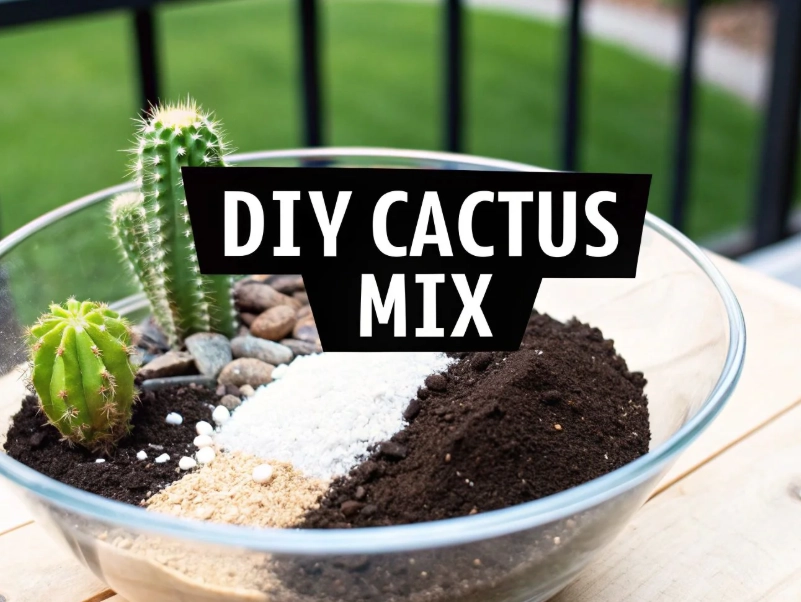
Think of it like footwear. Regular potting soil is a pair of rubber boots you wear all day, every day. Your feet get sweaty, smelly, and prone to infection. A proper cactus mix is like a well-ventilated hiking sandal—it supports you but lets air flow freely, keeping things dry and healthy.
The Building Blocks: A Breakdown of Every Ingredient
Your homemade mix is a cocktail of inorganic (non-organic) grit and a small amount of organic matter. Here’s what each component does, where to get it, and what to avoid.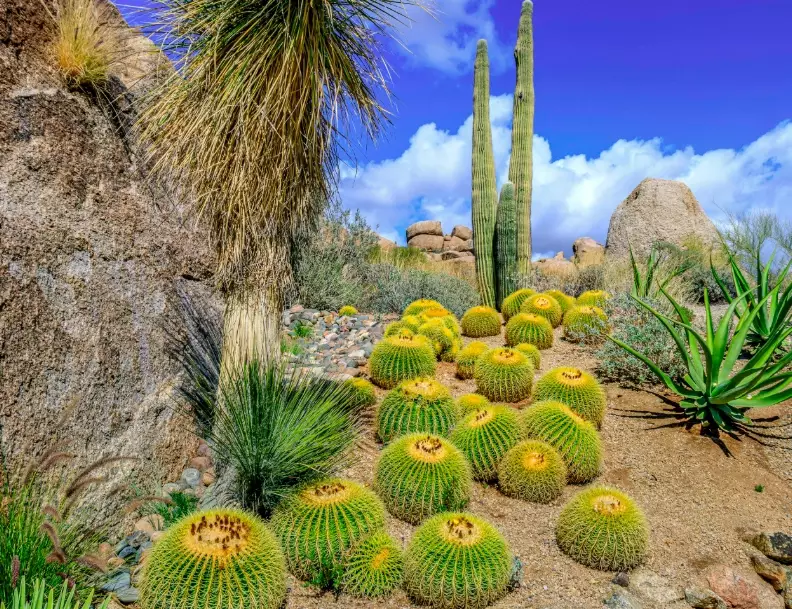
Inorganic Grit (The Foundation - 60-80% of your mix)
This is the non-porous stuff that creates permanent air pockets and weight. It doesn't break down.
| Ingredient | Best For / Pros | Cons & Warnings | Where to Find |
|---|---|---|---|
| Coarse Sand (Poultry Grit or #2) | Excellent drainage, adds weight. The gold standard if it's sharp and coarse. | AVOID fine play sand or beach sand—it compacts into concrete. Must be washed. | Farm supply stores (as poultry grit), aquarium shops, landscaping suppliers. |
| Perlite | Lightweight, improves aeration, cheap and readily available. | Can float to the top over time, very dusty (wear a mask). Looks like styrofoam pellets. | Any garden center, hardware store. |
| Pumice | My personal favorite. Porous, retains some water/air within its structure, doesn't float, has a natural look. | More expensive than perlite, can be harder to find locally. | Specialty garden stores, online retailers like Bonsai Jack. |
| Crushed Granite or Grit | Provides superb drainage and stability, gives a very natural, desert-like aesthetic. | Heavy. Can be sharp to handle. | Aquarium stores (as substrate), landscaping yards. |
Organic Matter (The Fuel - 20-40% of your mix)
This provides minimal nutrients and a tiny bit of moisture retention. It breaks down over time, which is why you repot every few years.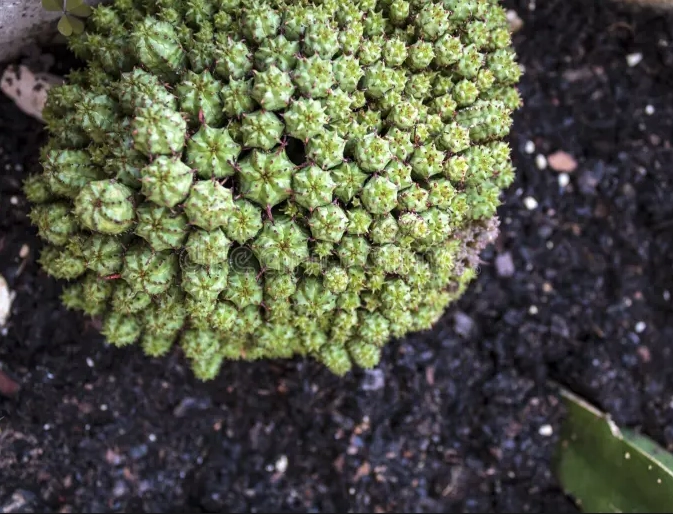
Pro Tip: The "wetter" your climate or the more you tend to overwater, lean towards 20% organic. In a very dry, hot climate or with expert-level watering restraint, you can go to 40%.
Coconut Coir or Peat Moss: Both work. Coir is more sustainable and rewets easier when bone dry. Peat is acidic, which some cacti like. Whichever you use, ensure it's not the fine, dusty kind. Get a chunky, fibrous grade.
Composted Pine Bark Fines: These are small chunks of composted bark. They provide excellent aeration as they decompose slowly and create air pockets. A great alternative or addition to coir/peat.
What NOT to use: Garden soil (full of pathogens and compacts), manure (too rich and moisture-retentive), or any moisture-control potting mix.
Your DIY Master Recipe & Mixing Method
Here is my go-to, all-purpose cactus mix that has worked for everything from tiny rebutias to large cereus. It's a ratio, not a rigid formula. A "part" can be a cup, a liter, or a shovel-full.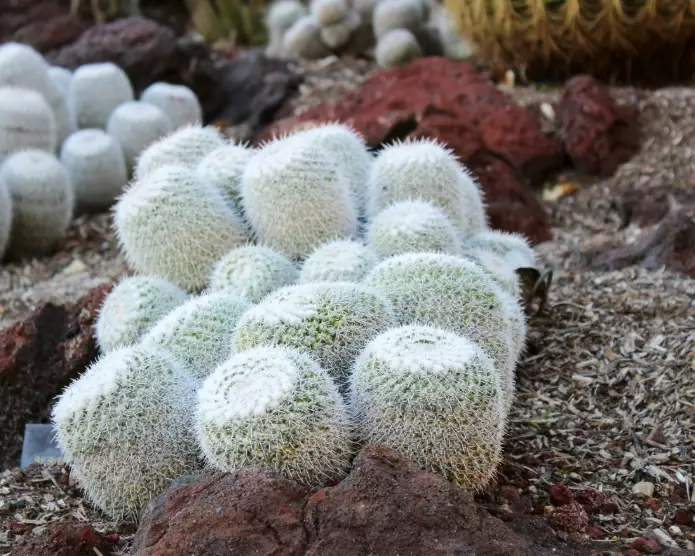
The Recipe:
- 2 parts Pumice (or 1 part Pumice + 1 part Crushed Granite)
- 1 part Coarse, Washed Sand (Poultry Grit)
- 1 part Coconut Coir or Peat Moss
- ½ part Composted Pine Bark Fines (optional, but recommended)
That's roughly 70% inorganic, 30% organic. Feel it. It should be gritty, loose, and fall apart easily in your hand. It should never clump like brownie mix.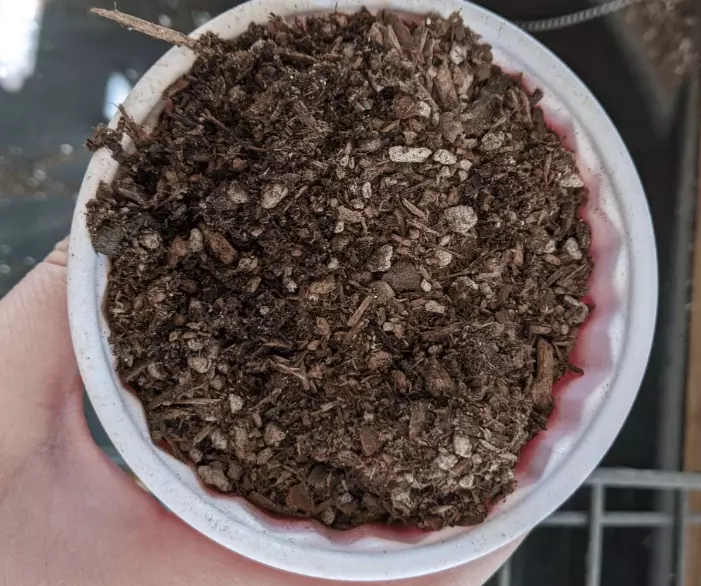
Step-by-Step Mixing Process
1. Gear Up. Do this outside or in a well-ventilated area. Wear a dust mask, especially if using perlite or dry peat.
2. Pre-moisten the Organic. Put your coir or peat in a bucket and add warm water. Let it soak and expand. This is crucial—mixing in dry peat creates a hydrophobic mess that repels water later. Squeeze out excess water so it's damp, not dripping.
3. Combine the Grit. In a large tub or wheelbarrow, mix your pumice, sand, and bark fines.
4. Marry Them Together. Add the damp organic matter to the grit and mix thoroughly with your hands or a trowel. Get it completely uniform.
5. The Squeeze Test. Grab a handful and squeeze it tightly. It should hold a loose shape for a second before crumbling apart. If it forms a dense ball, add more grit. If it won't hold any shape at all, add a touch more damp organic matter.
Your mix is ready. I usually make a large batch and store it in a covered bin.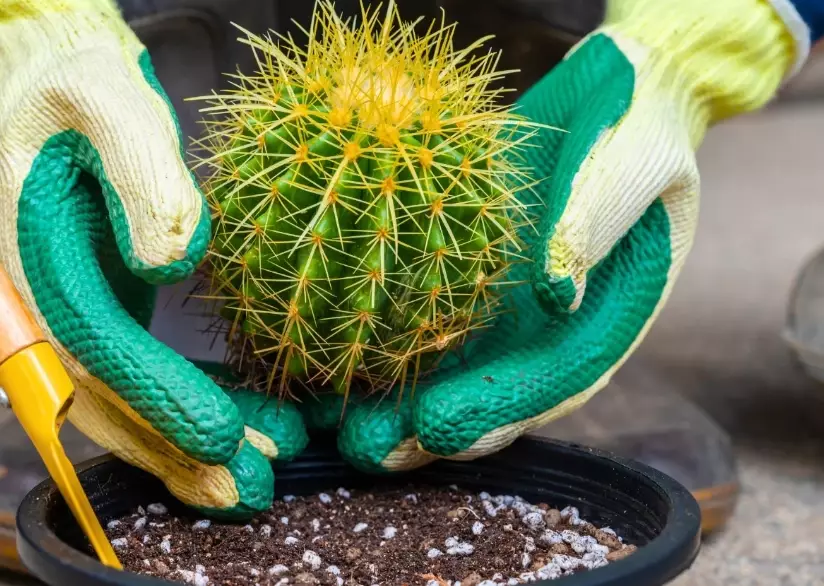
If You Must Buy: How to Choose a Commercial Mix
I get it, DIY isn't for everyone. If you're buying a bag, you must be a detective. Don't just look at the label; feel the product.
Open the bag (if possible). Pour a little into your hand. A good mix will be granular and gritty. You should see clear pieces of pumice, perlite, or bark. A bad mix will look and feel like fine, dark soil with a few white perlite specks thrown in as a token gesture.
Squeeze it. Perform the same squeeze test. If it compacts into a muddy lump, put it back.
Some brands that consistently get it right (based on my experience and community consensus) include Bonsai Jack's Gritty Mix (very inorganic, fantastic for hardcore enthusiasts), Superfly's Bonsai Succulent & Cactus Mix, and Espoma's Cactus Mix (a decent, more widely available option that often benefits from a handful of extra pumice).
Remember, even a good commercial mix is a starting point. Don't be afraid to amend it with extra perlite or pumice to suit your specific conditions.
Your Cactus Soil Questions, Answered
My cactus has been in the same store-bought mix for years and seems fine. Why change?
"Seems fine" is the key phrase. Many cacti are incredibly resilient and tolerate poor conditions for a long time, but they don't thrive. Growth is often stunted, etiolated (stretched), or they never flower. Repotting into a proper gritty mix is like moving them from a cramped, damp basement apartment to a sunny, airy loft. The explosion of new, healthy growth and roots you'll see is undeniable.
Can I use gravel or small rocks at the bottom of the pot for drainage instead of changing the soil?
This is a pervasive myth that actually makes drainage worse. Water naturally hesitates to move from a fine-textured material (soil) to a coarse one (gravel). It creates a "perched water table" right above the gravel layer, keeping the soil soggy exactly where the roots are. The only way to improve drainage is to amend the entire soil column, from top to bottom, with grit.
How often should I repot my cactus with this gritty mix?
Every 2-3 years for most growing cacti. The organic components will break down over time, slowly reducing aeration. Repotting is also your chance to check root health, size up the pot if needed, and refresh the nutrients. Do it at the start of the growing season (spring or early summer).
Do I need to add fertilizer to a soil mix with so little organic matter?
Yes, but carefully. Think of this gritty mix as an empty plate. You need to provide the food. Use a balanced, water-soluble fertilizer diluted to half-strength during the active growing season (spring/summer). A fertilizer formulated for cacti and succulents is ideal as it's typically lower in nitrogen. In the dormant winter period, stop fertilizing completely.
The water runs straight through my new gritty mix. Am I not watering enough?
That's exactly what's supposed to happen. It means the mix is draining perfectly. The goal is to saturate the entire root ball quickly and have the excess drain away immediately. To ensure it's watered thoroughly, water slowly, let it drain, then water again. The porous materials like pumice and coir will hold moisture within their structure, available to the roots, while the spaces between granules fill with air.
Comments