Let's be honest, the main reason we love snake plants (Sansevieria) is their reputation for being indestructible. But that toughness makes them one of the easiest houseplants to propagate. If you've ever looked at your full, healthy snake plant and thought, "I wish I had more of these," you're in the right place. Propagating snake plants isn't just about getting free plants—though that's a huge perk. It's about rescuing a leggy specimen, sharing a piece of your plant with a friend, or simply enjoying the satisfying process of watching new life grow from a single leaf. I've been doing this for years, and I've made every mistake so you don't have to.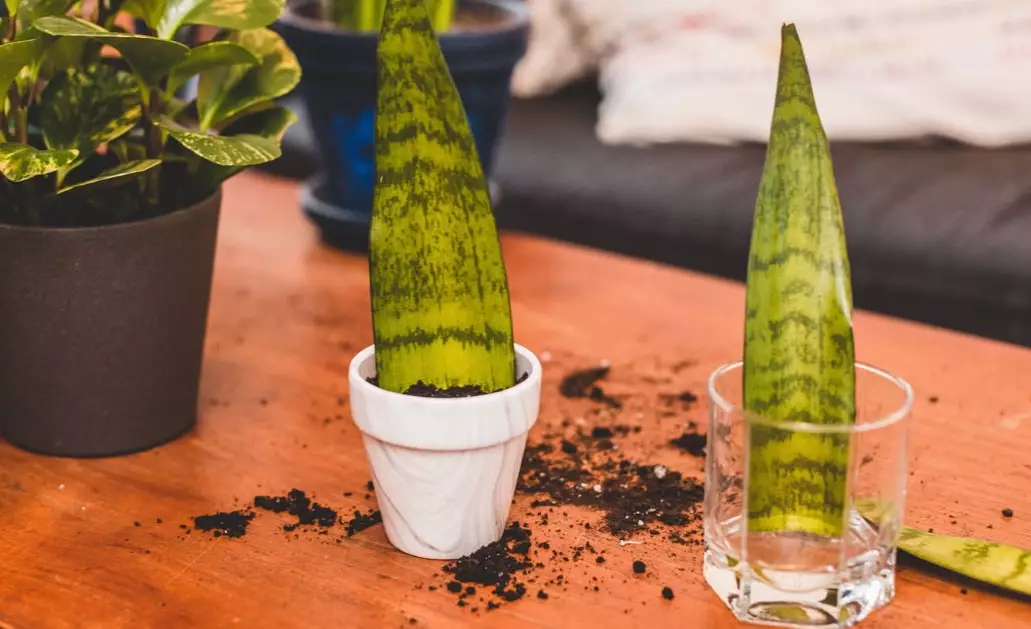
Quick Navigation: What You'll Learn
Why Bother Propagating Your Snake Plant?
Beyond the obvious "free plants" argument, there are solid reasons to propagate. Maybe your snake plant has outgrown its pot, bursting at the seams. Division gives it room to breathe. Perhaps a pet knocked it over, breaking a leaf. Don't throw that leaf away—it's a new plant waiting to happen. Or you might have a prized variety like the cylindrical 'Sansevieria cylindrica' or the striking 'Moonshine' that you want to spread around your home. Propagation is the most rewarding part of plant parenting. It turns a passive hobby into an active, creative one.
Pro Tip: The best time to propagate is during the active growing season, from spring through early fall. The plant's natural growth hormones are kicking, leading to faster root development. You can try in winter, but expect everything to move at a glacial pace.
Snake Plant Propagation Methods: Which One Wins?
You have two main roads here: division and leaf cuttings. They serve different purposes. Think of division as cloning—you get an exact, mature replica of the mother plant instantly. Leaf cuttings are more like starting from scratch—it's slower, and for variegated types, there's a catch (more on that later).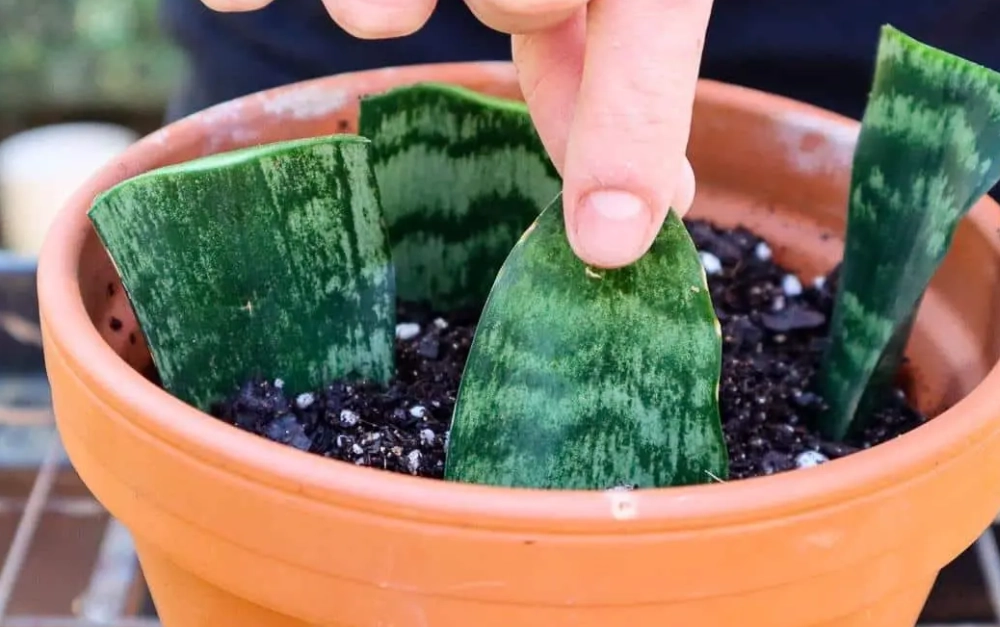
| Method | Best For | Time to New Plant | Key Advantage | Biggest Risk |
|---|---|---|---|---|
| Division | Overcrowded, mature plants; preserving variegation | Guaranteed success; instant mature plant | Root shock if done poorly | |
| Leaf Cuttings (Water) | Beginners; visual learners; single broken leaves | 2-4 months | You can watch roots grow; less initial rot risk | Transition shock when moving to soil |
| Leaf Cuttings (Soil) | Those who want to "set and forget"; bulk propagation | 3-6 months | No transplant shock; stronger initial root system | Overwatering can cause rot before roots form |
Most guides will tell you both work fine. Here's my non-consensus take: if your goal is a guaranteed, stress-free new plant that looks exactly like the parent, division is the only method you should consider. Leaf cuttings are fun science projects, but they require more patience and carry that variegation-loss surprise.
How to Propagate Snake Plant by Division: The Instant Plant Method
This is my go-to method. It feels like surgery, but it's simple. You're separating a clump of leaves that's already its own plant unit, complete with roots.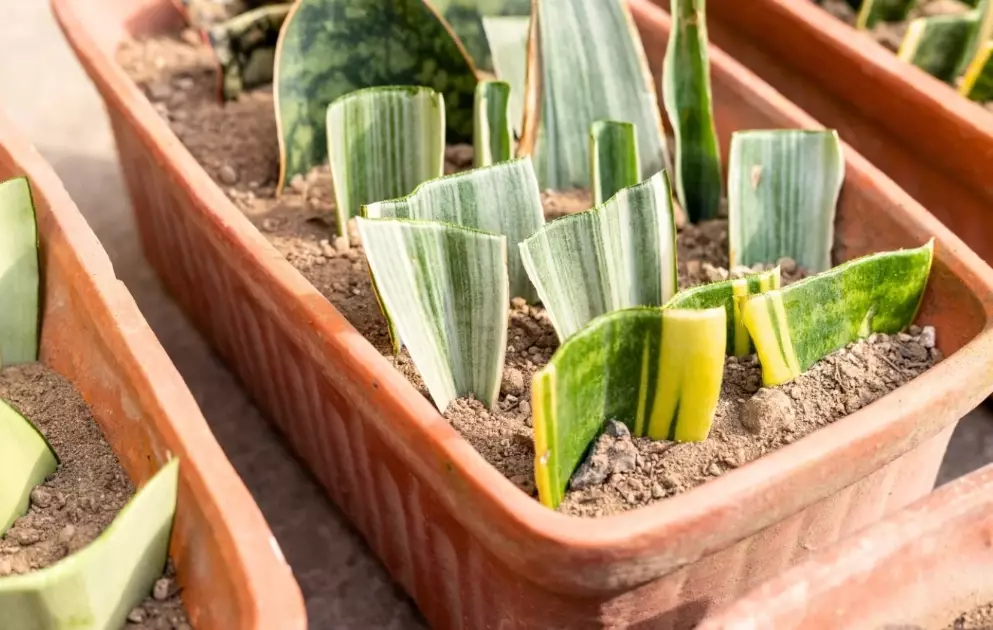
What You'll Need
A sharp, clean knife or garden spade. Rubbing alcohol for sterilization. Fresh potting mix (a well-draining cactus/succulent blend is perfect). A new pot with drainage holes. Your overgrown snake plant.
The Process, Step by Step
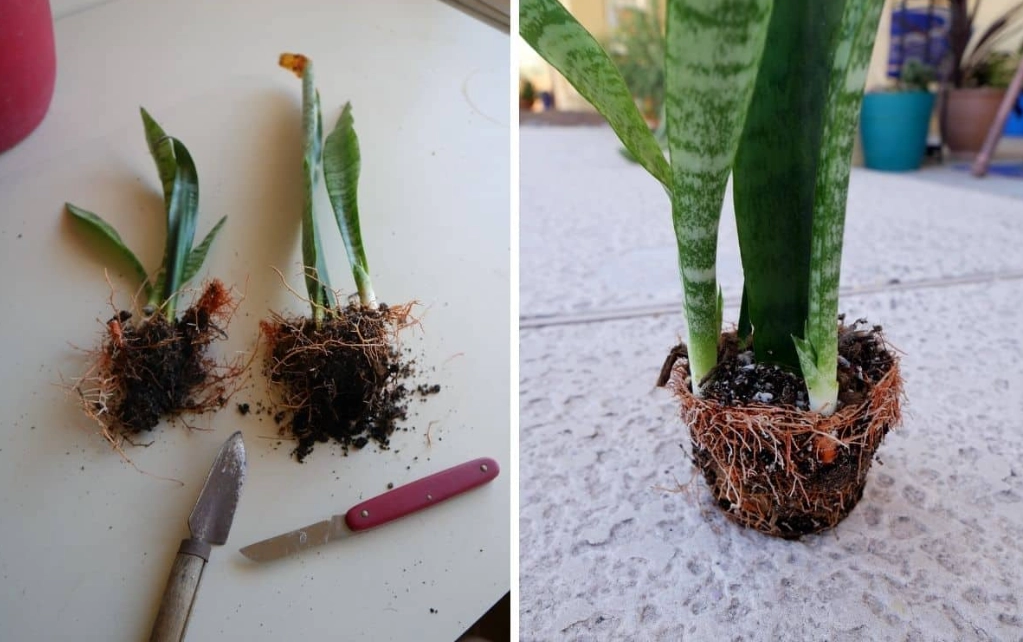
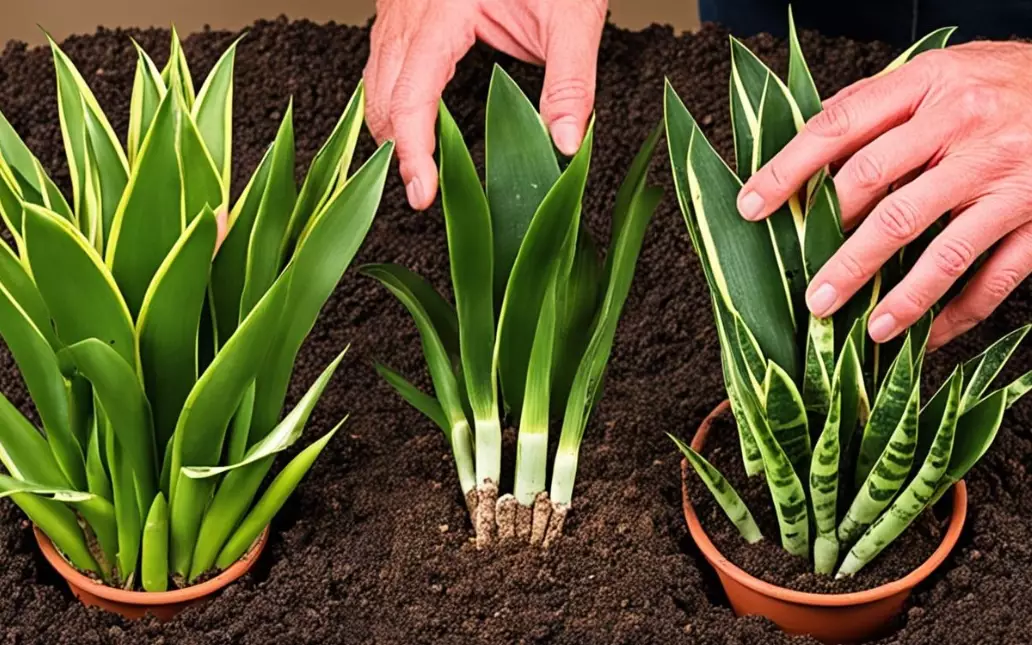
Water your plant a day or two before. A hydrated plant handles stress better. Gently remove the entire plant from its pot. Lay it on its side on newspaper. Now, look for natural separation points—clusters of leaves that seem to be growing together. Your goal is to tease these apart with minimal root damage. For really tight root balls, you might need to use your sterilized knife to cut through the rhizome (the thick, horizontal stem underground). Ensure each division has at least 2-3 healthy leaves and a good chunk of roots attached.
This is where people mess up. They create divisions that are too small, with just one leaf and a tiny root nub. That division will struggle for years. Go for robust sections.
Pot each division into its own container with fresh soil. Don't bury the leaves too deep—plant them at the same soil level they were before. Water lightly to settle the soil, then place in bright, indirect light. Hold off on fertilizing for at least a month while it acclimates.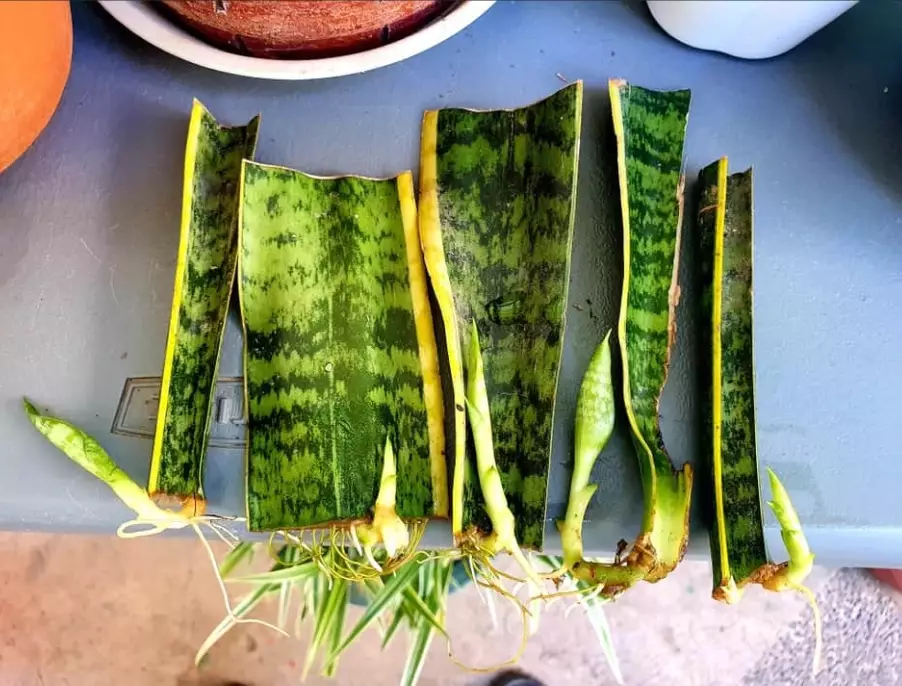
How to Propagate Snake Plant from Leaf Cuttings
This is for when you don't have a big plant to divide, or you're working with a single leaf. The most critical step happens before you even make the cut.
The Variegation Warning: If you're propagating a variegated snake plant like 'Laurentii' (yellow edges) or 'Bantel's Sensation' (white stripes) from a leaf cutting, the new plant will almost always revert to plain green. The variegation is a genetic mutation often locked in the rhizome, not the leaf. Division is the only way to keep those beautiful edges.
Taking the Perfect Cutting
Choose a healthy, firm leaf. Using clean shears, cut it off at the base, near the soil line. Now, here's the expert trick nobody talks about: mark the bottom. The leaf cutting will only root from the end that was closest to the soil. If you stick it in upside down, it will just rot. I use a tiny dot with a permanent marker. Let the cut end dry and callous over for 1-3 days. This seals it and prevents rot when it goes into water or soil. Rushing this step is the #1 cause of failure.
Water Propagation: The Watchful Gardener's Method
Take your calloused cutting and place the bottom inch or two in a glass of room-temperature water. Use a narrow vase or jar to keep the leaf upright. Change the water every 5-7 days to prevent bacterial growth. Place it in a spot with bright, indirect light.
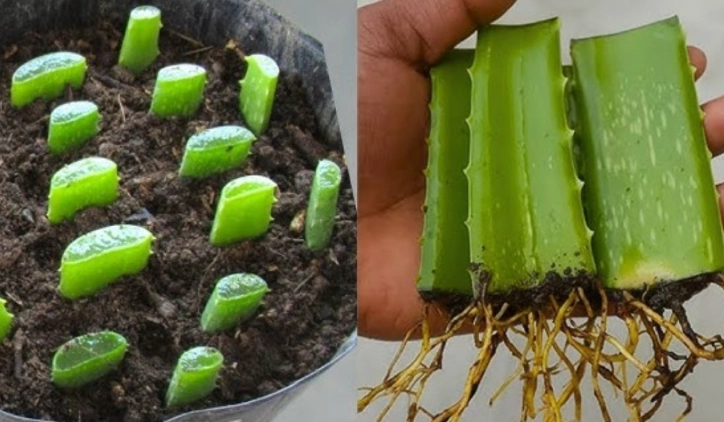
Now, wait. And wait some more. Snake plants are slow. You might see small, white roots emerging from the base in 4-8 weeks. A small rhizome (a little orange-ish nub) will follow. Once the roots are about an inch or two long, you can pot it up. Don't wait until you have a jungle of roots—that makes the transition to soil harder.
 Soil Propagation: The "Set and Forget" Method
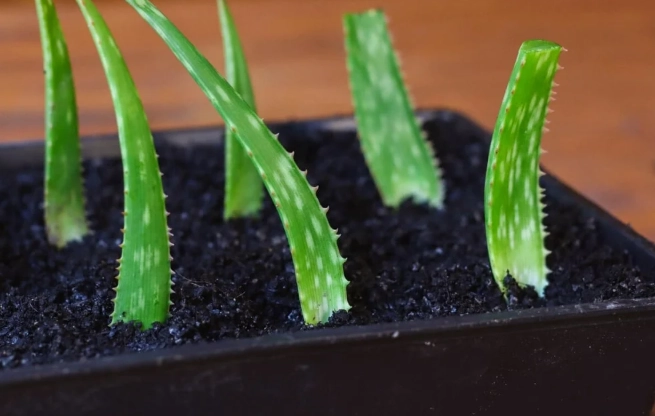
I prefer this for bulk propagation. Prepare a small pot with that fast-draining succulent mix. Insert your calloused cutting about an inch deep into the soil. You can plant multiple cuttings in one pot. Water it just once, lightly, to dampen the soil. Then, do not water it again until you see signs of new growth. This is crucial. The cutting has no roots to drink with, so wet soil will rot it. Place it in bright, indirect light and ignore it. Seriously. In a month or two, give it a gentle tug. If there's resistance, roots have formed. You can then begin a regular, sparse watering routine.
Post-Propagation Care & Troubleshooting Your New Plants
Your baby snake plants aren't as tough as the adults yet. Treat them with a bit more care.
Light: Bright, indirect light is ideal. Avoid harsh, direct afternoon sun which can scorch the tender new growth. A north or east-facing window is perfect.
Watering: This is the killer. The mantra "neglect is best" applies doubly here. Water only when the soil is completely dry, and then water thoroughly. For a small pot, that might be every 3-4 weeks. When in doubt, wait another week.
Common Problems & Fixes:
- Cutting is mushy and brown at the base: Rot. You watered too soon (soil) or didn't change the water (water prop). It's likely a loss. Start over, ensuring a good callous.
- No roots after 3 months: Be patient. Ensure it's getting enough warmth and light. If in water, try adding a pothos cutting to the same vase—they release natural rooting hormones.
- New growth is spindly and pale: It needs more light. Move it to a brighter spot.
- Leaf wrinkling or curling: It's thirsty. Give it a good soak.
According to the University of Florida IFAS Extension, Sansevieria are remarkably resilient due to their rhizomatous growth, which is exactly what you're exploiting during propagation. They note that well-draining soil is non-negotiable for long-term health, a rule that starts from day one of propagation.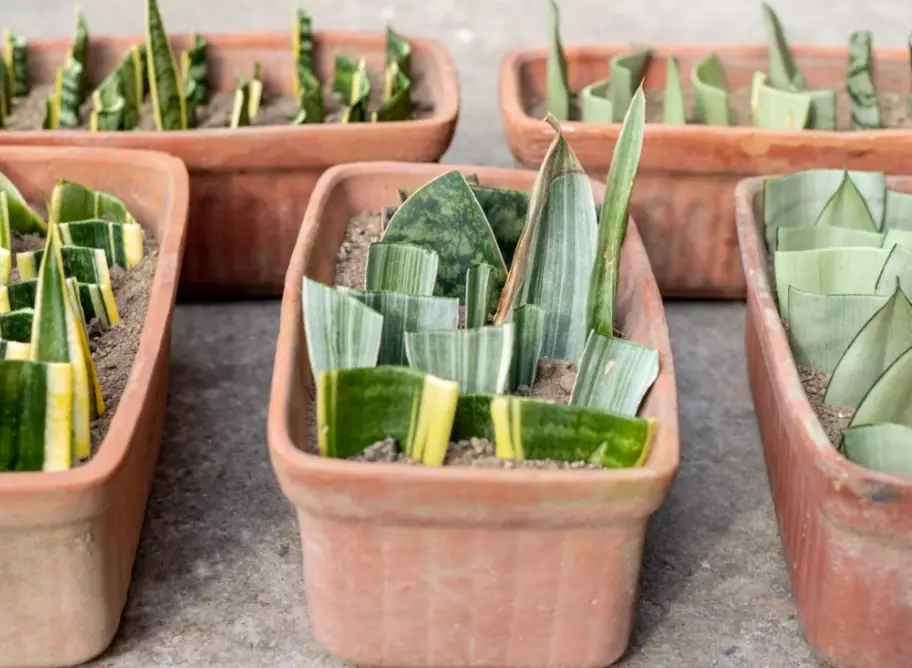
Your Snake Plant Propagation Questions, Answered
My leaf cutting in water has roots, but it's been months and no new pup (baby plant) is growing. What's wrong?
This is completely normal and the most common point of frustration. Roots come first, often taking up to two months. The pup grows from a rhizome, which forms after the roots. It can take another 1-2 months after rooting to see that first green spike push through. Keep it in bright light and be patient. If you have roots and a small rhizome nub, you're on the right track.
Can I propagate a snake plant from a cutting of just part of a leaf?
Yes, you can cut a single leaf into multiple 3-4 inch segments. This is great for making many plants from one leaf. Remember to mark the bottom of each segment! Let all pieces callous. The segment will root from the end that was closest to the soil root system. However, the new plant will usually be smaller and take even longer to produce a pup than a full-leaf cutting.
 I divided my plant, and now the leaves are drooping. Did I kill it?
Probably not. This is transplant shock. The roots were disturbed and need time to re-establish in the new soil. Ensure it's not sitting in soggy soil. Place it in stable, indirect light and avoid moving it around. Resist the urge to water it again. The droop should improve over 1-2 weeks as new roots grow. If the leaves are turning mushy and yellow, then overwatering/rot is the issue.
Is rooting hormone necessary for snake plant propagation?
Not necessary, but it can help. For leaf cuttings in soil, a dip in rooting hormone powder can speed up root initiation and provide some antifungal protection. For division or water propagation, it's not needed. If you use it, dip the calloused end lightly and tap off the excess before planting.
How long until my propagated snake plant looks like the ones in the store?
Manage your expectations. A division will look presentable immediately. A plant grown from a leaf cutting will be a slow journey. It might take 1-2 years to fill out a 4-inch pot with multiple leaves. The joy is in the journey—watching your own creation grow from nothing. Commercial growers use ideal, controlled conditions we can't match at home, so focus on the health of your plant, not its speed.

Comments