Quick Guide Highlights
So your aloe plant is looking a bit... crowded. Maybe it's spilling out of its pot, or you've noticed a bunch of little baby plants crowding the base. You know it's probably time to learn how to replant an aloe plant, but the whole idea feels a bit daunting. What if you hurt it? What if you use the wrong soil and it rots? I've been there. I've accidentally murdered a succulent or two in my day by being overzealous with the watering can after a repot.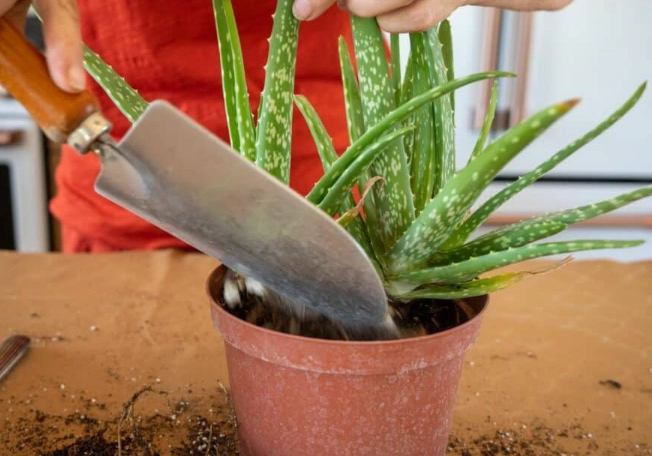
But here's the good news: aloe vera is one of the toughest, most forgiving houseplants out there. Learning how to replant an aloe vera plant is simpler than you think, and doing it right gives your plant a new lease on life. This isn't just about moving dirt around; it's about giving those roots room to breathe and ensuring your plant stays healthy for years to come. We're going to walk through the whole process, from spotting the signs that it's time, to the actual move, and the crucial care afterwards. No fluff, just the stuff that actually works.
Why and When You Need to Replant Your Aloe
Aloe plants aren't high-maintenance, but they do send clear signals when they're unhappy with their living quarters. Repotting isn't something you do on a yearly schedule like some other plants. You do it when the plant tells you to. Ignoring these signs is how you end up with a stunted, struggling aloe.
The number one reason? Root bound conditions. The pot becomes a tangled mass of roots with little soil left to hold water or nutrients. The plant literally chokes itself. Other reasons include soil that's broken down and no longer drains well (a death sentence for succulents), or simply wanting to propagate those adorable offshoots, called "pups."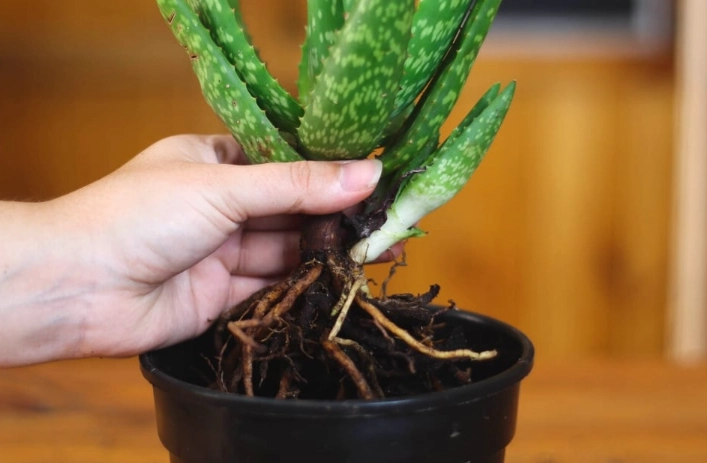
Top Signs It's Time to Replant
- Roots Coming Out of the Drainage Holes: This is the classic, unmistakable sign. If you see a white or tan root poking out the bottom, it's past time.
- The Plant is Top-Heavy and Tips Over Easily: The root ball has grown so dense that the pot can't counterbalance the weight of the leaves anymore.
- Water Runs Straight Through the Pot: When you water, it immediately flows out the bottom. This means there's more root than soil, so nothing is retained.
- Stunted Growth: Your aloe hasn't produced new leaves in a long time, even during the growing season (spring/summer).
- A Crowd of "Pups": Multiple baby plants are forming a tight cluster around the mother plant. They're competing for resources.
- The Soil Looks Exhausted: It's become hard, compacted, or looks like it's decomposing into fine, muddy particles.
Timing matters too. The absolute best time to undertake how to replant an aloe plant is in the spring or early summer. This is when the plant is entering its active growth phase, so it can recover from the shock of moving and establish new roots quickly. You can do it in other seasons if you must (like if it's severely root-bound), but recovery will be slower. Avoid winter repotting unless it's an emergency.
Gathering Your Supplies: The Right Tools for the Job
You don't need fancy equipment, but having the right stuff on hand makes the process smooth. Trying to dig out a root-bound aloe with a kitchen spoon is an exercise in frustration. Here’s your checklist:
The New Pot: This is critical. Always choose a pot with drainage holes. Terra cotta pots are fantastic for aloe because they're porous, allowing the soil to dry out from the sides as well as the bottom, which helps prevent overwatering. A ceramic or plastic pot with holes is fine too. Size? Go only 1-2 inches larger in diameter than the current pot. A pot that's too big holds excess moisture around the roots, which aloe hates. A shallow pot is often better than a deep one, as aloe roots tend to spread out rather than down.
Soil Mix: Regular potting soil is a no-go. It holds too much moisture. You need a fast-draining, gritty mix specifically for succulents and cacti. You can buy a good quality pre-mixed bag, or make your own. A simple DIY mix is 2 parts regular potting soil, 1 part coarse sand or poultry grit, and 1 part perlite or pumice. This creates the well-draining environment aloe roots crave.
Other Essentials: A trowel or small shovel, newspaper or a tarp to contain the mess, a pair of clean, sharp scissors or pruning shears (for trimming any dead roots or leaves), and optionally, a chopstick or pencil (for gently teasing apart roots). Some people wear gloves because aloe sap can be slightly irritating to skin, but it's not essential.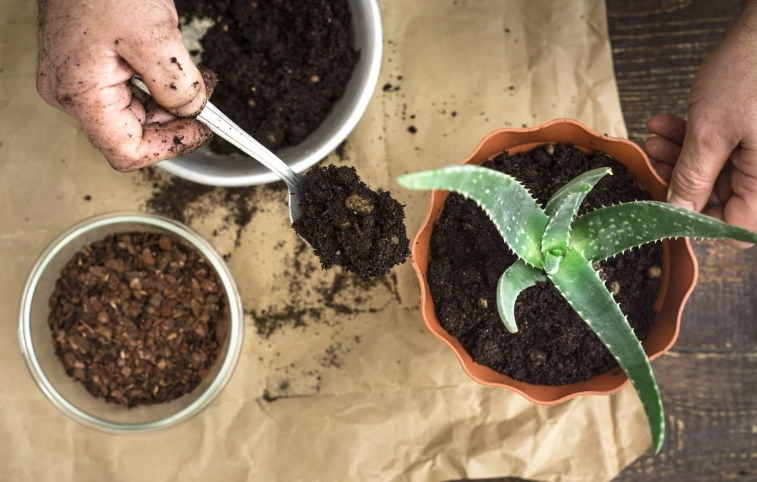
Soil Component Breakdown
| Component | Purpose | Why Aloe Loves It |
|---|---|---|
| Potting Soil (Base) | Provides minimal structure and trace nutrients. | Gives roots something to anchor to, but must be diluted. |
| Coarse Sand or Poultry Grit | Improves drainage and prevents compaction. | Creates air pockets, mimicking the plant's natural gritty habitat. |
| Perlite or Pumice | Aerates the soil, retains some moisture but drains excess. | Lightweight, prevents soil from becoming waterlogged, the key to healthy roots. |
| Peat Moss (Use Sparingly) | Retains moisture. | Can be used in tiny amounts in very dry climates, but often omitted to avoid rot. |
The Step-by-Step Guide to Replanting Your Aloe
Alright, let's get our hands dirty. This is the core of how to replant an aloe plant. Take it slow, be gentle with the roots, and follow these steps.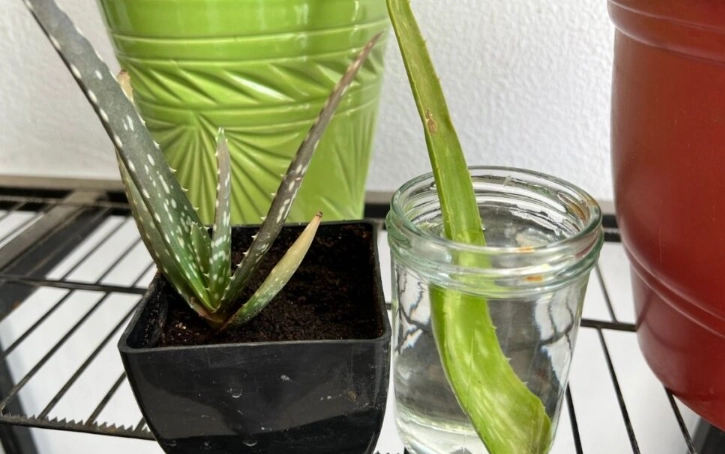
Step 1: Gently Remove the Aloe from Its Old Pot
Water the plant lightly a day or two before the move. Slightly moist soil holds together better than bone-dry or soggy soil, making it easier to remove the root ball. Tilt the pot sideways, hold the base of the plant firmly (not the leaves—they snap!), and gently wiggle it out. If it's really stuck, you can run a knife around the inside edge of the pot or carefully squeeze a flexible plastic pot. For a truly stubborn plant, you might need to break a terra cotta pot—consider it a sacrifice for the plant's health.
Step 2: Inspect and Loosen the Root Ball
Now, take a good look at the roots. You'll likely see a tight, coiled mass. Your job is to gently loosen this. Don't go at it aggressively. Use your fingers to carefully tease apart the outer roots. A chopstick is great for this. Shake off as much of the old soil as you can. This encourages the roots to grow outward into the new soil instead of continuing in a tight circle.
Step 3: Separate the Pups (If You Want To)
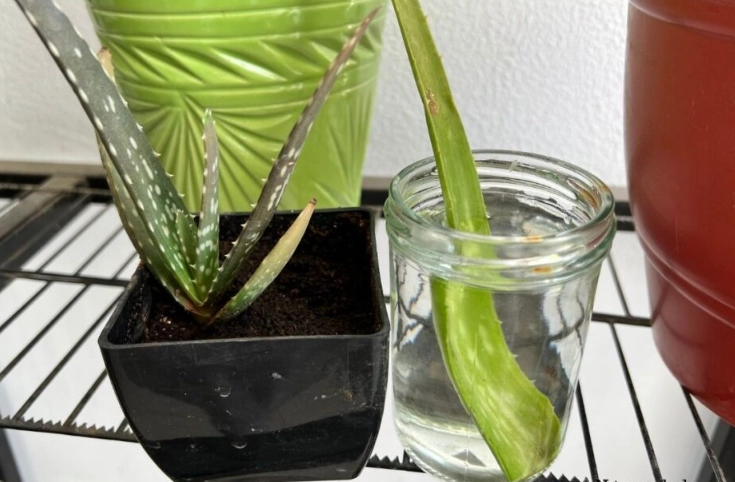
This is the fun part of learning how to replant an aloe vera plant with babies. Look for the smaller offshoots connected to the main plant. Often, they'll have their own little root systems starting. Find where the pup connects to the mother plant—there's usually a narrow stem or they're joined at the root mass. Using your fingers or a clean, sharp knife, gently separate them. Try to ensure each pup keeps some roots. If it snaps off clean without roots, don't panic. You can still propagate it by letting the broken end callous over for a few days before planting. I've had mixed success with rootless pups—some take, some don't. It's worth a shot.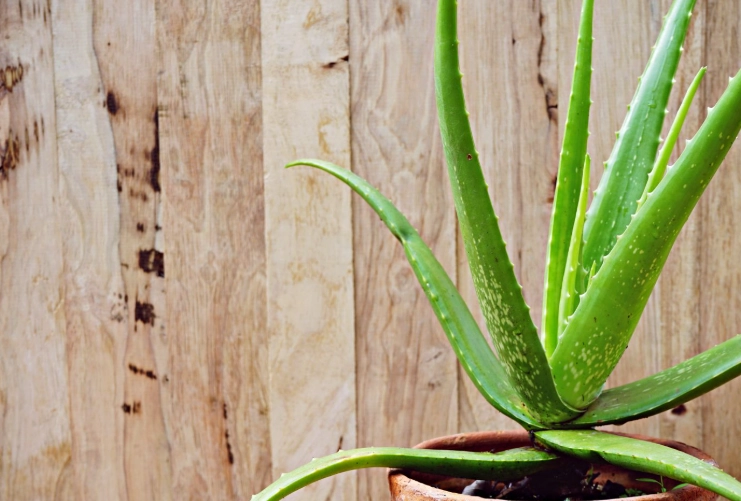
Step 4: Prepare the New Pot
Place a piece of broken pottery, a mesh screen, or a coffee filter over the drainage hole to prevent soil from washing out. Add a layer of your fresh, dry succulent mix to the bottom of the new pot. The depth should be such that when you place the aloe's root ball on top, the base of the plant (where the leaves meet the roots) will sit about ½ to 1 inch below the rim of the pot.
Step 5: Position the Plant and Add Soil
Place your aloe (and any separated pups you're potting individually) in the center of the pot. Hold it upright at the right height with one hand. With the other, start scooping your soil mix around the roots. Gently tap the pot on the table as you go to help settle the soil and eliminate large air pockets. Don't press the soil down hard—you want it loose and airy. Fill until the soil line is just below the base of the lowest green leaves. Never bury the green, fleshy part of the plant, as this can lead to stem rot.
See? Not so scary.
Step 6: The Critical Aftercare (Don't Skip This!)
Here’s where many people mess up. DO NOT WATER YOUR NEWLY REPOTTED ALOE. I mean it. The roots likely have tiny micro-tears from being handled. Watering immediately invites rot. Place the repotted plant in a spot with bright, indirect light (not direct, scorching sun right away) and leave it alone for 5 to 7 days. This gives the roots time to heal and callous over.
After this waiting period, give it a thorough, deep watering until water runs freely from the drainage holes. Then, return to your normal watering routine: only water when the soil is completely dry, all the way to the bottom of the pot. Wait another few weeks before fertilizing, and use a diluted, balanced fertilizer at most once a month during the growing season.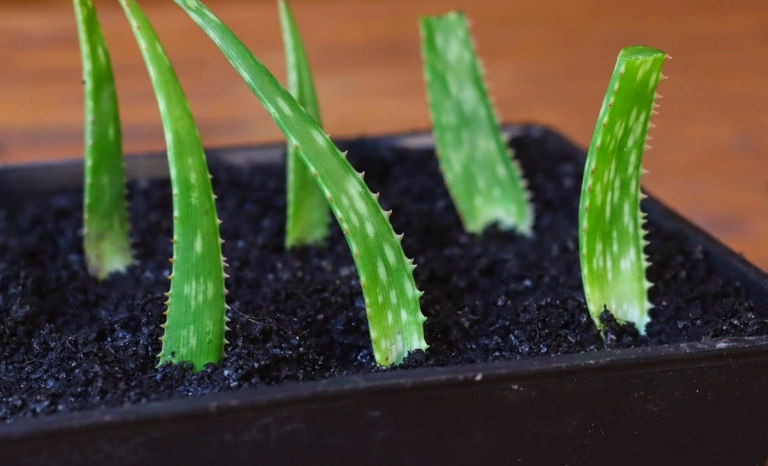
Troubleshooting Common Problems After Replanting
Sometimes, despite your best efforts, the plant looks sad. Don't panic. Here’s what might be happening.
- Leaves are Soft, Droopy, or Translucent: Almost always a sign of overwatering, especially post-repot. Stop watering immediately. Check if the soil is wet. If it's soggy, you might need to take the plant out, let the roots dry for a day, and repot in drier, grittier mix. This is a race against rot.
- Leaves are Thin and Curling Inward: This is underwatering or shock. If you've waited the full week and the soil is bone dry, give it a good soak. If the leaves are also reddish or brown, it might be getting too much direct sun while stressed.
- The Plant is Wobbly: The roots haven't established yet. Give it time. You can use a few decorative stones around the base for temporary support, but avoid staking it tightly.
- No Growth for a Long Time: The plant is focusing its energy below the soil on root growth. Be patient. As long as it's not actively dying (mushy), it's probably fine.
Your Aloe Replanting Questions, Answered
Wrapping It Up: Confidence is Key
Learning how to replant an aloe plant is a fundamental skill for any plant parent. It's not about having a green thumb; it's about understanding what the plant needs and having the confidence to provide it. The process boils down to this: wait for the signs, get a gritty soil mix and a pot with holes, be gentle with the roots, separate pups if you want more plants, and for goodness' sake, don't water it right away.
Your aloe is a resilient survivor. It stores water in its leaves for droughts. A little transplant shock is nothing it can't handle if you set it up for success. So next time you see those roots peeking out, don't put it off. Grab a pot, mix some soil, and give your spiky friend the upgrade it deserves. You'll be rewarded with a healthier, happier plant that might just reward you with a bloom one day—a rare and beautiful treat from a plant that's mostly just content to sit there and look good.
Go on, give it a try. Your aloe is ready for its new home.
Comments