You bring home a flowering kalanchoe, a compact little pot of vibrant reds, pinks, or yellows. It blooms for months, seemingly without effort. Then, the flowers fade, and the plant sits there… forever green. Sound familiar? That's the story for most people who buy a Kalanchoe blossfeldiana. But here's the truth your garden center might not tell you: with a simple, often overlooked trick, you can get that same plant to burst into color year after year. It's not magic; it's just understanding what this plant really wants, which is slightly different from your average succulent.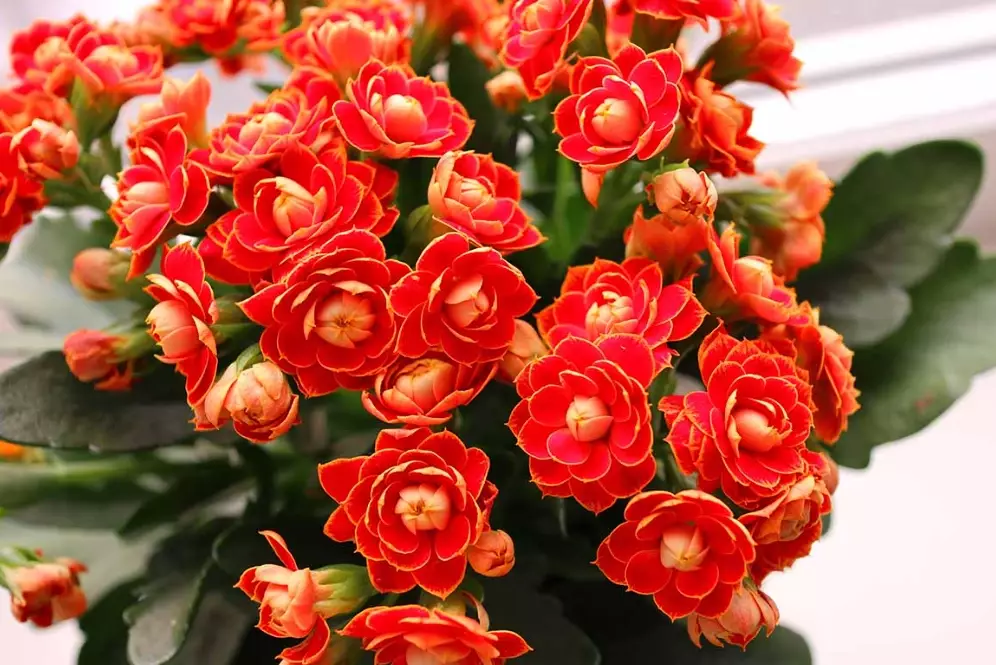
What's Inside This Guide
What Exactly Is a Flowering Kalanchoe?
When people say "flowering kalanchoe," they're almost always talking about Kalanchoe blossfeldiana. It's a succulent native to Madagascar, which already tells you a lot—it likes it bright and dry. Unlike many succulents prized only for their foliage, this one is a prolific bloomer. Modern cultivars are bred to be dense, bushy, and covered in clusters of tiny, four-petaled flowers for what feels like an eternity (usually 6 to 8 weeks, sometimes longer).
Quick Profile: Think of it as a short-day plant. That's the key to the re-blooming mystery. It sets flower buds when nights are long (over 14 hours of darkness). Commercial growers manipulate this to have blooming plants ready for sale any time of year, which is why you can find them in supermarkets in December.
I've had a Calandiva variety (a double-flowered sport of K. blossfeldiana) for five years. It lives on a sunny kitchen windowsill and gets the "tough love" treatment—I often forget to water it. Yet, every spring, it reliably sends up new flower stalks. The common thread among successful long-term kalanchoe keepers isn't a green thumb; it's benign neglect paired with strategic light control.
How to Care for Your Flowering Kalanchoe (The Right Way)
Here’s where most generic advice falls short. Treating it exactly like a desert cactus will keep it alive, but not necessarily thriving for repeat blooms. Let's break down the needs.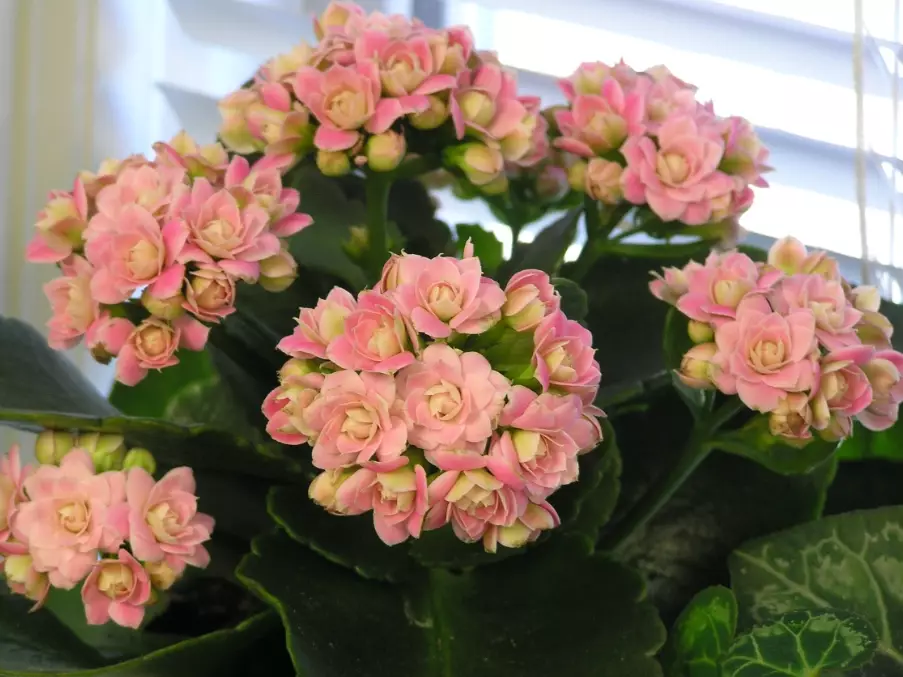
Light: The Non-Negotiable Factor
For growth and foliage health, it needs bright, indirect light. A south or west-facing window is ideal in most regions. Direct morning sun is great; harsh afternoon sun through a hot window can scorch the leaves. If the stems start stretching and the leaves space out, it's screaming for more light.
For re-blooming, the light requirement flips—it needs prolonged darkness. We'll get to that in the next section.
Watering: The Biggest Killer
Overwatering is the #1 cause of death. Its succulent leaves store water. The soil should dry out almost completely between waterings. In practice, I stick my finger in the soil up to the first knuckle. If it's dry, I water thoroughly until it runs out the drainage hole, then let it drain completely. No soggy saucers.
Soil and Potting
Fast drainage is critical. A standard cactus or succulent potting mix is perfect. If you're mixing your own, aim for something like 60% potting soil and 40% perlite or coarse sand. The pot must have drainage holes. Terracotta pots are excellent because they wick away moisture.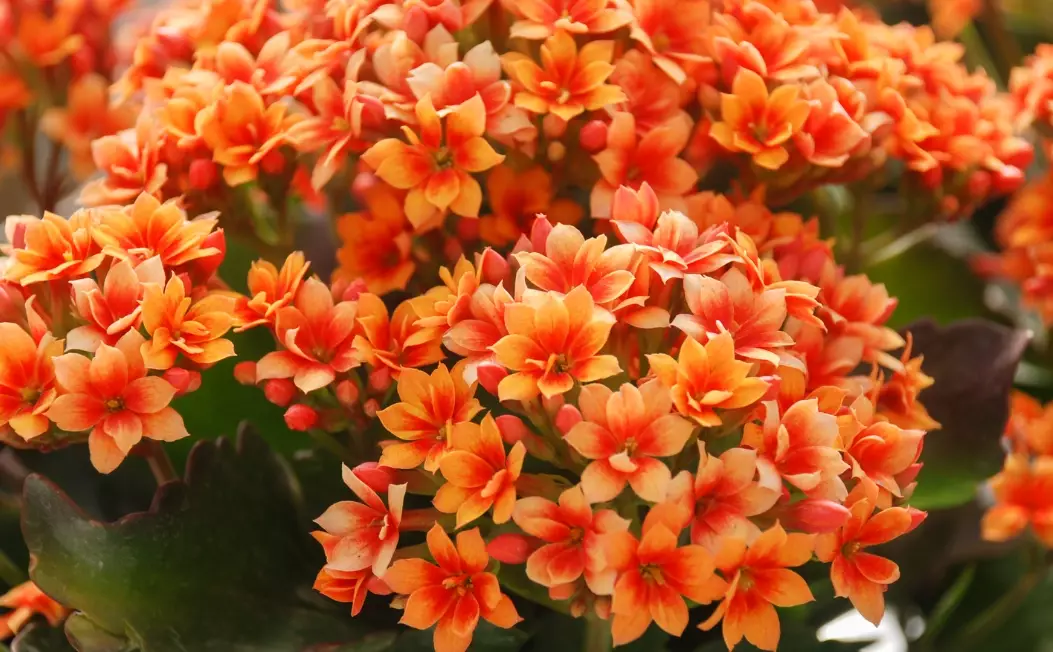
Temperature, Humidity, and Feeding
It prefers average room temperatures (65-75°F / 18-24°C) and can tolerate down to about 50°F (10°C). Average household humidity is fine. Feed it lightly during the active growing season (spring and summer) with a balanced, water-soluble fertilizer diluted to half strength, once a month. Don't feed in fall and winter.
| Care Aspect | Ideal Condition | What to Avoid |
|---|---|---|
| Light (Growth) | Bright, indirect light (East/West window) | Deep shade; intense hot afternoon sun |
| Watering | Soak & dry method. Let soil dry completely. | Keeping soil constantly moist; watering on a schedule |
| Soil | Cactus/succulent mix, very well-draining | Heavy, moisture-retentive potting soil |
| Temperature | 65-75°F (18-24°C) | Prolonged exposure below 50°F (10°C) |
| Fertilizer | Half-strength balanced feed, monthly in spring/summer | Heavy feeding; fertilizing in dormancy (fall/winter) |
The Secret to Getting Your Kalanchoe to Bloom Again
This is the part everyone searches for. Your plant is healthy and green but hasn't flowered since you bought it. Here's the step-by-step, no-nonsense process based on its short-day physiology.
- Prune After the First Bloom: Once flowers fade, snip off the entire flower stalk at its base. You can also lightly prune the plant to maintain a bushy shape.
- Give it a Rest (The Dormancy Period): For about 6 weeks, put the plant in a spot with less light and reduce watering slightly. This simulates a natural cool, dry period.
- Trigger Blooming with Long Nights: This is the crucial 6-8 week period. The plant needs 14-16 hours of complete, uninterrupted darkness and 8-10 hours of bright light each day. A closet, a box, or a cabinet from 6 PM to 8 AM works perfectly. Even a brief exposure to a lamp at night can reset the clock. Do this until you see tiny flower buds forming.
- Return to Normal Care: Once buds are clearly visible, you can return the plant to its normal bright spot. The flowers will develop and open.
Choosing Varieties and Making More Plants
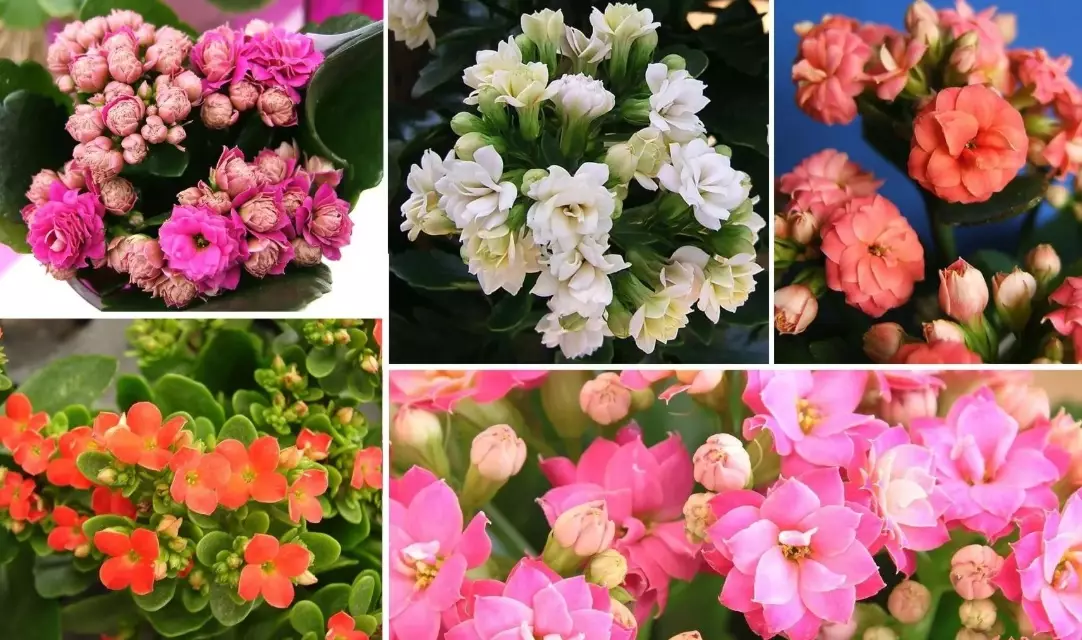
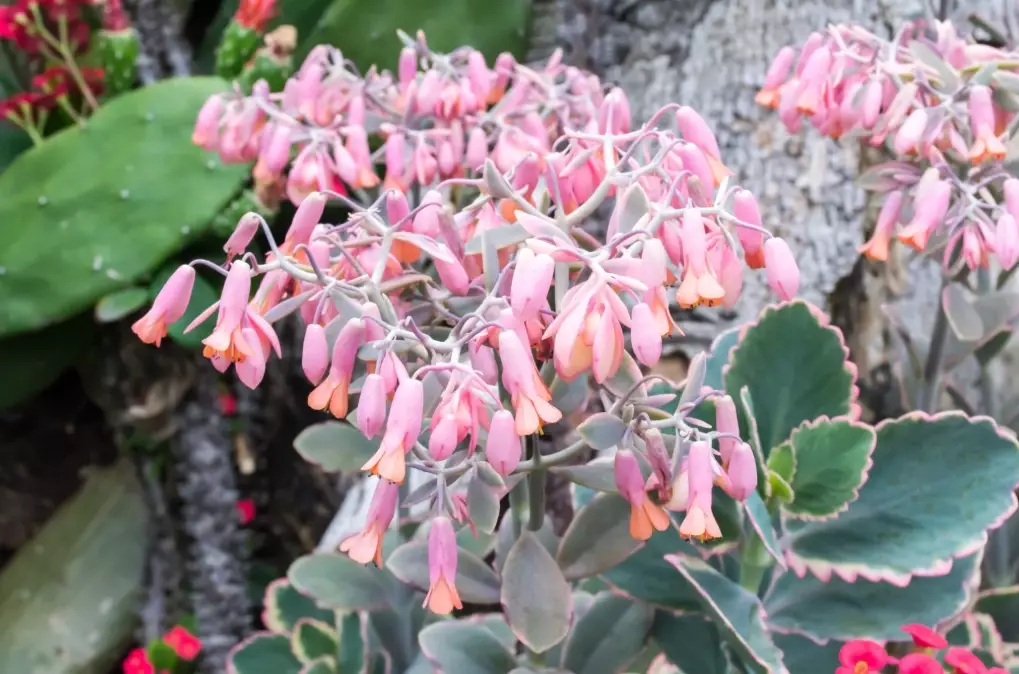
Beyond the classic single-flowered types, look for the Calandiva series with rose-like double flowers. There are also smaller, trailing varieties like Kalanchoe pumila (Flower Dust Plant) that work well in hanging baskets.
Propagation is laughably easy, which is part of this plant's charm. You have two foolproof methods:
- Leaf Cuttings: Gently twist off a healthy, plump leaf. Let the end callous over for a day or two. Then, lay it on top of moist succulent soil. Tiny plantlets will form at the leaf's edge.
- Stem Cuttings: Take a 3-4 inch stem cutting, remove the lower leaves, let it callous, then stick it in soil. Water lightly until roots establish.
I've given away dozens of plants started from a single "mother" kalanchoe. They root faster in spring and summer.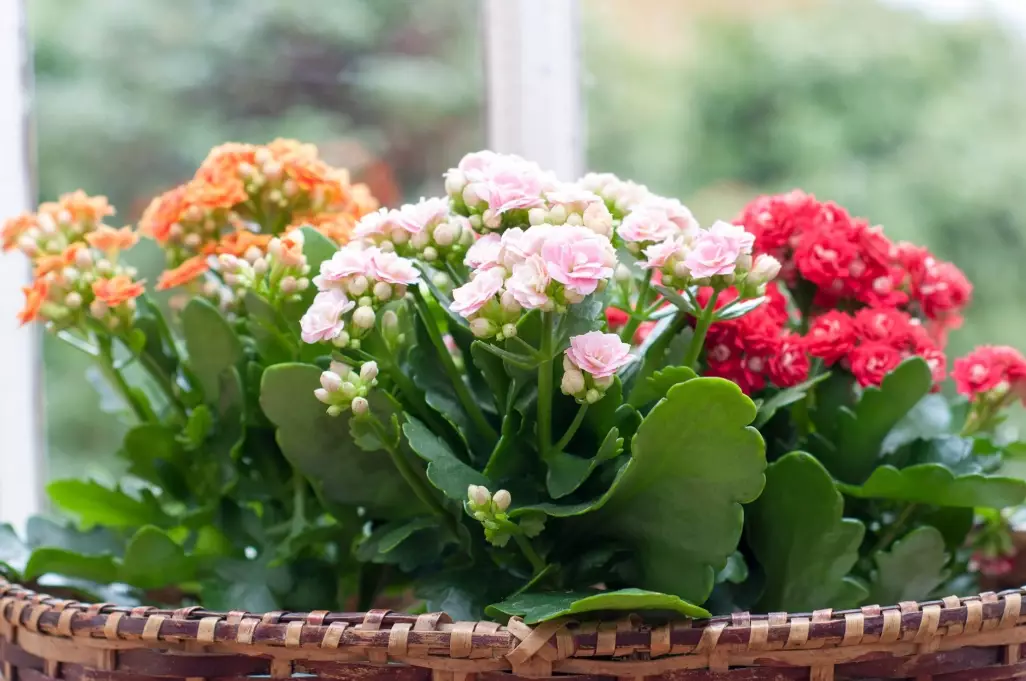
Your Kalanchoe Problems, Solved
 I followed the long-night routine, but my plant still won't bloom. What did I miss?
The flowering kalanchoe’s reputation for being a "disposable" holiday plant is undeserved. With a sunny spot, a forgetful watering hand, and a closet for a few weeks in the fall, it transforms into a resilient, long-lived performer. It’s the plant that proves spectacular color doesn’t have to come with high maintenance.

Comments