You look at your geraniums. They're alive, sure, but they're getting leggy, with more stem than leaf, and the blooms are few and far between. Sound familiar? I've been there. For years, I was timid with my shears, afraid I'd kill the plant. The result was always the same: a sad, stretched-out geranium by mid-summer. Then I learned the single most important skill for any geranium grower: how to prune geraniums properly. It's not just about cutting; it's about strategic snipping that tells the plant to stop being lazy and produce more of those gorgeous blooms we all love. Forget the vague advice. Let's get into the exact when, where, and how.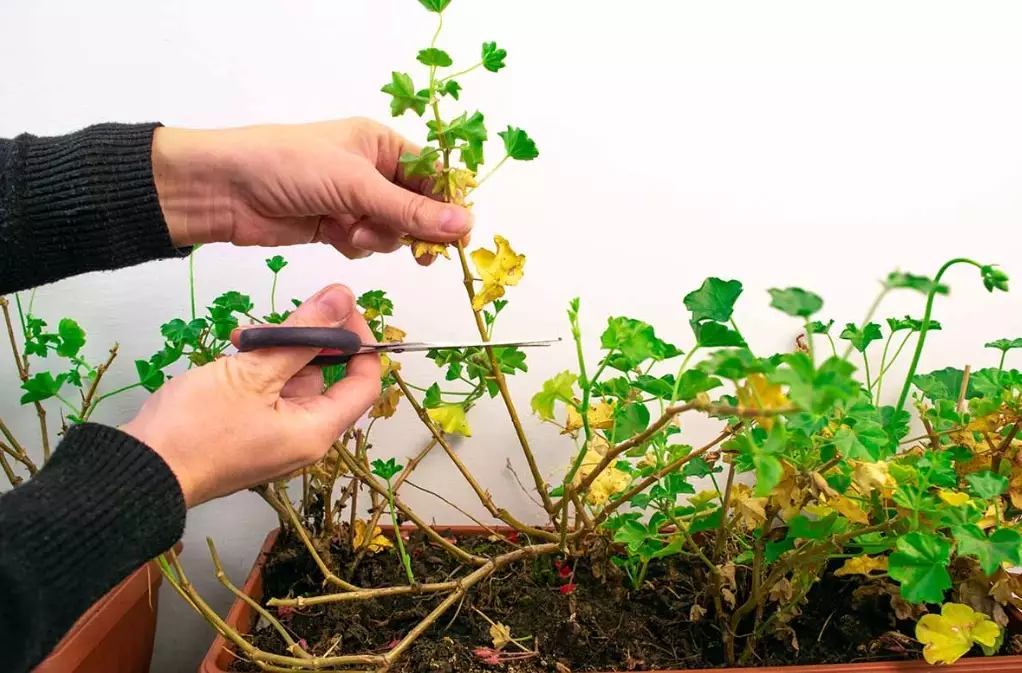
What You'll Learn in This Guide
When is the Best Time to Prune Geraniums?
Timing is everything. Get this wrong, and you risk cutting off future flower buds or leaving the plant vulnerable. There are two main pruning seasons for geraniums, and they serve different purposes.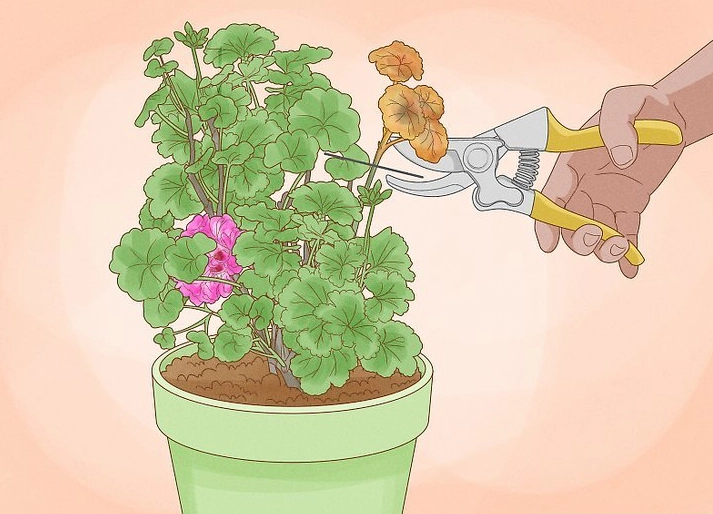
The Golden Rule: Never prune geraniums in late fall or deep winter when they are semi-dormant and light levels are low. This forces weak, spindly growth that's prone to disease.
Spring Pruning (The Encouragement Cut)
This is your major intervention. Aim for late winter to early spring, just as you see new, tiny green buds ("eyes") waking up along the stems. For most temperate climates, this is late February through March. If you've overwintered plants indoors, do this about 4-6 weeks before your last frost date, as you're preparing to move them back outside.
The goal here is to reshape a leggy plant, encourage dense, bushy growth from the base, and set the stage for a spectacular summer. It feels drastic. You'll cut a lot off. Trust the process.
Summer Pruning (The Maintenance Dance)
From late spring through summer, you're not doing heavy pruning. You're deadheading (removing spent flower heads) and pinching back (snipping the very tips of growing stems). Do this little and often—every week or two. It's like giving the plant constant, gentle nudges to branch out and produce more flowers instead of setting seed.
| Pruning Type | Best Time | Primary Goal | Intensity |
|---|---|---|---|
| Spring/Hard Prune | Late Winter / Early Spring | Rejuvenate, reshape, promote bushy base growth | High (Cut back by 1/3 to 1/2) |
| Deadheading | Late Spring through Summer | Encourage continuous blooming, prevent seed setting | Low (Remove spent blooms only) |
| Pinching Back | Spring & Early Summer | Promote bushier growth from leaf nodes | Low (Snip top 1/4 inch of stem) |
| Fall Clean-up | Early Fall (before bringing indoors) | Remove dead/diseased material, reduce size for storage | Moderate (Shape & tidy) |
How to Prune Geraniums: A Step-by-Step Visual Guide
Let's talk tools first. You don't need anything fancy.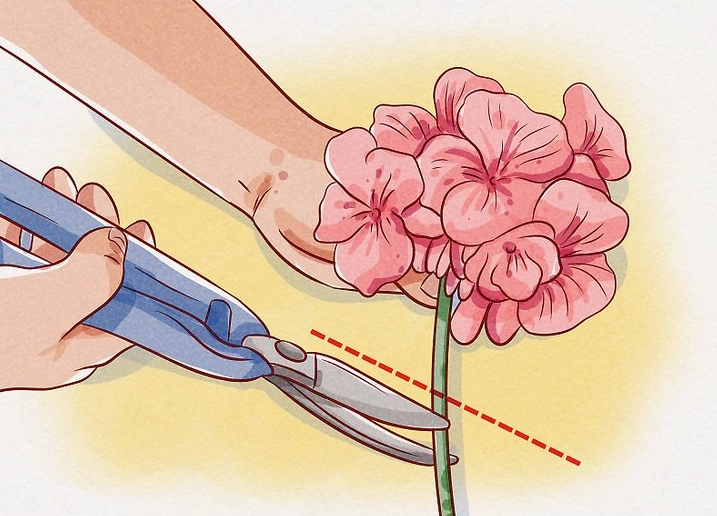
- Sharp, clean bypass pruners or precision snips: Blunt tools crush stems. I use Fiskars Micro-Tip snips for fine work.
- Rubbing alcohol or disinfectant wipes: Wipe blades between plants to prevent spreading disease. It's a step most home gardeners skip, and it matters.
- Gardening gloves: Optional, but some people find geranium sap irritating.
Step 1: The Assessment & Clean-up
Look at your plant. Identify the main, woody stems. Find any dead, brown, or clearly diseased stems and remove them first. Cut these all the way back to the base or to healthy green tissue. This clears the clutter and lets you see the plant's structure.
Step 2: The Strategic Cut (For Bushy Growth)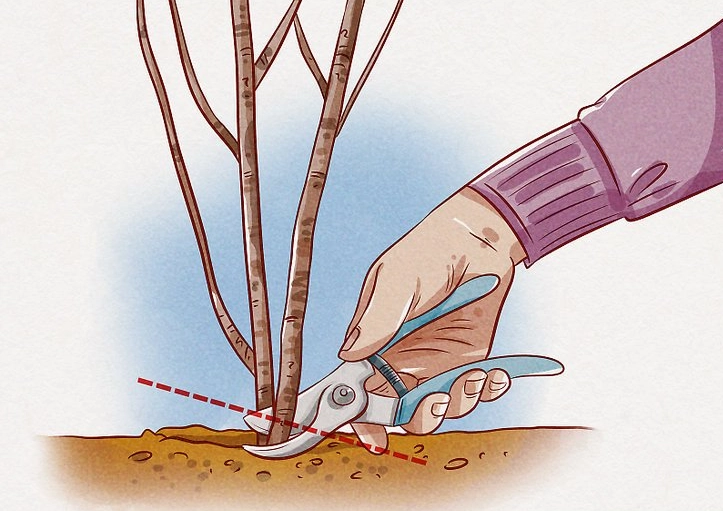
Here's the expert nuance everyone misses: Don't just cut anywhere. Always look for a leaf node—that bump on the stem where leaves emerge. Your cut should be made about 1/4 inch above a leaf node that is facing the direction you want new growth to go. Usually, you want an outward-facing node to keep the center of the plant open for air circulation.
For a spring hard prune, choose 3-5 of the healthiest, greenest main stems. Cut each one back by one-third to one-half of its length, always to just above an outward-facing leaf node. It will look like a stubby little plant. That's perfect.
What about the long, flowerless stem with leaves only at the very top? That's the classic "leggy" stem. Don't be sentimental. Trace it down until you find a healthy leaf node lower on the stem—even if it's near the base—and cut there. You're forcing it to restart from there.
Step 3: Deadheading vs. Pinching
These are different techniques for different results.
Deadheading: Follow the old flower stem down to the first set of full-sized leaves or a main stem. Make your cut there. Don't just pop off the dead flower head and leave a naked stalk (another common error). That stalk will often rot.
Pinching Back: For young plants or stems you want to be bushier, use your fingernails or snips to remove the very tip of a growing stem, just above a set of leaves. This removes the apical meristem (the growth hormone center), prompting the lower leaf nodes to wake up and produce two new stems.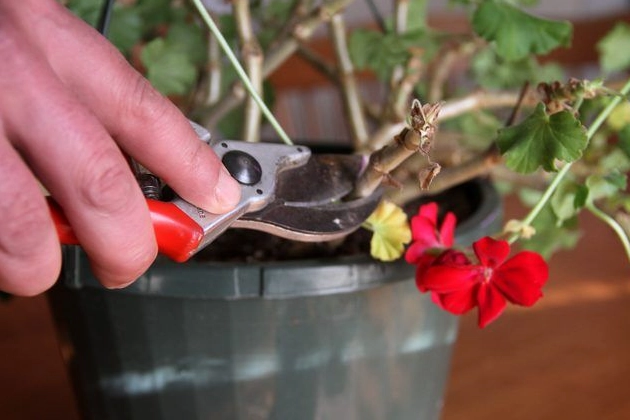
What to Do After Pruning Geraniums?
Your job isn't done after the last cut. Post-prune care determines how fast and well your geranium rebounds.
Watering: Water the plant thoroughly after a major prune. But then, let the top inch of soil dry out before watering again. The plant has less foliage to support, so it needs less water. Overwatering now is a fast track to root rot.
Feeding: Hold off on fertilizer for about 2-3 weeks after a hard spring prune. Let the plant focus on healing cuts and pushing out new growth first. Then, start with a balanced, water-soluble fertilizer (like a 10-10-10) or one slightly higher in phosphorus (the middle number) to encourage blooms. Research from the University of Florida's IFAS Extension supports delaying fertilization after significant pruning to avoid stressing the plant.
Light: Provide bright, indirect light for a few days if the plant was heavily pruned. Once you see vigorous new growth (usually within 7-10 days), move it back to its preferred full sun location.
Common Geranium Pruning Mistakes (And How to Fix Them)
I've made most of these. Let's save you the trouble.
Mistake 1: The "Hesitant Haircut." Cutting just the very tips off a long, leggy stem. This does nothing. The growth hormones are still concentrated at the tip you left. Fix: Be brave. Cut back to a lower, healthy leaf node as described above.
Mistake 2: Blunt or Dirty Tools. Crushed stems are open invitations for bacteria and fungi. Fix: Keep a small bottle of rubbing alcohol and a rag next to you. A quick wipe between plants takes five seconds.
Mistake 3: Pruning at the Wrong Time. A major prune in late summer or fall tells the plant to produce tender new growth just as it should be hardening off for winter. Fix: Stick to the seasonal schedule. If the plant is a mess in fall, only do a very light tidy-up before bringing it inside.
Mistake 4: Overwatering After the Cut. It's a natural instinct to "baby" the plant with extra water. Resist. Fix: Water once after pruning, then return to your normal, finger-test watering routine.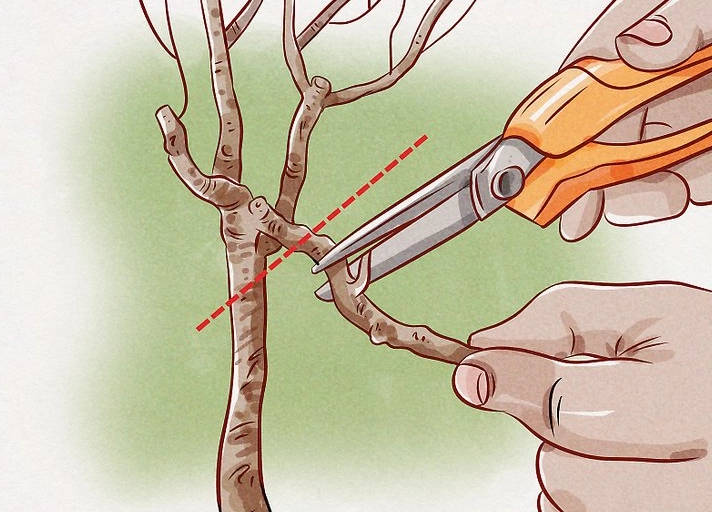
Geranium Pruning FAQs
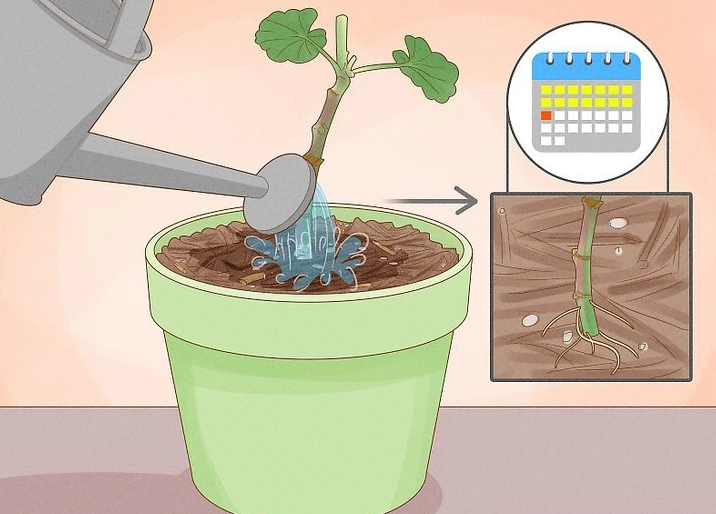 Can I propagate geraniums from the pieces I pruned off?
The biggest barrier to pruning geraniums is psychological. It feels destructive. But with clean tools, a clear plan based on the season, and the courage to cut above a node, you're not harming the plant—you're directing it. You're the conductor, and every snip is an instruction: grow here, branch there, bloom now. Put this guide into practice, and your geraniums won't just survive; they'll thrive in a way that makes your neighbors ask for your secret. The secret is just a pair of sharp snips and knowing exactly where to use them.
Comments