Quick Guide
Let's be honest for a second. You probably saw a picture of a lush, trailing String of Pearls plant (Curio rowleyanus, but let's stick with the common name) spilling over a bookshelf and thought, "I need that in my life." It looks like a living necklace, those perfect little green beads so whimsical and unique. So you brought one home, full of hope. And now... maybe it's not looking so hot. The pearls are shriveling, or the stems are bare, or it just seems to be sitting there, sulking.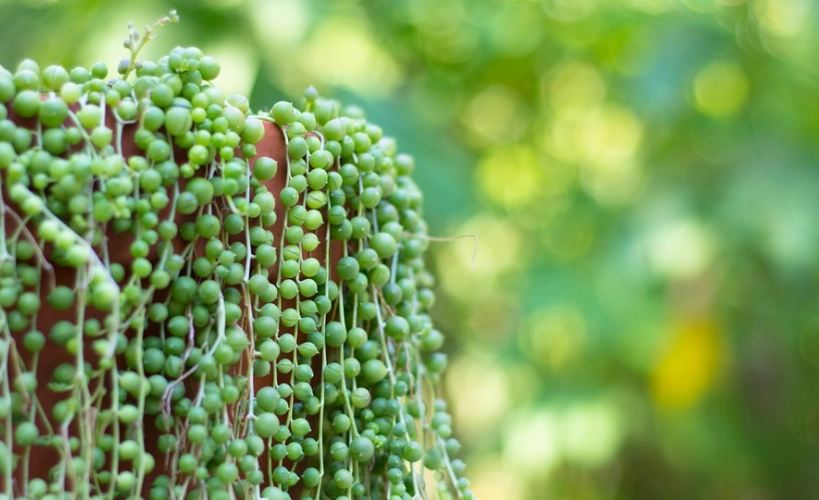
You're not alone. I've been there. My first string of pearls plant turned into a string of raisins within two months. I felt like a plant murderer. The thing is, these succulents have a reputation for being easy, but they have very specific, non-negotiable needs. Miss one, and they'll let you know.
This guide isn't just a rehash of the same old "bright light, don't overwater" tips. We're going deep. We'll talk about why they need what they need, how to spot trouble before it's too late, and the little tricks that make the difference between a plant that survives and one that truly thrives, cascading down in those gorgeous, pearl-filled trails you dreamed of.
Getting to Know Your String of Pearls: More Than Just a Pretty Face
Before we dive into care, let's understand what we're dealing with. The string of pearls plant is a succulent vine native to the dry regions of southwest Africa. Those cute little "pearls" are actually modified leaves. Their spherical shape is a brilliant adaptation—it minimizes surface area to reduce water loss in arid climates. Each pearl has a small, translucent "window" or stripe on its side, which allows light to penetrate deeper into the leaf tissue for photosynthesis. How cool is that?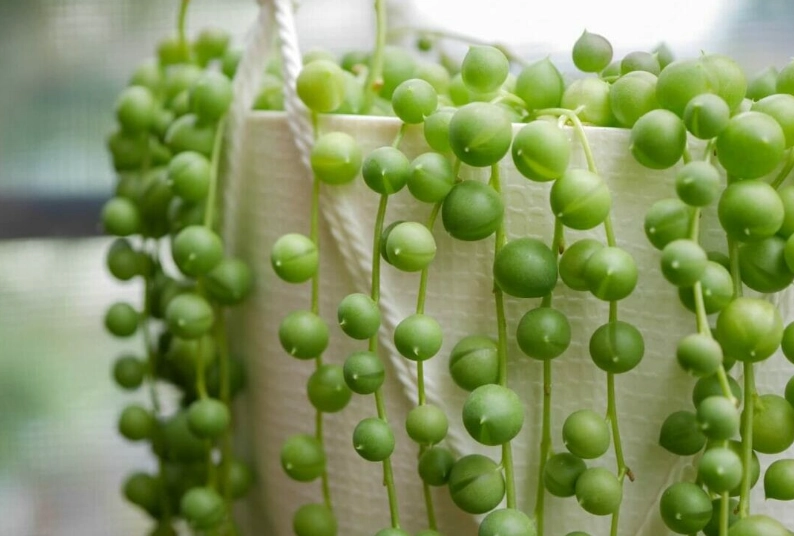
This origin story is the key to everything. It tells us this plant is built for drought, intense light, and excellent drainage. Forget everything you know about watering your pothos or your fern. This is a different beast entirely.
There's also a close relative you might see: the String of Bananas (Curio radicans), with more crescent-shaped leaves. The care is almost identical, so much of this guide applies there too.
The Non-Negotiables: Core Care for a Happy Plant
This is the foundation. Get these right, and you've won 90% of the battle.
Light: The Make-or-Break Factor
Here's the biggest mistake people make: not enough light. A string of pearls plant needs very bright, indirect light. Think of a spot right next to a south or west-facing window, but maybe with a sheer curtain to diffuse the harshest midday rays. An east-facing window can work well too, offering gentler morning sun.
What happens with low light? The plant starts to etiolate—a fancy word for getting leggy. The space between pearls on the stem will stretch out, the growth will be weak and sparse, and the plant loses its compact, beady look. It's the plant's desperate reach for more photons. If your string of pearls is looking leggy, light is almost always the culprit.
Can you use grow lights? Absolutely. In fact, for many homes, especially in winter or in rooms with poor natural light, a simple LED grow light is a game-changer. Just make sure it's close enough (usually 6-12 inches away) and on for 12-14 hours a day.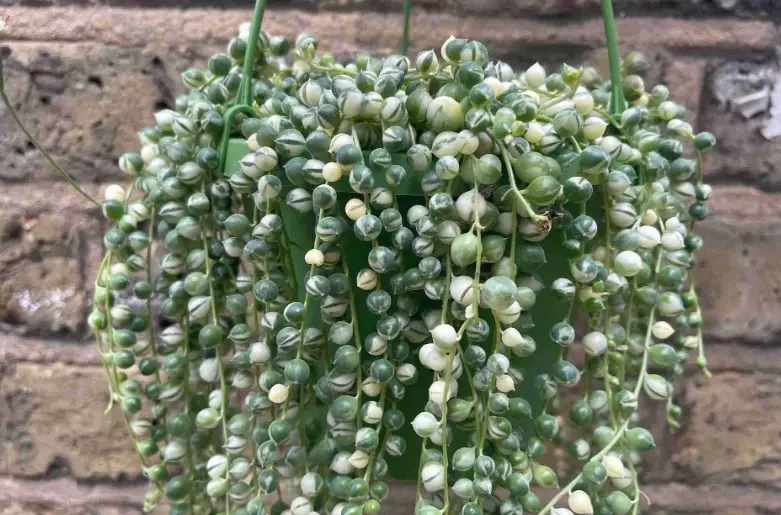
Watering: The Delicate Dance
This is where most string of pearls plants meet their end. Overwatering leads to root rot, and it happens fast. The pearls store water, so they can handle drought far better than a flood.
The best method? The soak and dry method. Here's how it works:
- Wait until the soil is completely dry all the way through. You can't go by a schedule ("every Tuesday"). Stick your finger deep into the soil, or better yet, lift the pot. A dry pot is surprisingly light.
- When it's bone dry, take the plant to the sink and water it thoroughly. Pour water slowly over the soil until it runs freely out of the drainage holes. This ensures the entire root ball gets moisture.
- Let it drain completely. Never let the plant sit in a saucer of water.
- Wait until it's completely dry again. Repeat.
In winter, when growth slows and light levels drop, you might only need to water once a month or even less. Seriously. Err on the side of underwatering.
Soil and Pot: Building the Right Foundation
Fast-draining soil is non-negotiable. Regular potting soil holds too much moisture and will suffocate the roots. You need a gritty, airy mix.
The perfect mix: Use a commercial cactus & succulent mix as a base, but I strongly recommend amending it. Mix in additional perlite, pumice, or coarse sand (like horticultural grit) at a ratio of about 2 parts succulent mix to 1 part grit. This creates the perfect, fast-draining environment.
The pot matters just as much. Always, always use a pot with a drainage hole. Terracotta pots are fantastic for string of pearls because they are porous, allowing the soil to dry out from the sides as well as the top. Plastic or glazed ceramic pots retain moisture longer, so you must be even more careful with watering.
Troubleshooting: What's Wrong With My Plant?
Okay, so you're trying your best, but something's off. Let's play plant detective. Here's a quick-reference table for the most common string of pearls plant problems.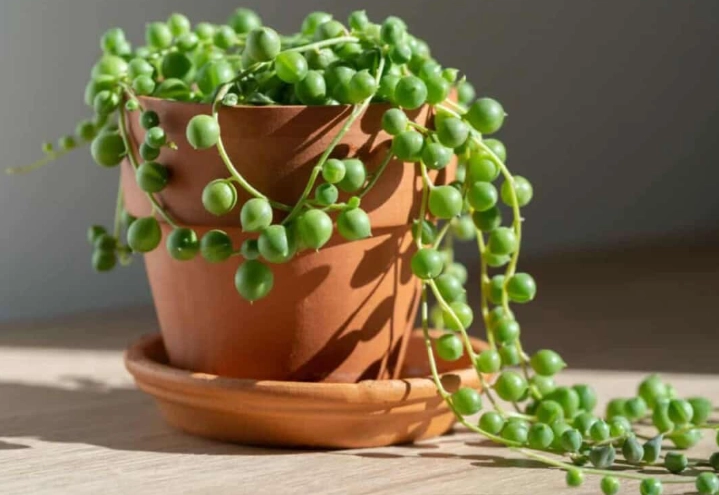
| Symptom | Likely Cause | How to Fix It |
|---|---|---|
| Pearls shriveling, wrinkling | Underwatering or root damage from previous overwatering. | If soil is bone dry, give a thorough soak. If soil is wet and pearls are shriveled, it's likely root rot—check roots. |
| Yellow, mushy pearls or stems | Overwatering / Root Rot | Stop watering immediately. Remove plant, cut away all black/mushy roots and stems. Repot in fresh, dry soil. Water only after new growth appears. |
| Long spaces between pearls (leggy growth) | Insufficient Light | Move to a much brighter location. You can prune the leggy stems to encourage bushier growth from the base. |
| Brown, dry patches on pearls | Sunburn from too much direct, hot sun. | Move to a spot with bright but indirect light. The scars won't heal, but new growth will be fine. |
| Plant is not growing at all | Dormancy (winter), insufficient light, or needing fertilizer. | Check light first. In growing season (spring/summer), a light feeding can help. |
| Tiny webs, stippling on pearls | Spider Mites | Isolate plant. Wipe with soapy water or use insecticidal soap/neem oil. Increase humidity. |
The Dreaded Root Rot
This deserves its own section because it's so common. If the base stems are turning black and mushy and pearls are falling off en masse, you likely have rot. Don't panic. You can often save the plant.
- Unpot Gently: Remove the plant from its pot and brush away the wet soil.
- Surgery: Using clean, sharp scissors, cut away every single piece of stem or root that is black, brown, or mushy. Cut back to healthy, firm, green or white tissue. Be ruthless.
- Let it Callus: Lay the healthy remaining strands on a paper towel in a dry, airy spot out of direct sun for a day or two. This lets the cut ends dry and form a callus, preventing new rot when planted.
- Fresh Start: Plant the callused strands in a small pot with fresh, dry, gritty succulent mix. Don't water yet.
- Wait for Roots: Place in bright light and wait. In a few weeks, gentle tugs should meet resistance, meaning roots have formed. Then you can give it a light watering.
Propagation: Making More Pearl Necklaces
This is the fun part! Propagating a string of pearls plant is satisfying and a great way to save a leggy plant or share with friends. There are two main methods, and both are easy.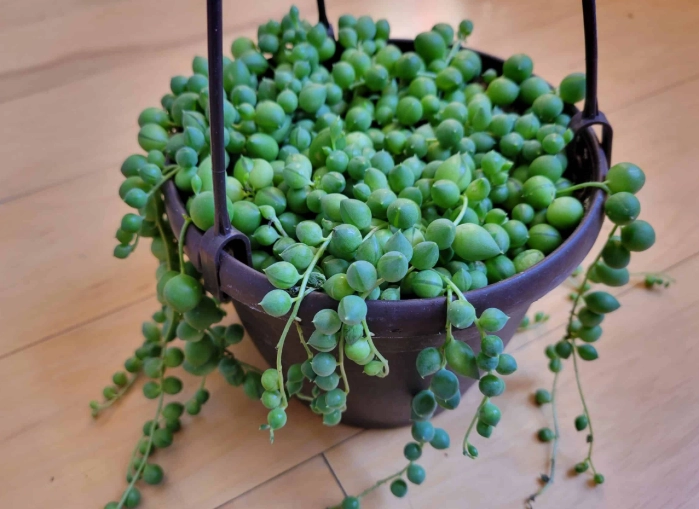
Method 1: The Soil Prop (My Preferred Method)
Take a healthy strand, maybe 4-6 inches long. You can coil it on the surface of a small pot filled with your gritty mix. Here's the key part: press the nodes (the points where a pearl meets the stem) gently into the soil. You can use a bent paperclip or hairpin to hold them in contact with the soil if needed. Mist the soil very lightly every few days to keep it just barely moist (not wet). Roots will sprout from those nodes. Once you see new pearl growth, treat it like a mature plant.
Method 2: The Water Prop
Some people love this for the visual. Take a cutting and remove the pearls from the bottom inch or two of the stem. Place the bare stem in a small jar or glass of water, ensuring no leaves are submerged. Place in bright light. Change the water every few days. You should see roots in a couple of weeks. Once the roots are an inch or two long, pot it up in soil.
Which is better? Soil propagation avoids the tricky transition from water roots to soil roots, so I find it more straightforward. But water propagation lets you see the progress, which is encouraging.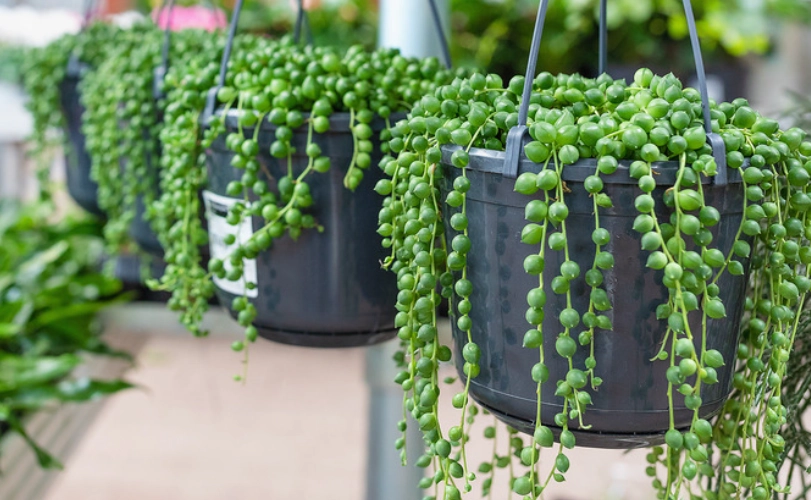
Advanced Tips & Common Questions
Yes, but sparingly. During the active growing season (spring and summer), you can feed it once a month with a balanced, water-soluble fertilizer diluted to half strength. A fertilizer meant for succulents is ideal. Do not fertilize in fall and winter when the plant is dormant. Over-fertilizing can burn the roots and cause weak growth.
Patience, young grasshopper. A new, small plant will focus energy on establishing its root system and filling out the top of the pot first. Once it's comfortable and happy, it will start sending out longer runners. Ensure it has enough light and a little fertilizer in the growing season to encourage this trailing habit. You can also gently encourage growth by ensuring the vines aren't tangled and have space to hang.
If you live in a climate with mild, dry winters (USDA zones 9-11), you can grow it outdoors year-round in a spot with partial sun (morning sun, afternoon shade is perfect). For everyone else, it makes a fantastic summer patio plant! Just acclimate it slowly to outdoor light over a week to prevent sunburn, and bring it back inside well before the first frost. The University of Florida's IFAS Extension has great resources on growing succulents in different climates.
Average household humidity is just fine. They don't need the high humidity that tropical plants crave. In fact, high humidity combined with cool soil can increase the risk of rot. Good air circulation is more important.
Bringing It All Together: Your Pearl Care Checklist
Let's simplify everything into a quick mental checklist you can run through when you look at your plant:
- Light Check: Is it in the brightest spot in your home (without scorching sun)?
- Thirst Check: Are the pearls firm? Is the soil completely dry? No? Don't water.
- Pot Check: Does it have a drainage hole? Is the soil gritty and fast-draining?
- Season Check: Is it winter? Slow down on everything—water and food.
The string of pearls plant is a stunning, conversation-starting houseplant. It asks for very specific care, but it's not complicated care. Once you sync up with its needs—brilliant light, infrequent but thorough watering, and the right soil—it becomes a surprisingly resilient and rewarding companion. You'll stop worrying about killing it and start enjoying the unique texture and form it adds to your space.
Don't be discouraged by past failures. Every plant keeper has lost a succulent or two. Take what you've learned, maybe start with a small, healthy plant, and give it another shot. That vision of a lush, pearly cascade can absolutely be your reality.
Comments