Replanting, or repotting, an aloe vera plant isn't just about moving dirt from one container to another. It's a crucial piece of surgery for your succulent's long-term health. Get it right, and you're rewarded with explosive growth, more "pups" (baby plants), and leaves plump with that famous soothing gel. Get it wrong, and you might be staring at a mushy, brown-stemmed casualty in a matter of weeks. I've killed my share of aloes by making the same mistakes everyone does—using the wrong soil, watering too soon, planting too deep. This guide is the result of learning from those failures over a decade of growing succulents.
Your Quick Guide to Repotting Success
When Your Aloe is Begging for a New Pot
Timing is everything. Repotting a perfectly happy aloe is stressful for no reason. But waiting too long strangles its potential. Here's how to read the signs.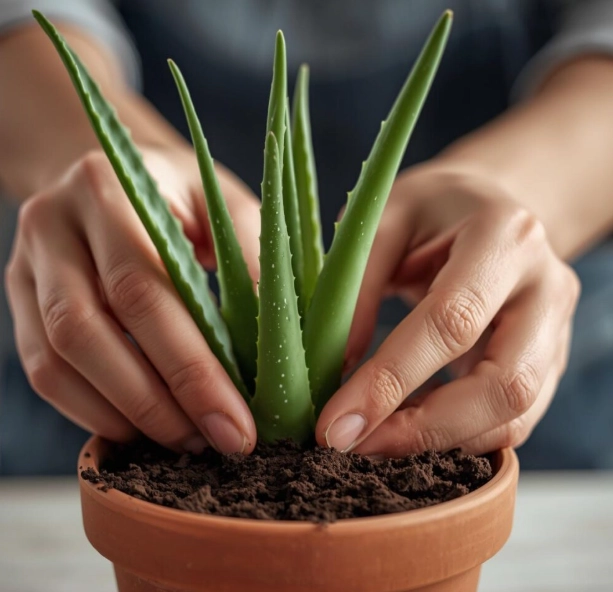
The most obvious signal is roots growing out of the drainage holes. That's your plant's way of saying it's explored every inch of its current home. Another clear sign is the plant becoming top-heavy, constantly tipping over because the root ball can't anchor it.
But there are subtler cues. Growth has completely stalled for a season, even with good light. The soil dries out suspiciously fast after watering—sometimes in just a day or two—because it's more roots than soil in there. You might also see a dense circle of "pups" crowding the mother plant, all competing for limited resources.
Pro Timing Tip: The absolute best time to replant is in the spring or early summer. This gives your aloe the entire active growing season to recover from the move and establish new roots in its fresh soil. Avoid repotting in late fall or winter when the plant is semi-dormant; recovery is painfully slow, and the risk of rot is higher.
Gathering Your Repotting Toolkit
You don't need fancy gear, but having the right stuff makes the job smooth and minimizes damage.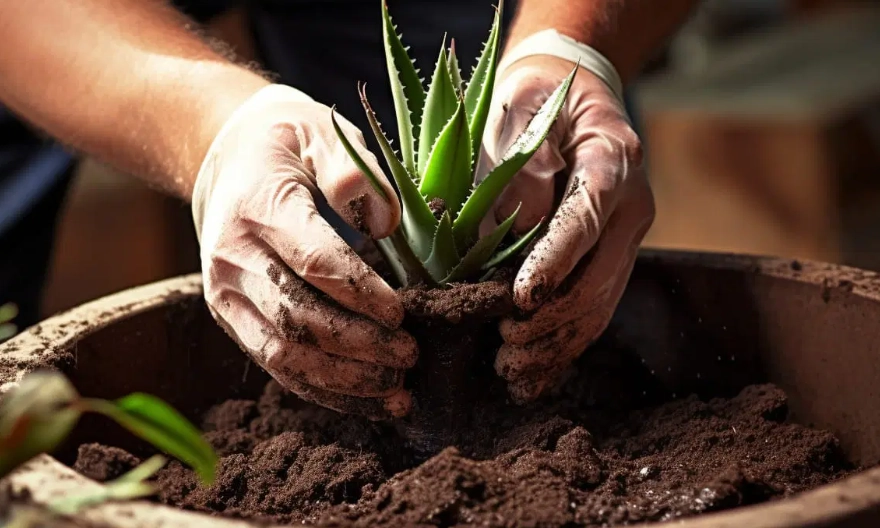
The Pot: Size and Material Matter
This is where the first major mistake happens. Do not over-pot. Aloes like to be slightly root-bound. Choose a new pot that is only 1 to 2 inches larger in diameter than the current one. A pot that's too big holds excess moisture around the roots, inviting rot.
Material choice: Terracotta or unglazed clay is my top recommendation for beginners. They're porous, allowing soil to dry out more evenly and reducing overwatering risk. Plastic or glazed ceramic pots are fine if you're confident in your watering habits, but you must be extra careful. Whatever you choose, non-negotiable drainage holes are a must. No holes, no aloe—it's that simple.
The Soil: This is Non-Negotiable
Regular potting soil is a death sentence for aloe vera. It retains too much moisture. You need a fast-draining, gritty mix specifically formulated for succulents and cacti. You can buy a reputable brand like Miracle-Gro Cactus, Palm & Citrus Potting Mix, or make your own for more control.
My go-to DIY mix, which I find gives better aeration than store-bought, is:
- 50% regular potting soil (as a base)
- 25% coarse sand (horticultural or builder's sand, not fine play sand)
- 25% perlite or pumice (for drainage and aeration)
This creates an environment where water flows through quickly, mimicking the aloe's natural, arid habitat.
Other Essentials
Have a pair of clean, sharp scissors or pruning shears for trimming any dead or rotten roots. Newspaper or a tarp to contain the mess. And gardening gloves if you're sensitive—some people find aloe sap irritating.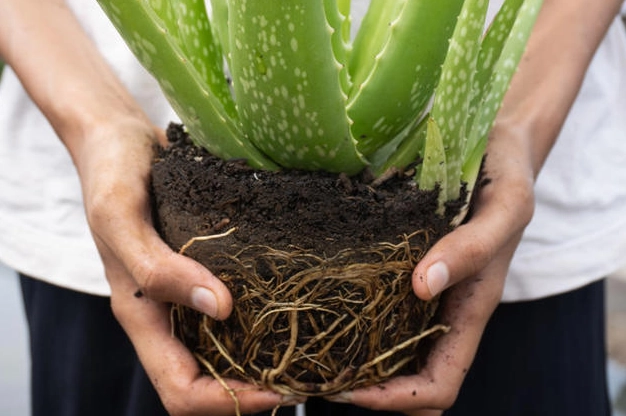
The Step-by-Step Repotting Process
Let's get our hands dirty. Follow this sequence to minimize shock.
Step 1: The Dry Start
Do not water your aloe for at least a week before repotting. You want the soil bone dry. This makes it easier to remove the plant and reduces the chance of damaging waterlogged, fragile roots. A dry root ball also handles the stress better.
Step 2: Gentle Extraction
Lay the pot on its side. Gently squeeze flexible pots or run a knife around the inside edge of rigid pots to loosen the soil. Tip the pot and coax the plant out by the base of the stem, not the leaves. If it's really stuck, you might need to break a terracotta pot—it's better than shredding the roots.
Step 3: The Root Inspection & Surgery
This is the most underrated step. Gently brush away the old soil to expose the root system. Look closely.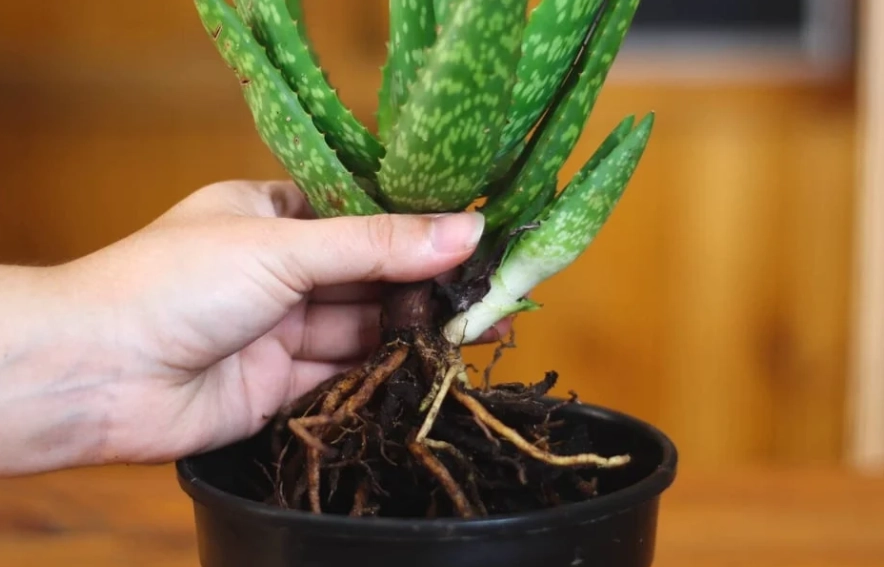
- Healthy roots are firm, plump, and light in color (white, tan, or pale yellow).
- Unhealthy roots are mushy, dark brown or black, and may fall apart when touched. They often smell bad.
Use your clean shears to snip off every single rotten root. Be ruthless. Leaving any behind is like leaving a rotten apple in a fruit bowl—it will spread. This is the key to preventing post-repotting collapse.
Step 4: Pot Prep and Planting
Place a piece of broken pottery or a mesh screen over the drainage hole to keep soil in. Add a layer of your fresh potting mix to the bottom of the new pot.
Now, place your aloe in the center. The goal is to plant it at the same depth it was growing before. This is critical. Do not bury the stem. The base of the lowest green leaves should be just above the soil line. If you bury the stem, it will rot.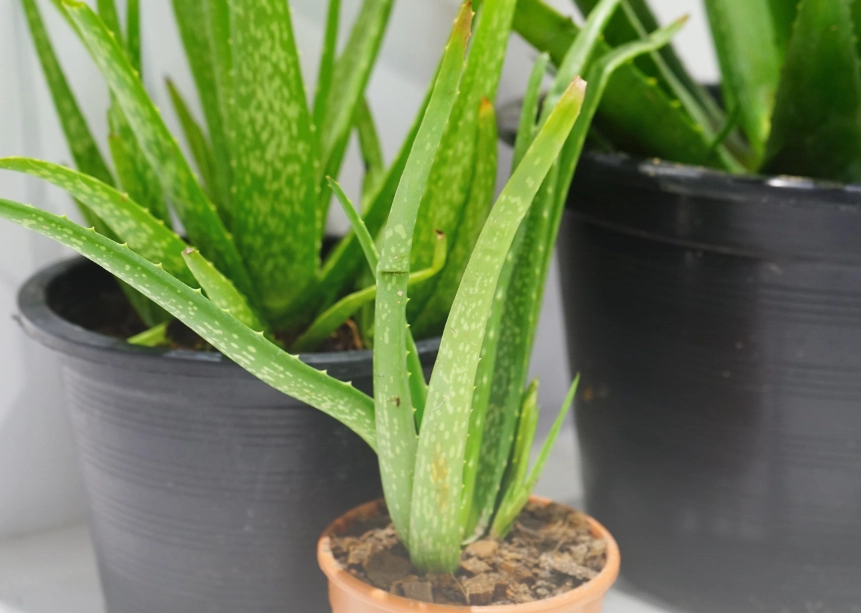
Hold the plant in place and fill in around the roots with your soil mix. Gently tap the pot to settle the soil, but don't compact it. Leave about an inch of space between the soil surface and the rim of the pot for watering.
The Big Mistake I See: People immediately water to "help the plant settle." This is the opposite of helpful. You've just trimmed roots, creating tiny wounds. Watering now invites pathogens straight into those open wounds. Do not water yet.
The Critical Aftercare (Where Most Fail)
The repotting is done, but your job isn't. This next week determines success.
The First Watering: Patience is a Virtue
Place your newly potted aloe in bright, indirect light (not direct sun yet). Now, wait. Wait 5 to 7 days before the first watering. This gives the root system time to callous over any cuts and start acclimating. When you do water, water thoroughly until it runs out the drainage hole, ensuring the entire root ball gets moisture. Then, let it drain completely.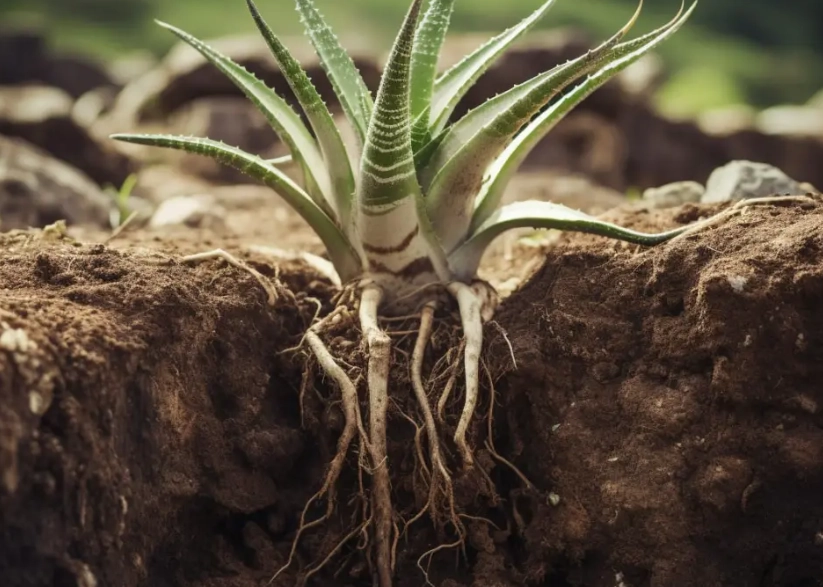
Light and Recovery
Keep the plant in that bright, indirect light for about two weeks. After that, you can gradually move it back to its preferred spot with more direct sunlight (aloes love lots of light). You might see some lower leaves brown or wilt slightly—this is normal shock. Resist the urge to overwater to "fix" it.
Hold off on fertilizing for at least a month, preferably until the next growing season. The fresh soil has enough nutrients.
| Timeline | Action | Why It's Important |
|---|---|---|
| Day 1 (Repot Day) | Plant in dry soil. Do NOT water. | Allows root wounds to callous, preventing rot. |
| Days 2-6 | Keep in bright, indirect light. No water. | Plant focuses energy on initial root recovery. |
| Day 7 | First thorough watering. | Hydrates the plant after the recovery period. |
| Weeks 2-3 | Gradually reintroduce to direct sun. | Prevents sunburn on a stressed plant. |
| Month 2+ | Resume normal care and feeding. | Plant is fully established and ready to grow. |
Your Repotting Questions Answered
My aloe leaves are getting soft and droopy after repotting. Did I kill it?
Soft leaves immediately after repotting are usually a sign of transplant shock and minor root damage, not necessarily death. Give it time. The most common cause of persistent soft, mushy leaves, especially if they turn brown, is watering too soon after repotting. Check the base of the stem. If it's firm, cut back on water and give it bright light. If the stem itself is mushy, you may need to unpot, cut away rot, and start over, being much more patient before watering.
Can I separate the pups from the mother plant during repotting?
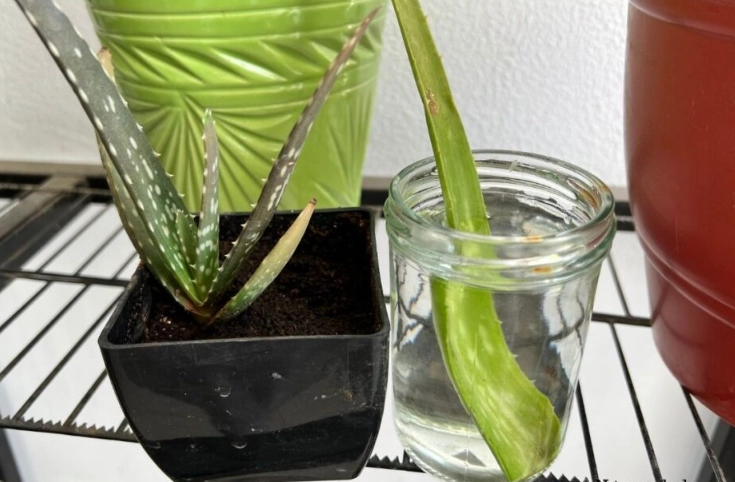
Absolutely, repotting is the perfect time. Once you've removed the entire root ball, you can gently tease the pups apart from the main plant. They often have their own starter roots. If they're connected by a thick stem, use a clean, sharp knife to make a clean cut. Let the pup's cut end dry and callous over for a day or two before potting it in its own small container with succulent mix. Don't water it for about a week.
How often should I realistically replant my aloe vera?
There's no fixed schedule—it depends on growth. A young, fast-growing aloe might need repotting every 12-18 months. A mature, large plant in a big pot might be perfectly happy for 3-4 years. Let the plant tell you, not the calendar. Watch for the signs we discussed: roots at the holes, stalled growth, or becoming top-heavy. Over-repotting is more stressful than leaving it be for an extra year.
I accidentally broke a lot of roots during repotting. Will it survive?
Aloes are surprisingly tough. If you have a healthy plant and you've cleaned the breaks with sterile shears, it has a very good chance. The key is to adjust your aftercare. Extend the dry period before the first watering to 7-10 days to ensure those broken ends seal completely. Keep it in stable, bright indirect light and avoid any fertilizer until you see definite new growth, which signals the roots have recovered.
What's the difference between "repotting" and "transplanting" an aloe?
In casual conversation, they're used interchangeably. Technically, "repotting" means moving a plant to a new container. "Transplanting" often implies moving a plant from one location in the ground to another. Since most of us grow aloe in pots, we're almost always talking about repotting. The process and principles are identical: fresh soil, correct depth, careful root handling, and a dry period after the move.


Comments