Let's be honest. Shelf space is a luxury. And that boring, empty corner above your kitchen window? It's begging for something alive. That's where hanging succulent plants come in. They're not just another potted plant you shove on a windowsill. They're living sculptures that drape, cascade, and add a vertical dimension of green that flat surfaces can't match. I've killed my share of succulents over the years, thinking "they're easy," only to learn that hanging them introduces a whole new set of rules. This guide cuts through the basic advice you see everywhere and dives into what actually works for keeping these trailing beauties thriving, not just surviving.
What's Inside This Guide?
Why Choose Hanging Succulents? (Beyond Just Looking Cool)
Sure, they look Instagram-worthy. But the benefits are practical. In a small apartment, they free up precious table and floor space. They improve air flow around the plant, which is crucial for preventing rot—a common killer. For succulents that naturally sprawl and trail in the wild, like String of Pearls or Burro's Tail, hanging them mimics their natural growth habit. They get to do their thing without you constantly pruning them back from the furniture.
There's a psychological perk, too. Having greenery at eye level or above changes the feel of a room more dramatically than a plant sitting low. It draws the gaze upward and makes the space feel fuller, more intentional.
5 Best Trailing Succulents for Beginners and Beyond
Not all succulents are created equal for hanging baskets. You want varieties that are naturally inclined to spill over the edges. Here’s my curated list, based on growth speed, ease of care, and visual impact.
| Plant Name | Key Characteristics | Light Needs | Growth Speed | My Personal Note |
|---|---|---|---|---|
| String of Pearls (Senecio rowleyanus) | Fast-growing, bead-like leaves on thin stems. The classic. | Bright, indirect light. Some direct morning sun. | Fast | Touch the pearls. If they're soft, water. If firm, wait. This tactile test never fails. |
| Burro's Tail (Sedum morganianum) | Plump, blue-green leaves densely packed on long, sturdy stems. | Bright light to full sun (acclimate slowly). | Slow to Medium | The leaves fall off if you look at them wrong. Handle minimally and hang where it won't be brushed. |
| String of Bananas (Senecio radicans) | Curved, banana-shaped leaves. More forgiving than String of Pearls. | Bright, indirect light. | Fast | My top recommendation for beginners. Less prone to sudden meltdowns from overwatering. |
| Ruby Necklace (Othonna capensis) | Purple, bean-shaped leaves that turn bright red/purple in sun. | Lots of bright light for best color. | Fast | It's a drama queen for light. Low light makes it leggy and green. Give it sun for the show. |
| Fishbone Cactus (Epiphyllum anguliger) | Not a true cactus. Flat, zig-zag stems, spectacular night-blooming flowers. | Medium to bright indirect light. No harsh sun. | Medium | A fantastic non-traditional choice. Loves humidity, so it's great for kitchens or bathrooms with good light. |
I often see recommendations for String of Dolphins or String of Hearts. They're beautiful, but Dolphins can be finicky about humidity, and Hearts (Ceropegia) is technically a semi-succulent with different watering needs. Start with the table above to build confidence.
Hanging Succulent Care: The 3 Mistakes Everyone Makes
Here’s where that "10 years of mistakes" experience comes in. Most online guides treat hanging succulents the same as potted ones. They're not.
1. Watering Based on a Schedule, Not the Soil
Forget "once a week." The single biggest killer is soggy soil at the bottom of a deep hanging pot. Your plant's roots are up top, but water sinks. I use the "heft test." Lift the pot. Feel how light it is when dry. Water thoroughly until it runs out the drainage hole (non-negotiable!), then feel the weight. Only water again when it's back to feeling light. In summer, that might be every 7-10 days. In winter, maybe once a month. A moisture meter probe can help for deeper pots.
2. Using the Wrong Soil and Pot
Standard potting soil or even "cactus mix" straight from the bag often retains too much moisture for a hanging setup. I make my own gritty mix: 2 parts cactus soil, 1 part perlite, 1 part coarse sand or pumice. This ensures rapid drainage and aeration all the way through.
Pot choice is critical. Terracotta is breathable and helps wick away moisture, but it's heavy. Plastic is lighter but holds water longer. Choose based on your watering habits—if you tend to over-love with water, go terracotta. Ensure the pot is wide and shallow rather than deep and narrow to prevent a wet, rootless pit at the bottom.
3. Insufficient Light (The Leggy Plant Problem)
You hung it in that cute macrame hanger in the middle of your living room, and now it's growing long, stretched-out stems with huge gaps between leaves. This is etiolation—it's desperately reaching for light. Most hanging succulents need bright, indirect light for several hours a day. A south or east-facing window is ideal. If you only have lower light, choose a more tolerant variety like some Rhipsalis or limit your expectations on growth density and color.
How to Hang Succulents Safely and Stylishly
This is the fun part. Safety first: always use a proper ceiling hook rated for weight, drilled into a stud or with a heavy-duty drywall anchor. Don't rely on adhesive hooks for anything but the lightest plastic pots.
For display, think in layers. Hang plants at different heights to create a cascading effect. Mix textures—pair the fine beads of String of Pearls with the chunky leaves of a Burro's Tail. Don't be afraid to use non-traditional planters. I've had great success with colanders (line with coco coir), shallow ceramic bowls with side hooks, or even upcycled tin cans punched with drainage holes for a rustic look.
Consider the microclimate. Hanging a plant near a heating vent or an air conditioner will dry it out incredibly fast. A spot near a humidifier or in a bathroom with a window can be paradise for varieties like the Fishbone Cactus.
Your Hanging Succulent Questions, Answered
My String of Pearls is thinning at the top near the soil, even though the ends are growing. What's happening?
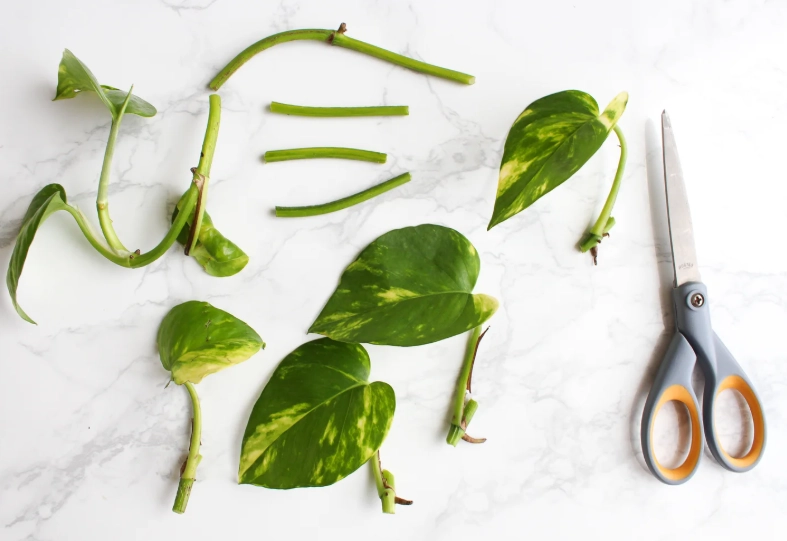
This is classic. The plant is redirecting energy to the growing tips, and the older stems near the base are getting woody and losing leaves. It's partly natural, but often exacerbated by light not reaching the crown. To fix it, take several healthy cuttings from the ends, coil them on top of the bare soil, and pin them down lightly with a bent paperclip. They'll root and fill in the bald spot, making the plant denser. Do this in the growing season (spring/summer).
Can I keep a hanging succulent in my bathroom with no window?
I wouldn't recommend any succulent for a windowless bathroom. They need light more than they need humidity. The constant moisture in the air combined with zero light is a recipe for rot and etiolation. If your bathroom has a window that gets a few hours of light, then humidity-loving trailing plants like the Fishbone Cactus or some Rhipsalis species could thrive.
How do I repot a fragile hanging succulent like Burro's Tail without destroying it?
This is a nightmare job. My method is less about repotting and more about surgery. First, stop watering for a week so the leaves are less turgid and prone to popping off. Lay the plant gently on a large towel or sheet of newspaper. Support the stems as you tip the old pot. Brush away old soil from the root ball gently. Place it in the new, pre-filled pot. Don't bury the stems deeper. For the next week, keep it out of direct sun and don't water—this allows any broken roots to callous. You'll still lose some leaves, but far fewer.
Are there any pet-safe hanging succulents?
Many popular succulents, like Burro's Tail and most Senecios (String of Pearls/Bananas), can cause mild to severe gastrointestinal upset in cats and dogs if ingested. The ASPCA website is the definitive resource for checking toxicity. For a safer trailing option, consider non-succulent hanging plants like Spider Plants, Boston Ferns, or some Peperomias. Always hang toxic plants well out of reach of curious pets.
The journey with hanging succulents is incredibly rewarding. You start with a small pot, and over time, you're rewarded with these incredible, living curtains of green. Pay attention to their signals—the weight of the pot, the firmness of the leaves, the spacing of new growth. They'll tell you exactly what they need. Now, go find that empty corner and give it some life.

Comments