Let's be honest. If you've killed a succulent, chances are you loved it to death with water. I've done it myself. That cute little Echeveria on my office desk? I watered it every Monday because that's what I read online. Within two months, it was a mushy, blackened stump. The biggest mistake we make is asking "how often" as if there's a universal weekly answer. There isn't. The real secret is learning to read your plant and its environment.
Watering is the make-or-break skill for succulent care. Get it right, and they'll reward you with stunning growth and even flowers. Get it wrong, and root rot sets in quietly beneath the soil surface.
In This Article, You'll Discover:
The Golden Rule: Soak and Dry, Not Sip and See
Here's the core principle that changes everything: Water deeply, then let the soil dry out completely. Succulents store water in their leaves and stems. Their roots are designed to absorb a large amount of water quickly when it's available (like after a desert rainstorm) and then endure a long period of drought.
When you give them just a little splash on the surface, you're only wetting the top roots. The deeper roots stay dry, which can cause them to shrivel and die. Meanwhile, the top soil stays damp just long enough to invite fungus or rot around the stem base.
The "Dry" part is crucial. Completely dry. Not "mostly" dry or "sort of" dry. We'll get into how to test for that.
Why "Once a Week" is Useless: 5 Factors That Dictate Frequency
Your friend in Arizona waters her outdoor succulents every 10 days. You, in a humid New York apartment, cannot. Here’s what actually determines how often you'll need to water.
1. Season and Light
This is the biggest driver. In spring and summer, with more than 12 hours of bright light, succulents are actively growing and drinking more water. In fall and winter, growth slows or stops (dormancy). Water needs can drop by 50-75%. A plant in a south-facing window dries out faster than one in an east-facing one.
2. Climate and Indoor Environment
Hot, dry, windy air sucks moisture from soil rapidly. Cool, humid air keeps soil moist for longer. Is your plant near a heating vent or an air conditioner? Those create microclimates of dry air that speed up drying.
3. The Pot Matters More Than You Think
Terracotta pots are porous. They "breathe," allowing water to evaporate through the sides, which helps soil dry faster. Glazed ceramic or plastic pots retain moisture much longer. A small pot dries out faster than a large one holding more soil volume.
4. Soil Composition is Non-Negotiable
Regular potting soil is a death sentence for most succulents. It holds water like a sponge. You need a gritty, fast-draining mix. A good starting point is a 50/50 blend of potting soil and perlite or pumice. Many experts use even grittier mixes. The right soil is your best insurance against overwatering.
5. The Type of Succulent
While the soak-and-dry method applies to all, some varieties are thirstier. Thin-leaved succulents like Sedum morganianum (Burro's Tail) often need water more frequently than a plump Lithops (Living Stone), which might only need a few drinks a year.
How to Check for Water: Ditch the Guesswork
Forget the calendar. Use these methods, in this order of reliability.
The Finger Test (Best for Beginners): Stick your finger about 2 inches into the soil. If you feel any moisture or coolness at your fingertip, wait. If it's completely dry and feels warm, it's time to water.
The Chopstick or Skewer Test (More Accurate): Like testing a cake. Push a wooden chopstick deep into the soil, leave it for a minute, then pull it out. If it comes out with soil sticking to it or looks darker, the soil is still damp. If it comes out clean and dry, go ahead and water.
The Leaf Test (Auxiliary Clue): Learn what your succulent looks like when happy. A well-hydrated succulent has plump, firm leaves. When it's thirsty, the leaves may become slightly less rigid, thinner, or show faint wrinkles (especially on bottom leaves). Don't wait until it's severely wrinkled—that's stress.
A Realistic Seasonal Watering Guide (With Examples)
Let's put it all together. Here are two common scenarios. These are illustrative starting points, not rules. You must still check the soil.
| Scenario | Spring/Summer (Active Growth) | Fall/Winter (Slow/Dormant) |
|---|---|---|
| Indoor Succulent South-facing window, 6" plastic pot, 50/50 soil mix. |
Soil dries in ~10-14 days. Water deeply when dry. | Soil may take 3-4 weeks to dry. Water very sparingly, maybe once a month. |
| Outdoor Succulent (Temperate Climate) On a covered patio, terracotta pot, very gritty mix. |
Hot sun and breeze dry pot in ~5-7 days. Water deeply when dry. | Rain may provide enough. If under cover, water only every 4-6 weeks if no rain. |
See the difference? The outdoor plant in summer might need water twice as often as the indoor one. In winter, the roles could reverse.
The Silent Killer: Signs of an Overwatered Succulent
Overwatering doesn't always look like a flooded plant. It's subtle at first.
Early Stage: Leaves turning yellow, starting from the bottom. They feel soft, mushy, and translucent. The plant may drop healthy-looking leaves easily.
Advanced Stage: Black or brown spots on leaves or stem. Stem near soil feels soft and squishy. A foul smell from the soil. The plant becomes loose in the pot as roots rot away.
What to do if you see this: 1. Stop watering. Immediately. 2. Remove the plant from its pot. Gently brush away wet soil. 3. Inspect the roots. Healthy roots are firm and white or tan. Rotten roots are black/brown, mushy, and may smell bad. 4. Using sterilized scissors, cut away ALL rotten roots and any mushy stem parts. 5. Let the plant sit out bare-root in a shady, airy spot for 2-3 days to callous over the cuts. 6. Repot in completely dry, fresh, well-draining soil. Do not water for at least a week after repotting.
Subtle Watering Mistakes You're Probably Making
Beyond the obvious overwatering, here are the nuanced errors I see even experienced hobbyists make.
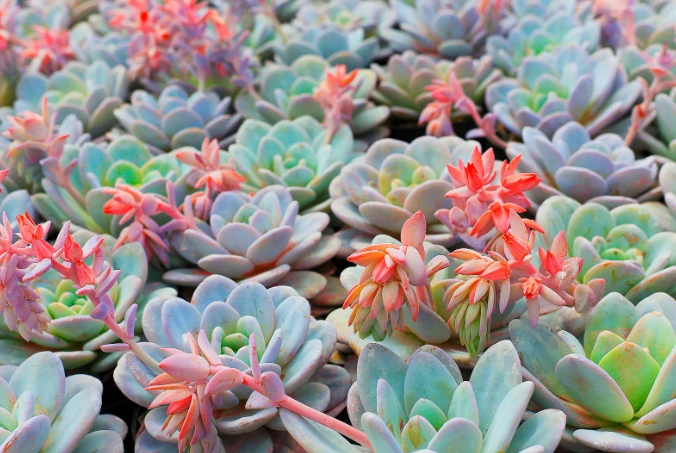
Mistake 1: Watering on the Leaves. Especially for rosette-shaped succulents like Sempervivum or Echeveria, water trapped in the crown can lead to rot. Water the soil directly.
Mistake 2: Relying on a "Self-Watering" Pot or Globe. These provide constant, low-level moisture—the exact opposite of what succulents need. Avoid them.
Mistake 3: Not Accounting for the "Water Reservoir" in the Saucer. You water until it drains out, but then you leave the pot sitting in that drained water. This keeps the bottom soil soggy. Always empty the saucer or tray 15 minutes after watering.
Mistake 4: Assuming Winter Means No Water. While you water less, you don't stop entirely. If your home is heated and dry, the soil might still dry out, just slower. A completely bone-dry root system for 3 months can also kill the plant. Check occasionally.
The goal isn't to scare you. It's to empower you. When you start seeing your succulent as a living barometer of its own needs, rather than a decoration on a schedule, everything changes. You'll watch the leaves, feel the soil, and know. That's when you stop being just an owner and start being a grower.
Your Succulent Watering Questions, Answered
How do I know if my succulent needs water?
My succulent's bottom leaves are turning yellow and mushy. What's wrong?
Should I water my succulents differently in winter?
Is it better to water succulents from the top or bottom?


Comments