Here's What We'll Cover
- What Exactly is a Neoregelia?
- The Non-Negotiable Basics of Neoregelia Care
- Light: Getting It Right for Your Neoregelia
- Watering: The Biggest Mistake Everyone Makes
- Soil and Food: What Your Neoregelia Really Craves
- Temperature and Humidity: Creating the Perfect Microclimate
- Popular Neoregelia Varieties You Can Actually Find
- How to Propagate Neoregelia: A Step-by-Step Guide
- Troubleshooting: Why Is My Neoregelia Dying?
- Your Neoregelia Questions, Answered
I killed my first neoregelia within months. It was a beautiful 'Fireball' variety, and I treated it like any other houseplant—constant watering, direct sunlight, you name it. Turns out, neoregelias are bromeliads with specific needs that most guides gloss over. If you're here, you probably want to avoid that fate. Let's dive into what makes these plants tick, based on my decade of trial and error with bromeliads.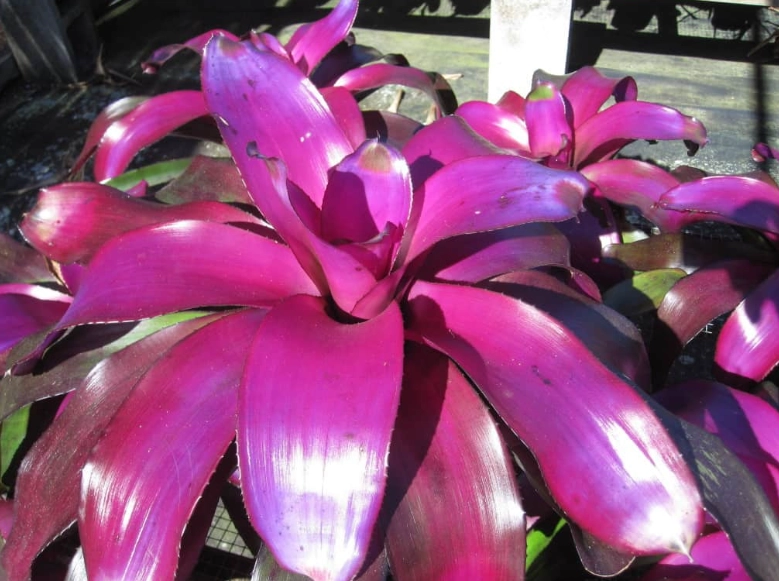
What Exactly is a Neoregelia?
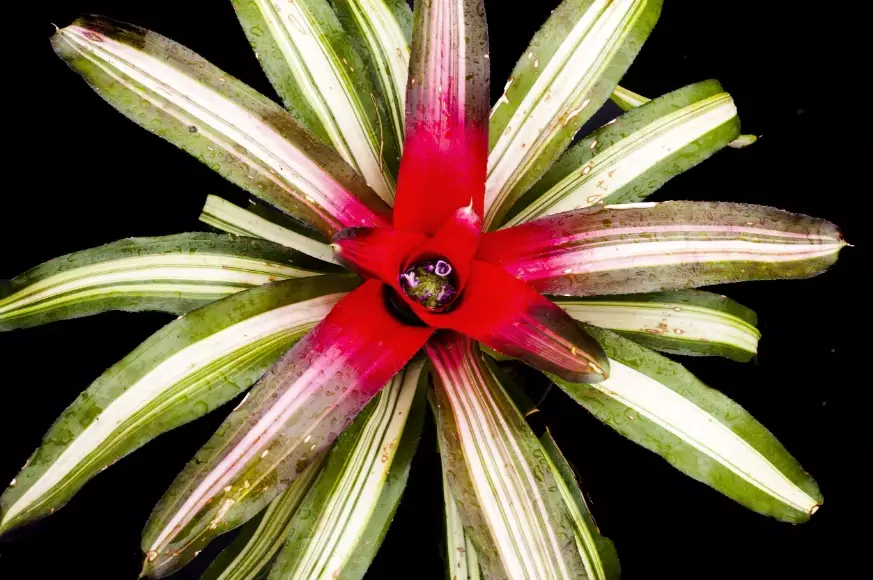
Neoregelia is a genus of bromeliads, native to South American rainforests. They're epiphytes, meaning they grow on trees in the wild, not in soil. That's key—it explains why their care differs from your average pothos or snake plant. The central feature is a rosette of leaves that forms a cup, called a tank, which collects water. Many varieties have stunning colors, like reds and purples, especially when they're about to flower.
Most people buy neoregelias for their foliage, not flowers. The bloom is a short-lived event, after which the plant slowly dies, producing offsets called pups. That's normal, not a sign of failure. According to the Bromeliad Society International, neoregelias are among the most adaptable bromeliads for indoor growing, but they still demand attention to detail.
The Non-Negotiable Basics of Neoregelia Care
Think of neoregelia care as a balancing act. Get these wrong, and your plant will sulk or die. I've seen too many beginners overcomplicate it. Here's the core: bright indirect light, moderate humidity, and careful watering. Forget the myth that they're low-maintenance; they're just forgiving if you understand their quirks.
Pro tip from experience: Neoregelias hate soggy roots more than anything. If you're using a pot, ensure it has drainage holes. I learned this the hard way when a 'Carolinae' rotted because I used a decorative pot without drainage.
Light: Getting It Right for Your Neoregelia
Light is where most folks mess up. Neoregelias need bright, indirect light—think near an east or west-facing window. Direct sun, especially afternoon sun, can scorch the leaves, causing brown tips. Too little light, and the colors fade, the plant becomes leggy.
In my apartment, I keep mine about 3 feet from a west window, with a sheer curtain. If you have low light, consider supplementing with a grow light. LED grow lights work well; aim for 12-14 hours daily. A common mistake is moving the plant around too much. Neoregelias prefer stability, so pick a spot and stick to it.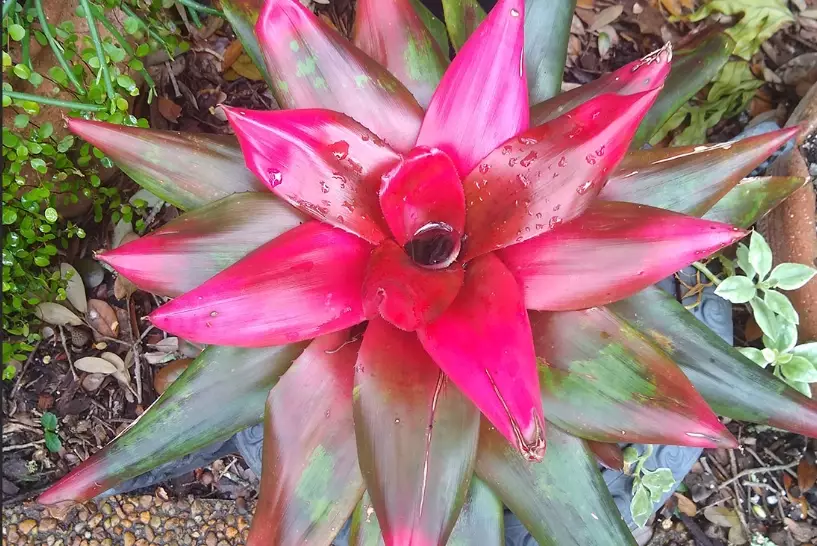
Watering: The Biggest Mistake Everyone Makes
Watering is the killer. Here's the non-consensus view: you shouldn't always keep the central cup full. In nature, the cup collects rainwater, but indoors, stagnant water leads to rot. I fill the cup only during active growth (spring and summer), and let it dry out between refills. In winter, I keep it mostly dry.
Water the soil lightly when the top inch feels dry. Use distilled or rainwater if your tap water is hard; minerals can build up in the cup. I once used tap water, and white crust formed on the leaves—a pain to clean. Bottom-watering works: place the pot in a tray of water for 30 minutes, then drain.
Soil and Food: What Your Neoregelia Really Craves
Soil should be fast-draining. A mix of orchid bark, perlite, and peat moss in equal parts is my go-to. Avoid heavy potting soil—it retains too much moisture. For fertilizing, less is more. Use a diluted, balanced fertilizer (like 10-10-10) at quarter strength, applied to the soil every 4-6 weeks during growing season. Never pour fertilizer into the cup; it can burn the plant.
Some experts from the Bromeliad Society recommend foliar feeding—spraying diluted fertilizer on the leaves. I've tried it, and it boosts color, but it's optional for beginners.
Temperature and Humidity: Creating the Perfect Microclimate
Neoregelias thrive at 60-80°F (15-27°C). They can tolerate brief dips to 50°F, but avoid drafts from windows or AC vents. Humidity is crucial—aim for 50-60%. In dry homes, use a humidifier or place the pot on a pebble tray with water. Misting helps, but don't overdo it; wet leaves can invite fungus.
My setup: a small humidifier runs nearby, and I group plants together to raise humidity. If leaves start curling, it's a sign of low humidity.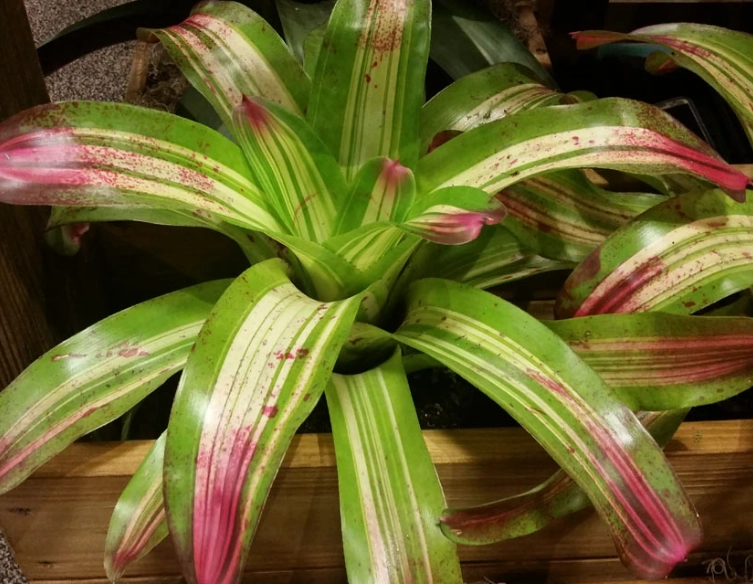
Popular Neoregelia Varieties You Can Actually Find
Not all neoregelias are equal. Some are easier for beginners. Here are three I recommend, based on availability and resilience:
- Neoregelia 'Fireball': Compact, turns bright red in good light. Tolerates lower humidity. Great for desks.
- Neoregelia carolinae: Classic green with red centers. Forgiving of watering mistakes. Often sold in garden centers.
- Neoregelia 'Tiger': Striped leaves, more finicky about light. For experienced growers seeking a challenge.
I started with 'Fireball' and still have it years later. Avoid rare hybrids until you're confident—they're pricey and sensitive.
How to Propagate Neoregelia: A Step-by-Step Guide
Propagation is rewarding. After flowering, the mother plant produces pups. Wait until pups are one-third the size of the mother, then separate them. Here's my method:
1. Gently remove the plant from its pot. 2. Use a sterile knife to cut the pup away, ensuring it has some roots. 3. Let the cut dry for a day to prevent rot. 4. Plant in the same soil mix, water lightly. 5. Keep in bright indirect light; roots establish in 4-6 weeks.
I've propagated dozens this way. Don't rush—separating too early kills the pup. Some people leave pups attached to form a clump, but I prefer individual plants for control.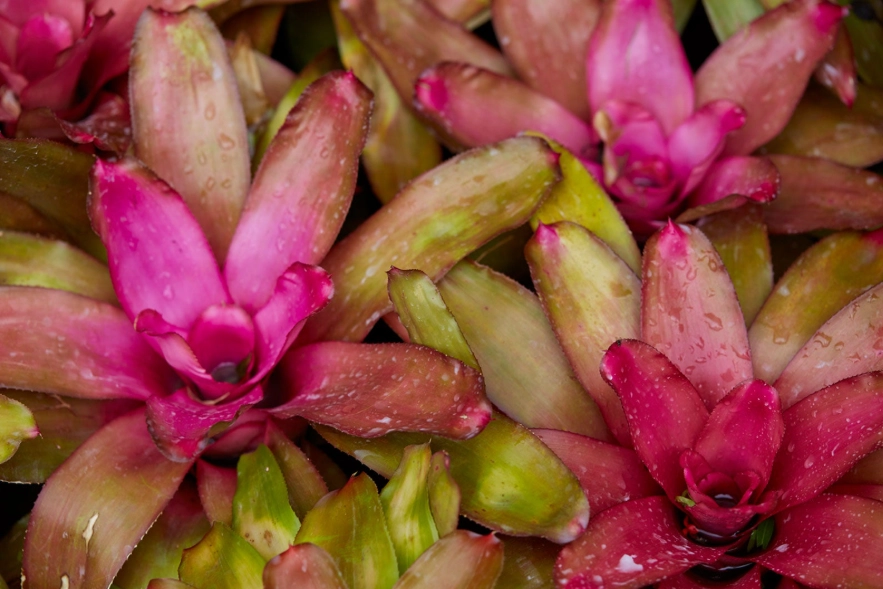
Troubleshooting: Why Is My Neoregelia Dying?
Common issues and fixes:
- Brown leaf tips: Too much direct sun or low humidity. Move to indirect light, increase humidity.
- Yellow leaves: Overwatering or poor drainage. Check soil, reduce watering.
- No color: Insufficient light. Move to a brighter spot, but avoid direct sun.
- Rotting base: Waterlogged soil or cup. Empty the cup, repot in dry soil.
I had a neoregelia that turned mushy at the base—it was root rot from overwatering. I salvaged it by cutting away the rot and repotting. Prevention is easier than cure.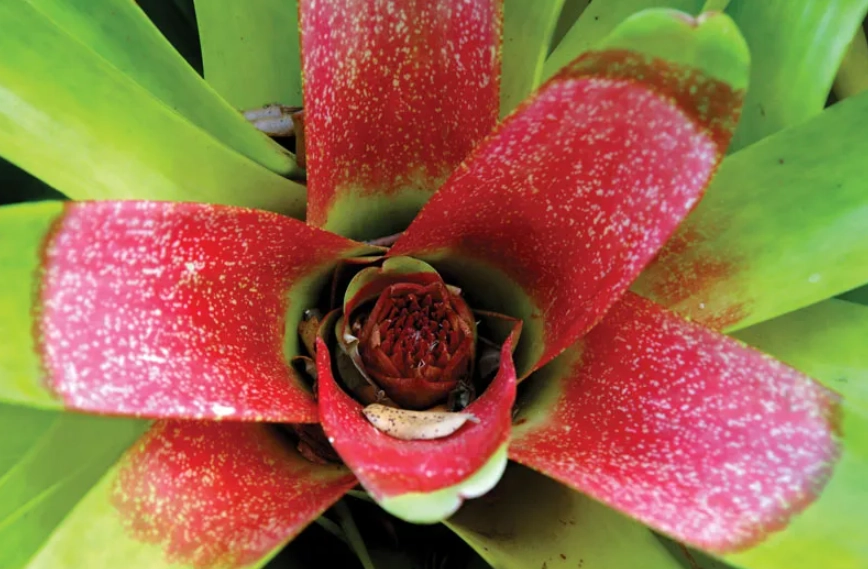
Your Neoregelia Questions, Answered
 Neoregelias are more than just pretty plants; they're a lesson in attention to detail. Start with a hardy variety, master the basics, and you'll have a thriving bromeliad that adds color to your space for years. Remember, it's okay to make mistakes—I did, and now my collection is proof that learning pays off.
Comments