You brought home a Calandiva, dazzled by its pom-pom clusters of double flowers. It was a vibrant ball of color. Now, months later, it's a green leafy thing that stubbornly refuses to bloom again. Sound familiar? You're not alone. The Calandiva (a cultivar of the Kalanchoe blossfeldiana) is often sold as a disposable holiday plant, but with the right know-how, it can be a long-term, prolific bloomer. The secret isn't in constant fussing, but in understanding its succulent nature and mimicking the conditions that trigger its spectacular show. Let's cut through the generic advice and get into what actually works.
What's Inside?
- Light: The Non-Negotiable Bloom Trigger
- The One Watering Mistake Everyone Makes
- Soil & Repotting: Why Drainage is Everything
- Feeding Schedule for Maximum Flowers
- The Pruning Secret for Continuous Blooms
- Propagation Tips: Share the Wealth
- Common Problems & Quick Fixes
- Your Calandiva Questions, Answered
Light: The Non-Negotiable Bloom Trigger
This is the biggest make-or-break factor. Calandivas need bright light to bloom, but the type and duration matter more than you think.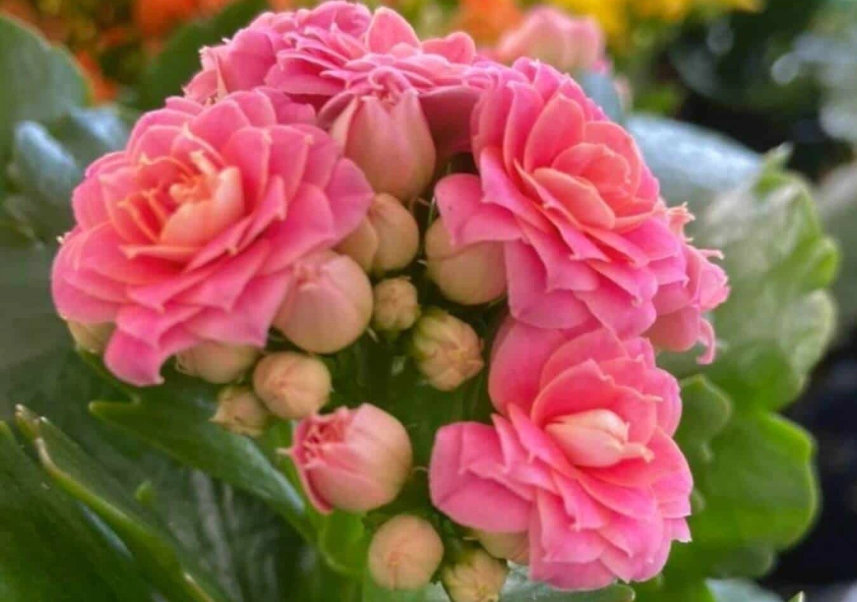
Finding the Sweet Spot
A south or west-facing window is ideal in most climates. East can work too. The goal is 4-6 hours of bright, indirect light daily. Direct, scorching afternoon sun in a hot climate can bleach the leaves (you'll see pale, scorched patches). Not enough light, and the plant stretches, becoming leggy, with wide gaps between leaves, and it simply won't produce flower buds.
The "Short Day" Blooming Cycle (It's a Thing)
Here's the expert insight rarely mentioned: Calandivas are photoperiodic. They initiate buds when they experience longer nights (at least 14 hours of darkness). This naturally happens in fall/winter. The plant you bought in bloom was forced into this cycle by growers. To re-bloom it yourself, you need to simulate this. For 6-8 weeks, give it bright days but ensure it gets 14+ hours of uninterrupted darkness at night. Even a streetlamp or frequent room light can disrupt this. A closet or a box over the plant works.
I skipped this step for years, wondering why my plant was healthy but flowerless. Once I gave it the "short day" treatment, buds appeared in weeks.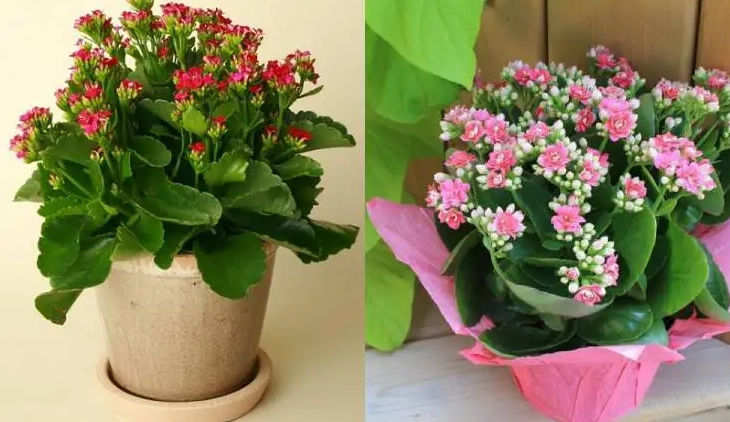
The One Watering Mistake Everyone Makes
Overwatering. It's the killer of 90% of houseplants, and Calandivas are supremely susceptible. Their thick, succulent leaves store water. Treat them like a cactus, not a fern.
The Soak and Dry Method
Forget the weekly schedule. Your method should be:
- Check the soil: Stick your finger at least an inch and a half into the pot. For larger pots, go deeper—up to the second knuckle.
- Water only when dry: If it feels at all damp or cool, walk away. Wait.
- Soak thoroughly: When it's dry, take the plant to the sink. Water slowly until it runs freely out of the drainage holes. This ensures the entire root ball gets hydrated.
- Let it drain completely: Never let it sit in a saucer of water. Empty the saucer after 15 minutes.
In winter, when growth slows and light is lower, you might only water every 3-4 weeks. In a hot, bright summer, it could be every 10-14 days. Let the plant, not the calendar, tell you.
Soil & Repotting: Why Drainage is Everything
The potting mix is your insurance policy against overwatering. Standard potting soil holds too much moisture.
Your ideal mix: Use a cactus & succulent potting mix straight from the bag. For extra insurance, especially if you're a chronic over-waterer, amend it with 20-30% perlite or pumice to increase aeration. This creates an environment where roots can breathe.
When and How to Repot
Calandivas are slow growers and like being slightly pot-bound. Repot only when you see roots circling the bottom of the pot or growing out of the drainage holes, typically every 2-3 years.
- Timing: Spring or early summer is best, after a bloom cycle.
- Pot size: Go up only one pot size (e.g., from a 4" to a 6" pot). A pot too large holds wet soil for too long, risking root rot.
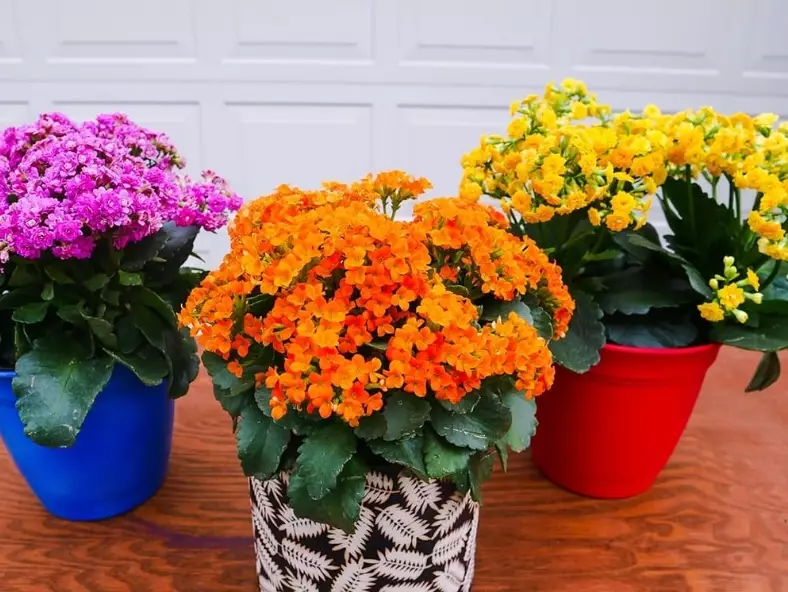
- Pot type: Terracotta clay pots are excellent because they wick away excess moisture. Ensure any pot you use has drainage holes.
Feeding Schedule for Maximum Flowers
Fertilizer supports the energy-intensive work of blooming, but more is not better. A common mistake is using a high-nitrogen fertilizer (the first number, like 10-10-10), which promotes leafy growth at the expense of flowers.
What to use: A balanced, water-soluble fertilizer diluted to half-strength (e.g., 10-10-10 or 20-20-20) works. But for optimal blooming, switch to a fertilizer with a higher phosphorus content (the middle number, like 5-10-5 or a "bloom booster" formula) when you see buds forming.
| Growth Phase | Fertilizer Type | Frequency | Key Note |
|---|---|---|---|
| Active Growth (Spring/Summer) | Balanced (e.g., 10-10-10) | Every 4-6 weeks | Dilute to half strength. |
| Bud Formation & Blooming | Bloom Booster (e.g., 5-10-5) | Every 4-6 weeks | Stops when flowering ends. |
| Dormant/Rest Period (Late Fall/Winter) | None | Do not fertilize | Plant is resting. |
I made the mistake of feeding year-round once. The plant grew huge, dark green leaves but didn't produce a single flower the next season. Now, I give it a complete rest in the darker months.
The Pruning Secret for Continuous Blooms
Pruning isn't just about shape; it's the key to a bushier plant and more bloom sites. Here's the specific technique most guides gloss over.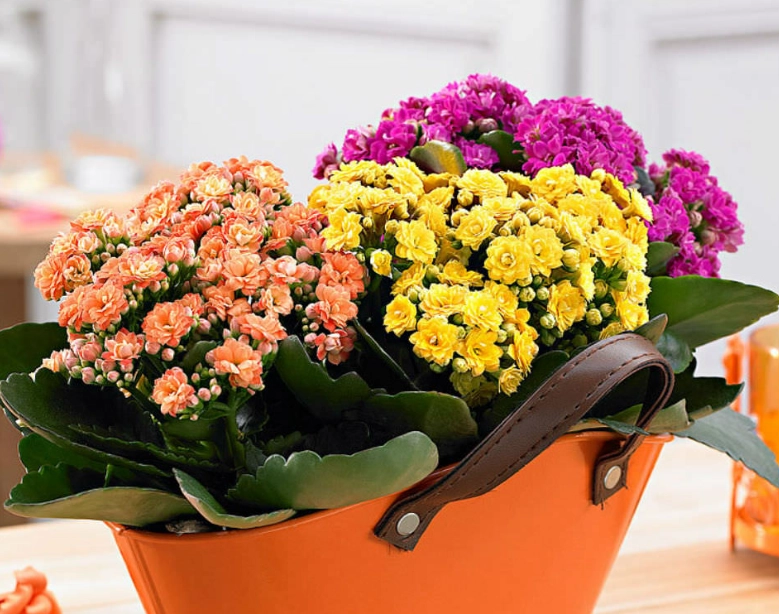
Deadheading vs. Pruning
- Deadheading: After flowers fade, snip off the entire flower stalk at its base near the main stem. This keeps the plant tidy and redirects energy.
- Pruning for Bushiness: In late spring or after a bloom, take a sharp pair of sterilized scissors. Look for a leaf node (the point where leaves meet the stem). Cut the stem back by about one-third, just above a leaf node. This encourages two new stems to grow from that node, doubling your potential flower sites.
Don't be afraid to cut. A hard prune can rejuvenate a leggy plant. Just ensure there are still some leaves left to photosynthesize.
Propagation Tips: Share the Wealth
Propagating Calandiva from stem cuttings is incredibly easy and almost foolproof. It's a great way to save a plant you've over-loved (overwatered) or to create gifts.
- Take a 3-4 inch stem cutting from a healthy, non-flowering stem.
- Let the cut end callous over for 1-2 days. This crucial step prevents rot when planting. Most people skip this and wonder why their cutting turns to mush.
- Plant the calloused end in a small pot with fresh, moist cactus mix.
- Place in bright, indirect light and water very sparingly (just enough to keep the soil from completely drying out) until you see new growth, indicating roots have formed.
Common Problems & Quick Fixes
Here’s a rapid-fire diagnostic chart based on what I've seen in my own collection and from helping others.
| Symptom | Likely Cause | Immediate Action |
|---|---|---|
| Leaves are soft, mushy, yellowing | Overwatering / Root Rot | Stop watering. Check roots. If rotten, take healthy cuttings to propagate. |
| Leaves are wrinkled, thin, crispy | Underwatering | Give a thorough soak. The leaves should plump up in 1-2 days. |
| Leggy growth, large gaps between leaves | Insufficient Light | Move to a brighter spot. Prune back leggy stems. |
| Brown, scorched spots on leaves | Too much direct, hot sun | Move to a spot with bright but filtered light. |
| Plant is healthy but won't bloom | Insufficient light OR no "short day" cycle | Increase light exposure and/or try the 14-hour darkness treatment. |
| Powdery white residue on leaves | Powdery Mildew (from poor air circulation) | Improve airflow. Treat with a fungicide or diluted neem oil solution. |
Comments