Let's be honest. The main reason we love aloe vera is that it's tough. It forgives our forgetfulness, thrives on neglect, and still looks good. But the real magic happens when you realize one plant can become five, or ten, or a whole windowsill full—for free. That's the joy of aloe vera propagation. It's not some advanced botanical skill. It's simple, satisfying, and the perfect project for any plant lover, whether you're a seasoned gardener or just figuring out which end of the trowel to hold.
I've been growing and propagating aloes for over a decade, and I've made every mistake in the book so you don't have to. The biggest misconception? That it's a delicate process. It's not. The key is understanding what the plant wants, which is mostly to be left alone at the right moments. This guide will walk you through the three main ways to get new aloe plants: from the baby "pups" that sprout at the base, from leaf cuttings (trickier than you might think), and from seeds (the slow road). We'll focus on what actually works, bust some common myths, and I'll share a few hard-learned lessons that most basic guides skip.
What's Inside: Your Propagation Roadmap
- Method 1: Propagating from Pups (The Surefire Winner)
- Method 2: Propagating from a Leaf Cutting (The Challenge)
- Method 3: Growing from Seed (The Patient Gardener's Path)
- Which Propagation Method Should You Choose?
- Critical Aftercare: What to Do After Propagation
- Your Aloe Propagation Questions Answered
How to Propagate Aloe Vera from Pups (Offsets)
This is the gold standard, the method with a near 100% success rate if you do it right. A mature, healthy aloe vera plant will produce smaller clones of itself, called pups, offsets, or babies, around its base. Your job is simply to separate them and pot them up. It feels like cheating.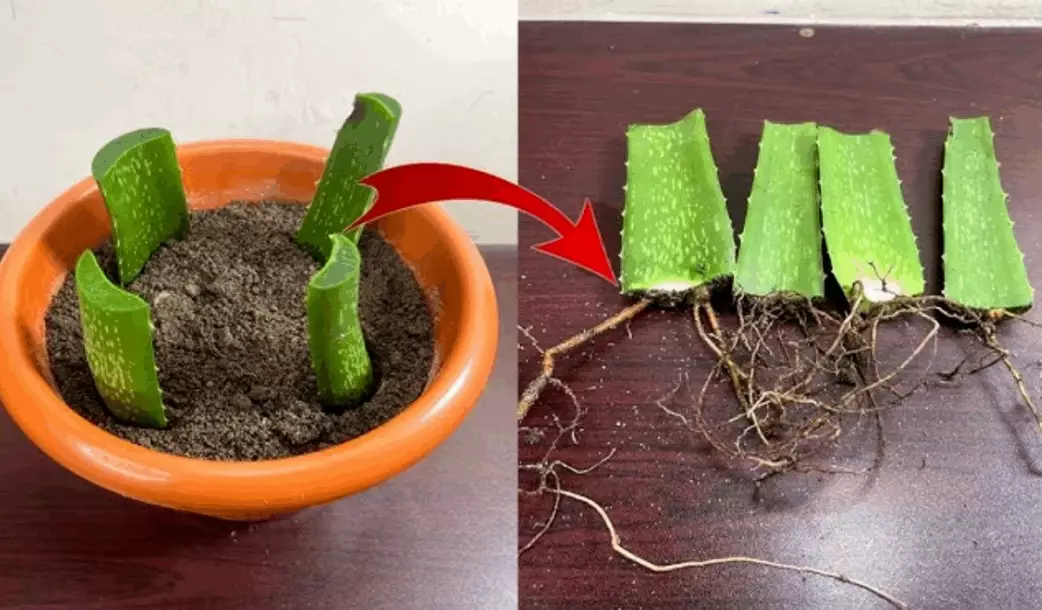
Step-by-Step: Separating and Potting Aloe Pups
You'll need a clean, sharp knife or pair of pruning shears, a fresh pot with drainage holes, and a well-draining cactus/succulent potting mix. Don't use regular garden soil—it holds too much moisture and will rot your new plant.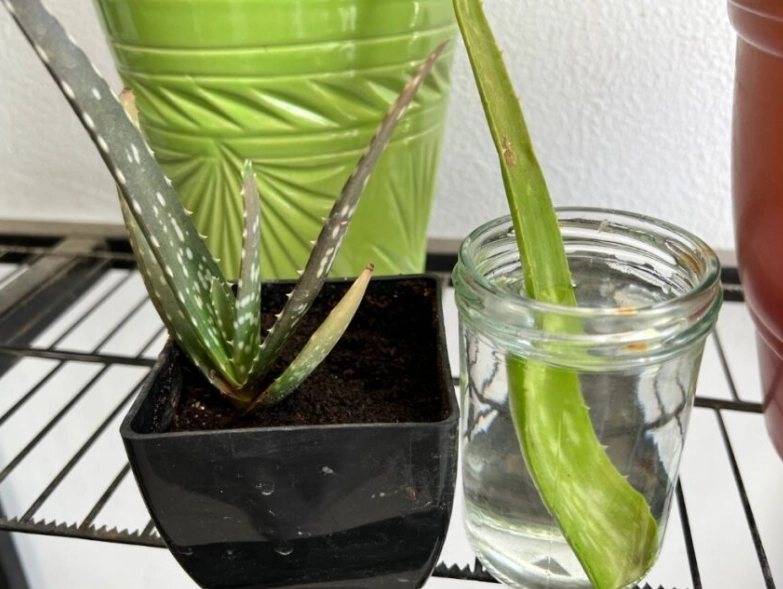
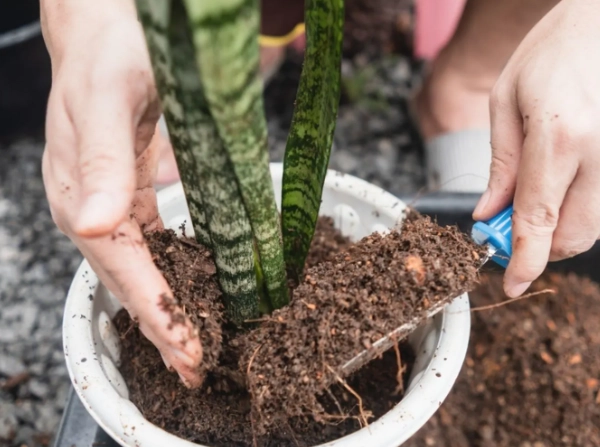
Step 1: Unpot the Mother Plant. Gently tip the whole plant out of its container. Brush away the soil from the base so you can clearly see where the pup connects to the mother. You're looking for the stem or root junction.
Step 2: Find the Connection Point. Sometimes the pup is attached by a thick stem, other times it's more root-bound. The goal is to identify the narrowest point of connection.
Step 3: Make the Cut. Using your clean tool, sever the connection. If there's a stem, cut through it. If it's mostly roots, you may need to gently tease them apart, cutting only if necessary. Try to ensure the pup takes some of its own root system with it. This isn't always possible with very young pups, and that's okay.
Step 4: The Crucial Waiting Period. Here's where most beginners fail. You must let the cut end on the pup callous over. Do not plant it immediately. Place the pup in a warm, dry, shaded spot for 2-5 days. The wound should look dry and sealed, not moist. This callous prevents soil-borne bacteria and fungi from entering and causing rot.
Step 5: Potting Up. Fill your pot with dry potting mix. Make a small hole and place the pup in, burying it just deep enough to stand upright. Do not water it. I repeat, do not water it yet.
Step 6: The First Water. Wait another 3-5 days after potting before giving it a light watering. This encourages the roots to seek out moisture. Then, place it in bright, indirect light and treat it like a mature aloe, watering only when the soil is completely dry.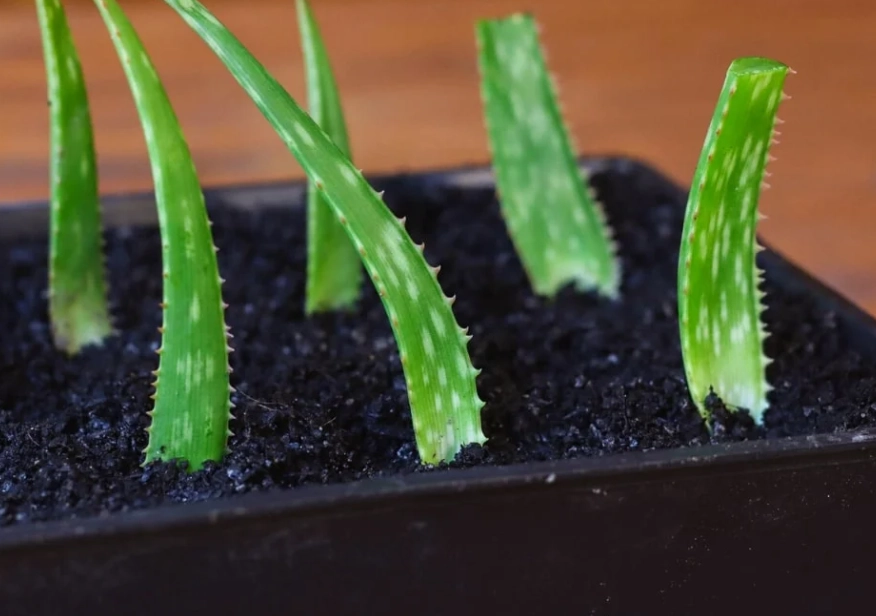
How to Propagate Aloe Vera from a Leaf Cutting
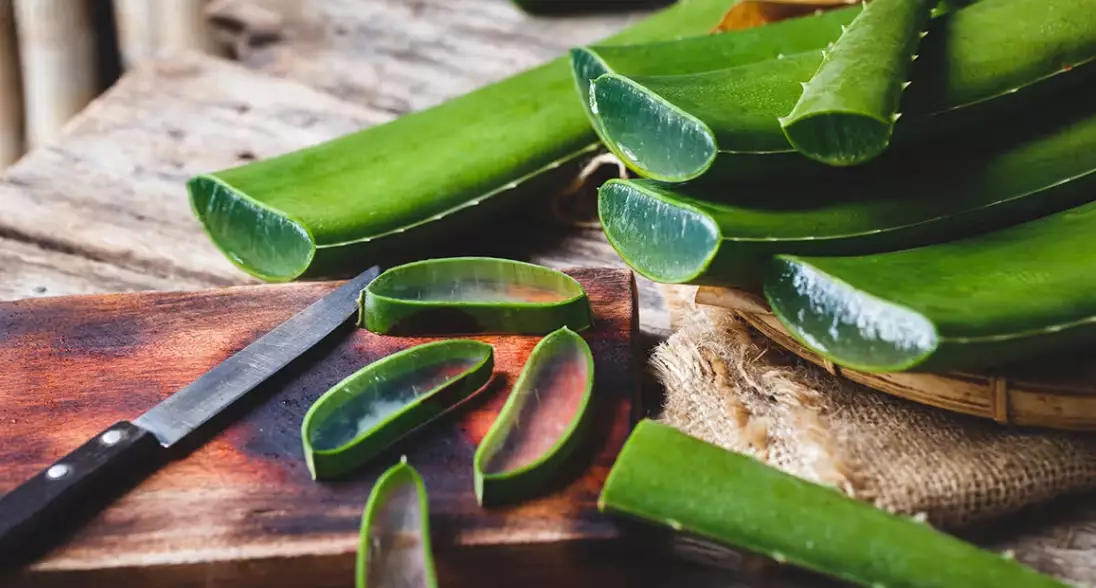
Propagating from a leaf is often the first method people try because it works for so many other succulents. With aloe vera, it's notoriously unreliable. The high water content in the leaves makes them prone to rotting before they can root. Success rates can be as low as 20-30%. But it's not impossible, and it's the only option if your plant has no pups and you don't want to buy seeds.
The Process: After cutting, let the leaf callous over for a full week, maybe even two. The thicker the cut, the longer it needs. Then, you have two schools of thought. Some people stick the calloused end into dry succulent mix and wait for roots. I've had better luck with the "just lay it on top" method. Place the calloused leaf on top of dry soil in a shallow tray. Provide bright light and ignore it. Check for tiny roots emerging from the callous in a month or two. Only when you see definite roots should you very lightly mist the soil near them. It's a game of extreme patience.
I won't sugarcoat it—I've had more leaves turn into mushy casualties than successful plants with this method. It taught me to appreciate the reliability of pups.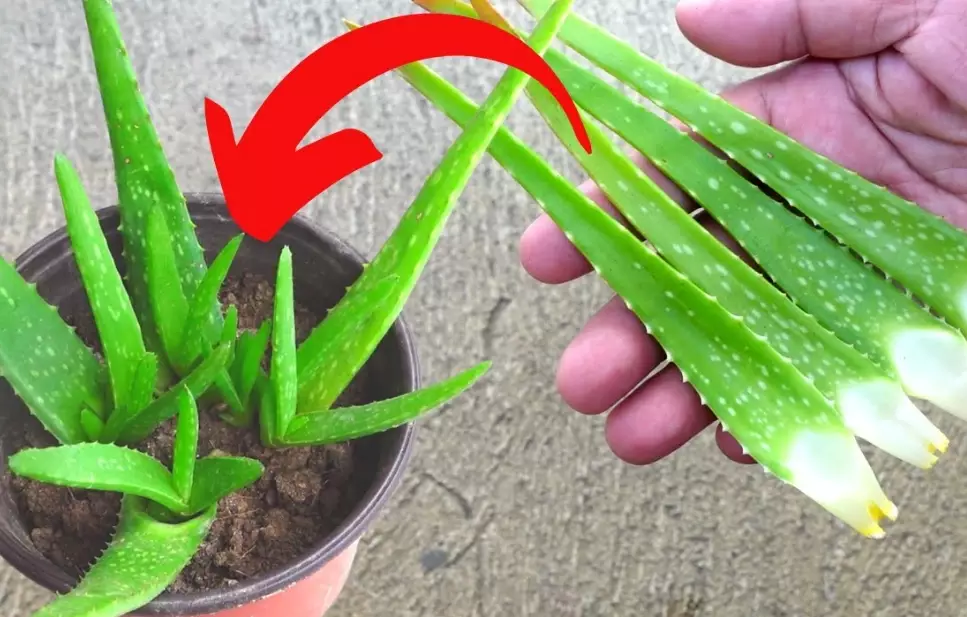
How to Grow Aloe Vera from Seed
This is the long game. Growing from seed takes years to get a sizable plant, but it's fascinating and rewarding. You'll need fresh seeds, which you can harvest from a flowering aloe's dried seed pods or purchase from a reputable seller like the Cactus and Succulent Society of America.
Sowing the Seeds: Fill a shallow tray with a fine, well-draining mix (half potting soil, half perlite works). Sprinkle the tiny seeds on the surface and barely cover them with a dusting of sand or fine grit. Moisten the soil gently with a spray bottle, cover the tray with a clear lid or plastic wrap to retain humidity, and place it in a warm spot (70-80°F) with bright, indirect light.
Germination & Seedling Care: Seeds can take from 2 weeks to several months to sprout. Keep the surface consistently slightly moist, not wet. Once seedlings appear, remove the cover gradually over a week. Their first leaves won't look like typical aloe leaves—they're simple and slender. Grow them in this community pot until they're large enough to handle (about an inch tall), then transplant them carefully into individual small pots.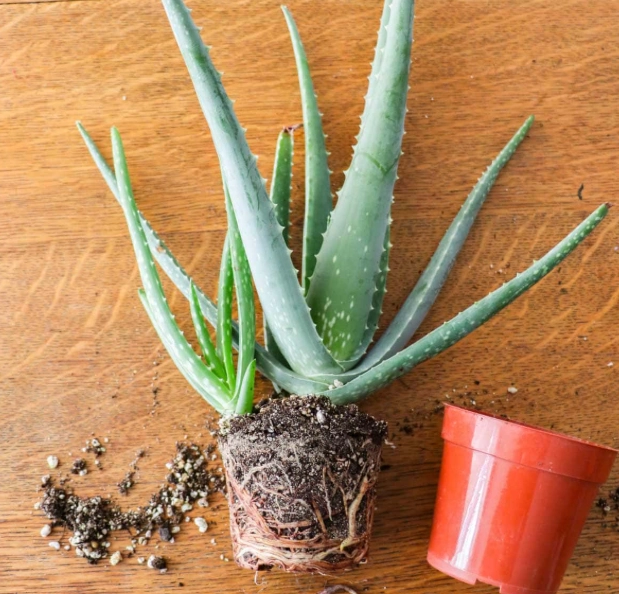
Aloe Vera Propagation Methods Compared
Choosing the right method depends on your goals, patience, and what plant material you have available. This table breaks it down.
| Method | Success Rate | Time to New Plant | Difficulty | Best For... |
|---|---|---|---|---|
| From Pups/Offsets | Very High (90%+) | Fast (Established plant immediately) | Easy | Everyone, especially beginners. The quickest way to get a clone of your favorite plant. |
| From Leaf Cutting | Low to Moderate (20-50%) | Very Slow (Months to root, years to mature) | Hard | Experienced gardeners wanting a challenge, or when no pups are available. |
| From Seed | Moderate (if seeds are fresh) | Extremely Slow (Several years to maturity) | Medium | Patient gardeners, hybridizers, or those wanting to grow a specific rare variety. |
For 99% of people looking to expand their aloe collection, propagating from pups is the only method you need to know. It's efficient, reliable, and emotionally rewarding when you see that little clone start to grow on its own.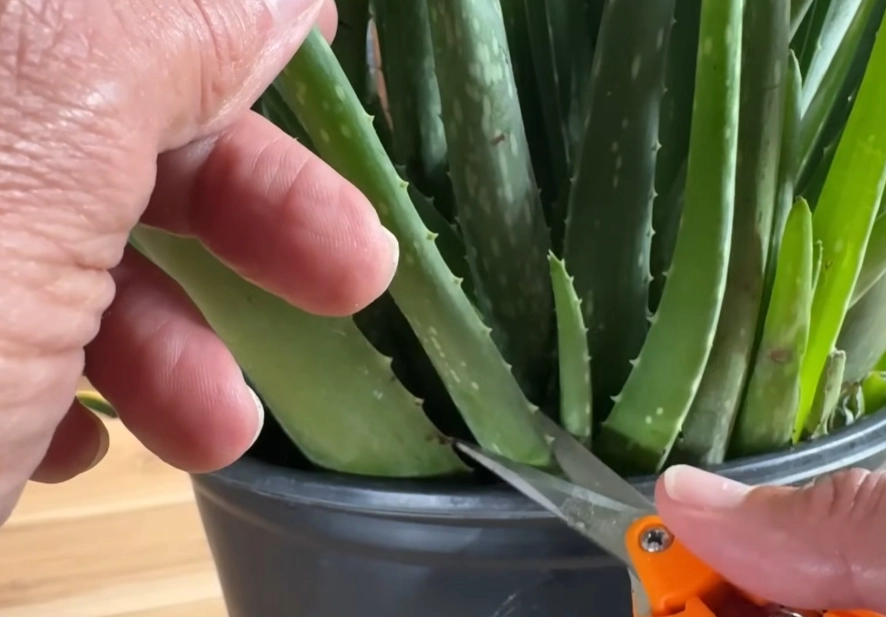
Aftercare: The Make-or-Break Phase
Getting the pup separated or the leaf cut is only half the battle. How you treat your new aloe propagule in the first few weeks determines its fate.
Light: Bright, indirect sunlight is ideal. No direct, scorching afternoon sun for the first month. Think of a shaded patio or a few feet back from a south-facing window.
Watering: This is the killer. Overwatering is the #1 cause of death. Your new plant has a tiny, underdeveloped root system. It cannot handle wet soil. Water deeply only when the soil is completely dry all the way through, and then ensure excess water drains away freely. In the first month, err on the side of underwatering.
Soil and Pot: That well-draining mix is non-negotiable. A terracotta pot is a great choice for beginners because it's porous and helps soil dry out faster, reducing the risk of rot.
Patience: Don't tug on the plant to check for roots. Don't repot it every few weeks. Give it stability and time. Growth might seem stagnant for the first month as the plant focuses energy on building its root system underground. Once you see new, green growth emerging from the center, you'll know it's happily established.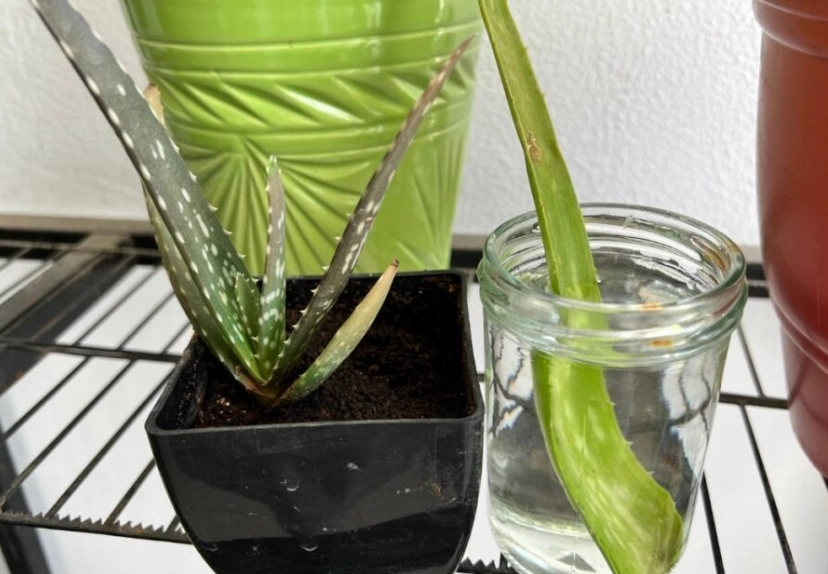
Your Aloe Propagation Questions Answered
Can I propagate aloe vera in water?
You can try, but I don't recommend it for aloe. While some people have success rooting the calloused end of a pup in water, aloe vera is so susceptible to rot that the transition from water roots to soil roots is often fatal. The plant develops weak, water-adapted roots that struggle in soil, leading to collapse. Starting in soil teaches the roots what environment they'll live in from day one, leading to a sturdier plant.
Why did my propagated aloe leaf turn brown and mushy?
Rot. Almost certainly. The callousing period was too short, the soil was too moist, or the leaf itself wasn't healthy to begin with. If it's mushy, it's gone. Next time, extend the callousing time (I let thick leaves dry for 10-14 days), use bone-dry soil to start, and resist any urge to water until you see roots.
How many pups can I remove from a mother plant at once?
Don't be greedy. Removing more than one-third of the plant's mass (including pups and foliage) at a time stresses it. If your plant has six pups, remove the two or three largest, most independent ones. Leave the smaller ones attached to grow stronger. This ensures the mother plant can recover quickly and continue producing.
My aloe pup has no roots after separation. Will it still grow?
Yes, it often will. Many small pups are attached primarily by stem tissue. Follow the same process: let it callous, plant it in dry mix, and wait. Without existing roots, it will take longer to establish. It will use stored energy and moisture from its leaves to push out new roots. This is why not watering initially is critical—there are no roots to absorb it, so water just sits and causes rot.
When is the best time of year to propagate aloe vera?
Late spring through early summer is ideal. This coincides with the plant's natural growth period when daylight is increasing and temperatures are warm. The plant is actively growing and can recover from separation and support new root growth most efficiently. You can propagate indoors year-round if you provide sufficient light and warmth, but avoid doing it in the deep winter when growth naturally slows.

Comments