In This Guide
Let's be real. You probably got a snake plant because someone told you it's impossible to kill. "Just forget about it!" they said. And then, a few months later, you're staring at a plant with mushy brown tips, wondering what you did wrong. I've been there. I've killed my fair share of Sansevieria (that's the fancy botanical name) by following that bad advice. The truth about snake plant care is more interesting than just neglect.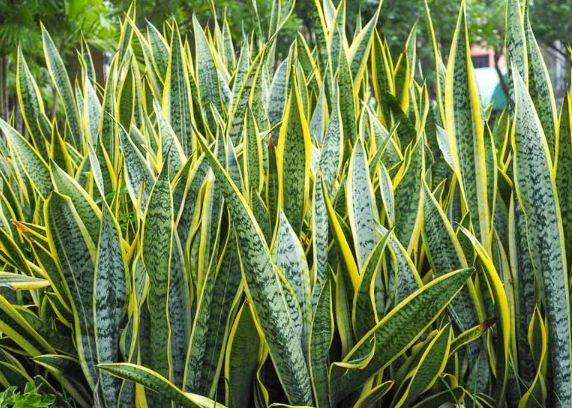
They're survivors, sure. But to actually see them thrive, push out new spears of growth, and even flower (yes, they can!), you need to know a few things. This isn't a complex science project. It's about understanding a few simple rhythms. Think of this guide as a chat with a fellow plant lover who's made the mistakes so you don't have to.
The Core of Snake Plant Care: Light, Water, and Home
Getting the basics right solves 90% of your problems. People mess this up because they treat all "low light" plants the same. Snake plants are in a league of their own.
Light: The Biggest Misconception
Here's the personal take: labeling snake plants as "low light plants" is the worst thing that ever happened to them. It's technically true—they won't die quickly in a dark corner. But they'll just… exist. They'll stop growing. They'll become stagnant.
For a snake plant to truly live, bright, indirect light is the sweet spot. A spot near an east or north-facing window is perfect. They can even handle some direct morning sun. The light directly influences everything else, especially how often you water. A plant in bright light uses water faster than one in a dim hallway.
What happens in low light? Growth is glacial. And the soil stays wet for what feels like forever, which is an open invitation for root rot. So if your snake plant care routine involves a dark bathroom, don't expect miracles.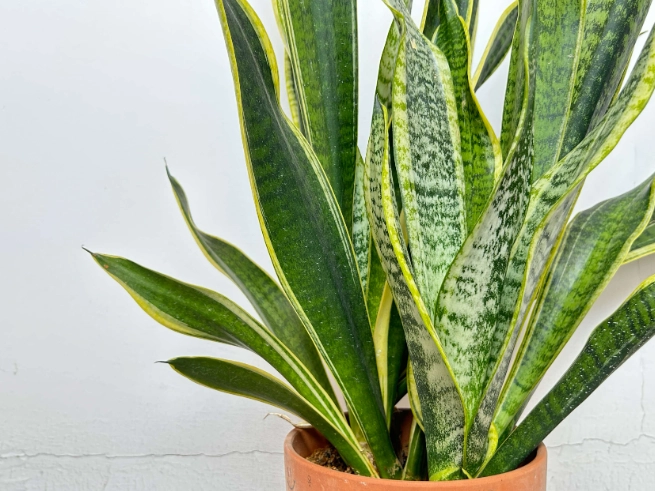
Watering: The Ultimate Test of Patience
This is where most snake plants meet their end. Overwatering. Their roots are shallow and rhizomatous, and they store water in those thick leaves. They are built for drought.
My rule, born from killing a beautiful Laurentii by being too eager: when in doubt, wait it out. Stick your finger into the soil. I mean, really get in there, up to your second knuckle. Is it completely dry? Good. Now wait another week. Seriously.
Here’s a more structured way to think about it, because seasons change everything:
| Season / Condition | Watering Frequency (Approx.) | Key Signs to Water |
|---|---|---|
| Spring & Summer (Active Growth) | Every 2-4 weeks | Soil is 100% dry, pot feels very light. |
| Fall & Winter (Dormant) | Every 6-8 weeks or less | Soil bone dry for weeks, leaves may feel slightly less rigid. |
| Bright, Warm Spot | Closer to 2-3 weeks | Top few inches of soil are dry. |
| Low Light, Cool Spot | Monthly or longer | Pot is extremely light. Err on the side of dryness. |
Bottom watering is a fantastic technique for snake plant care. You place the pot in a tray of water and let the soil soak it up from the bottom for about 30 minutes. This encourages roots to grow downward and ensures even saturation without the top staying soggy.
Soil and Pot: Setting the Foundation
You can't talk about watering without talking about what the water goes into. Regular potting soil holds too much moisture. You need a mix that drains like a dream.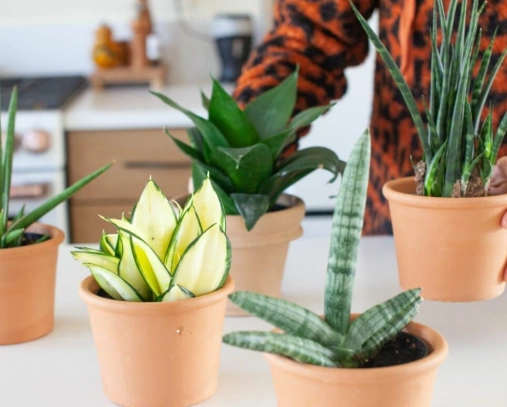
A simple, effective snake plant soil recipe is:
- 50% regular potting mix
- 25% perlite or pumice (for aeration)
- 25% coarse sand or orchid bark (for drainage)
This creates a chunky, fast-draining environment their roots love.
The pot matters too. Always, always use a pot with drainage holes. Terracotta pots are my personal favorite for snake plant care because they're porous and pull excess moisture from the soil, reducing rot risk. A snug pot is better than a huge one—too much soil stays wet too long.
Temperature and Humidity: They're Not Fussy
Normal household conditions are perfect. Aim for temperatures between 60-85°F (15-29°C). They dislike the cold, so keep them away from drafty windows in winter. As for humidity, average home humidity (around 30-50%) is absolutely fine. You don't need to mist them. In fact, misting can sometimes encourage fungal issues on the leaves.
Leveling Up Your Snake Plant Care Game
Once you've mastered the not-killing-it phase, a few extra steps can make your plant spectacular.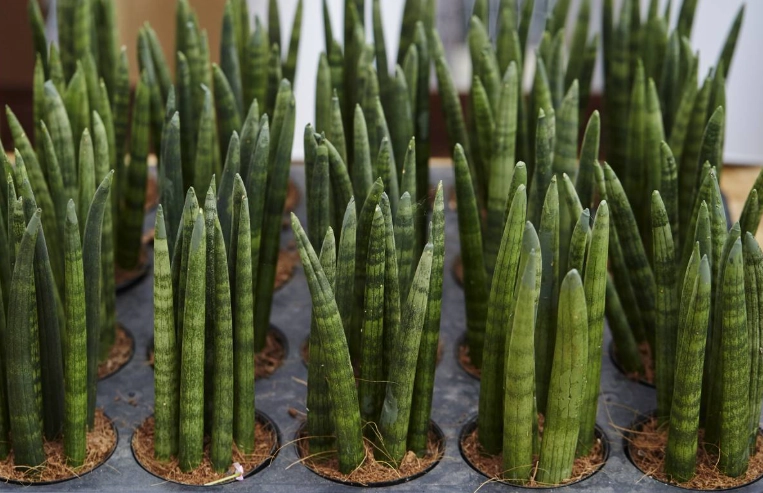
To Feed or Not to Feed?
Snake plants aren't heavy feeders. But a little nutrition during the growing season (spring and summer) encourages stronger growth and can even promote flowering. Use a balanced, general-purpose houseplant fertilizer (like a 10-10-10 or 20-20-20), but dilute it to half the strength recommended on the bottle. Fertilize once a month, at most. Stop completely in fall and winter. Over-fertilizing causes salt buildup in the soil and can burn the leaf tips.
Repotting: A Rare Occasion
These plants like to be slightly root-bound. You might only need to repot every 3-5 years. Signs it's time:
- Roots are escaping the drainage holes or cracking the pot.
- The plant has literally stopped growing for over a year, despite good care.
- The soil has completely broken down or the plant is top-heavy and unstable.
When you do repot, only go up one pot size (e.g., from a 6" to an 8" pot). Spring is the best time. Be gentle with the roots.
Propagation: Making More Plant Friends
This is the fun part. There are two main ways:
- Division: The easiest and fastest method. When you repot, you can gently pull apart or cut through the rhizomes (the thick underground stems) to separate the plant into two or more clumps, each with its own roots and leaves. Pot them up separately.
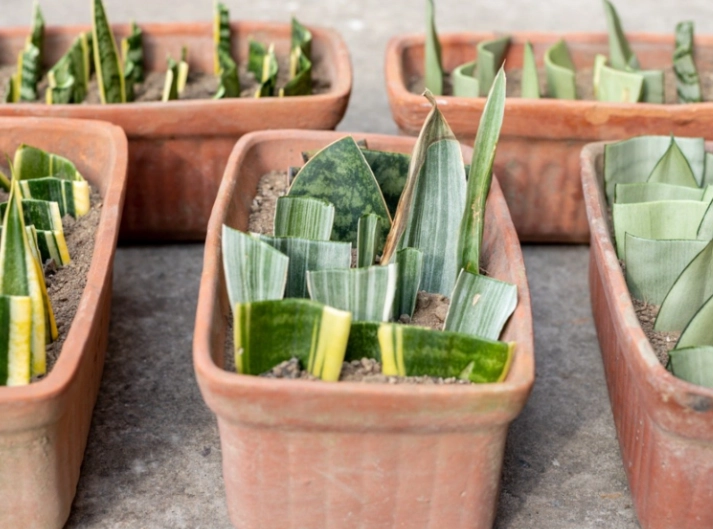
- Leaf Cuttings in Water or Soil: Cut a healthy leaf into 3-4 inch segments. Let the cut ends callous over for a day or two. Then, stick them about an inch deep into moist potting mix or place them in water. Roots will form in a few weeks. Note: If you propagate a variegated variety (like the yellow-edged Laurentii) from a leaf cutting, the new plant will often lose its variegation and revert to all green. Division preserves the variegation.
Troubleshooting: Reading Your Plant's Signals
Your plant talks to you through its leaves. Here’s how to translate common snake plant care problems.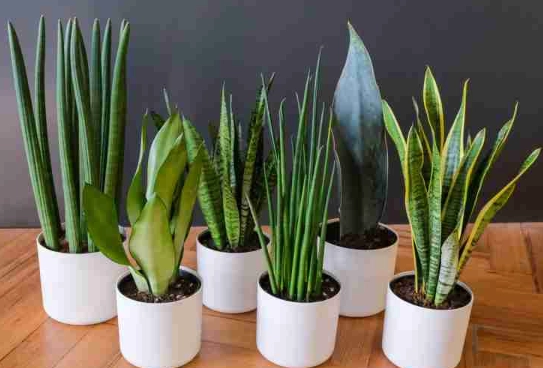
Yellow or Soft, Mushy Leaves
This is almost always overwatering and the onset of root rot. The leaves feel soft and may collapse. Action: Stop watering immediately. Remove the plant from its pot and inspect the roots. Healthy roots are firm and orange-ish. Rotten roots are brown, black, mushy, and smelly. Cut away all rotten parts with a sterile knife. Let the plant dry out for a day, then repot in fresh, dry, well-draining soil. Don't water for at least a week after repotting.
Brown, Crispy Tips or Edges
This can be a few things:
- Underwatering (less common): The entire leaf might also be wrinkled.
- Low Humidity/Over-fertilizing: Salt buildup from tap water or fertilizer.
- Physical Damage: Being brushed against or damaged.
Action: You can trim the brown tips off with clean scissors, following the natural V-shape of the leaf tip. To prevent it, use filtered or distilled water for watering, and flush the soil every few months by letting water run through the pot to leach out salts.
Leaves Falling Over or Drooping
If they're mushy, it's overwatering. If they're wrinkled and dry, it could be severe underwatering. Sometimes, tall varieties just get top-heavy. Action: Check the soil moisture first. For top-heavy plants, you can stake them loosely or repot into a heavier, wider-based pot.
No New Growth
It's either dormant (winter), needs more light, or is severely root-bound. Action: Assess light levels first. If it's in a dark spot, move it to a brighter one. If it's been in the same pot for years and is root-bound, consider repotting in the spring.
Pests and Diseases
Snake plants are tough, but not immune. Mealybugs (look like tiny cotton balls) and spider mites (fine webbing) can appear. Action: Wipe leaves with a cloth dipped in soapy water (a bit of mild dish soap) or use insecticidal soap. For fungal issues like leaf spot (brown spots with yellow halos), remove affected leaves and improve air circulation. Always isolate a sick plant.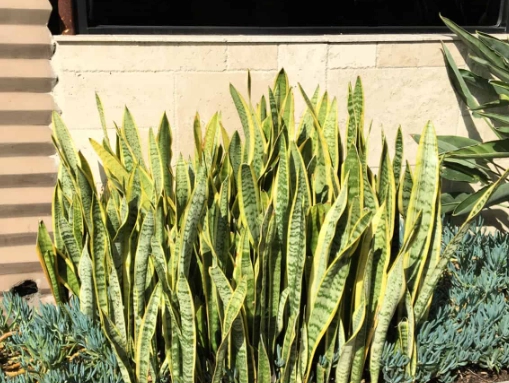
Your Snake Plant Care Questions, Answered
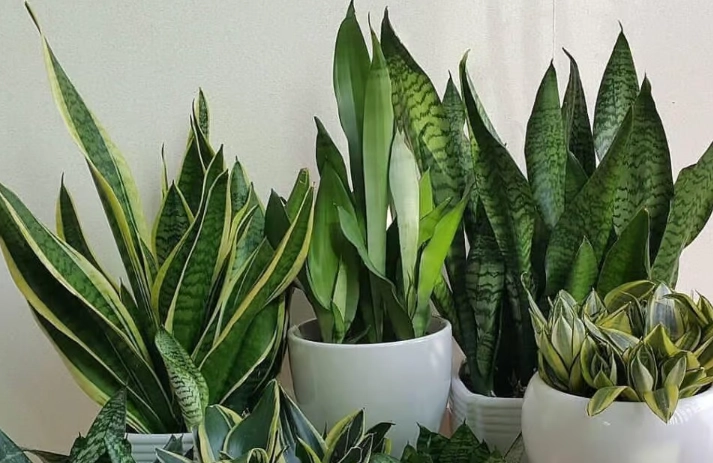
Look, at the end of the day, snake plant care boils down to a simple mindset shift. Stop thinking of it as a plastic decoration you occasionally remember. Think of it as a hardy, resilient companion that thrives on a specific kind of benign neglect—neglect that's informed by checking in, feeling the soil, and observing the light.
Forget the watering schedule. Learn what a dry pot feels like. Give it a bit more light than you think it needs. And when you see that first new, tightly rolled spear of green pushing up from the soil, you'll know you've cracked the code. It's not about doing a lot. It's about doing the right few things at the right time. That's the real secret to keeping these architectural beauties healthy for the long haul.
Now go check your plant's soil. Is it dry?

Comments