In This Guide
Let's be real. You've seen those gorgeous pictures of living rooms flooded with light and anchored by a stunning, leafy indoor large plant. A Fiddle Leaf Fig standing proudly in the corner, a Monstera spreading its dramatic leaves near the sofa. You want that. The vibe, the life, the instant upgrade from "apartment" to "urban jungle oasis." But then the doubts creep in.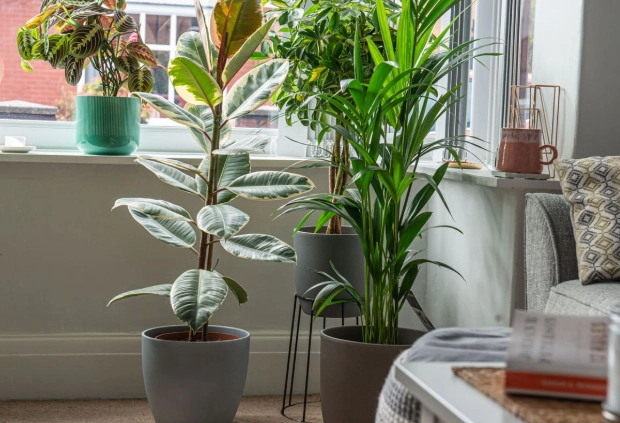
What if I kill it? My place doesn't get that much light. How do I even choose? And what's the deal with watering?
I've been there. I've brought home a beautiful large indoor plant only to watch it drop leaves in protest a month later. It's frustrating. But over the years—through trial, error, and a few plant funerals—I've learned it doesn't have to be so hard. The secret isn't having a green thumb; it's matching the right plant to your actual life and your actual space.
This guide is everything I wish I knew when I started. We're skipping the fluff and getting straight to what works. We'll figure out which indoor large plants are actually tough, where to put them so they (and you) are happy, and how to care for them without turning it into a second job.
First Things First: Picking Your Perfect Green Roommate
This is the most important step, and most people get it backwards. Don't fall in love with a plant's picture online and then try to force it to live in your dark bathroom. Start with your space.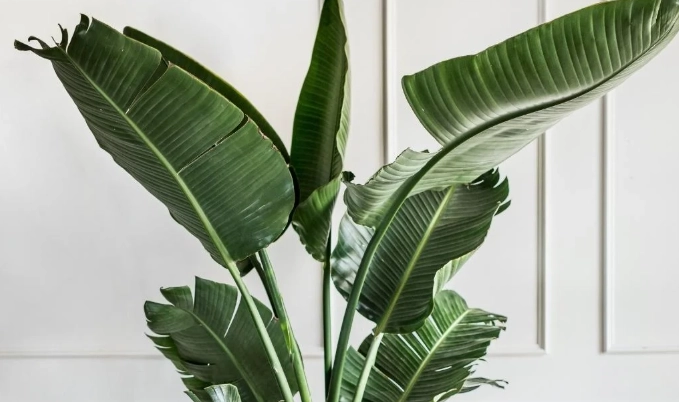
The Light Litmus Test (No Tech Needed)
Forget the technical terms for a second. Here’s a simple way to figure out your light:
- Low Light: A spot where you could comfortably read a book during the day without turning on a lamp, but there are no clear, sharp shadows from the window. Think north-facing windows or several feet back from an east/west window.
- Bright, Indirect Light: This is the goldilocks zone for most large houseplants. The area is brightly lit all day, but the sun's rays never directly hit the leaves. Usually right next to an east or west window, or a few feet back from a south window (in the Northern Hemisphere). A sheer curtain is often the key.
- Direct Sun: A spot where the sun beams directly onto the floor or furniture for several hours a day. South or southwest-facing windows are champions here.
Your Top Contenders: A Plant Matchmaking Table
Now, let's match that light to some proven, gorgeous, and (mostly) forgiving indoor large plants. This table is your cheat sheet.
| Plant Name | Best For Light | Personality & Care Vibe | Watch Out For | Why It's a Winner |
|---|---|---|---|---|
| Snake Plant (Sansevieria) | Low to Bright Indirect | The ultimate neglect-tolerant rockstar. Water only when soil is completely dry. Thrives on forgetfulness. | Overwatering is its only real enemy. Cold drafts. | Architectural look, super air purifier (as noted in a NASA Clean Air Study), nearly indestructible. |
| ZZ Plant (Zamioculcas) | Low to Bright Indirect | Snake plant's equally tough cousin. Glossy, dark green leaves. Stores water in potato-like rhizomes. | Again, overwatering. Slow grower in low light. | Impossibly sleek and modern. Can survive weeks without water. Perfect for dark corners. |
| Monstera Deliciosa | Bright Indirect | The iconic "Swiss Cheese Plant." Fast grower, dramatic split leaves. Likes humidity. | Leans dramatically toward the light. Needs a moss pole for support as it matures. | Instant tropical statement. Watching new leaves unfurl is incredibly satisfying. |
| Fiddle Leaf Fig (Ficus lyrata) | Very Bright Indirect | The diva. Demands consistent light, hates being moved. Gorgeous large, violin-shaped leaves. | Dropping leaves if unhappy (draft, move, inconsistent water). Not for beginners in low light. | Unbeatable for that designer, architectural look. A true centerpiece. |
| Rubber Plant (Ficus elastica) | Bright Indirect to Some Direct | More forgiving than its cousin, the Fiddle. Bold, waxy leaves in green or burgundy. | Sap can be messy when pruning. Wipe leaves to keep them shiny. | Sturdy, fast-growing, and less fussy. Great for filling a vertical space quickly. |
| Bird of Paradise (Strelitzia) | Bright Indirect to Full Sun | Big, banana-like leaves that split naturally. Loves warmth and sun. Can grow very tall indoors. | Needs space. Leaves can tear in wind or if brushed against often. | Pure, unfiltered tropical vacation vibes. Makes you feel like you're in a resort. |
| Dragon Tree (Dracaena marginata) | Bright Indirect | Spiky, red-edged leaves on a cane-like trunk. Very adaptable and drought-tolerant. | Sensitive to fluoride in water (can cause leaf tip burn). Use filtered or distilled if possible. | Sculptural and palm-like without the palm's fussiness. Excellent air purifier. |
See? It's about pairing.
Got a dark corner? ZZ or Snake Plant. A bright sunny spot? Maybe a Bird of Paradise. That perfect spot by the east window? That's Monstera territory.
Where to Put That Beautiful Beast: Placement Secrets
You've chosen your plant. Now, where does it go to look amazing and live its best life? It's not just about aesthetics.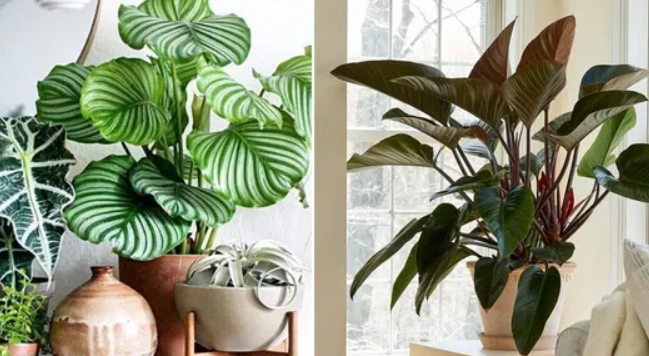
The Rule of Corners (And How to Break It)
Corners are classic for a reason—they anchor a room and use often-wasted space. But don't just shove it in the dark corner and hope for the best. If it's a low-light plant, perfect. If it needs more light, place it in a corner that receives light, or use a tall plant stand to bring it closer to a window.
Try breaking the rule. A large floor plant like a Fiddle Leaf Fig or a tall Kentia Palm can live beside the sofa, creating a living room divider. A sprawling Monstera on a low stand can fill an empty wall space beautifully.
Scale and Proportion Matter
A tiny plant on a huge empty floor looks lonely. A massive plant in a tiny hallway feels claustrophobic. Think about the volume of the space. A 6-foot-tall plant needs a room with high ceilings. A plant with a wide, bushy spread needs floor space around it to breathe visually.
My trick? Use the pot as part of the equation. A large, heavy plant in a small, lightweight plastic nursery pot can look top-heavy and unstable. Repotting it into a larger, substantial ceramic or terracotta pot (with drainage holes!) gives it visual weight and balance.
The Simple Care System That Actually Works
Care sounds complicated, but it boils down to three things: water, food, and occasional check-ups. Forget strict schedules. Your plant doesn't know it's "Water Wednesday."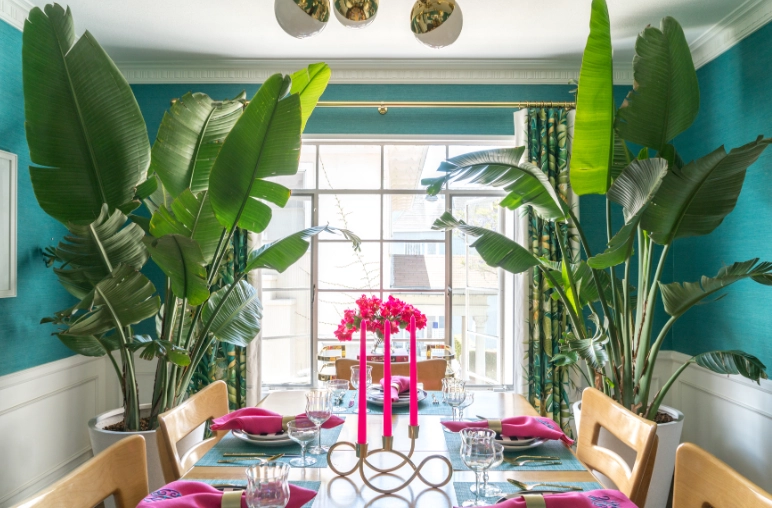
Watering: The #1 Thing People Get Wrong
Overwatering is responsible for more houseplant deaths than anything else. large indoor plants in big pots are especially vulnerable because the soil at the bottom can stay wet long after the top feels dry.
- The Finger Test is King: Stick your index finger into the soil up to your second knuckle (about 2 inches). If it feels dry, it's time to water. If it feels damp or cool, wait. For larger, deeper pots, a moisture meter (a $10 tool) is a game-changer to check moisture at root level.
- Water Thoroughly: When you do water, do it properly. Pour water evenly over the soil until you see it start to run out of the drainage holes at the bottom. This ensures the entire root ball gets hydrated. Let it drain completely—never let the pot sit in a saucer full of water.
- Seasonal Shifts: Plants drink more during active growth (spring/summer) and much less when dormant (fall/winter). You might water every 2 weeks in summer and every 4-6 weeks in winter for a drought-tolerant plant like a Snake Plant.
Feeding: Less is More
Think of fertilizer as vitamins, not food. The plant's food is sunlight. In a pot, nutrients get depleted, so we supplement.
- Use a Balanced Fertilizer: A general-purpose, water-soluble houseplant fertilizer (like a 10-10-10 or 20-20-20) is fine for most.
- Follow the "Weakly, Weekly" Rule in Growing Season: Dilute the fertilizer to half the strength recommended on the label and use it every time you water during spring and summer. This provides a steady, gentle supply of nutrients.
- Stop in Fall and Winter: Don't fertilize during the darker months. The plant isn't growing much and won't use the nutrients, which can lead to salt buildup in the soil.
The Spa Treatment: Dusting and Pruning
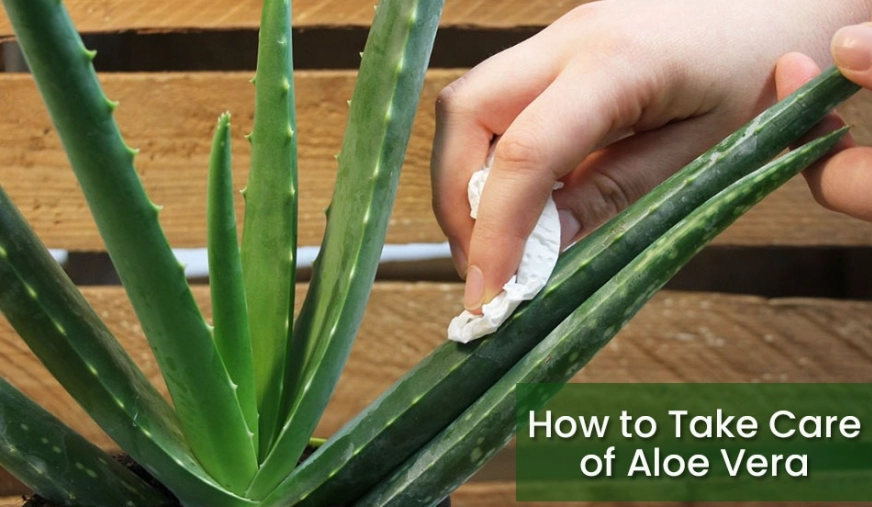
Dusty leaves can't photosynthesize efficiently. Every month or so, wipe large leaves with a damp, soft cloth. For plants with many small leaves (like some palms), a gentle shower in the bathtub works wonders.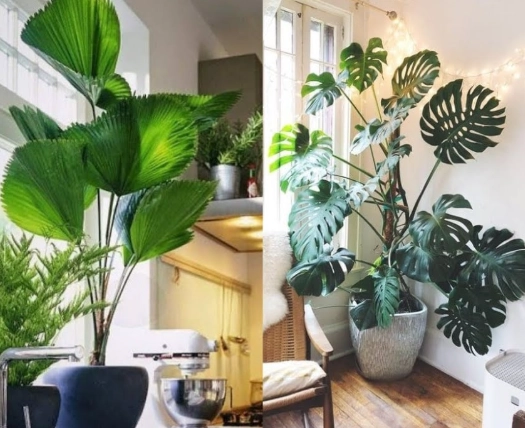
Pruning isn't just for looks. It encourages bushier growth. See a leggy stem? Cut it back to a leaf node. Remove any yellow or brown leaves with clean shears—they won't recover. Don't be scared to prune; most plants bounce back stronger.
Common Problems (And Simple Fixes)
Don't panic when something goes wrong. Plants communicate through their leaves. Here’s the translation guide.
- Yellow Leaves: Usually a sign of overwatering. Check the soil. Could also be a natural process of older leaves dying off. If it's many leaves, reassess your watering.
- Brown, Crispy Leaf Tips: Low humidity or underwatering. Also common with fluoride-sensitive plants like Dracaenas. Try misting (though it's a temporary fix), grouping plants, or using a humidifier.
- Dropping Leaves: A dramatic response to change. Did you just move it? Is there a draft? Has the light changed seasonally? Fiddle Leaf Figs are famous for this. Find a good spot and leave it alone to adjust.
- Pests (Spider Mites, Mealybugs): Isolate the plant immediately. Wipe leaves with insecticidal soap or a mix of water and a few drops of mild dish soap. For persistent issues, horticultural oil or neem oil are effective organic options. Regular leaf wiping helps prevent them.
For reliable, science-backed information on diagnosing and treating specific plant pests and diseases, the University of California Integrated Pest Management Program is an incredible free resource.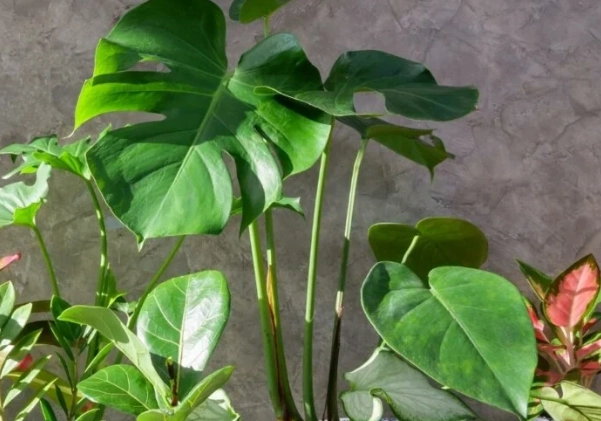
Your Big Plant Questions, Answered
How often should I really water my large indoor plant?
There is no single answer. It depends on the plant, pot size, light, temperature, and humidity. This is why the finger test or moisture meter is non-negotiable. A Monstera in a bright room in summer might need water weekly. A ZZ Plant in a low-light corner in winter might go 6-8 weeks. Always check the soil, not the calendar.
Do I need to repot it as soon as I bring it home?
No! In fact, please don't. The plant is already stressed from moving. Let it acclimate to your home for at least 4-6 weeks. Only repot if the roots are visibly growing out of the drainage holes or the soil dries out impossibly fast. When you do repot, only go up 1-2 inches in pot diameter at a time.
What are the best pet-friendly large indoor plants?
Great question for pet owners. Some excellent non-toxic choices include the Parlor Palm, Spider Plant (though it's not typically "large"), certain Peperomias, the Areca Palm, and the Cast Iron Plant (Aspidistra). Always double-check with a reliable source like the ASPCA's Animal Poison Control website before bringing any plant into a home with curious pets.
My plant is too tall for my ceiling! What do I do?
You have options. You can prune the top to control height (it will encourage bushiness lower down). For plants like Monsteras or Philodendrons, you can guide them onto a taller moss pole. Sometimes, the best solution is to propagate the top portion (cut it off, root it in water) and give the "baby" away or start a new plant, while the original will often sprout new growth from below the cut.
Are expensive plants from that trendy shop better than the ones at the big-box store?
Not necessarily. You're often paying for rarity, size, and presentation. A big-box store can have perfectly healthy, common indoor large plants at a fraction of the cost. Inspect any plant carefully before buying, regardless of price. Look for perky leaves, check the undersides for pests, and avoid plants with soggy soil or a musty smell.
Wrapping It Up: Start Simple, Enjoy the Process
The world of indoor large plants can seem overwhelming, but it shouldn't be. The goal is to add life and joy to your home, not stress.
My final, strongest piece of advice? Start with one of the truly easy ones. Get a Snake Plant or a ZZ Plant. Learn its rhythms in your home. Keep it alive for six months. Enjoy the simple fact that you're nurturing something living. That success builds confidence.
Then, maybe you'll feel ready for the Monstera with its dramatic leaves. Or the Rubber Plant that grows so fast you can almost see it. It becomes a hobby, not a chore.
Remember, every expert plant person has killed their share of plants. It's part of the learning curve. Don't get discouraged. Pick a plant that suits your space, water it when it's dry, and give it some light. You've got this. Your urban jungle oasis awaits.
And hey, if you want to dive deeper into the botanical details of a specific plant, resources like the Missouri Botanical Garden's Plant Finder are a treasure trove of reliable, detailed information.
Comments