Let's get straight to it. Bromeliads are fantastic. They're tough, they look like they're from another planet, and they bring a splash of the tropics to any room. But when you hear "types of bromeliads," your mind might go blank. Is it just those colorful ones at the grocery store? What about air plants? They're all related, and the family is huge—over 3,000 species. The good news is you don't need to know them all. You just need to know which ones will thrive in your space and how not to kill them. I've killed a few myself figuring that out, so let's save you the trouble.
In This Guide
Meet the Bromeliad Family: More Than Just a Pretty Face
Bromeliads are a family of plants, Bromeliaceae, native mostly to the Americas. They've adapted to live just about anywhere—rainforest canopies, arid deserts, rocky cliffs. This is why their care needs can seem all over the place. The key is understanding their two main lifestyles: epiphytic and terrestrial.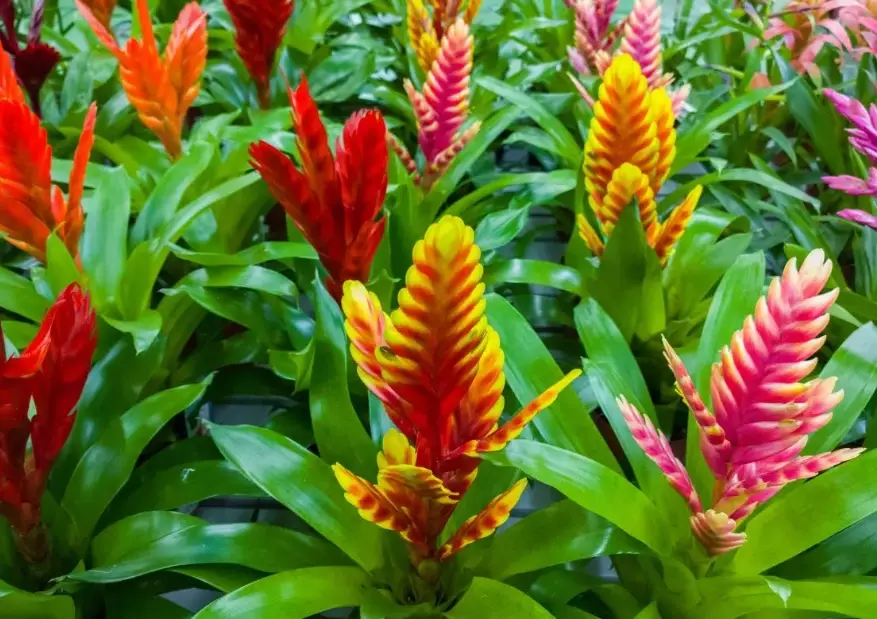
Epiphytic bromeliads, like most Tillandsias (air plants), don't grow in soil. They latch onto trees or rocks. They get water and food from the air and rain through tiny scales on their leaves called trichomes. Terrestrial bromeliads, like many Aechmeas or Neoregelias, grow in the ground like most plants, but they still have that classic water-holding cup (called a tank or vase) formed by their leaves.
Top Bromeliad Types You Can Actually Find and Grow
Forget the botanical textbook list. Here are the bromeliad varieties you'll encounter at nurseries, online shops, and even big-box stores, broken down by what makes them special.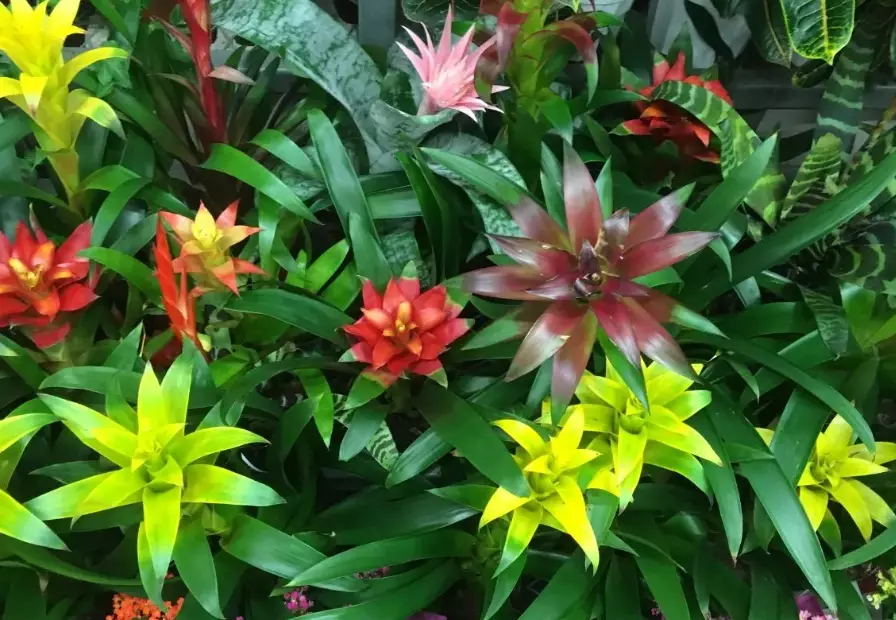
The Show-Stopping Flowering Types (The Guzmania & Vriesea Crowd)
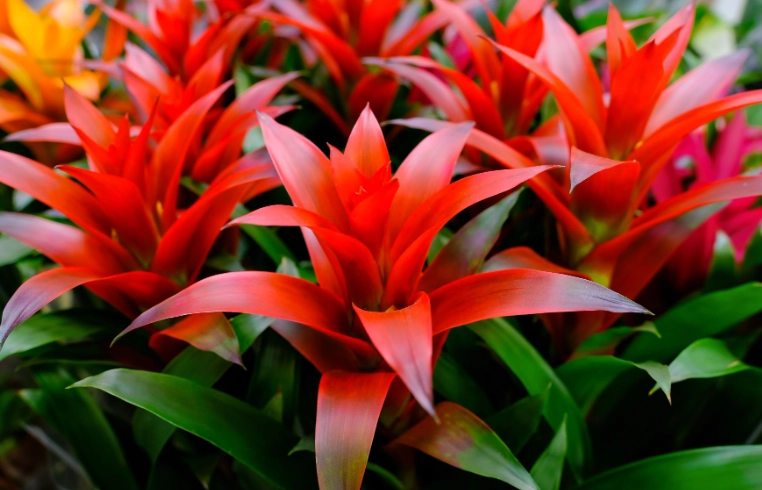
These are the classic "gift" bromeliads. They have a central, often brightly colored flower spike (actually modified leaves called bracts) that lasts for months. The plant itself is a neat rosette.
- Guzmania: Think of the solid red, orange, or yellow plants. They're ubiquitous for a reason—tolerant of lower light and very consistent. The downside? They're often monocarpic, meaning the mother plant flowers once, then slowly dies after producing pups (baby plants). It's a cycle, not a failure.
- Vriesea: Similar to Guzmania but often with flatter, sword-like flower spikes. The 'Flaming Sword' is a classic. They can be a bit more demanding with humidity.
- Aechmea: The Aechmea fasciata, or 'Silver Vase,' is a rockstar. It has silvery banded leaves and a pink, prickly flower spike. It's incredibly tough and forgiving, often living and pupping for years after blooming.
The Foliage Champions (Color Without the Flower)
These types are grown for their stunning, often wildly patterned leaves. The flower is secondary.
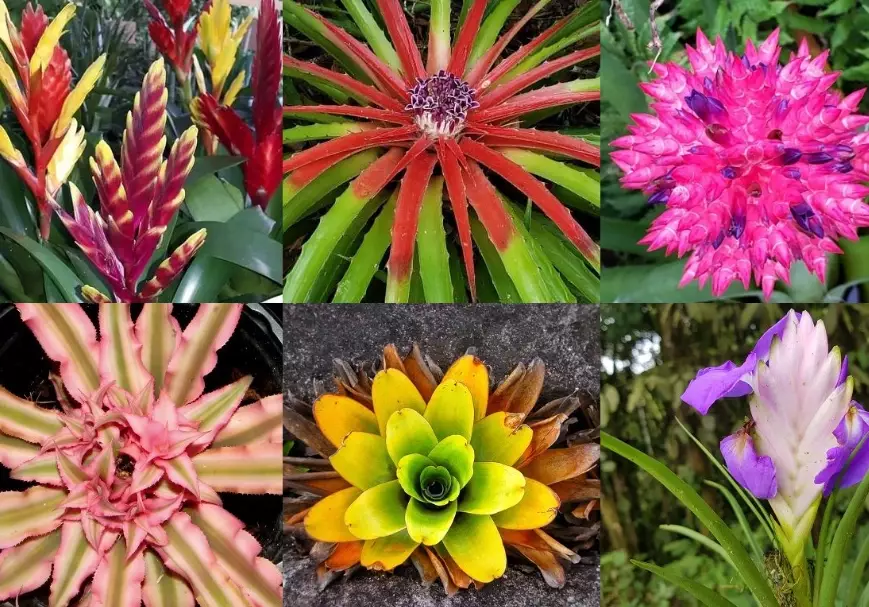
- Neoregelia: My personal favorite group. The center of the rosette (the tank) often blushes a brilliant red, pink, or purple when it's ready to flower. The leaves can be striped, spotted, or banded. They're prolific pup-producers, creating a dense clump. Perfect for a bright, colorful desk plant.
- Cryptanthus: Called "Earth Stars," these are terrestrial and stay low to the ground. Their foliage patterns are insane—stripes, bands, ripples in shades of pink, red, green, and brown. They need more consistent soil moisture than epiphytic types.
The Air Plant Tribe (Tillandsia)
This is the hot trend, and for good reason. They defy normal plant rules. Most need no soil. You can stick them on driftwood, in shells, or just set them on a shelf.
But here's the non-consensus bit: Not all air plants are the same. Their look tells you how to water them.
| Type (By Look) | Examples | Key Care Clue | Light Needs |
|---|---|---|---|
| Silver/Fuzzy | Tillandsia tectorum, T. xerographica | Come from dry areas. Mist lightly or dunk briefly (shake well!). Soaking can rot them. | Bright, indirect to direct sun. |
| Green/Smooth | Tillandsia ionantha, T. brachycaulos | Come from humid forests. Enjoy a good 20-30 minute soak weekly. | Bright, indirect light. |
| Bulbous Types | Tillandsia bulbosa, T. caput-medusae | Hold water in their bulbous base. Soak upside-down to avoid trapping water inside, which leads to rot. | Medium to bright indirect light. |
How to Choose the Right Bromeliad for Your Home
Don't just pick the prettiest one. Match it to your conditions, or you'll both be unhappy.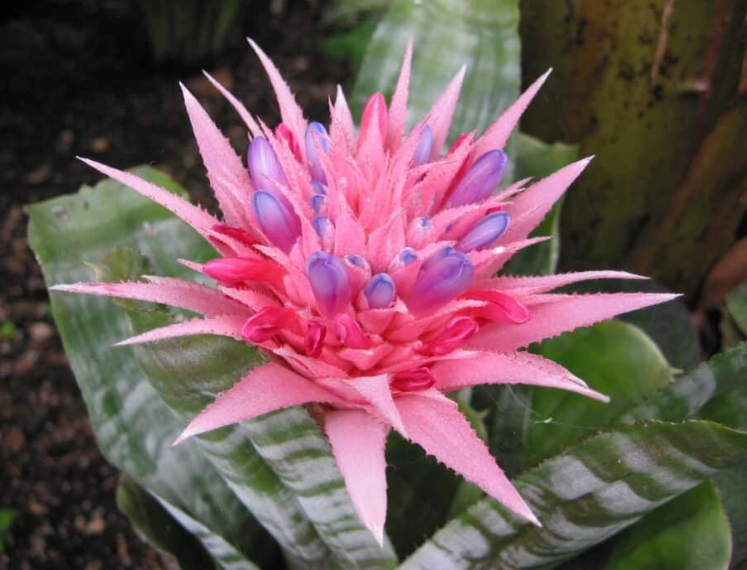
For a low-light room (North window or office corner): Your best bets are Guzmania or a darker green Neoregelia. They won't show their best colors, but they'll survive. Avoid air plants and Cryptanthus here; they'll stretch and fade.
For a bright, sunny spot (East/West window): This is bromeliad heaven. Aechmeas, colorful Neoregelias, Vrieseas, and most air plants will thrive here.
For a forgetful waterer: Go for a silver air plant (like xerographica) or an Aechmea. They can handle some drought. The worst choice? A green air plant or a Cryptanthus.
For a small space or terrarium:
Cryptanthus earth stars, small Ionantha cluster air plants, or a young Neoregelia are perfect. Avoid large Guzmania or Aechmea that will outgrow the space quickly.
The Care Breakdown: What Most Guides Get Wrong
The basics are simple: bright light, water in the cup (for tank types), and good air flow. But the devil's in the details.
Watering: The Biggest Killer
Rule one: Use rainwater, distilled water, or filtered water. Tap water, especially if it's hard, leaves mineral deposits on the leaves (blocking trichomes) and can cause the leaf tips to brown. I learned this after my first Aechmea got ugly tip burn.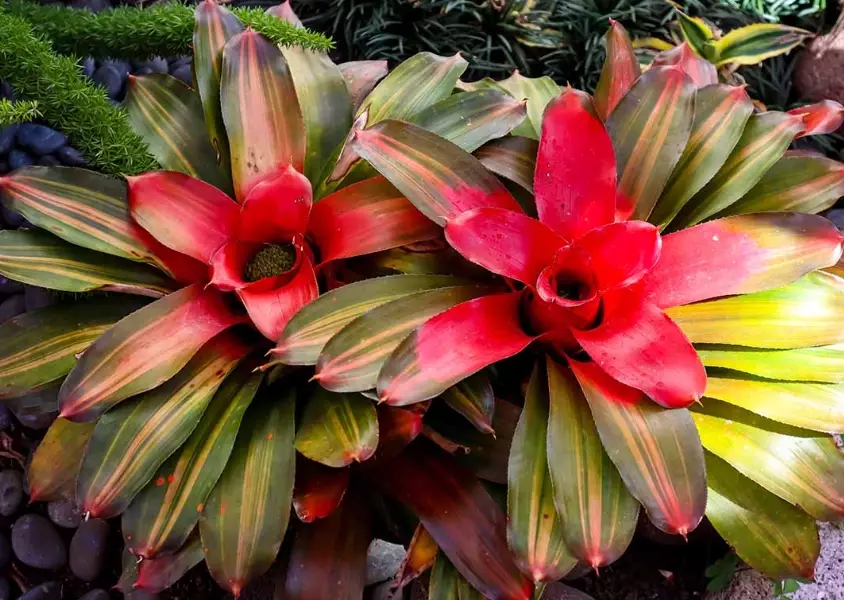
For tank types (Aechmea, Neoregelia, Guzmania): Keep the central cup about 1/4 to 1/2 full of water. Flush it out completely with fresh water every month to prevent stagnation and mosquito larvae. Yes, you read that right—mosquitoes can breed in there. Ask me how I know.
For air plants: Soak or mist based on their type (see table above). The non-negotiable step after soaking: shake them upside down vigorously. Get all the water out of the leaf bases. Let them dry completely in good airflow within 4 hours. Putting them away damp is a death sentence.
Light: It's Not Just About Survival
Light intensity directly influences color. A Neoregelia in medium light will stay green. Move it to bright, indirect light, and the center will turn fiery red. An air plant like T. ionantha will blush red and flower with enough light. If your plant is just green and growing slowly, it likely wants more light.
The Post-Bloom Phase: Don't Toss It!
When the spectacular flower fades, the mother plant's job is done. It will slowly decline over the next year or two. This is normal. Its energy goes into producing pups (offsets) around its base. Keep caring for the mother plant. When the pups are about 1/3 to 1/2 the size of the mom, you can carefully separate them with a sterile knife (let the wound callous for a day) and pot them up. Or, leave them attached to form a beautiful, dense clump.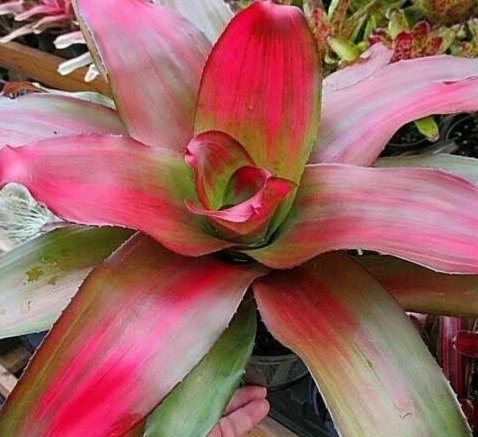
Your Bromeliad Questions, Answered
The world of bromeliad types is vast, but you don't need a degree in botany to enjoy it. Start with one that matches your light and your watering habits. Pay attention to whether it's a tank type or an air plant. Use good water. Give it light. When it pups, you'll feel like a plant pro. It's that simple, and that rewarding.


Comments