You water it just right, give it plenty of light, maybe even talk to it. But your indoor plant still looks sad. Leaves yellowing, growth stunted, or worse—it just gives up. I've been there. After over a decade of filling my home with greenery and helping others do the same, I can tell you the problem is almost never the plant. It's almost always what you can't see: the soil.
Think of soil for indoor plants not as dirt, but as a life support system. It's an apartment building for roots, a pantry, a plumbing network, and a waste management facility all in one. Get it wrong, and nothing else you do matters.
What's Inside This Guide
Why Your Plant's "Dirt" is Everything
Garden soil is a no-go indoors. It compacts in pots, suffocating roots and holding way too much water, which is a direct ticket to root rot city. A proper indoor plant potting mix is engineered. It's designed to be lightweight, retain just enough moisture but drain the excess quickly, and provide structure and nutrients.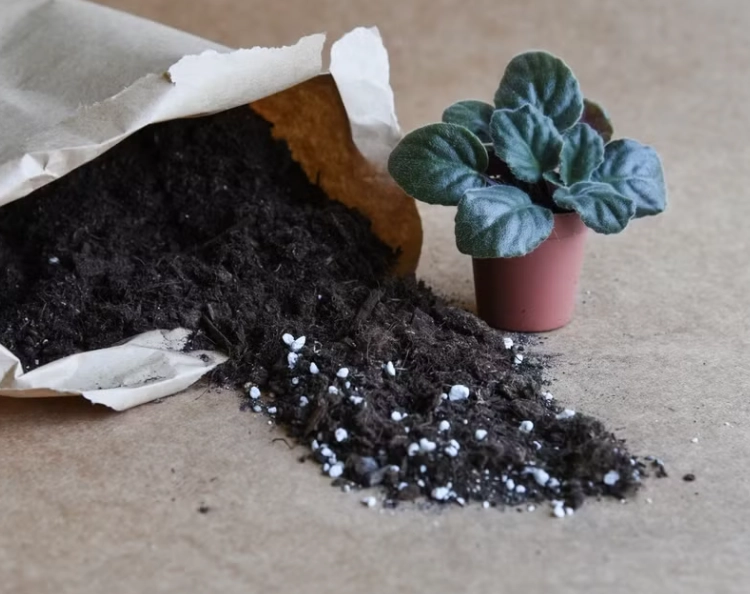
The primary jobs of a good mix are:
- Aeration: Creating air pockets so roots can breathe.
- Drainage: Letting excess water flow out to prevent soggy conditions.
- Moisture Retention: Holding onto some water for the plant to use.
- Anchorage: Providing physical support for the plant.
- Nutrient Base: Offering a foundation for fertilizers to work.
Ignore any one of these, and you're fighting an uphill battle.
Potting Mix Ingredients, Decoded
Walk into a garden center, and you'll see bags labeled "Potting Mix," "Potting Soil," "Cactus Mix," "Orchid Bark." It's confusing. Let's break down what's actually inside them. A good potting mix for indoor plants is a blend of several components, each with a specific role.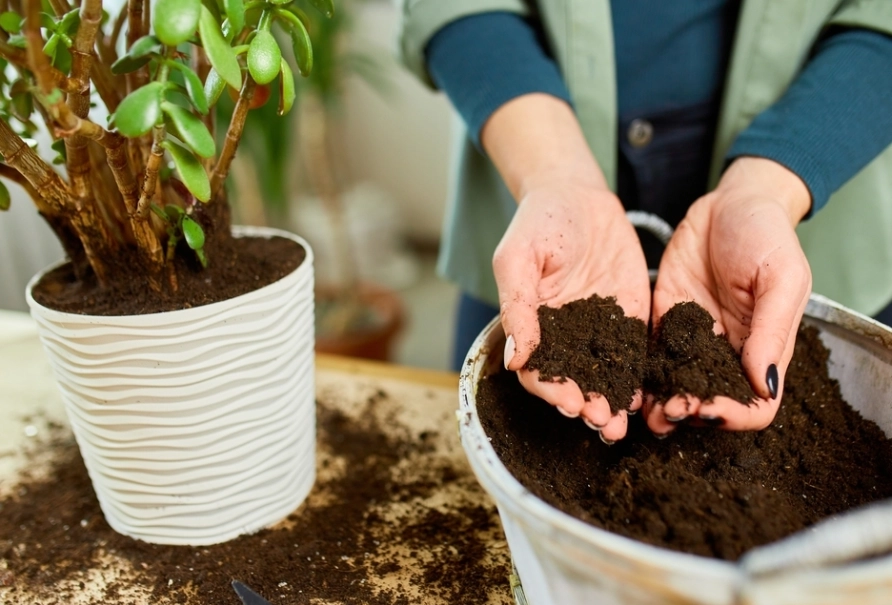
The Base: Organic Matter (The Sponge)
This is the part that holds water and nutrients.
- Peat Moss: The classic. It's acidic, holds a ton of water, and is lightweight. The big downside? It's environmentally contentious due to harvesting from peat bogs, and once it dries out completely, it becomes hydrophobic—it repels water. You've seen this if you've ever watered a plant and the water just runs down the side of the pot.
- Coconut Coir: A popular sustainable alternative made from coconut husks. It holds water well but drains better than peat, and it's easier to re-wet. It's also more pH-neutral. For most houseplants, I prefer coir-based mixes now.
The Drainage Crew: Inorganic Amendments (The Plumbing)
These create the crucial air pockets and prevent compaction.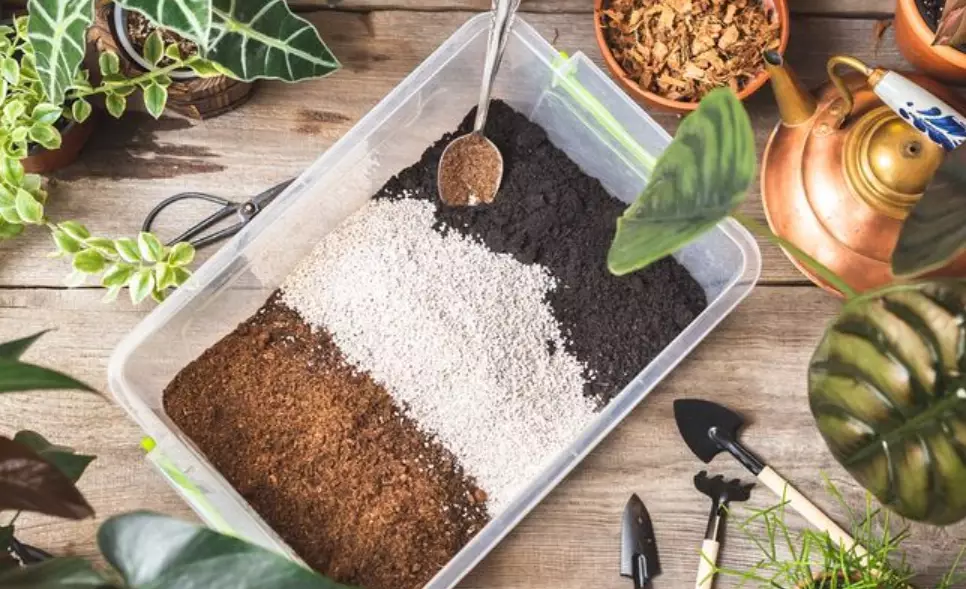
| Ingredient | What It Does | Best For | My Take |
|---|---|---|---|
| Perlite | Those little white, popcorn-like pieces. They are super-lightweight, porous, and improve aeration and drainage dramatically. | Almost every general potting mix. Essential for preventing waterlogging. | The workhorse. Non-negotiable in my own mixes. Don't confuse it with styrofoam. |
| Vermiculite | Shiny, golden-brown flakes. Holds more water and some nutrients (like potassium and magnesium) than perlite. | Mixes for plants that like consistent moisture (e.g., ferns, seedlings). | Great, but can make a mix too water-retentive if overused. I use it sparingly. |
| Horticultural Sand (Coarse) | Large, gritty sand. Doesn't hold water; its sole job is to add weight and improve drainage. | Cactus, succulent, and bonsai mixes. Never use fine beach or play sand—it turns to concrete. | A must for desert plants. Adds heft to top-heavy plants. |
| Pumice or Lava Rock | Porous, gritty volcanic rock. Provides excellent aeration and drainage, and is heavier than perlite. | Premium alternative to perlite, especially for larger plants that need stability. | More expensive, but doesn't float to the top like perlite can. My favorite for long-term plantings. |
The Extras: Structure and Food
- Pine/Fir Bark: Chunky pieces that decay slowly. They create large air pockets and mimic the natural environment for epiphytes like orchids and anthuriums. Also helps lower pH slightly.
- Compost/Worm Castings: Provides a slow-release source of organic nutrients and beneficial microbes. Think of it as a probiotic for your soil. Never use more than 10-20% of your total mix, or it can stay too wet.
- Charcoal (Horticultural): Not for grilling! It helps absorb impurities and can keep the mix "sweet" by preventing souring. Common in orchid and terrarium mixes.
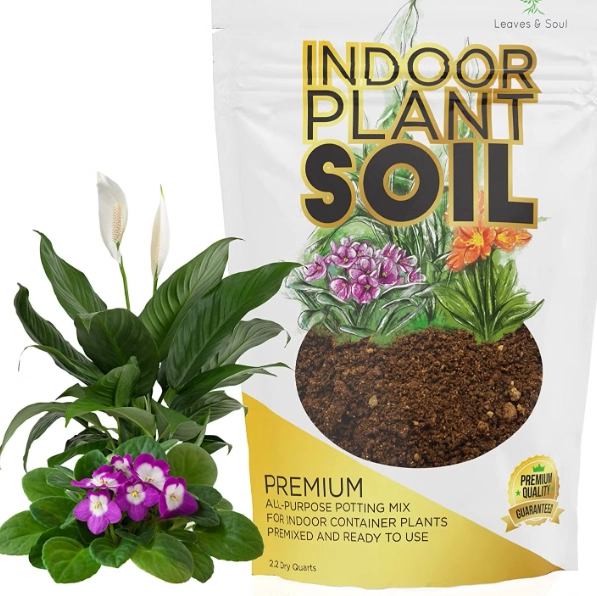
The Big Misconception: "Cactus soil" isn't just sand. A good commercial cactus mix is usually a standard potting base (peat/coir) with extra perlite and sand added. If you buy a bag that feels like a bag of beach sand, put it back. It's terrible.
The Right Soil Mix for Your Specific Plant
One mix does not fit all. A Monstera's needs are worlds apart from a Lithops'. Here’s a practical breakdown.
Group 1: The Tropicals (Monstera, Pothos, Philodendron, ZZ Plant, Snake Plant)
These are the most common houseplants. They want a well-draining, airy mix that never gets soggy but doesn't dry out brick-hard.
My Go-To Recipe: 2 parts coconut coir (or peat moss) + 1 part perlite + 1 part pine bark (orchid bark chips) + a handful of worm castings. This is my universal, all-purpose winner. The bark adds chunkiness that tropical aroids love for their roots.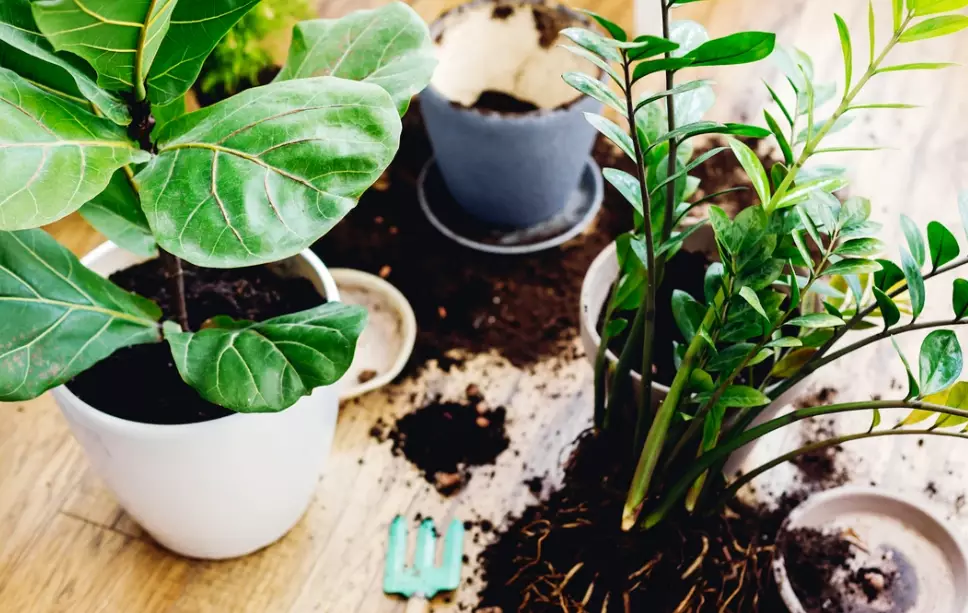
Group 2: The Succulents & Cacti (Echeveria, Jade, Aloe, Cacti)
Fast drainage is non-negotiable. They need to dry out completely and quickly between waterings.
My Go-To Recipe: 1 part coconut coir or potting mix + 1 part perlite or pumice + 1 part coarse sand. For cacti, I lean heavier on the sand and pumice. I often just buy a reputable cactus mix and amend it with extra perlite until it feels incredibly gritty.
Group 3: The Moisture Lovers (Ferns, Calathea, Nerve Plant)
These guys like consistent moisture but still need oxygen at their roots. The trick is water-retentive but aerated.
My Go-To Recipe: 2 parts coconut coir + 1 part perlite + 1 part vermiculite. The vermiculite is key here for holding moisture. A little extra compost can help too.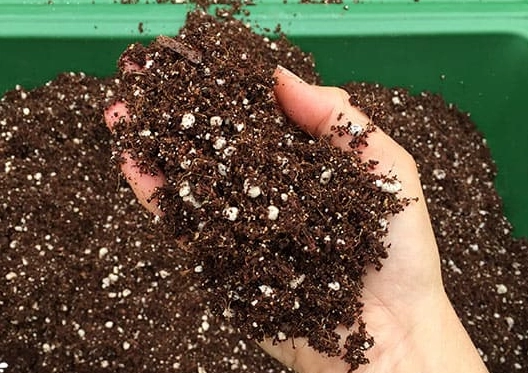
Group 4: The Specialists (Orchids, Anthuriums)
Many are epiphytes—they grow on trees in the wild. Their roots need to breathe and dry rapidly.
For Phalaenopsis Orchids: A commercial orchid mix of large-chunk pine bark, charcoal, and sometimes perlite is perfect. Do not pot an orchid in regular potting soil. Ever.
How to Choose (or Make) Your Perfect Potting Mix
Buying a Commercial Mix: Read the Bag
Don't just grab the prettiest bag. Turn it over and read the ingredients. A good sign: it lists specific components like "sphagnum peat moss, perlite, pine bark, limestone." A bad sign: it just says "organic matter" or "forest products."
Brands I Often Use as a Base: FoxFarm Ocean Forest (rich, needs extra perlite for some plants), Miracle-Gro Indoor Potting Mix (their standard one is decent, avoid moisture-control versions), or any local brand that lists its ingredients clearly.
My rule: I almost always add extra perlite to any bagged mix. They are rarely as well-draining as I want them to be.
Making Your Own: The Ultimate Control
This is where you become the plant's chef. It's cheaper per volume and you know exactly what's in it.
Basic Starter Recipe (for Tropicals):
In a large tub, mix:
- 4 gallons coconut coir (rehydrated) or peat moss
- 2 gallons perlite
- 2 gallons orchid bark (small to medium chunks)
- 1 gallon worm castings or compost
Mix thoroughly while slightly damp. Store any unused mix in a sealed container.
You can scale this up or down. The beauty is you can tweak it. Need it grittier for a succulent? Add more perlite and sand. Need it more moisture-retentive for a fern? Swap some perlite for vermiculite.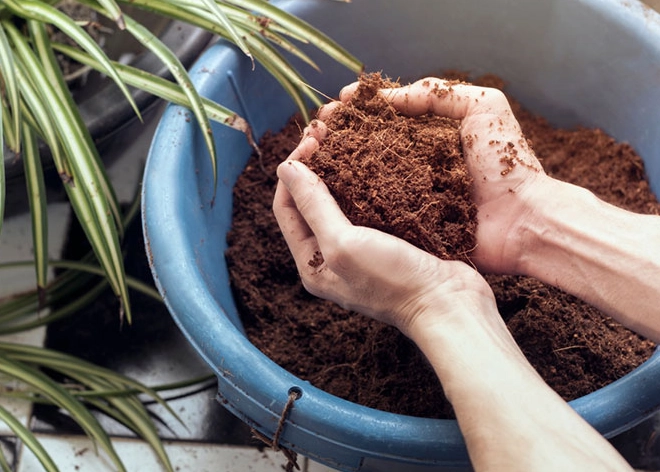
Common Soil Mistakes Even Experienced Plant Owners Make
Here's the insider knowledge—the stuff that separates a green thumb from a plant survivor.
1. Not Considering pH. Most houseplants prefer a slightly acidic to neutral pH (6.0-7.0). Peat moss is acidic; tap water is often alkaline. Over time, salts and minerals can build up, making the soil alkaline, which locks up nutrients. If your plant is fed and lit well but still looks off, the soil pH might be wrong. You can test it with a cheap meter. Occasionally watering with rainwater can help.
2. Using the Same Soil Forever. Soil breaks down. Organic components decompose, drainage worsens, and salts accumulate. This is why repotting every 1-3 years into fresh mix is crucial, even if the plant hasn't outgrown its pot. It's a soil refresh.
3. Over-Amending with "Rich" Ingredients. More compost, manure, or fertilizer in the mix is not better. It can burn roots and cause rapid decomposition, turning your soil into a sludgy mess. Nutrients should be added lightly and regularly via liquid fertilizer, not all at once in the soil.
4. Ignoring the Weight of the Pot. A pot that's heavy long after watering is a red flag for poor drainage. Before you buy or make a mix, pick up the bag or feel the components. It should feel light and airy, not dense and clay-like.
Your Soil Questions, Answered
The right soil for indoor plants isn't a mystery. It's a recipe you can learn. Start by understanding the components, respect your specific plant's needs (does it want a desert or a damp forest floor?), and don't be afraid to get your hands dirty mixing your own. Your plants will show their gratitude through roots you can't see, and leaves you definitely can.

Comments