Let's cut to the chase. If you're killing your cacti and succulents with kindness (read: overwatering), the problem is almost never the water itself. It's the stuff you planted them in. A true well-draining cactus mix isn't a luxury; it's the foundation of survival for these drought-adapted plants. I've seen more plants succumb to soggy, dense "cactus soil" from big-box stores than to any pest. This guide isn't about repeating generic advice. We're going deep into the why and how, uncovering the subtle mistakes even experienced hobbyists make, and giving you a recipe that works.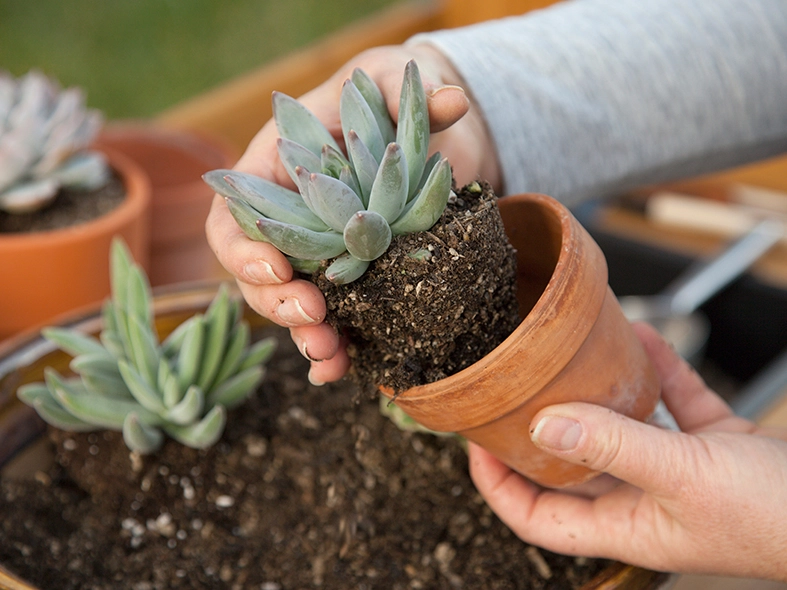
In This Article
What Is a Truly Well-Draining Cactus Mix?
Forget the bag label that says "cactus & succulent mix." A genuinely well-draining mix is defined by one function: it allows water to pass through the entire root zone rapidly, leaving the particles moist but not waterlogged, and then it dries out relatively quickly. The goal is to mimic the arid, rocky, or sandy slopes these plants call home.
The magic happens through two properties: drainage and aeration. Drainage is about water movement. Aeration is about air pockets. Roots need oxygen as much as they need water, and a dense mix suffocates them. When roots sit in moisture for days, they rot. It's that simple.
Here's the non-consensus part many miss: Well-draining doesn't mean non-water-retentive. Some moisture must be held around the roots for a short period. The trick is using materials that hold water in their structure (like porous pumice) rather than between particles (like fine silt). This distinction is everything.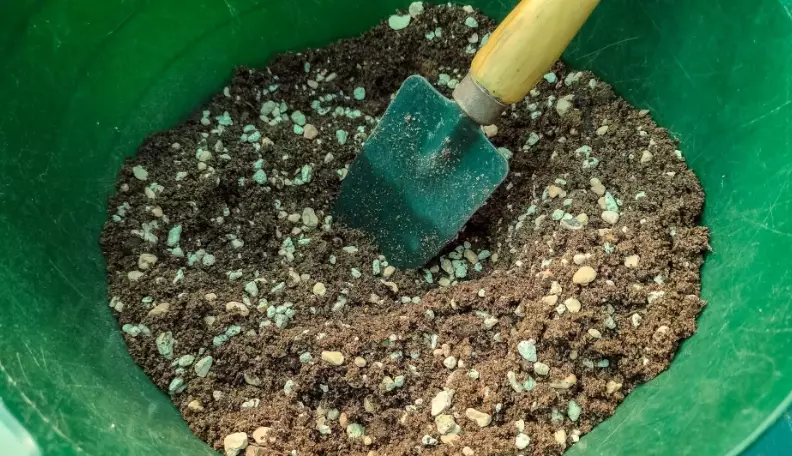
Common Mistakes & The Right Ingredients
Most failures start with ingredient choices. Let's clear up the confusion.
The Big Mistake: Using Beach or Play Sand. This is the #1 error. Fine sand fills all the gaps between larger particles, creating a concrete-like substance that drains terribly. It's the opposite of what you want.
You need gritty, coarse, or chunky materials. Think of creating a pile of marbles with spaces between them, not a pile of flour.
| Ingredient | What It Does | Pros & Cons |
|---|---|---|
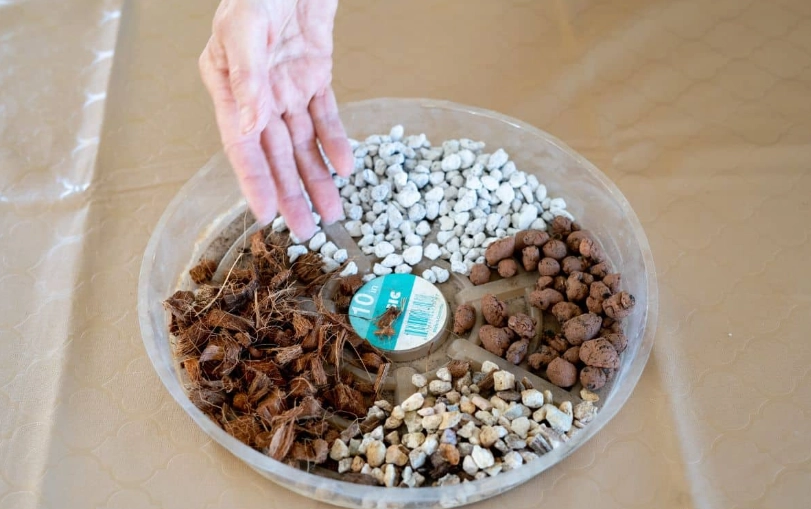
| Perlite | White volcanic glass. Provides aeration and lightens the mix. | Pros: Cheap, sterile, readily available. Cons: Can float to the top with watering, very dusty, breaks down slowly into powder. |
| Pumice | Porous volcanic rock. The gold standard for drainage and aeration, with slight water retention in its pores. | Pros: Doesn't float, porous, lasts forever, provides weight. Cons: More expensive, can be harder to find locally. |
| Coarse Sand (Horticultural Grit) | Granules 1/8" to 1/4" in size. Adds weight and improves drainage. | Pros: Inexpensive, provides stability. Cons: Must be coarse (like turkey grit or aquarium sand), non-soluble (granite, not limestone). |
| Pine/Fir Bark Fines | Small chunks of composted bark. Provides organic matter that breaks down slowly and improves texture. | Pros: Creates air pockets, slightly acidic (good for many cacti). Cons: Breaks down over 1-2 years, needs replenishing. |
| Coir or Peat Moss | Organic component for slight moisture retention. | Pros: Holds water. Cons: Peat is hydrophobic when dry, coir can hold too much water if overused. Use sparingly. |
My personal shift happened when I switched from a perlite-heavy mix to a pumice-based one. The plants just seemed more stable, and the mix didn't compact over time. Perlite's dust also bothered my lungs—a practical downside rarely mentioned.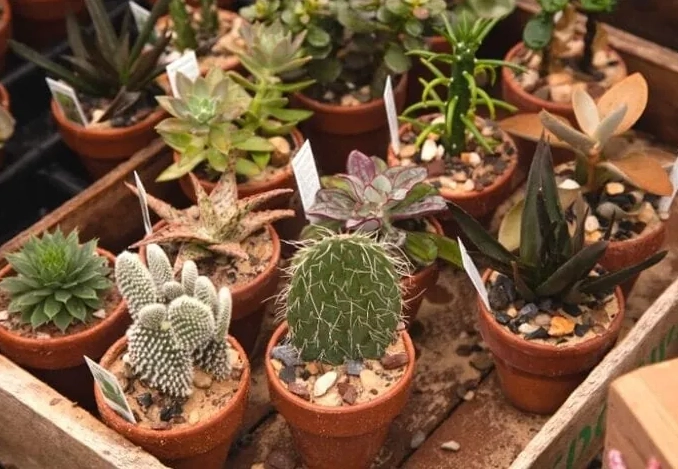
DIY: The Perfect Cactus Mix Recipe
You can buy a bag, but mixing your own gives you control. Here's a reliable, adaptable recipe I've used for years. Think of it as a formula, not a rigid rule.
The Base Recipe (For most desert cacti & succulents):
• 1 Part Pumice or Perlite (If using perlite, sift the dust out).
• 1 Part Coarse Sand (Horticultural Grit)
• 1 Part Pine Bark Fines (sifted to 1/4" size)
• 1/2 Part Coconut Coir (optional, for young plants or more tropical succulents like some Epiphyllum).
How to Mix It: Don't just dump and stir. Put on a mask (especially with perlite). Mix all dry components thoroughly in a large tub. Gradually add water until the mix is evenly damp but not soggy. This "pre-moistening" prevents dry pockets that repel water when you first pot your plant. It's a game-changer.
Adjusting the Recipe: For seedlings or very small plants, increase the coir or bark to 1 part for more moisture retention. For large, mature cacti in humid climates, you might go heavier on the grit—try 2 parts pumice, 1 part coarse sand, and just a handful of bark.
Why This Ratio Works
The mineral components (pumice, grit) ensure fast drainage and permanent structure. The bark provides temporary organic matter and creates crucial air channels as it slowly decomposes. The tiny bit of coir gives the roots something to grab onto and holds a minimal, brief drink. It's a balanced ecosystem in a pot.
Navigating Store-Bought Options
Not everyone wants to mix soil. That's fine, but you must be a savvy shopper. Most commercial mixes are too rich in fine peat moss.
Your strategy: Buy to amend, not to use straight. Purchase a reputable bagged cactus mix (like from Espoma or FoxFarm) but treat it as only one part of your final blend. Plan to mix it 1:1 with additional pumice or perlite. This instantly transforms a mediocre mix into an excellent one.
Feel the bag. If it feels like fluffy potting soil, it needs help. If it feels gritty and you can hear the particles rubbing together, it's a better start. Check the ingredients list—if "peat" or "compost" is first, be wary.
Potting & Repotting: Technique Matters
The best mix can fail with bad technique. Always use a pot with a drainage hole. No debate. Terracotta is ideal—it's porous and pulls moisture from the mix, helping it dry faster.
The Repotting Process: 1. Remove the plant, gently brushing away old soil. Check the roots. Trim any that are black, mushy, or dead. 2. Place a piece of mesh or a broken pottery shard over the drainage hole to prevent mix washout. 3. Add a base layer of your mix. 4. Position the plant, spreading the roots. Hold it so the base sits just below the pot's rim. 5. Backfill around the roots, gently tapping the pot to settle the mix. Don't press down hard—you'll compact it. 6. Wait 5-7 days before the first watering. This allows any root damage to callus over, preventing rot.
That waiting period is critical. I've lost plants by watering a fresh repot too soon, thinking they needed a drink. They didn't.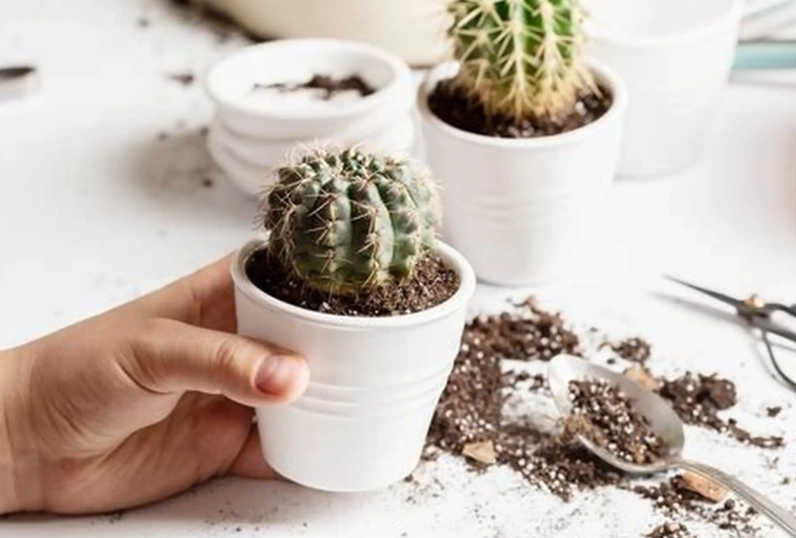
Your Cactus Soil Questions Answered
 How often should I completely change my cactus's soil?
Comments