Quick Navigation
- Why Bother Propagating Your Rubber Plant?
- Gearing Up: What You'll Need Before You Start
- The Great Debate: Water vs. Soil Propagation
- Step-by-Step: How to Propagate Rubber Plant from a Stem Cutting
- Post-Propagation Care: Don't Lose It Now!
- Troubleshooting: Why Isn't My Rubber Plant Propagating?
- Beyond the Basic Cutting: Air Layering
- Your Rubber Plant Propagation Questions, Answered
- Wrapping It Up: You've Got This
Let's be real for a second. You bought that gorgeous rubber plant (Ficus elastica, if we're being fancy) because it's a statement piece. Those big, glossy leaves just make a room feel more... alive. Then you had a thought. What if you could have another one? Or give one to a friend? Or maybe just not cry if something happened to your original plant because you'd have a backup?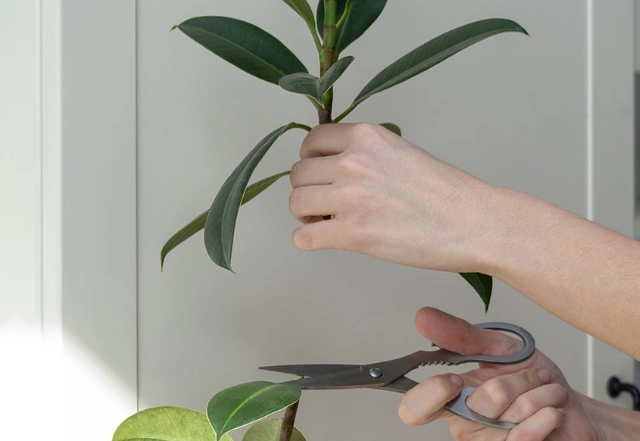
That's where propagation comes in. It sounds like a science lab term, but it's just plant lingo for making baby plants from your big one. And guess what? Rubber plants are some of the easiest houseplants to propagate. I've messed up my fair share of cuttings over the years (RIP to a few hopeful stems that turned to mush), but that just means I've learned what not to do so you don't have to.
This guide isn't about complex botany. It's about getting your hands dirty (or slightly damp) and successfully creating new, rooted plants. We'll cover everything—the why, the how, the "oh no what's happening," and the quiet victory of seeing those first new roots.
Why Bother Propagating Your Rubber Plant?
Besides the obvious joy of free plants? Well, there are a few solid reasons. Maybe your plant is getting leggy—tall with all the leaves at the top. Taking a cutting from the top encourages the original plant to branch out and become bushier. It's a win-win: you get a new plant and improve the shape of the old one.
It's also incredibly satisfying. In a world of instant gratification, watching a bare stick grow roots and then a new leaf over weeks and months is a different kind of reward. It connects you to the plant in a way just buying one never can.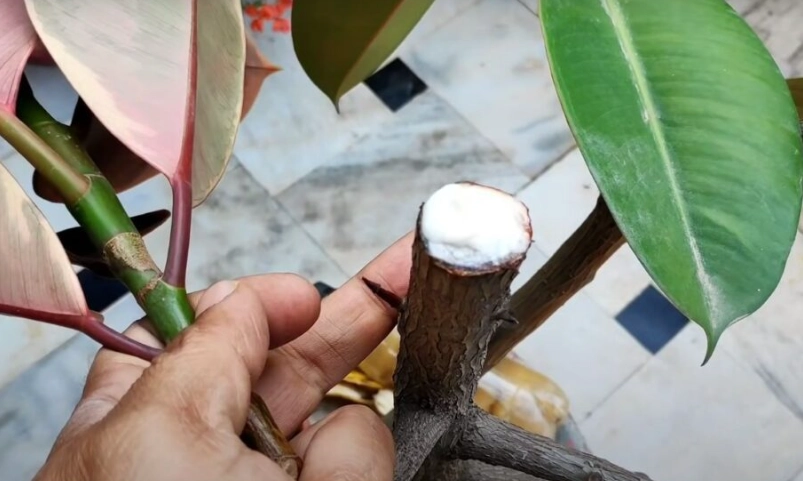
And yes, it saves money. A mature rubber plant can cost a pretty penny. A cutting? Costs you nothing but a little time and attention.
Gearing Up: What You'll Need Before You Start
You don't need a professional greenhouse. Most of this stuff is probably in your home already.
- A Sharp, Clean Tool: This is non-negotiable. Use pruning shears, sharp scissors, or a clean knife. Dirty or dull tools crush the stem and invite disease. I wipe mine down with rubbing alcohol. It takes two seconds and prevents a world of potential rot.
- Your Rooting Medium: This is where your cutting will live while it roots. You have two main choices: water or soil. We'll get into the pros and cons of each in a minute. For water, any clean glass or jar works. For soil, a small pot with drainage holes is key.
- Potting Mix (for soil propagation): Don't use garden soil. It's too dense. A light, well-draining mix is perfect. A standard indoor potting mix with some perlite or orchid bark mixed in for aeration is my go-to.
- Optional but Helpful: Rooting hormone powder or gel. This isn't magic fairy dust, but it does contain hormones that encourage root growth and can protect the cut end from rot. It's like a helpful nudge, especially for trickier cuttings. I didn't use it for years and had fine results, but now I do for an extra boost.
- The Most Important Ingredient: Patience. Learning how to propagate rubber plant is a lesson in waiting. Roots take time.
The Great Debate: Water vs. Soil Propagation
This is the first big decision. Both work, but they offer different experiences. I've used both methods dozens of times, and I have a personal preference, but let's lay out the facts.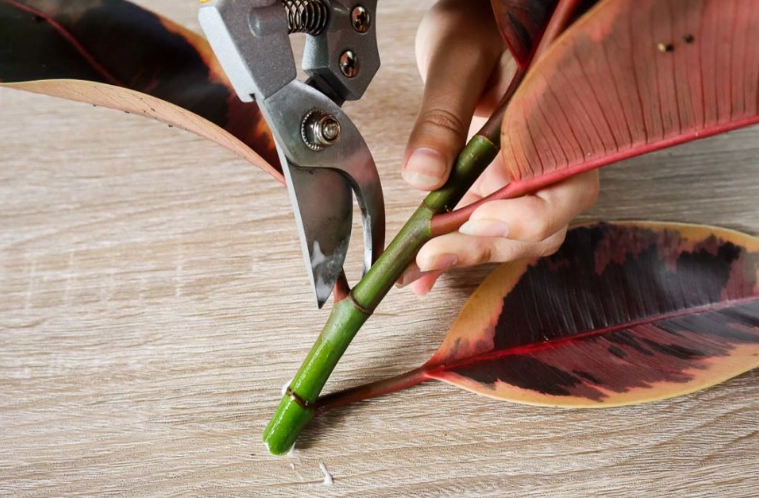
| Factor | Water Propagation | Soil Propagation |
|---|---|---|
| Visibility | Major Pro: You can watch the roots grow every day. It's fascinating and reassuring. | Con: It's a mystery. You have to trust the process without visual proof for weeks. |
| Success Rate (for beginners) | Generally high. It's hard to overwater a cutting that's already in water. The main risk is rot if the water isn't changed. | Can be slightly trickier. The main challenge is finding the balance between keeping the soil moist and not soggy. |
| Root Transition | Potential Con: Roots grown in water are different from soil roots. When you eventually pot it up, the plant can go through "transplant shock" as it adapts. | Major Pro: The roots that form are soil-adapted from the start. Once it's rooted, it's already acclimated to soil life. |
| Maintenance | Requires changing the water every 5-7 days to keep it fresh and oxygenated. | Requires checking soil moisture and providing consistent, gentle humidity (like a plastic bag tent). |
| My Personal Take | Great for your first time because the visual feedback is a huge confidence builder. Perfect if you love a windowsill full of rooting jars. | My preferred method now. It skips the later transplant shock stage. It feels more "one and done." |
See? No clear "winner," just a right choice for you. If you're a visual learner who needs encouragement, start with water. If you want a more direct path to a potted plant, go with soil.
Step-by-Step: How to Propagate Rubber Plant from a Stem Cutting
Okay, let's get to the main event. This is the core process for both water and soil methods. The only difference is what you do with the cutting after you make it.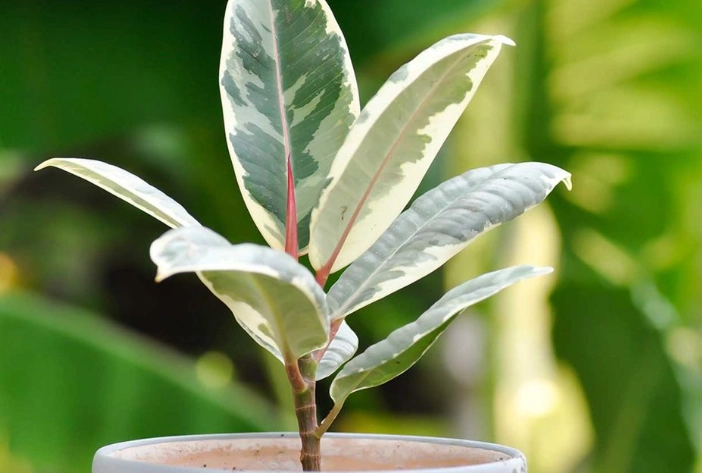
Step 1: Choosing and Taking the Perfect Cutting
This is where success begins. Don't just snip any old leaf.
- Look for Health: Choose a stem that's healthy, firm, and has no signs of pests or disease. A stem with 2-4 leaves on it is ideal.
- Find a Node: This is the absolute secret. The node is the slightly bumpy, ring-like area on the stem where a leaf attaches. Sometimes you'll even see little brownish nubs there. New roots will ONLY grow from a node. A cutting with just a leaf and no node might live in water for months but never grow roots. I learned this the hard way.
- Make the Cut: Using your clean tool, cut the stem about half an inch to an inch below a node. You want that node to be on your cutting. Make a clean, angled cut. Some say the angle increases surface area for rooting; I just think it looks more professional.
Step 2: Prepping Your Cutting
You've got your cutting. Now, a little prep work.
- Remove Bottom Leaves: Gently remove any leaves that would be submerged in water or buried in soil. Usually, this is just the leaf at the node you cut below. You can pop it off with your fingers. This prevents rotting foliage from contaminating your medium.
- Handle the Sap: Rubber plants have a milky white sap that will ooze from the cut. It's mildly irritating to skin for some people and can form a seal over the wound. Let it air dry for a few minutes, or gently blot it with a paper towel. Some folks even rinse it off under lukewarm water.
- Apply Rooting Hormone (Optional): If you're using it, dip the cut end, especially the node area, into the powder or gel. Tap off any excess.
Step 3: The Rooting Process – Your Two Paths
Path A: Rooting in Water
Take your prepped cutting and place it in a jar of room-temperature water. Make sure at least one node is underwater, but no leaves are submerged. Place it in bright, indirect light (no direct sun, it'll cook in the jar). Change the water every 5-7 days to keep it fresh. In 3-8 weeks, you should see white roots sprouting from the node.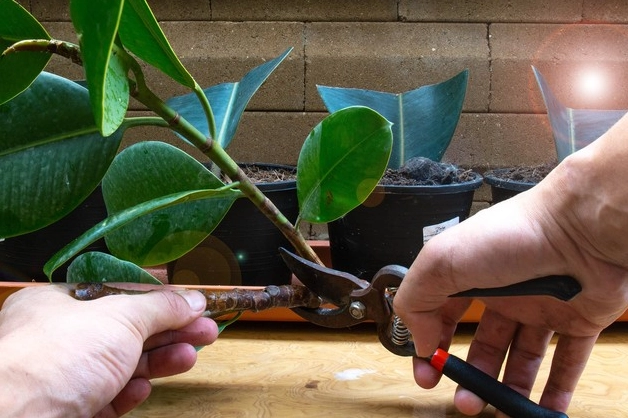
Path B: Rooting Directly in Soil
Take your prepped cutting and poke a small hole in your pre-moistened potting mix. Insert the cutting so the node (and a bit of the stem below it) is buried. Gently firm the soil around it. Water it lightly to settle the soil. Now, here's the key trick for humidity: place a clear plastic bag loosely over the pot, or use the bottom of a plastic bottle. This creates a mini-greenhouse. Keep it in bright, indirect light. Keep the soil lightly moist, but not wet. The bag will trap moisture, so you won't need to water often. In 4-10 weeks, you can test for roots by giving the cutting a very gentle tug. If you feel resistance, roots have likely formed.
Post-Propagation Care: Don't Lose It Now!
You've got roots! Congratulations. But the journey isn't over. New plants are babies and need gentle care.
If you propagated in water and are now potting up, be extra kind. The roots are fragile. Use a small pot—no more than an inch or two wider than the root ball. Water it thoroughly after potting and keep the soil consistently moist (not soggy) for the first few weeks as it adjusts. It might droop or lose a leaf. Don't panic. It's just shocked from the move.
For soil-propagated cuttings, once you confirm roots, you can slowly remove the plastic bag over a week to acclimate it to normal room humidity. Start treating it like a young rubber plant.
For all new rubber plant babies:
- Light: Bright, indirect light is still the rule. A little morning sun is okay.
- Water: Water when the top inch of soil feels dry. Don't follow a schedule; check the soil.
- No Fertilizer: Don't fertilize for at least 3-4 months. The fresh potting mix has nutrients, and their tiny root systems can't handle strong fertilizer yet.
Troubleshooting: Why Isn't My Rubber Plant Propagating?
Things don't always go to plan. Here's what might be happening.
Cutting is rotting/mushy: This is usually from bacteria or fungus. The water was stale, the soil was too wet, or the tool wasn't clean. Unfortunately, you need to start over. Next time, ensure cleanliness and proper moisture levels.
No roots after many weeks: First, check if you included a node. If you did, it might be a temperature or light issue. Rooting happens faster in warmth (70-75°F is ideal). A cold windowsill in winter can slow things to a crawl. Also, ensure it's getting enough bright light.
Leaves are wilting or falling off: On a soil cutting, this can be normal stress. On a water cutting, it's less common. Ensure it's not in direct, hot sun. A little leaf loss at the bottom is okay as the plant focuses energy on roots.
Roots grew but the plant died after potting: Classic transplant shock. The water roots dried out too fast, or the soil was too different. When potting from water, keep the soil more moist than usual initially and consider using a humidity dome (like that plastic bag) for a week or two to ease the transition.
Beyond the Basic Cutting: Air Layering
This is a cool, almost foolproof method for learning how to propagate rubber plant, especially if you have a thick, woody stem you're nervous about cutting off completely. You root the stem while it's still attached to the mother plant.
You make a small upward slit on the stem at a node, or remove a thin ring of bark. Dust the wound with rooting hormone, pack it with damp sphagnum moss, and wrap the whole thing in plastic wrap to keep it moist. Roots will grow into the moss inside the plastic. Once you see a good root ball through the plastic, then you cut the stem below the roots and pot it up. The advantage? The cutting is already rooted and supported by the main plant the whole time, so it hardly skips a beat. It's my go-to for expensive or sentimental plants I don't want to risk losing.
Your Rubber Plant Propagation Questions, Answered
Wrapping It Up: You've Got This
Learning how to propagate rubber plant is one of the most rewarding skills in houseplant care. It turns you from a plant owner into a plant creator. You'll look at your rubber plant not just as a decoration, but as a potential family of plants.
Start simple. Pick a healthy stem, make a clean cut below a node, and pop it in a jar of water. Watch it. Change the water. Forget about it for a few days, then check again. That's the rhythm. Before you know it, you'll have a network of white roots and the proud feeling that comes with it.
And if it fails? So what. Rubber plants are resilient, and so are you. Snip another cutting and try again. Each attempt teaches you something. Now go find your shears—your next rubber plant is waiting.

Comments