Let's be honest. You brought home that beautiful fiddle leaf fig or that trendy monstera, full of hope. You watered it, gave it a nice spot. A few months later, it's a sad collection of yellow leaves or a crispy stick in a pot. I've been there. I've killed my share of plants. But over the last decade of turning my apartment into a jungle, I've learned it's rarely just about "forgetting to water." The real secret to thriving inside plants is understanding their silent language and avoiding a handful of subtle, universal mistakes.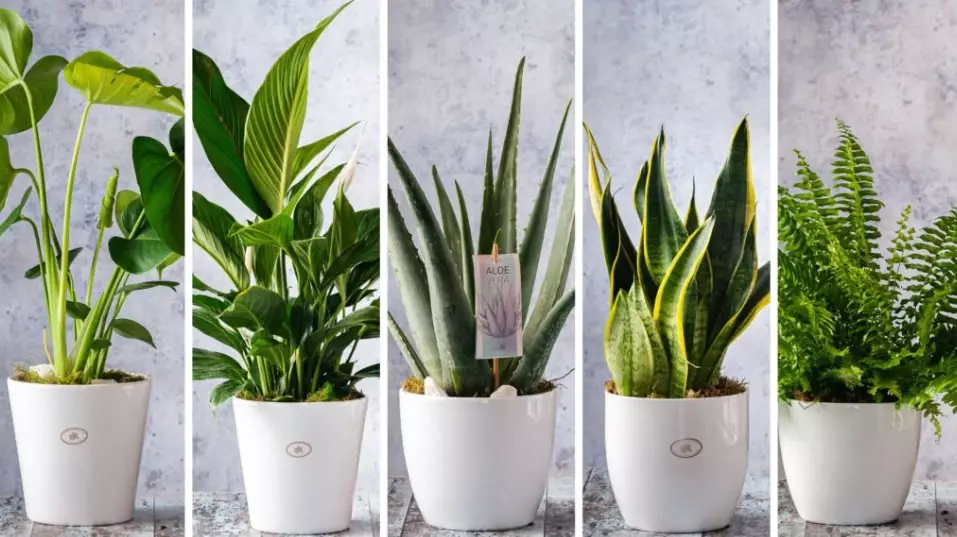
What You'll Find Inside
Why Do Indoor Plants Really Die? It's Usually One of These
Everyone blames watering. Too much or too little. But that's the symptom, not the cause. The root cause (pun intended) is usually a mismatch.
You're giving a plant that evolved in a dark, humid jungle the same treatment as a cactus from the desert. It won't work. The most common killer isn't neglect—it's kindness with wrong information.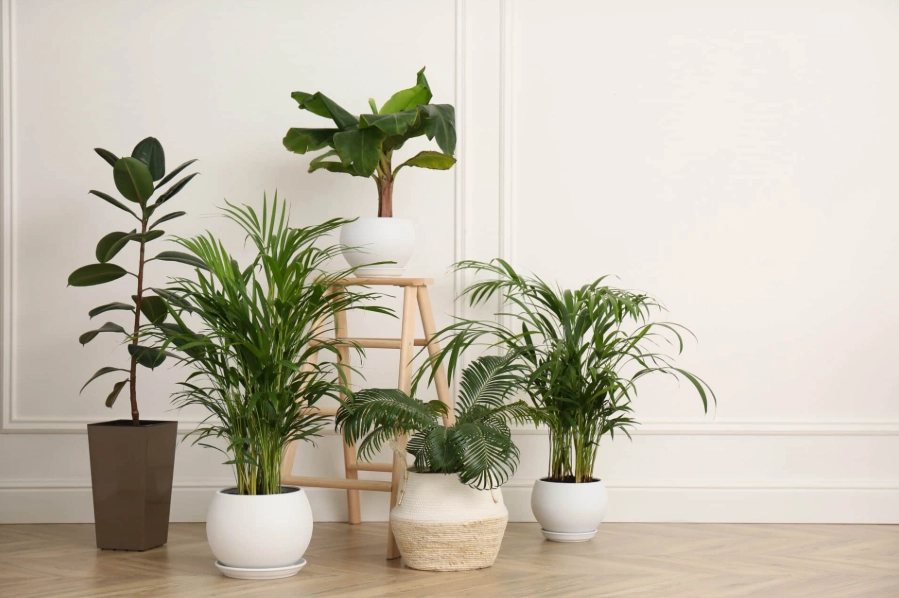
Here’s the breakdown I wish I had when I started:
- Overwatering in Low Light: This is the #1 assassin. A plant in a dim corner uses water very slowly. Watering it on a weekly schedule because "that's what you're supposed to do" drowns the roots. They rot, and the plant can't drink, so it looks thirsty. You water more, finishing the job.
- The "Set It and Forget It" Spot: Placing a plant where it looks good and never moving it. Light changes with seasons. That perfect summer spot might be a dark cave in winter. Plants need us to be their sun-trackers.
- Potting Mix That's Just Dirt: Using heavy garden soil in a pot is a death sentence. It compacts, suffocates roots, and holds way too much water. Indoor plants need loose, airy, well-draining potting mix. I always add extra perlite or orchid bark.
- Ignoring Humidity (or Lack Thereof): Your heating and AC create a desert indoors. Many popular plants (ferns, calatheas) crave humidity. Crispy brown leaf tips are their cry for help.
How to Choose the Right Indoor Plant: A Practical Filter
Skip the "what's pretty" phase. Start here instead. Ask yourself these questions before you even go to the nursery.
What's the Light Really Like?
Be brutally honest. "Bright indirect light" isn't a vague concept. Hold your hand where the plant will go around noon on a sunny day. A sharp, well-defined shadow? That's direct sun. A fuzzy, soft shadow? That's bright indirect. A barely-there shadow? That's low light. Most homes have low to moderate light. Choose plants that love that.
How Much Space Do You Have?
That tiny succulent will become a sprawling jade plant. That cute little palm might hit your ceiling. Research the mature size. Don't just buy for the now.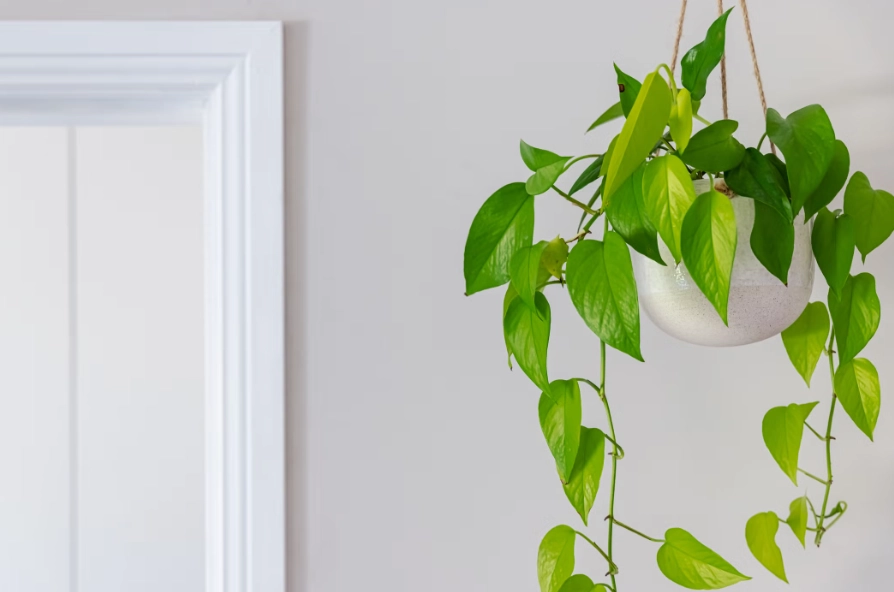
What's Your Care Personality?
Are you an attentive waterer or a forgetful one? If you love to fuss, get a fern or a calathea. If you travel often or tend to forget, go for a snake plant, a ZZ plant, or a pothos. There's no shame in being a low-maintenance plant parent.
The Core Care Routine: Breaking Down the Basics
Forget complicated schedules. Think of this as a checklist of things to observe.
Watering: The Finger Test is Gospel
Throw away the calendar. For most plants, stick your finger 2 inches into the soil. Is it dry? Water thoroughly until it runs out the drainage hole. Is it damp? Walk away. For larger pots, lift them. A dry pot is surprisingly light. A watered pot is heavy. Learn the weight.
One pro tip: Use room-temperature water. Icing cold tap water can shock the roots.
Light: It's Their Food
No plant "thrives" in darkness. They survive at best. If you don't have good natural light, get a grow light. A simple LED bulb in a desk lamp for a few hours a day can make a world of difference for a struggling plant. The Royal Horticultural Society has great, simple guides on understanding light levels for houseplants.
Food, Air, and Cleanliness
Fertilizer: During the growing season (spring/summer), a half-strength balanced liquid fertilizer every 4-6 weeks is plenty. In fall and winter, most plants rest—stop fertilizing.
Humidity: Group plants together, use a pebble tray, or get a humidifier. Misting does almost nothing; it raises humidity for about 5 minutes.
Dust: Wipe leaves with a damp cloth. Dust blocks light, and plants breathe through their leaves.
Top 5 Foolproof Beginner Plants (That Actually Look Good)
Based on my experience helping dozens of friends, these are the champions. They forgive mistakes and still reward you with growth.
| Plant Name | Why It's Great | Light Needs | Watering Tip | Watch Out For |
|---|---|---|---|---|
| Snake Plant (Sansevieria) | Nearly indestructible. Purifies air. Grows vertically, perfect for tight spaces. | Low to Bright Indirect | Let soil dry completely. Can go weeks without water. | Overwatering is the only real threat. Pot must have drainage. |
| ZZ Plant (Zamioculcas) | Thrives on neglect. Glossy, beautiful leaves. Grows from bulb-like rhizomes that store water. | Low to Moderate | Water only when soil is bone dry. Seriously, forget about it. | Slow grower. Don't mistake its pace for dying. |
| Pothos (Epipremnum) | Fast-growing, trailing vine. Easy to propagate. Shows you when it's thirsty (leaves droop slightly). | Low to Bright Indirect | Water when top inch of soil is dry. Bounces back quickly from under-watering. | Can get leggy. Prune it back to encourage bushiness. |
| Spider Plant (Chlorophytum) | Produces cute "babies" on runners. Non-toxic. Very adaptable. | Moderate to Bright Indirect | Keep soil lightly moist, not soggy. Brown leaf tips often mean fluoride in tap water—use filtered if possible. | The babies can drain energy from the mother plant; snip them off once they have roots. |
| Chinese Money Plant (Pilea) | Unique, circular leaves. Grows quickly and produces offshoots you can share. | Bright Indirect | Water when top 1-2 inches are dry. Likes consistent moisture but not wet feet. | Leans heavily towards the light. Rotate the pot regularly for even growth. |
Your Burning Indoor Plant Questions, Answered
The leaves on my plant are turning yellow. What's the first thing I should check?
Check the soil moisture immediately. Is it sopping wet? You've likely overwatered and may have root rot. Stop watering, consider repotting into dry mix if severe. Is it dry and dusty? It's thirsty. But also look at which leaves are yellowing. Older, lower leaves yellowing is often natural aging. New growth yellowing is a bigger red flag, often pointing to nutrient deficiency or poor root health.
I have a dark apartment with no south-facing windows. Are there any plants that will actually grow?
Yes, but manage expectations. "Grow" might mean "survive and put out a new leaf occasionally" rather than explode with growth. Your best bets are the Snake Plant, ZZ Plant, and Cast Iron Plant (Aspidistra). They are the true low-light champions. But honestly, for any plant to truly thrive in such conditions, supplementing with an affordable LED grow light for 6-8 hours a day will open up your options dramatically.
 How often should I repot my indoor plant?
Only when necessary, not on a schedule. Signs it's time: roots are growing out of the drainage holes, the plant dries out extremely fast (like in a day or two), the plant is top-heavy and constantly tipping over, or it's stopped growing despite good care. When you do repot, only go up 1-2 inches in pot diameter. A pot that's too large holds too much wet soil around the small rootball, inviting rot.
Tiny flies are coming out of my plant's soil. What are they and how do I get rid of them?
Fungus gnats. They're annoying but mostly harmless to healthy plants. They love moist, organic-rich soil. To break the cycle, let the top few inches of soil dry out completely between waterings. This kills the larvae. Yellow sticky traps catch the adults. For a severe infestation, a soil drench with a product containing Bacillus thuringiensis israelensis (BTI), like Mosquito Bits, is highly effective and natural. The real fix is adjusting your watering habits.
Is it better to underwater or overwater?
It's almost always better to underwater. A dehydrated plant can often be revived with a good soak. A plant with rotten roots from overwatering is much harder to save—it's a systemic failure. Most houseplants are tropical understory plants that prefer to dry out a bit between drinks. When in doubt, wait another day or two to water.
The journey with indoor plants isn't about achieving perfection. It's about observation and gradual learning. Start with one of the tough plants, learn its rhythms, and build your confidence. Each new leaf is a small victory. Don't get discouraged by losses—every plant killer has a thriving jungle waiting on the other side of a few hard lessons.

Comments