Quick Guide
- Why "How Often Do You Water Orchids?" Has No Single Answer
- How to Actually Know When to Water (Forget the Schedule)
- A Practical Guide: Watering Frequencies for Common Situations
- Watering Different Types of Orchids
- How to Water Orchids Correctly (The Technique Matters)
- Special Cases and Troubleshooting
- Your Top Questions on How Often to Water Orchids, Answered
- Putting It All Together: Your Action Plan
Let's be honest. You probably landed here because you typed "how often do you water orchid" into Google, hoping for a simple answer like "once a week." I get it. I was there too, staring at my first Phalaenopsis, terrified I'd kill it with kindness (or neglect).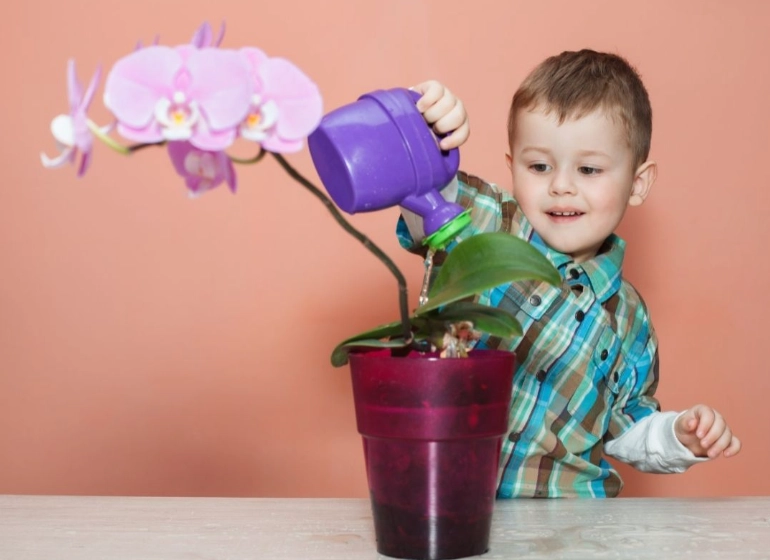
The truth is, that simple answer is the biggest trap in orchid care. Giving you a fixed schedule is like telling someone to drink eight glasses of water a day without considering if they're sitting in an office or running a marathon in the desert. It's a recipe for soggy, rotten roots or a parched, sad plant.
So, let's ditch the one-size-fits-all myth and dive into what really determines your orchid's thirst. This guide will give you the why behind the watering, so you can confidently answer the question for your specific plant, in your specific home.
Why "How Often Do You Water Orchids?" Has No Single Answer
Orchids aren't like your average pothos. Most popular houseplant orchids (like Phalaenopsis, Cattleyas, Dendrobiums) are epiphytes. In the wild, they don't grow in soil. They cling to tree branches in tropical forests, their roots exposed to air and quick-drying rain showers. Their roots are designed to soak up moisture rapidly and then breathe.
Sticking them in dense, water-retentive soil and watering on a strict schedule is a death sentence. Their roots suffocate and rot. I learned this the hard way with my first orchid—a gorgeous white moth orchid I lovingly drowned on a strict "weekly watering" plan. The blooms dropped, the leaves turned yellow and limp, and by the time I pulled it out of its pot, the roots were mush. Not a proud moment.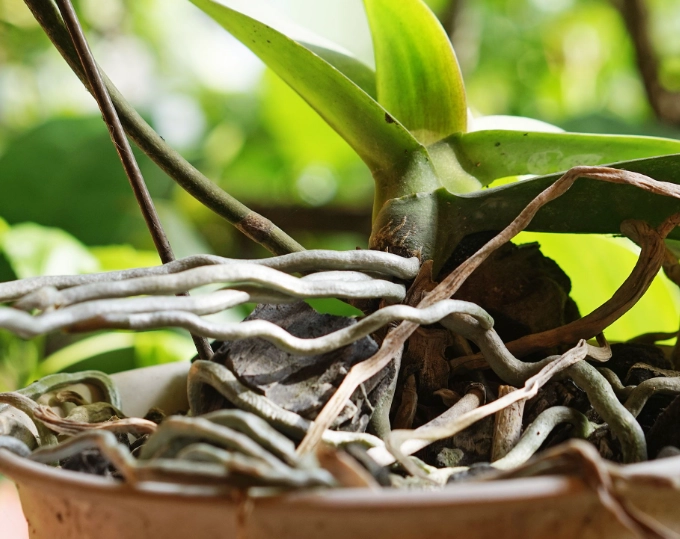
So, before we even talk about frequency, we need to understand what changes that frequency. Think of these as the dials on your orchid's personal thirst meter.
The Big Factors That Change Your Watering Frequency
Light and Temperature: A hot, sunny windowsill will dry out an orchid pot much faster than a cool, shady spot. Active growth in summer increases water uptake. Dormancy in winter slows it right down.
Humidity: This is a huge one. In dry, air-conditioned, or heated homes (humidity below 40%), water in the potting mix evaporates much faster. Your orchid might need water more often. In a humid greenhouse or bathroom, the mix stays moist longer. The American Orchid Society stresses humidity's critical role in orchid health, affecting how often you need to reach for the watering can.
Air Movement: Good airflow around the roots and leaves helps prevent disease and also speeds up evaporation from the potting media. A stuffy corner vs. a room with a gentle fan? Different worlds for watering needs.
The Pot and Potting Mix: This is arguably the most important factor you control. A small clay pot breathes and dries out incredibly fast. A large plastic pot holds moisture for ages. The potting media is the star here. Bark chips dry out quickly. Sphagnum moss holds water like a sponge. A mix of the two is a common middle ground.
Orchid Type and Size: A large, mature Cattleya with many pseudobulbs stores more water and needs less frequent watering than a small, young Phalaenopsis. A Dendrobium in active growth is thirstier than one resting after flowering.
How to Actually Know When to Water (Forget the Schedule)
Okay, so you can't just mark Tuesdays on your calendar. How do you know when it's time? You become a detective. Here are the best methods, from my personal favorite to other reliable tricks.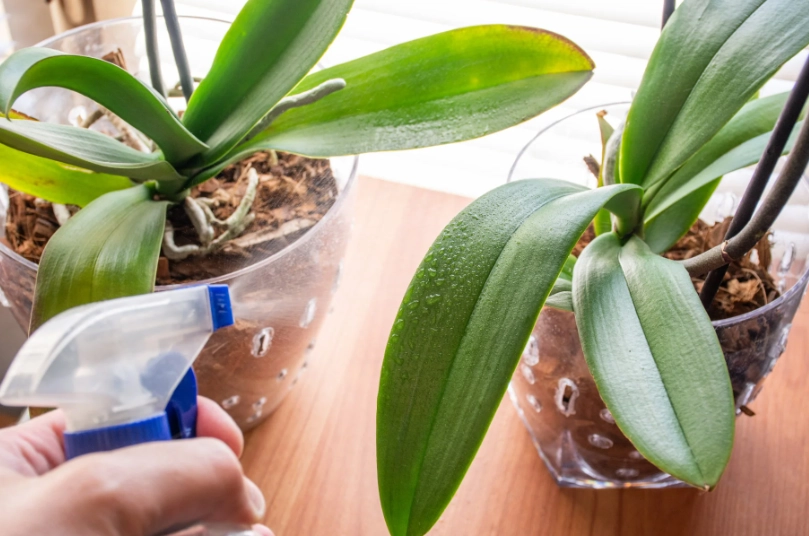
The "Heft" or Weight Method: This is my go-to, especially for clear plastic pots. Pick up your orchid right after you've watered it. Feel how heavy it is. Then, pick it up every couple of days. As the potting media dries, the pot becomes noticeably lighter. When it feels significantly light, it's time to water. It sounds simple, but it tunes you directly into the plant's moisture status. After a while, you just know.
The Root Check (For Clear Pots): If your orchid is in a clear plastic pot, use it! Look at the roots. Plump, silvery-green or white roots with green tips mean the plant is well-hydrated. When most of the roots in the pot turn a silvery-white color and the potting media looks dry, it's time to water. The green color returns minutes after watering. It's a fantastic visual cue.
The Skewer or Chopstick Trick: Take a wooden skewer or a chopstick and stick it deep into the potting media, near the center but avoiding major roots. Leave it there for 5-10 minutes. Pull it out. If it feels cool and damp, wait. If it comes out dry and warm, it's watering time. This is very effective for deeper pots where the surface can be dry but the center is still wet.
The Finger Test: The old standby. Stick your finger about an inch into the potting mix. For most orchids potted in bark, if it feels dry at that depth, you can water. For orchids in moss, you want the top inch to feel almost dry but with a hint of coolness remaining—don't let moss go bone dry completely, it becomes hydrophobic and repels water.
So, putting it all together—a Phalaenopsis in bark, in a clay pot, on a sunny south-facing windowsill in summer might need watering every 5-7 days. That same plant, in moss, in a plastic pot, in a north-facing bathroom in winter, might only need water every 10-14 days. See how the question "how often do you water orchid plants" starts to make sense now?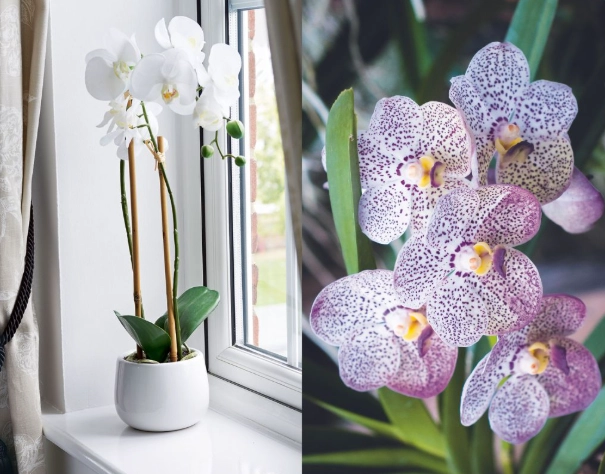
A Practical Guide: Watering Frequencies for Common Situations
To give you a practical starting point, here's a rough framework. Remember, this is a starting point. Always check using the methods above.
| Season & Environment | Typical Frequency (Bark Mix) | Typical Frequency (Moss Mix) | Key Things to Watch |
|---|---|---|---|
| Summer / Active Growth (Bright light, warm temps, good air flow) |
Every 5-7 days | Every 7-10 days | Plants are actively drinking. Roots dry quickly. Check weight often. |
| Winter / Dormant Period (Lower light, cooler temps, indoor heating) |
Every 10-14 days | Every 14-21 days | Growth slows. Evaporation is slower. Overwatering risk is highest. |
| High Humidity Environment (Bathroom, greenhouse, humidifier in use) |
Every 7-10 days | Every 10-14 days | Media stays moist longer. Focus on root color and skewer test. |
| Low Humidity Environment (Air-conditioned or heated room, desert climate) |
Every 4-6 days | Every 6-9 days | Media dries very fast. Clay pots will need water even more often. |
Watering Different Types of Orchids
While the principles are the same, different orchids have different rhythms. Here’s a quick rundown for popular varieties.
Phalaenopsis (Moth Orchids): The most common. They have no major water storage organs, so they prefer to never go completely bone dry for long periods. The goal is to let the mix approach dryness, then water thoroughly. They are relatively forgiving on the "slightly moist" side compared to others, but still hate soggy feet.
Cattleya & Oncidium Alliance: These orchids have prominent pseudobulbs (swollen stem bases) that store water. They prefer a distinct wet-dry cycle. Let the potting mix become completely dry throughout before watering again. The pseudobulbs should remain plump; slight wrinkling is a sign they're ready for a drink.
Dendrobium (Phalaenopsis-type & Nobile-type): Many Dendrobiums have canes for storage. During active growth, water regularly as the mix approaches dryness. After growth matures, many types need a cooler, drier rest period with significantly reduced watering (sometimes just misting) to initiate flowering. This is where a generic schedule fails spectacularly.
Paphiopedilum (Slipper Orchids): These are terrestrials (ground growers) and generally prefer more consistent moisture than epiphytic orchids. They don't like to dry out completely. Keep the mix evenly moist but never soggy. A finer, more moisture-retentive mix often works well for them.
How to Water Orchids Correctly (The Technique Matters)
Knowing when is half the battle. The how is just as crucial. The goal is to thoroughly wet the potting media and the roots, then allow all excess water to drain away completely.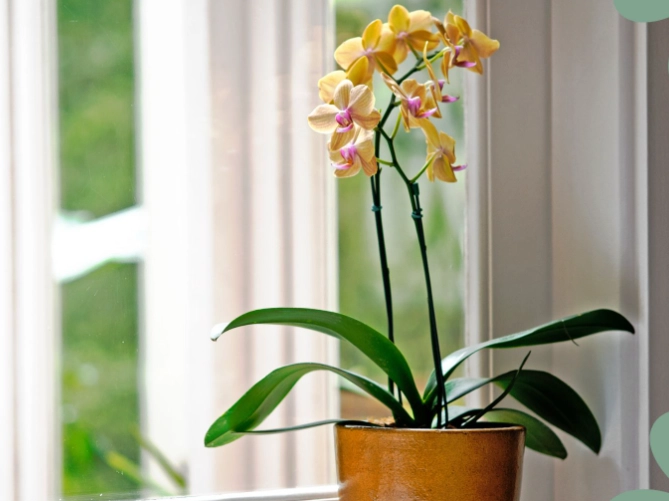
The Best Method: The Thorough Soak (Sink or Bucket Method). Take your orchid to the sink, bathtub, or a bucket. Using room temperature or lukewarm water (cold water can shock the roots), water the potting media thoroughly until water runs freely out of the drainage holes. Let the water run through for a good 15-30 seconds to ensure all the bark or moss is saturated. Then, let it drain completely. I mean completely. Leave it in the sink for 5-10 minutes until no more drips come out. This mimics a tropical downpour followed by a dry-off period.
Avoiding Crown Rot: For orchids like Phalaenopsis that have a central "crown" (where the leaves meet), try to avoid pouring water directly into it. If water does get in, use a paper towel to gently blot it dry. Stagnant water in the crown is the primary cause of crown rot, a fatal disease.
What About Ice Cubes? Ah, the infamous ice cube method. Some marketers swear by it (three ice cubes a week!). I'm not a fan. The theory is it provides a slow, measured melt. The problems are many: the cold can damage sensitive tropical roots, it rarely wets the entire root ball evenly, and it doesn't flush out salts that build up from fertilizer. The American Orchid Society has a clear position on this, advising against it. Stick with room-temperature water.
Special Cases and Troubleshooting
Sometimes, the standard advice needs tweaking. Here are some common scenarios.
You Just Repotted: After repotting, the roots may be damaged or stressed. Water the plant thoroughly after repotting to settle the media. Then, be a bit more conservative with the next watering. Let the plant dry out a bit more than usual to encourage new root growth and prevent rot in any damaged roots. High humidity helps a lot during this recovery phase.
Your Orchid is in Bloom: The goal is consistent, even moisture. Don't let a blooming orchid get severely dry, as the stress can cause buds to drop ("bud blast") or flowers to wilt prematurely. Don't overwater either. Just maintain your normal checking routine.
You're Going on Vacation: If you'll be gone for a week or less, a good deep watering right before you leave is usually fine for most orchids in a typical home environment. For longer trips, you need a plan. Moving them to a cooler, shadier spot can slow water use. Self-watering spikes or capillary matting can work for some setups, but test them before you leave! The best solution is often a plant-savvy friend, but give them VERY clear instructions ("Only water if the pot feels light and the roots are silvery!").
Signs You're Watering Too Often (Overwatering):
- Yellow, mushy leaves starting from the base.
- Black, squishy, or hollow roots (they should be firm).
- A foul smell from the potting media.
- The potting media stays soggy wet for many days.
- The plant feels loose in the pot (rotted roots can't hold it).
Signs You're Not Watering Enough (Underwatering):
- Wrinkled, leathery, or pleated leaves (Phalaenopsis).
- Shriveling pseudobulbs (Cattleya, Oncidium).
- Dry, brittle, papery roots that are tan or brown.
- Slow or stunted growth.
Your Top Questions on How Often to Water Orchids, Answered
Should I mist my orchids instead of watering?
Misting is not a substitute for watering. It raises humidity around the leaves briefly, which can be helpful in dry homes, but it does not provide enough moisture to the roots. In fact, frequent misting that leaves water sitting on leaves or in crowns can encourage fungal and bacterial diseases. Focus on proper root watering and use a humidity tray or humidifier if your air is dry.
What time of day is best to water orchids?
Morning is ideal. This gives any accidental water on the leaves or in the crown the entire day to evaporate under light and air movement, reducing the risk of rot. Watering at night leaves the plant damp and cool for hours, which pathogens love.
Can I use tap water to water my orchids?
It depends on your tap water. Orchids are sensitive to salts and chemicals. Softened water (high in sodium) is bad. Very hard water (high in calcium) can leave deposits on roots and leaves. Rainwater, distilled water, or reverse osmosis water is best. If you use tap water, let it sit out overnight to allow chlorine to dissipate, and periodically flush the pot thoroughly with pure water to leach out salt build-up.
How do I know if I'm watering my orchid enough?
Look for the positive signs: firm, green or silvery roots with active green tips; new root growth; new leaves that are firm and a good size; and ultimately, regular blooming. A happy orchid will tell you you've figured out how often you need to water your orchid.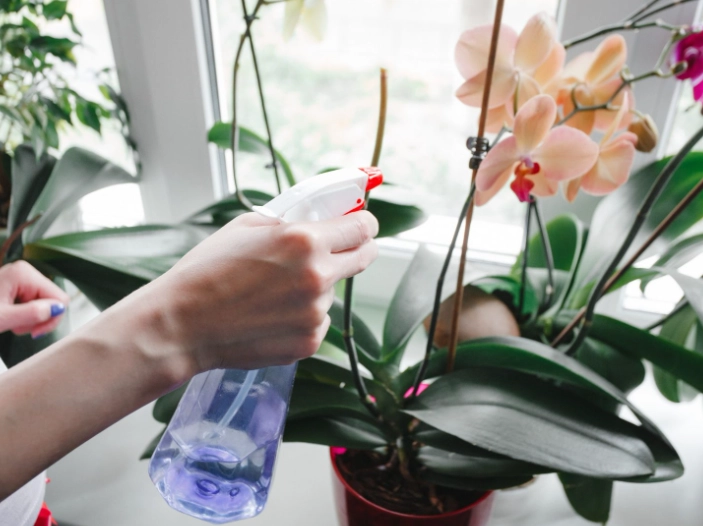
My orchid is planted in moss and always seems wet. What should I do?
Sphagnum moss is tricky. It holds a ton of water and compacts over time. If it's staying wet for more than 10-14 days, your orchid is at high risk for root rot. The solutions are: 1) Water much less frequently—only when the top feels dry and the pot is light. 2) At the next repotting, use a chunkier bark mix or a bark-moss blend to improve aeration. 3) Ensure the pot has excellent drainage and isn't sitting in a cache pot with water.
Putting It All Together: Your Action Plan
Forget memorizing a number of days. Here's your new process:
- Learn Your Plant: Identify your orchid type and note what potting mix it's in.
- Choose Your Check Method: Pick one primary method (I vote for the weight/"heft" method) and one backup (like the skewer test).
- Establish a Baseline: Water thoroughly. Note the date and the pot's weight/root color. Check every 2-3 days.
- Water Only When Needed: When your chosen signal says "dry," water thoroughly with room-temp water. Let it drain completely.
- Observe and Adjust: Watch how your plant responds. Adjust for seasonal changes in light, temperature, and humidity. Summer will be more frequent than winter.
The question of how often do you water orchid plants transforms from a search for a secret code into a simple, observational practice. It becomes a conversation with your plant, not a chore on a calendar.
It takes a little practice to get the feel for it, but once you do, it's incredibly satisfying. You stop worrying about killing your orchid and start enjoying its growth. You'll see new roots snaking out, new leaves unfolding, and in time, a new flower spike that makes all the learning worth it.
Good luck, and don't be afraid to let it get a little thirsty. Your orchid will probably thank you for it.


Comments