So you brought home a Monstera adansonii, that beautiful vine with leaves full of holes, often called the Swiss Cheese Vine. It looked perfect in the store. Now, a few weeks in, you might be staring at a yellow leaf, wondering if you're watering it too much or not enough. Maybe the new leaves are smaller, or the stems seem leggy. I've been there. I've killed a few in my early days, mostly by being too attentive. Let's cut through the noise and get your plant thriving, not just surviving.
What's Inside This Guide
- Getting to Know Your Monstera Adansonii
- The Perfect Environment: Light, Temperature, and Humidity
- Watering and Soil: Getting the Foundation Right
- How to Propagate Monstera Adansonii Successfully
- Troubleshooting Common Monstera Adansonii Problems
- Beyond the Basics: Pruning, Repotting, and Support
- Your Monstera Adansonii Questions Answered
Getting to Know Your Monstera Adansonii
First, let's clear up a common mix-up. This isn't the giant Monstera deliciosa (the Swiss Cheese Plant). The adansonii is its more delicate, vining cousin. The holes (called fenestrations) are inside the leaf, not at the edges. It's a tropical climber from Central and South America, found in rainforests where it scrambles up trees. That tells us a lot: it likes bright, dappled light, something to climb, and humidity. Its name comes from the French botanist Michel Adanson.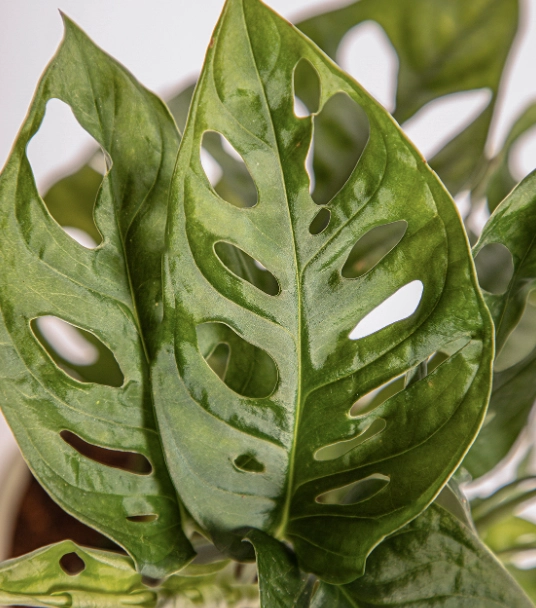
One thing most guides miss? The size of the mature leaf is directly tied to support. A trailing adansonii will have smaller leaves spaced farther apart. Give it a moss pole to climb, and it will reward you with larger, more fenestrated leaves. It's not just aesthetics; it's what the plant wants to do.
The Perfect Environment: Light, Temperature, and Humidity
This is where most failures happen. People either fry it or starve it of light.
Light: The Non-Negotiable
Bright, indirect light is the sweet spot. Think near an east-facing window, or a few feet back from a south or west window. A sheer curtain is your best friend. Direct sun, especially afternoon sun, will scorch the leaves, leaving crispy brown patches. No guesswork here.
Low light? The plant won't die immediately, but it will protest. Growth slows to a crawl. The stems stretch out awkwardly (etiolation) searching for light, and the new leaves will be small, with few or no holes. I had one in a "bright-ish" corner that just looked sad and leggy for a year until I moved it.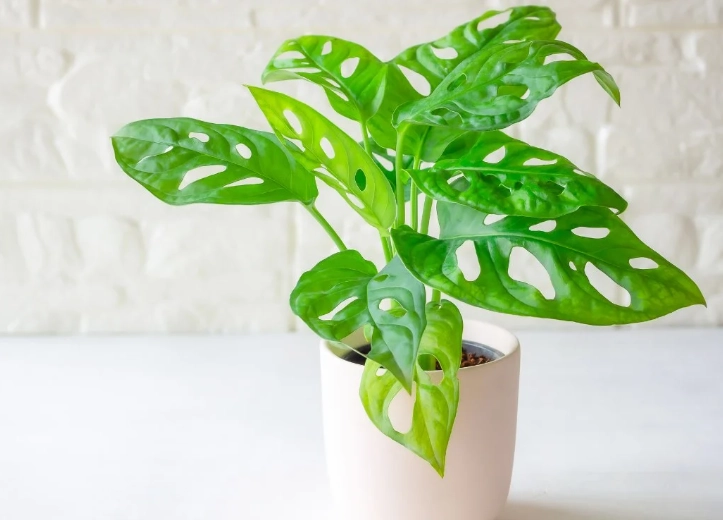
Pro Tip: Rotate your plant a quarter turn every time you water. This prevents it from growing lopsided towards the light source, ensuring even, full growth.
Temperature & Humidity
Keep it in a room between 65°F and 80°F (18°C - 27°C). Avoid cold drafts from windows or hot blasts from heaters. As for humidity, above 50% is ideal. Brown, crispy leaf tips are the classic sign of air that's too dry.
You don't need a fancy humidifier (though they're great). Grouping plants together creates a microclimate. A pebble tray with water under the pot works. Or, give it a regular lukewarm shower—it cleans the leaves and boosts humidity. Just let it drip dry.
Watering and Soil: Getting the Foundation Right
Overwatering is the #1 killer. Underwatering is fixable; root rot often is not.
The Finger Test Method
Forget the calendar. Stick your finger about 2 inches into the soil. If it feels dry, water thoroughly. If it's still damp, wait. In a typical home setting, this might be every 1-2 weeks in summer and every 2-3 weeks in winter. The pot should have drainage holes. Always.
Water until it runs freely out the bottom. Let the pot drain completely—never let it sit in a saucer of water. That's a one-way ticket to root rot city.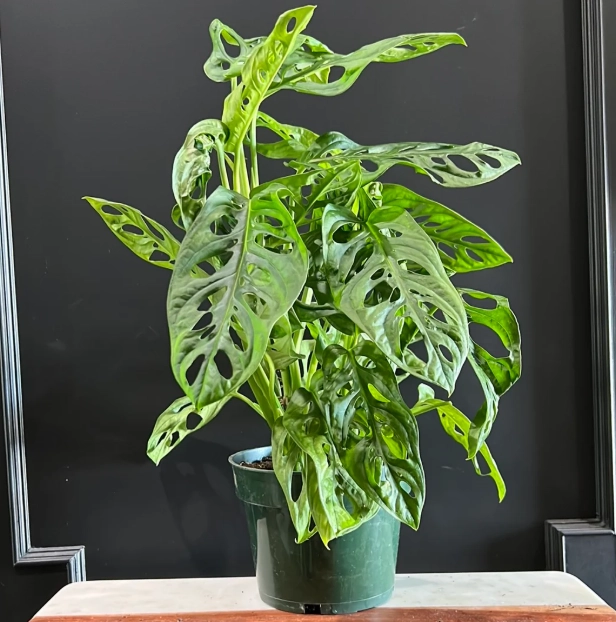
Soil Mix: It's All About Drainage
Standard potting soil holds too much moisture. Your Monstera adansonii needs a chunky, airy mix. Here's a simple recipe I've used for years:
| Ingredient | Purpose | Approximate Ratio |
|---|---|---|
| High-Quality Potting Mix | Base, provides nutrients and structure. | 50% |
| Orchid Bark or Coco Chips | Creates air pockets, mimics forest floor debris. | 30% |
| Perlite or Pumice | Improves drainage and aeration dramatically. | 20% |
| (Optional) Worm Castings | Adds a slow-release nutrient boost. | A handful |
This mix ensures water flows through quickly, roots get oxygen, and the medium doesn't stay soggy. Aroid mix from specialty stores works great too.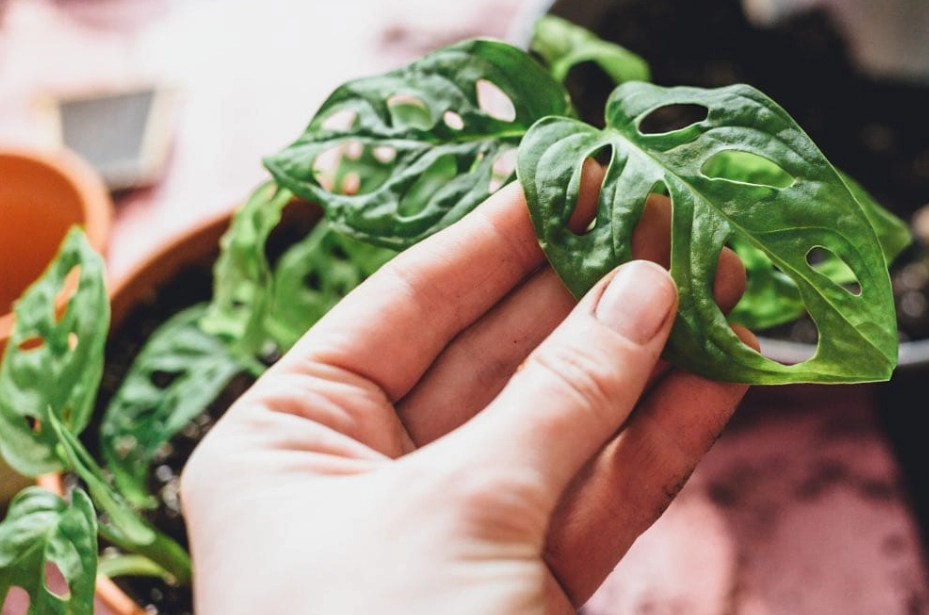
How to Propagate Monstera Adansonii Successfully
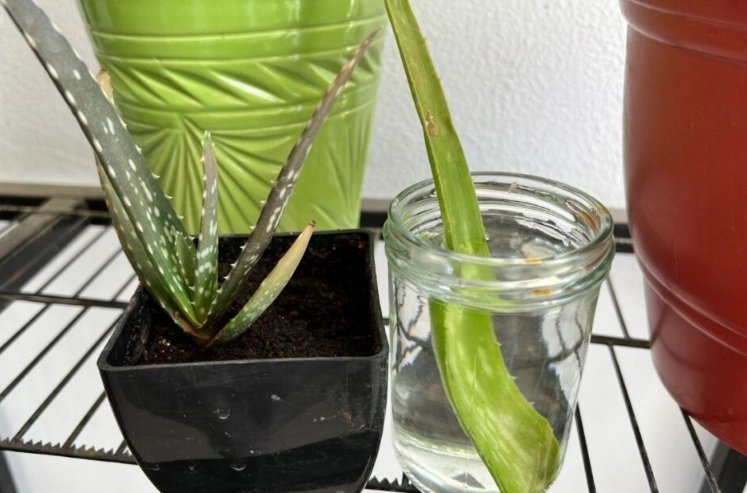
Propagating this plant is incredibly rewarding and easy. The best method is water propagation. It's visual and has a high success rate.
- Find a Node: Look for a healthy stem with at least one leaf and one node. The node is that brownish, bumpy ring on the stem. Roots only grow from nodes.
- Make the Cut: Using clean scissors or pruners, cut about a quarter-inch below the node.
- Place in Water: Put the cutting in a glass of room-temperature water, ensuring the node is submerged. The leaf should be above water.
- Wait and Watch: Place it in bright, indirect light. Change the water every 5-7 days to keep it fresh. In 2-4 weeks, you should see white roots sprouting.
- Potting Up: Once the roots are a few inches long, pot the cutting in the chunky soil mix described above. Keep the soil slightly more moist than usual for the first week or two as it transitions.
The Big Mistake: Putting a fresh cutting with tiny water roots into a huge pot. The excess soil stays wet too long and rots the fragile new roots. Start with a small pot (4-inch is perfect) and only size up when the roots are crowded.
Troubleshooting Common Monstera Adansonii Problems
Let's decode what your plant is trying to tell you.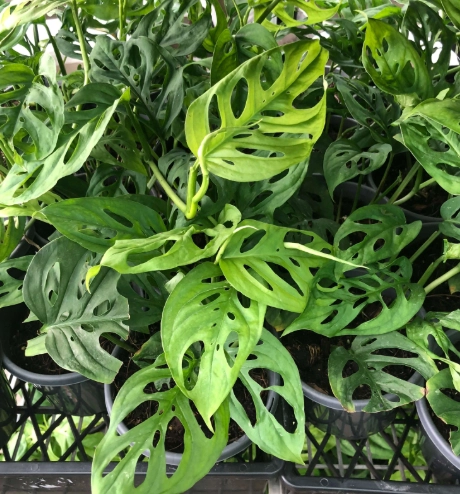
- Yellow Leaves: Usually overwatering or poor drainage. Check the soil. If it's soggy, hold off on water and consider repotting if root rot is suspected (mushy, black roots). A single old yellow leaf at the bottom is normal senescence.
- Brown, Crispy Leaf Edges/Tips: Low humidity or underwatering. Increase humidity and check your watering frequency with the finger test.
- Small Leaves with No Holes: Not enough light. Move it to a brighter spot.
- Leggy Growth with Large Gaps between Leaves: The plant is stretching for light. Provide more bright, indirect light.
- Brown Spots with Yellow Halos on Leaves: Could be a fungal issue, often from water sitting on leaves combined with poor air circulation. Avoid misting the leaves directly, improve airflow, and water at the soil level.
Pests like spider mites and mealybugs can happen. Wipe leaves regularly with a damp cloth to deter them. If you see pests, isolate the plant and treat it with insecticidal soap or neem oil.
Beyond the Basics: Pruning, Repotting, and Support
Pruning encourages bushier growth. Don't be afraid to cut back a long, leafless vine. Always cut just above a node. You can propagate the cuttings!
Repot every 1-2 years in spring or summer, or when roots circle the bottom of the pot or grow out the drainage holes. Only go up one pot size (1-2 inches wider).
Give it a moss pole or a piece of wood to climb. As it attaches its aerial roots to the support, the leaves will get bigger and more spectacular. It's the secret to that "jungle look" you see in photos.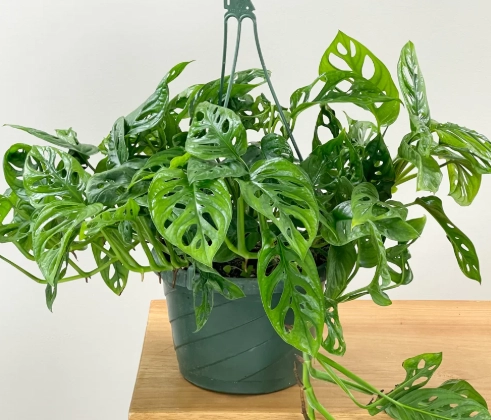
Your Monstera Adansonii Questions Answered
Why are the new leaves on my Monstera adansonii coming out brown and crispy?
This is almost always a humidity issue. The tender new leaf unfurls in dry air, and the delicate cells can't develop properly, leading to crisping before it even hardens off. Boosting humidity around the plant as a new leaf is emerging is crucial. A humidifier is most effective, but a pebble tray or moving it to a naturally humid room like a bathroom (with enough light) can help.
Can I grow Monstera adansonii in water forever?
You can keep a cutting in water for a long time, even years, but it won't thrive or grow to its full potential. It will survive, but growth is slower, and leaves tend to stay smaller. The plant also misses out on micronutrients found in soil. For long-term health, potting it in a proper chunky soil mix is far superior. Water culture is a great propagation step, not a permanent home.
My plant looks healthy but hasn't put out a new leaf in months. What's wrong?
Stalled growth in a healthy-looking plant points to two main culprits: insufficient light or it's root-bound. Check the light first—is it truly in a bright spot? If light is good, gently slide the plant out of its pot. If you see a dense web of roots with little soil visible, it's time to repot into a slightly larger container with fresh soil. Also, remember growth naturally slows in fall and winter.
Are Monstera adansonii toxic to pets?
Yes. Like other plants in the Araceae family, Monstera adansonii contains calcium oxalate crystals, which are irritating if ingested. According to the ASPCA, it can cause oral irritation, pain, swelling, vomiting, and difficulty swallowing in cats and dogs. It's best to keep this plant out of reach of curious pets.
What's the difference between Monstera adansonii and Monstera obliqua?
This is a huge point of confusion. The true Monstera obliqua is extremely rare in cultivation, with paper-thin leaves that are more hole than leaf. What's almost always sold as "obliqua" is actually a form of Monstera adansonii with larger, more elongated holes. The true obliqua is a collector's item with specific, demanding care. If you bought your plant at a standard nursery or online store for a reasonable price, you almost certainly have an adansonii, which is a much hardier and easier plant to care for.



Comments