Let's talk about making more snake plants. It's one of the most satisfying things you can do as a plant parent. You take a piece of a plant you already love, and with a bit of patience, you get a whole new one for free. The mother-in-law's tongue, or Sansevieria, is famously tough, and its propagation is straightforward—but there are nuances most guides gloss over that can mean the difference between success and a pot of mush.
I've been growing and propagating snake plants for over a decade, and I've made every mistake in the book so you don't have to. The biggest one? Assuming all propagation methods are created equal. They're not. Your choice depends entirely on what you want the final plant to look like, a detail most beginners miss.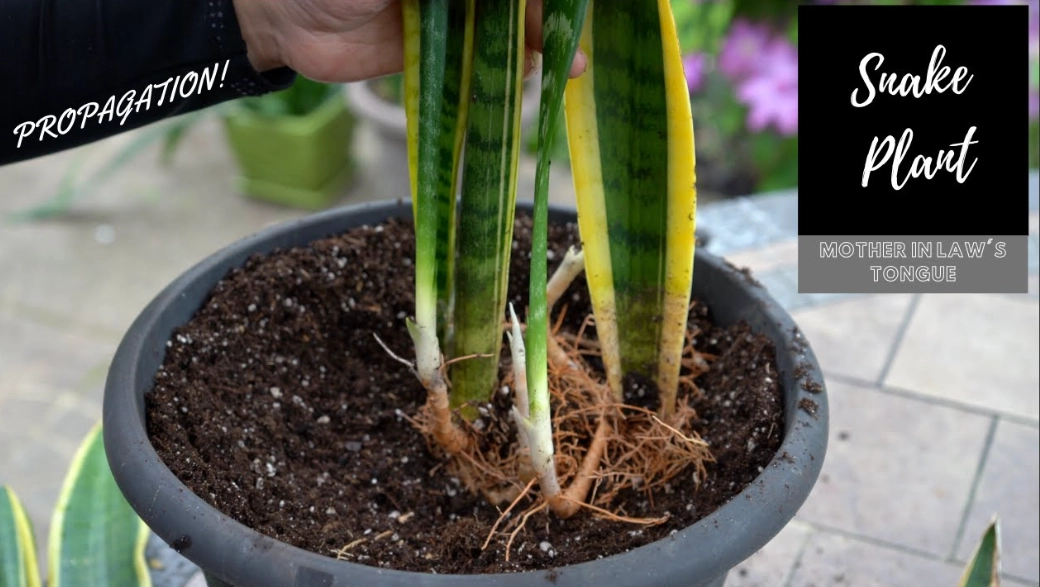
What's Inside This Guide?
- Choosing Your Propagation Method: A Quick Comparison
- Step 1: The Right Cut (This is Where Most People Go Wrong)
- How to Propagate Snake Plants in Water
- How to Propagate Snake Plants Directly in Soil
- How to Propagate by Division (The Best Method for Varieties)
- Critical Aftercare: What to Do Once Roots Appear
- Troubleshooting Your Propagation Project
Choosing Your Propagation Method: A Quick Comparison
Before you grab the scissors, stop. Your goal dictates your method. Want a fun project to watch roots grow? Go for water propagation. Need a new plant quickly and reliably? Division is your friend. But here's the critical, rarely mentioned point: if you have a variegated snake plant (like the popular 'Laurentii' with yellow edges), propagating from a leaf cutting will almost always result in a plain green plant. The variegation is tied to the plant's rhizome system, not the leaf itself. I learned this the hard way after eagerly chopping up a beautiful 'Moonshine' only to get a bunch of solid green pups.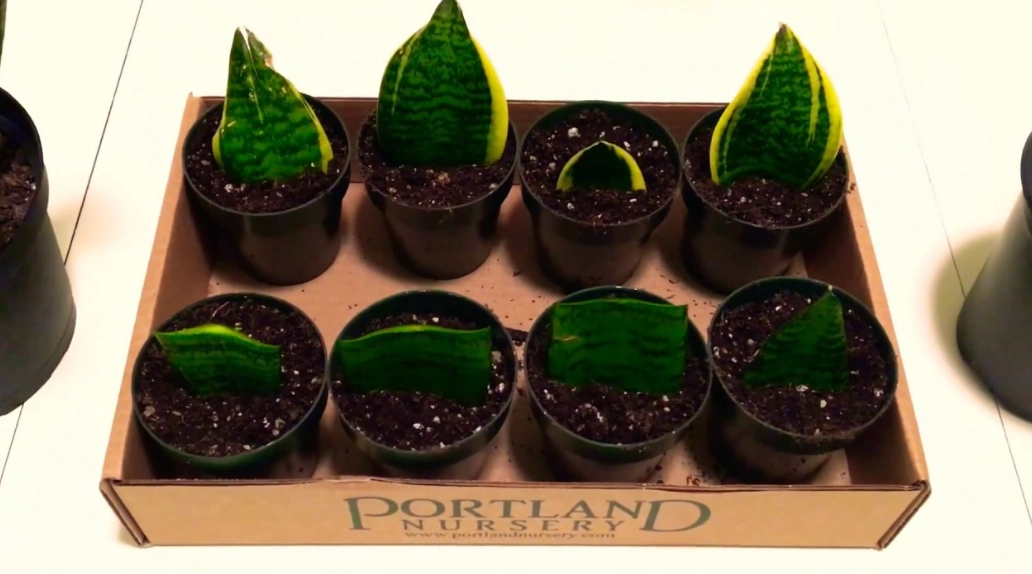
| Method | Best For | Time to Roots | Time to New Shoot | Key Advantage | Major Drawback |
|---|---|---|---|---|---|
| Water Propagation | Beginners, visual learners, single leaf cuttings. | 3-6 weeks | 2-4 months | You can see the progress; less risk of overwatering initially. | Transition to soil can shock the plant; slower overall growth. |
| Soil Propagation | Those who want to "set and forget," larger cuttings. | 4-8 weeks | 2-5 months | No transplant shock; mimics natural conditions. | You can't see if it's working, leading to overwatering. |
| Division | Mature, crowded plants; preserving variegation. | Immediate (has roots) | Immediate (has shoots) | Fastest results; guarantees identical plant. | Requires a mature plant; more invasive. |
Step 1: The Right Cut (This is Where Most People Go Wrong)
You need a clean, healthy leaf. Don't pick a sad, wrinkled one hoping to revive it—propagation is about energy, and a weak leaf has none to spare. Choose an outer, mature leaf that's firm and free of blemishes.
Now, the tools. A dirty knife or scissors is the fastest way to introduce rot. Wipe your blade with rubbing alcohol. It takes ten seconds and saves weeks of heartache.
Make your cut at the base, as close to the soil line as possible. You can cut the leaf again into smaller sections, each 3-6 inches long. This is where another subtle trick comes in: remember which end was up. Roots will only form from the end that was closest to the soil. If you plant it upside down, it will just rot. I mark the top end with a tiny dot from a permanent marker.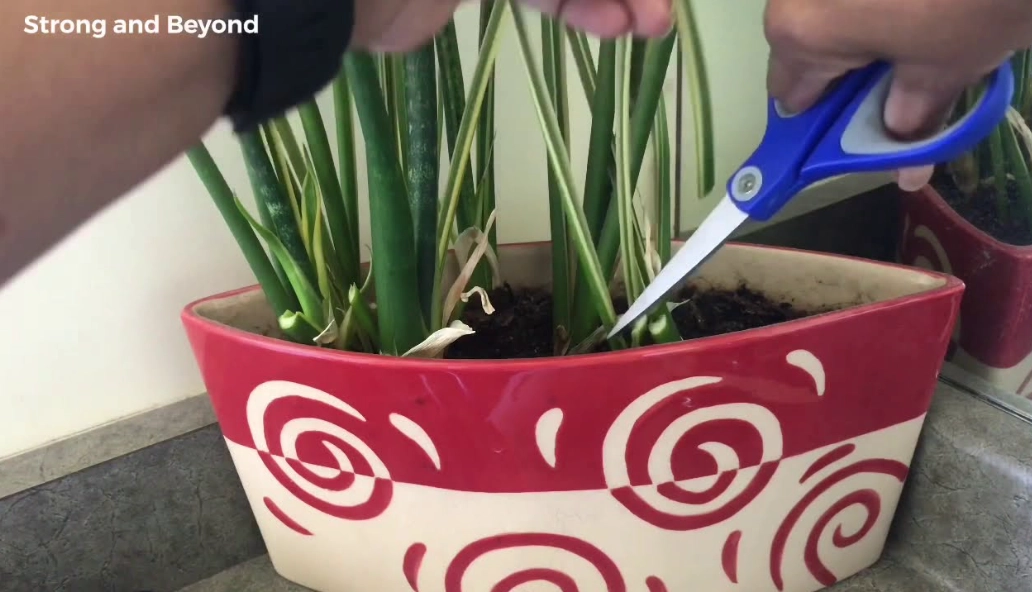
How to Propagate Snake Plants in Water
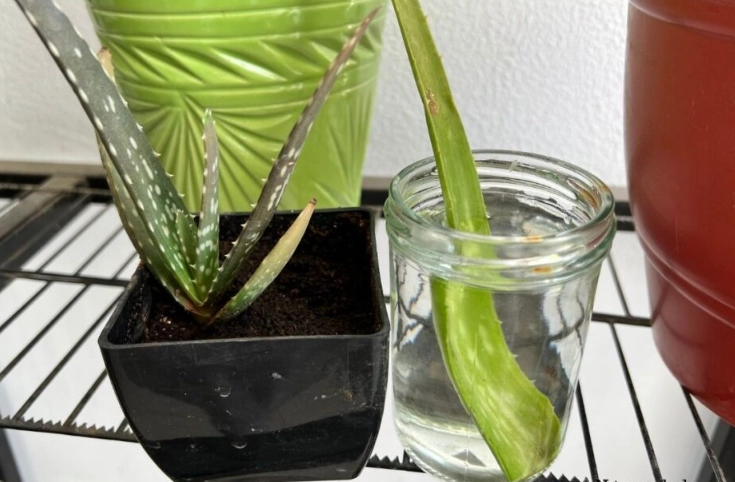
This is the crowd-pleaser. Get a clear glass or jar—a narrow neck helps keep the leaf upright. Use room-temperature water. Tap water is fine, but if it's heavily chlorinated, let it sit out for 24 hours first.
Place the callused cutting in the water, ensuring only the bottom inch or so is submerged. No leaves should be underwater. Put it in bright, indirect light. A north or east-facing windowsill is perfect.
Now, the waiting game. Change the water completely once a week. This prevents bacterial growth and replenishes oxygen. You'll see little white nubs (root initials) appear in a few weeks, followed by proper, stringy roots.
When to Pot Up from Water
Most guides say "when roots are a few inches long." I'm more specific. Wait until the roots have secondary roots—little offshoots from the main root. This means they're robust enough to handle soil. Gently pot them in a well-draining mix (a cactus/succulent blend is ideal). Water it once to settle the soil, then treat it like a mature snake plant: ignore it. Resist the urge to keep the soil soggy because it's used to water.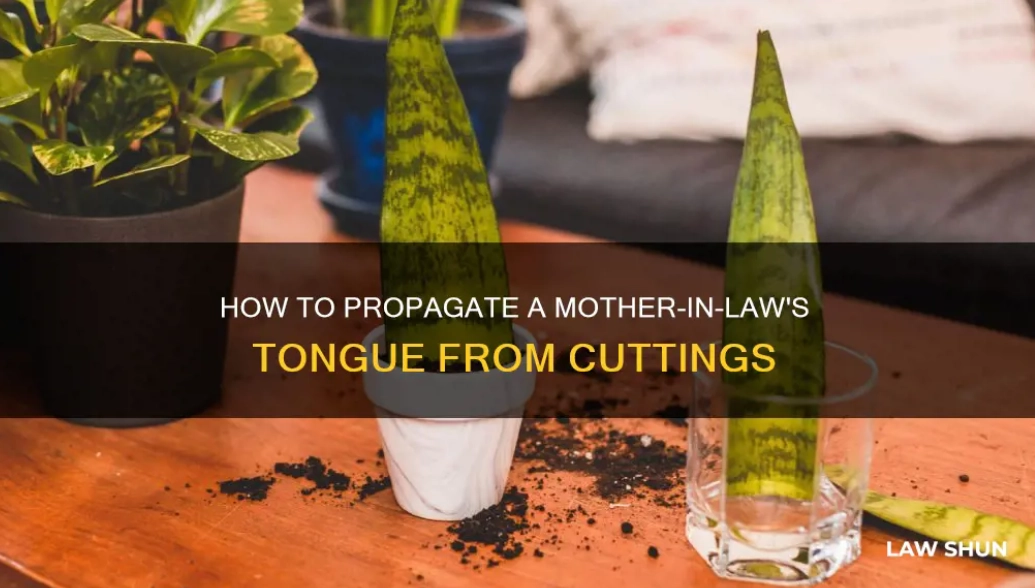
How to Propagate Snake Plants Directly in Soil
This method requires more faith but less fuss later. The key is the soil mix. Regular potting soil holds too much moisture. Make your own lazy mix: two parts potting soil, one part perlite or coarse sand. It should feel gritty.
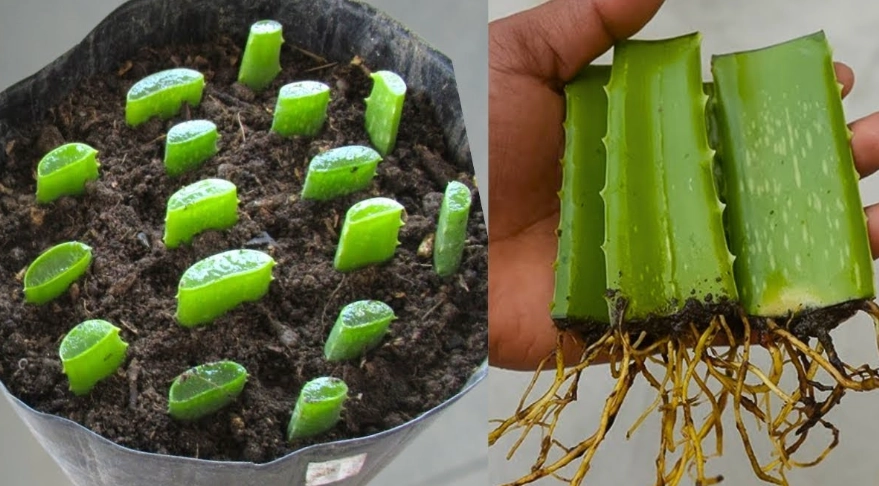
Take your callused cutting and plant it about an inch deep in a small pot. You can plant several in one pot. Water it lightly just to dampen the soil. Then, do not water it again until you feel resistance when you give the leaf a very gentle tug—this indicates roots are forming. This could take over a month. The most common killer here is love—overwatering a cutting with no roots to drink it.
How to Propagate by Division (The Best Method for Varieties)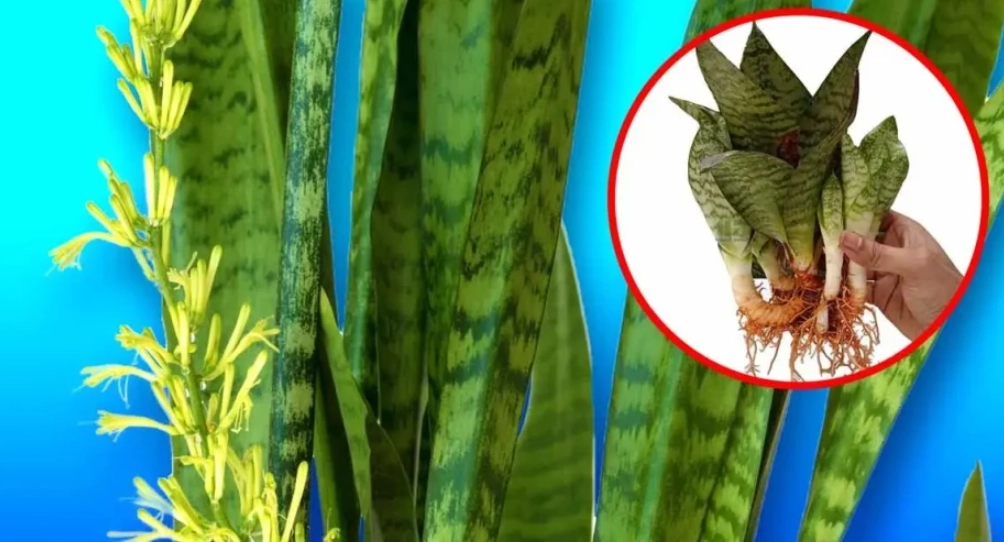
This is my go-to method for any snake plant that's outgrown its pot or one I want an exact copy of. You need a plant that has multiple "pups" or shoots coming up from the soil.
Gently take the whole plant out of its pot. You'll see a tangled mass of roots and thick, horizontal stems called rhizomes. The pups are attached to these rhizomes. Your job is to find a natural separation point. Sometimes you can gently pull them apart with your hands. More often, you'll need to use a clean, sharp knife to cut through the rhizome, ensuring each new section has both roots and at least one leafy shoot.
Pot each division into its own container with fresh, well-draining soil. Water it once and then care for it as normal. It might look droopy for a week or two as it adjusts, but it recovers much faster than a leaf cutting.
Critical Aftercare: What to Do Once Roots Appear
New roots are exciting, but the plant is still vulnerable. Keep it in bright, indirect light. Direct sun can scorch it. Hold off on fertilizer for at least 3-4 months. Those new roots are tender and can be burned by salts in fertilizer.
The biggest shift is in watering. A rooted cutting is not a mature plant. Water it only when the soil is completely dry, and even then, water sparingly. Think of it as training the roots to seek out moisture, which makes them stronger.
Troubleshooting Your Propagation Project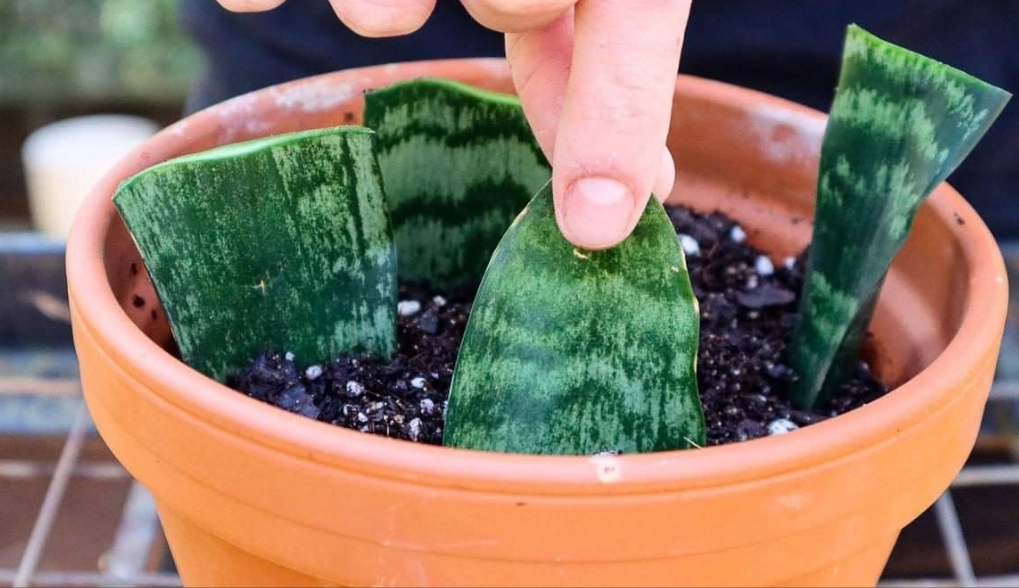
Things don't always go to plan. Here’s what to look for.
The cutting is mushy and brown at the base. It's rotting. This is almost always due to insufficient callusing or being planted in constantly wet soil. Cut off the rotten part above the mush, let it callus again, and restart. Make sure your soil is grittier.
No roots after 2 months. Be patient. Snake plants operate on their own schedule, especially in cooler or lower-light conditions. Ensure it's getting enough light and warmth. If you're doing water propagation, make sure you're changing the water weekly.
The leaf is wrinkling or puckering. In soil, this is normal as it uses stored water. In water, it could mean the cutting isn't taking up water—check that the submerged part isn't slimy. If it is, recut above the slime, recallus, and use a cleaner vessel.
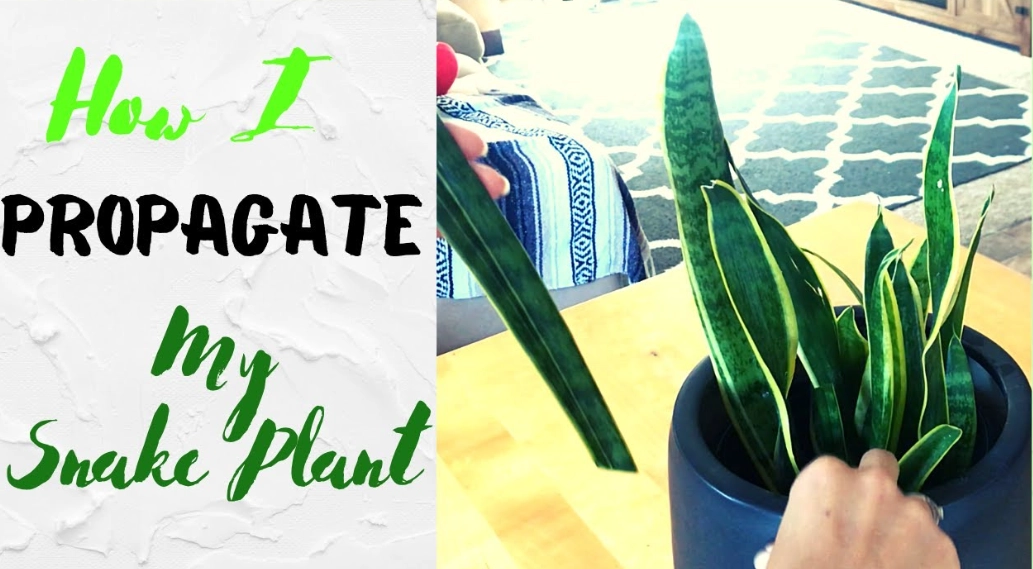 I divided my snake plant, and now some of the leaves are floppy. Did I kill it?
Comments