Quick Navigation
- Getting to Know Your Rubber Plant (Ficus Elastica)
- The Absolute Core of Rubber Plant Care: Light, Water, Soil
- Beyond the Basics: Humidity, Food, and Cleaning
- Troubleshooting: What's Wrong With My Rubber Plant?
- Pruning and Shaping: Making It Bushy, Not Spindly
- Propagation: Making More Rubber Plant Babies
- Your Rubber Plant Care Questions, Answered
- The Seasonal Rhythm of Care
So you brought home a rubber plant (Ficus elastica). It looked so glossy and architectural in the store, full of promise. Now it's sitting in your living room, and you're staring at it, thinking, "Now what?" Don't worry, we've all been there. I've killed one (okay, maybe two) before I figured it out. Learning how to care for a rubber plant isn't about following a rigid set of rules—it's about understanding what it's trying to tell you.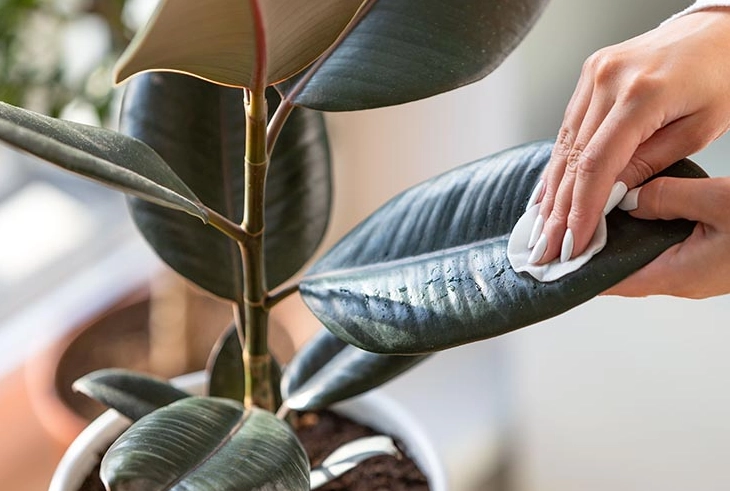
This isn't a fussy diva of a plant, but it's not a cactus you can ignore for months either. It's that reliable friend who thrives on a little consistent attention. This guide is going to walk you through everything, from the basic light and water needs to the weird stuff like why it's dropping leaves or refusing to grow. We'll skip the fluff and get straight to what actually works.
Getting to Know Your Rubber Plant (Ficus Elastica)
First things first, knowing what you're dealing with helps a ton. The rubber plant is a member of the fig family (Ficus), and it's native to parts of India and Southeast Asia. In the wild, these things can become massive trees. The "rubber" part of the name comes from the milky white latex sap it produces when cut—this sap can be irritating to skin and is toxic if ingested, so keep it away from pets and kids. The ASPCA lists it as toxic to cats and dogs, so that's a serious point to remember.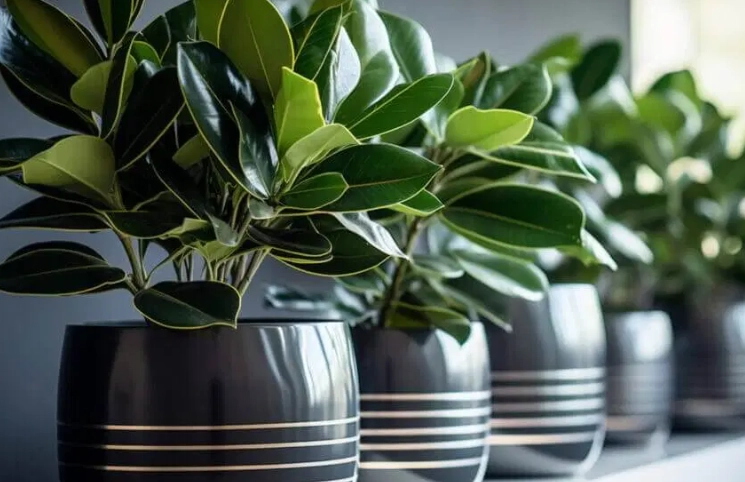
You'll probably see a few varieties. There's the classic dark green 'Decora', the stunning burgundy 'Burgundy', the variegated 'Tineke' with cream and green, and the 'Ruby' with pinkish edges. Their care is essentially the same, though the variegated ones often need a touch more light to keep their colors bright.
Why are they so popular? They're phenomenal air purifiers (a NASA Clean Air Study favorite), they're relatively resilient, and let's be honest, they just look cool. A mature, well-cared-for rubber plant is a statement piece.
The Absolute Core of Rubber Plant Care: Light, Water, Soil
If you remember nothing else, get these three things right. Master this triangle, and 90% of your problems vanish.
Light: It's All About Bright, Indirect Sunshine
This is the number one make-or-break factor. People hear "low light tolerant" and stick it in a dark corner. Big mistake. "Tolerant" means it won't die immediately, but it will become a sad, leggy, leaf-dropping mess.
Your rubber plant craves bright, indirect light. Think of the light in a room where you can easily read a book without turning on a lamp, but where the sun's rays never directly hit the leaves. An east-facing window is perfect. A south or west window is great too, but you might need to pull it back a few feet or use a sheer curtain to diffuse the harsh afternoon sun. Direct sun, especially through glass, can scorch those beautiful leaves, leaving ugly brown patches.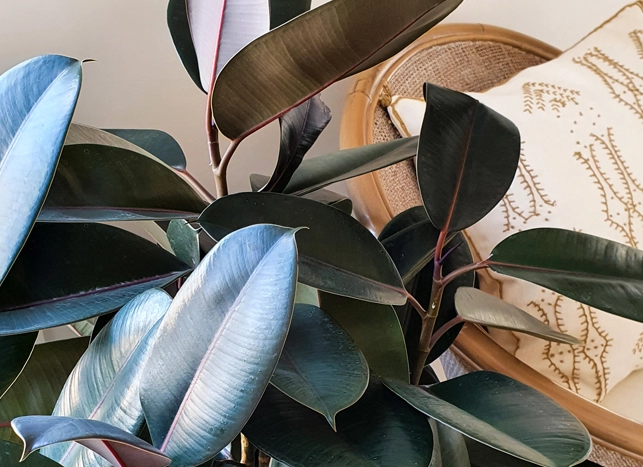
What if your place is dim? A grow light is your best friend. A simple LED bulb in a desk lamp for 6-8 hours a day can work wonders. I've had to do this in a north-facing apartment, and it kept my 'Tineke' happily variegated.
Watering: The Art of the Soak and Dry
Overwatering is the #1 killer of houseplants, period. Rubber plants store water in their thick stems and leaves, so they can handle a bit of drought. They cannot handle constantly wet roots.
Forget watering on a schedule ("every Tuesday"). Your plant doesn't care what day it is. It cares about how dry the soil is.
The Finger Test is Gospel: Stick your index finger into the soil, up to about the second knuckle (2 inches deep). If the soil feels dry at that depth, it's time to water. If it feels even slightly damp or cool, wait. Just wait.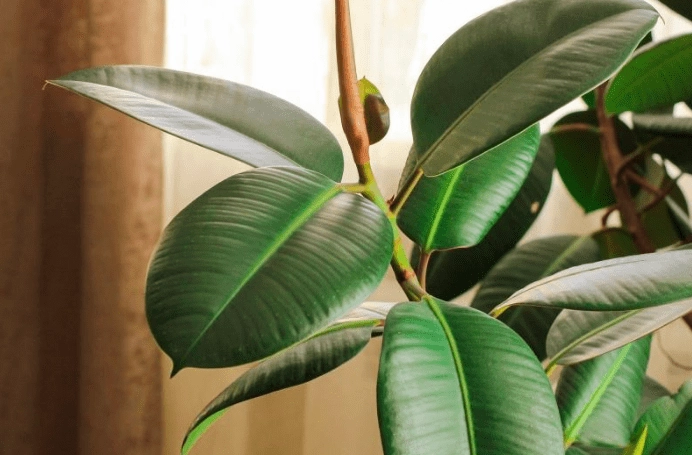
When you do water, do it thoroughly. Take the plant to the sink or use a watering can without a rose attachment. Pour water evenly over the soil until you see it freely running out of the drainage holes at the bottom. Let it drain completely before putting it back in its decorative pot. Never let it sit in a saucer of water—that's a one-way ticket to root rot.
How often? In the warm, bright growing season (spring and summer), you might water every 1-2 weeks. In the dormant, low-light winter, it could be every 3-4 weeks or even longer. Your plant and your home's conditions will tell you.
Soil and Potting: Giving the Roots Room to Breathe
This plant needs fast-draining soil. A standard, dense potting mix holds too much moisture. You need to aerate it.
My go-to mix: 2 parts regular all-purpose potting soil, 1 part perlite, and 1 part orchid bark (or coarse horticultural sand). The perlite and bark create air pockets, preventing compaction and allowing water to flow through quickly. The Royal Horticultural Society recommends a well-drained, soil-based potting mix, which aligns with this approach.
Pot choice matters too. Always use a pot with drainage holes. Terracotta pots are excellent for beginners because they're porous and help wick away extra moisture from the soil. Plastic or ceramic pots retain moisture longer, so you need to be even more careful with your watering.
Repotting? Only when it's root-bound. You'll know it's time if you see roots circling the bottom of the pot or growing out of the drainage holes, or if the plant dries out incredibly fast. When you do repot, only go up one pot size (about 2 inches wider in diameter). Too big a pot means too much wet soil surrounding a small rootball, which again leads to rot.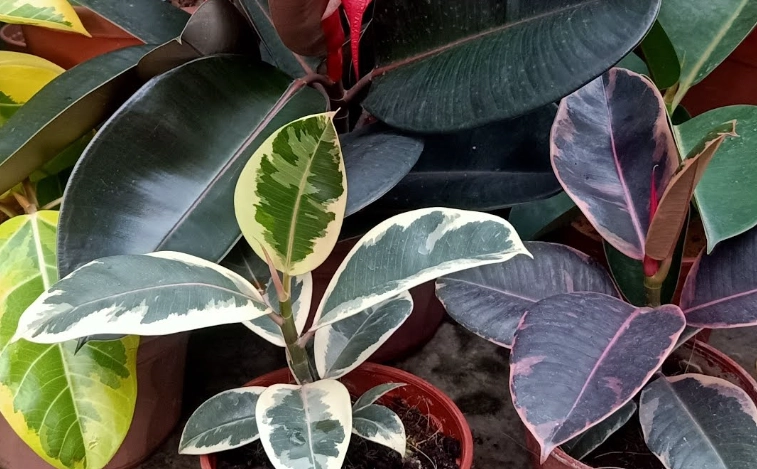
Beyond the Basics: Humidity, Food, and Cleaning
Got the big three down? Great. These next factors are what take your plant from "alive" to "absolutely thriving."
Humidity: Nice, But Not a Dealbreaker
Rubber plants appreciate moderate to high humidity (they are tropical, after all), but they are surprisingly adaptable to average home humidity (around 30-50%). You might notice slower growth or the occasional crispy leaf tip in very dry air (like in winter with heating on).
If you want to pamper it:
- Group it with other plants. They create their own little humid microclimate.
- Use a pebble tray. Fill a shallow tray with pebbles and water, and set the pot on top (not in the water).
- Occasional misting can help, but don't rely on it as the sole humidity source. It's a temporary boost.
- A humidifier is the gold standard, especially if you have a lot of tropical plants.
Fertilizing: A Light Snack, Not a Feast
During the active growing season (spring and summer), feed your rubber plant every 4-6 weeks with a balanced, water-soluble fertilizer. Look for something with an equal NPK ratio like 10-10-10 or 20-20-20, and always dilute it to half the strength recommended on the bottle. More is not better—it can lead to fertilizer burn on the roots.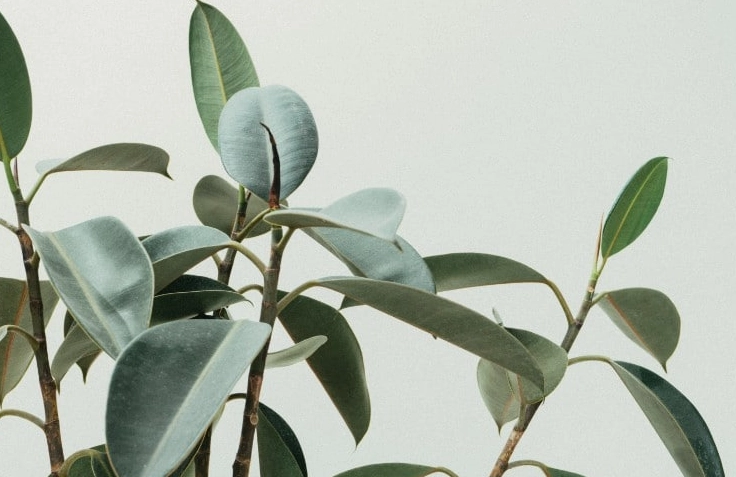
Stop fertilizing completely in the fall and winter. The plant isn't growing much, and the unused salts will just build up in the soil.
Here’s a quick comparison of fertilizer types I’ve tried:
| Type | Pros | Cons | My Take |
|---|---|---|---|
| Liquid Fertilizer (e.g., Dyna-Gro) | Easy to control dose, quickly available to plant. | Need to remember to apply monthly. | My default choice. Reliable and simple. |
| Slow-Release Pellets (e.g., Osmocote) | "Set and forget" for 3-6 months. | Harder to stop feeding in winter, can be inconsistent. | Great for the chronically forgetful. I use them in my larger, hard-to-move pots. |
| Organic Options (e.g., worm castings) | Improves soil health, very gentle. | Nutrient levels less precise, slower effect. | I like to top-dress with worm castings in spring for a health boost alongside liquid feed. |
Cleaning Those Glorious Leaves
Dust is the enemy of photosynthesis. Those big, glossy leaves are dust magnets. Every month or so, give them a gentle wipe with a soft, damp cloth. You can add a drop of mild dish soap to the water. Not only does this let the plant breathe and absorb more light, but it also keeps it looking spectacular. It's oddly satisfying, too.
Avoid leaf-shining products. They can clog the pores (stomata) on the leaves.
Troubleshooting: What's Wrong With My Rubber Plant?
Okay, let's diagnose some common issues. This is where learning how to care for a rubber plant gets real.
Yellow leaves falling off: Almost certainly overwatering. Check the soil. Is it soggy? Does the pot feel heavy? Let it dry out completely. In severe cases, you may need to check for root rot (black, mushy roots) and repot into fresh, dry soil.
Dry, brown leaf edges or tips: Usually a combination of low humidity and underwatering. Increase humidity if possible, and check your watering frequency. Could also be a buildup of fertilizer salts—try flushing the soil with plain water next time you water.
Dropping lower leaves: A few lower leaves turning yellow and dropping as the plant grows taller is normal. It's just the plant focusing energy on new top growth. A sudden, mass leaf drop is a sign of shock—often from a drastic change in environment (like moving it from the store to your home, or a big temperature draft).
Leggy growth with lots of space between leaves: This is etiolation—the plant is stretching desperately for more light. Move it to a brighter spot.
No new growth: Likely not enough light, or it's dormant (winter). Could also be starving—are you fertilizing in the growing season?
Pests: Keep an eye out for mealybugs (look like tiny bits of cotton), spider mites (fine webbing, especially under leaves), and scale (brown, bumpy spots). Isolate the plant immediately if you see pests. Wipe leaves with soapy water or use insecticidal soap or neem oil. Persistence is key.
Pruning and Shaping: Making It Bushy, Not Spindly
A rubber plant naturally wants to grow straight up as a single stem. If you want a bushier, fuller plant, you need to encourage branching. This is done through pruning.
In spring or early summer, take a clean, sharp pair of pruning shears or a knife. Choose a stem you want to be shorter or where you want new branches to emerge. Cut just above a leaf node (the little bump where a leaf attaches to the stem).
Two things will happen:
- The plant will put out one or two new branches from that node just below the cut.
- You'll have a cutting you can propagate!
Wear gloves when pruning—that milky sap is sticky and can irritate your skin. You can dab the cut end on the mother plant with a paper towel to stop the sap flow.
Propagation: Making More Rubber Plant Babies
This is the fun part. The most reliable method is stem cuttings.
- Take a cutting that's 4-6 inches long, with at least 2-3 leaves on it.
- Let the cut end callous over for an hour or two to stop the sap flow.
- You can root it in water or directly in soil.
- Water: Place the stem in a jar of water, ensuring no leaves are submerged. Change the water weekly. Roots should appear in 3-6 weeks. Wait until they're a couple of inches long before potting in soil.
- Soil: Dip the cut end in rooting hormone (optional but helpful) and plant it in a small pot with your well-draining mix. Keep the soil lightly moist (not wet) and cover the pot with a plastic bag to create humidity. Place in bright, indirect light. New growth is a sign it has rooted.
Propagation is easiest in the warmer months when the plant is actively growing.
Your Rubber Plant Care Questions, Answered
The Seasonal Rhythm of Care
Your care should change with the seasons. Plants don't live in a static bubble.
Spring & Summer (Growth Season): This is party time. Water more frequently as the soil dries faster. Fertilize every 4-6 weeks. This is the best time to repot, prune, and propagate. Soak up that light!
Fall & Winter (Dormant Season): The plant is resting. Growth slows or stops. Water much less frequently—let the soil dry out almost completely. Stop fertilizing entirely. Keep it away from cold drafts, heating vents, and fireplaces, which create dry, hot air. It might drop a leaf or two; that's normal. Just keep it stable and slightly on the dry side.
Learning how to care for a rubber plant is a journey. You'll make mistakes. It might lose a leaf. That's okay. The key is to observe, adjust, and not overcomplicate it. Give it light, water it wisely, and repot it when it's bursting out of its home. Do that, and you'll have a stunning, architectural piece of living greenery that lasts for decades. Honestly, there are few houseplants that give you as much visual impact for the amount of effort required. It's totally worth it.
Now go check if your plant needs water. Use your finger.
Comments