I bought my first angel trumpet tree on a whim at a local nursery, dazzled by its foot-long, pendant flowers. Ten years and several near-disasters later, I can tell you this: brugmansia is the most breathtakingly beautiful plant you can grow that will also make you seriously reconsider your life choices if you're not careful. It's not just another flowering shrub. It's a commitment, a conversation piece, and a container of potent alkaloids all in one. If you're drawn to its spectacular, fragrant trumpets but have heard the warnings, you're in the right place. Let's talk about how to grow this stunning plant without the horror stories.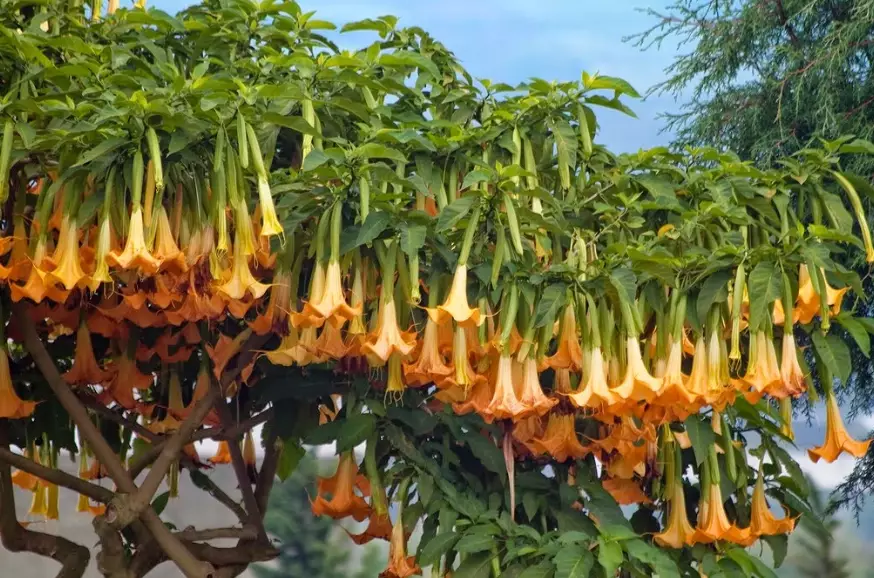
What's Inside: Your Quick Guide
What Exactly Is a Brugmansia Tree?
Often called angel's trumpet or devil's trumpet (a clue right there), brugmansia is a genus of flowering shrubs or small trees native to South America. It's famous for its large, trumpet-shaped, intensely fragrant flowers that hang down like elegant bells. It's a close relative of datura (jimsonweed), but while datura flowers point upwards, brugmansia's weep gracefully downward. They're typically grown as container specimens in cooler climates and can become small trees in frost-free areas. The fragrance, strongest at night, is intoxicating—think a complex mix of citrus, gardenia, and mystery. But here's the thing most articles gloss over: its growth is explosive. I've had a cutting go from a stick to a six-foot, blooming beast in a single season with the right food and water. It's not a slow, patient plant.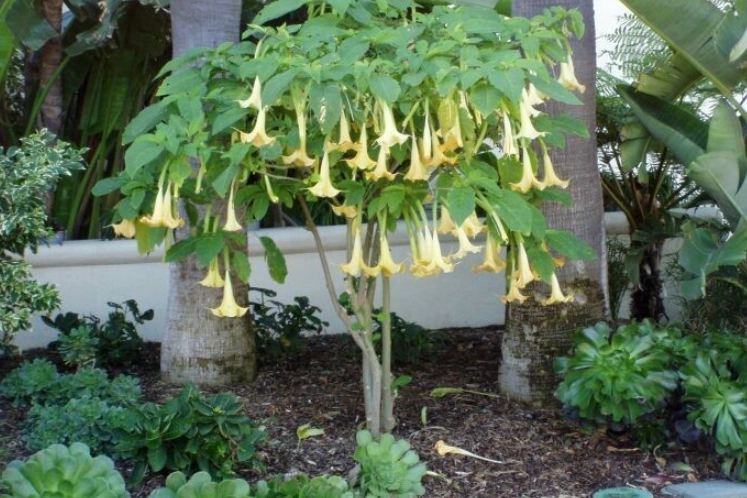
Key Distinction: Brugmansia is woody and tree-like; its flowers hang down. Datura is herbaceous (non-woody) and its flowers face upward. Confusing them is common, but brugmansia is generally the larger, more long-lived garden plant.
The Non-Negotiable Brugmansia Care Guide
Getting angel trumpet care wrong usually means no flowers, a weak plant, or worse. This isn't a "set it and forget it" houseplant.
How to Water Your Brugmansia (The Biggest Mistake)
Everyone says "keep it moist." That's vague and dangerous. In hot summer sun, a large, leafy brugmansia in a pot might need watering twice a day. I'm not kidding. The leaves wilt dramatically when thirsty—it's a great indicator. The goal is consistently moist soil, never soggy and never bone dry. In winter, when dormant, you might water it once a month. The swing is extreme. The rookie error? Using a small, decorative pot. It dries out too fast. Go big with your container.
Sunlight, Food, and Soil: The Growth Trinity
These plants are sun worshippers. They want at least 6-8 hours of direct sun for maximum blooming. Some afternoon shade in blistering climates can prevent leaf scorch.
Feeding is where you unlock the magic. They are heavy feeders. I use a balanced, water-soluble fertilizer (like a 15-15-15) every other week during the growing season. To really push blooms, switch to a fertilizer higher in phosphorus (the middle number) as flower buds form. A common sign of hunger is yellowing leaves, especially lower ones.
Soil should be rich and well-draining. A good quality potting mix with some compost mixed in works. They dislike heavy, clay-based garden soil.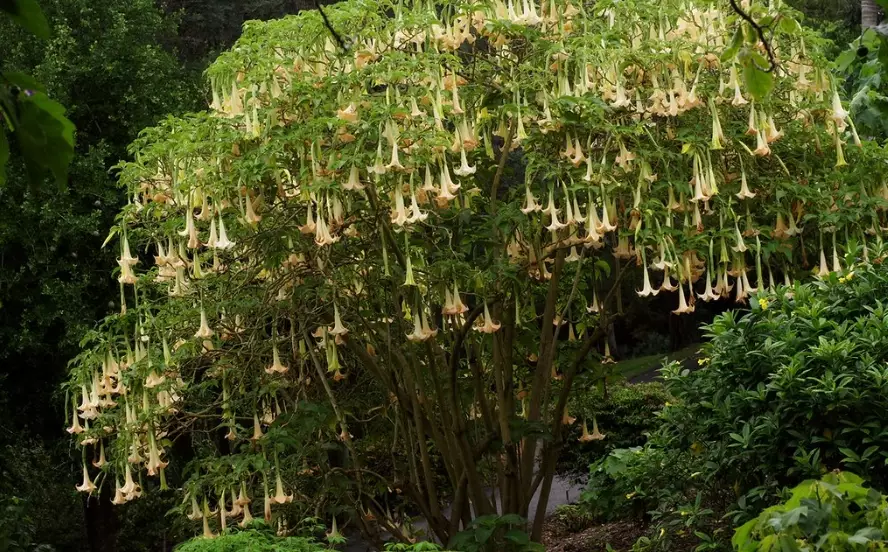
Overwintering Brugmansia: The Cold Truth
If you live where frost occurs, you must bring your potted brugmansia indoors. Here's the non-consensus part: you have two choices, and the "right" one depends on your space.
- Option A (Dormancy): After the first light frost, prune it back hard, to about 1-2 feet. Store it in a cool (40-50°F), dark place like a garage or basement. Water sparingly, just enough to keep the roots from shriveling. It will drop all its leaves. This is fine.
- Option B (As a Houseplant): Bring it inside before frost to a bright, sunny window. It will likely continue growing, but may get leggy and attract pests like spider mites. You'll need to water and feed it all winter.
I prefer Option A. It gives the plant—and me—a rest.
Choosing Your Angel Trumpet: A Quick Comparison
Not all brugmansias are the same. Flower color, size, and fragrance intensity vary. Here’s a breakdown of popular types to help you choose.
| Variety (Common Name) | Flower Color & Form | Key Characteristics | Best For |
|---|---|---|---|
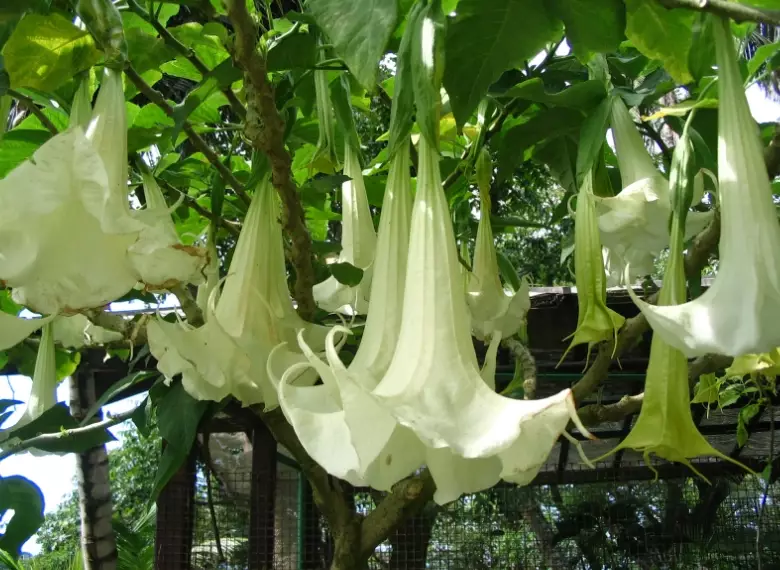
| Brugmansia suaveolens | White or pale pink, very long trumpets | Classic, intensely fragrant, vigorous grower. One of the most common. | Beginners, night gardens for fragrance. |
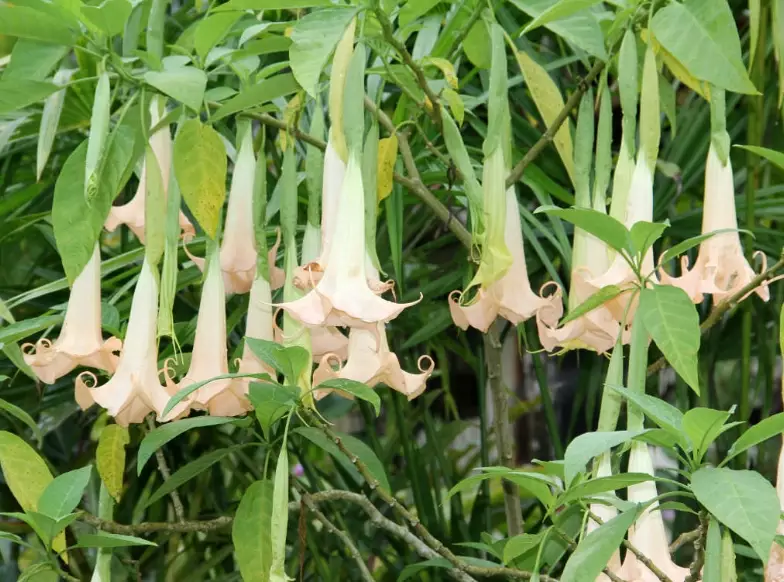
| Brugmansia versicolor | Starts apricot, ages to pale peach or white | "Changing color." Flowers can be over 20 inches long. Stunning. | Showpiece plant, collectors. |
| Brugmansia 'Charles Grimaldi' | Deep golden yellow | Extremely free-flowering, strong fragrance. A proven award-winner. | Maximum bloom power, container growing. |
| Brugmansia sanguinea | Red and yellow, tubular shape | Less fragrant, but uniquely colored. More tolerant of cooler temps. | Unique color, cooler climates. |
| Brugmansia arborea | Short, white, upright-facing flowers | More tree-like habit, flowers have a sweeter scent. | Creating a small tree form. |
The Safety Chapter You Cannot Skip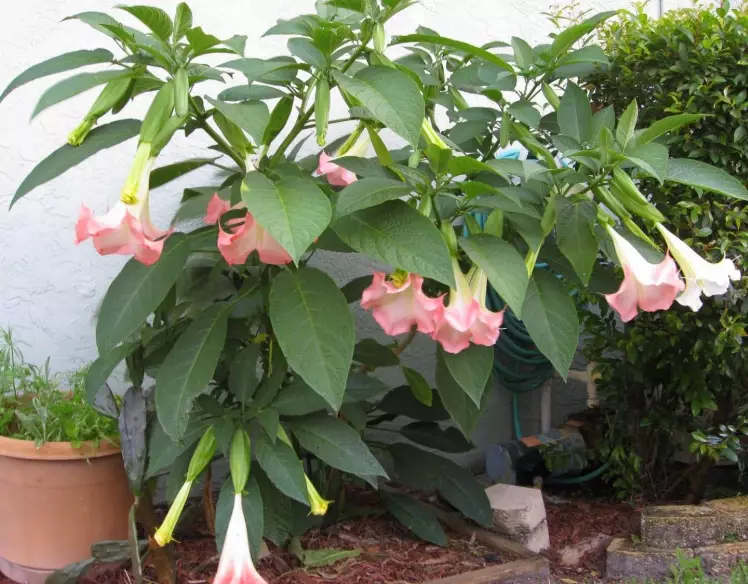
We have to talk about brugmansia toxicity. All parts of the plant are poisonous—leaves, flowers, seeds, stems, roots. They contain tropane alkaloids (scopolamine, atropine, hyoscyamine) which can cause hallucinations, paralysis, tachycardia, and even death if ingested.
This is serious. It's not a "might get a stomach ache" plant. The level of danger is often compared to foxglove or oleander. There are documented cases of severe poisoning from teas made from the flowers or leaves.
So, should you grow it?
Yes, but with strict rules. 1. Never grow it where children or pets who might chew on plants have unsupervised access. 2. Always wear gloves when pruning or handling cuttings, especially if you have cuts on your hands. The sap can cause skin irritation and allow toxins into your bloodstream. 3. Wash your hands thoroughly after handling. 4. Never use any part of the plant for "recreational" or homemade medicinal purposes. The dose is impossible to gauge safely at home. 5. Consider its placement. Maybe not right next to the patio table where flower petals might drop into a drink.
Respect the plant, and you can enjoy its beauty safely.
Expert Troubleshooting & Advanced Tips
You've got the basics. Here's what they don't tell you in the care sheet.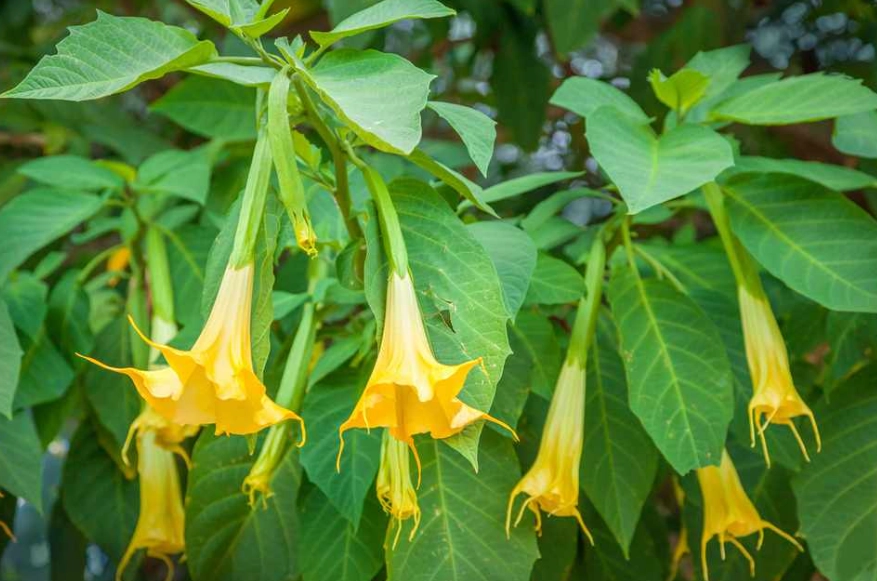
Why Isn't My Brugmansia Flowering?
The top three reasons: Not enough sun. It's that simple. Move it. Not enough fertilizer. These are hungry plants. Up your feeding schedule. It's too young or recently pruned. Brugmansia often flowers on new growth, but it needs to mature a bit first. A hard prune in late winter/early spring can delay flowering by a few months but will give you a bushier plant.
Pests and Diseases: The Usual Suspects
Whiteflies, spider mites, and aphids love the soft leaves. A strong blast of water can dislodge them. For infestations, insecticidal soap or neem oil works. The best defense is a healthy, well-watered plant. Root rot from overwatering in poor-draining soil is the main disease issue.
Propagation: Making More (Carefully)
The easiest way is from cuttings. In spring or summer, take a 6-8 inch tip cutting, remove the lower leaves, and place it in a glass of water or moist potting mix. It roots easily. Remember to wear gloves. I've shared cuttings with friends, always with a stern safety lecture attached.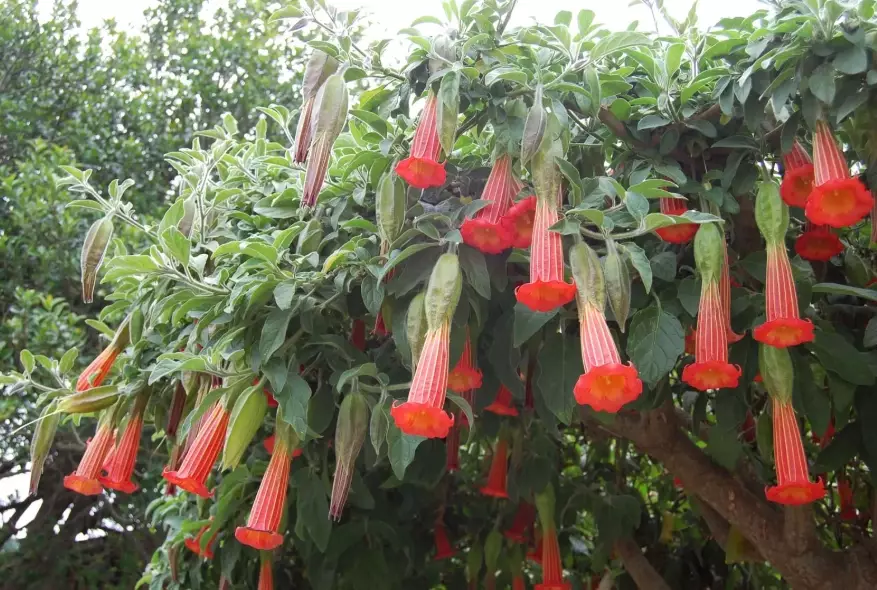
Your Top Brugmansia Questions, Answered
 How do I get my brugmansia to have more branches and a fuller shape?
 What's the real difference between caring for brugmansia in the ground vs. in a pot?

Comments