Let's be honest, we've all been there. You bring home a beautiful, lush Neanthe Bella palm (often sold as a "Parlor Palm"), thrilled by its promise of being a "low-maintenance" and "low-light" plant. A few months later, you're staring at yellowing fronds, crispy brown tips, and a general look of despair. What went wrong? The truth about Neanthe Bella care isn't complicated, but it's full of small, easy-to-miss details that separate a surviving plant from a thriving one. I've grown these for over a decade, and I'm here to cut through the generic advice. This guide isn't just about keeping it alive—it's about helping your Neanthe Bella become the vibrant, air-purifying centerpiece it's meant to be.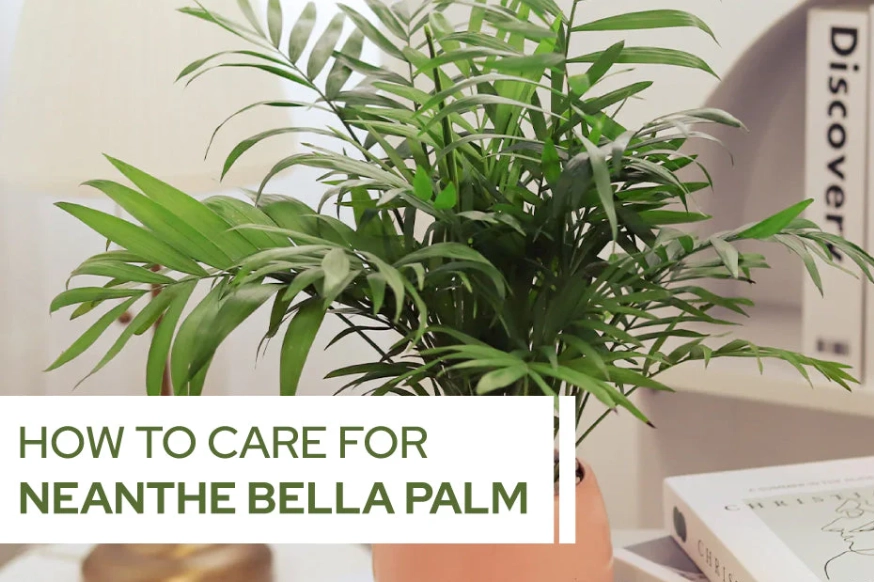
What You'll Learn in This Guide
What Exactly is a Neanthe Bella Plant?
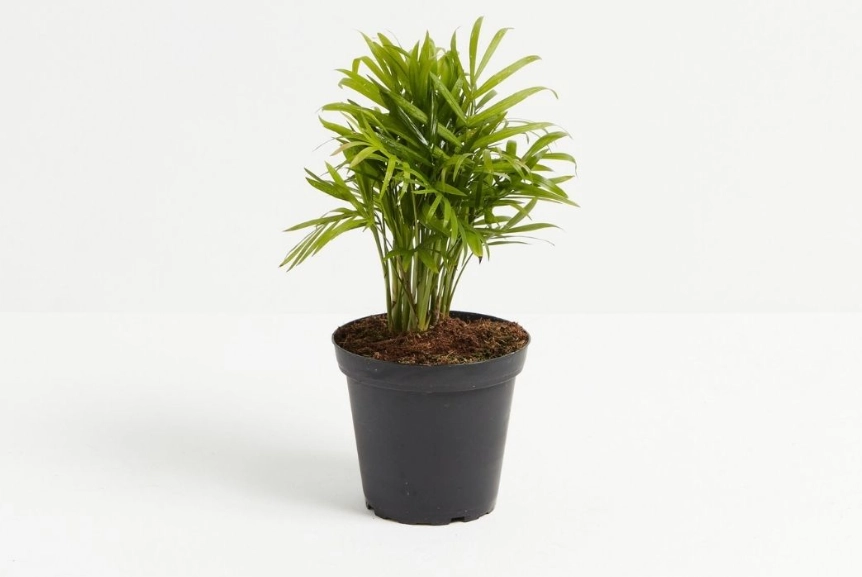
First, let's clear up the name. You'll see it labeled as Chamaedorea elegans, Neanthe Bella, Parlor Palm, or sometimes "Good Luck Palm." It's all the same plant. This Central American native is a staple for a reason: it's genuinely adaptable. But that "adaptable" label is a double-edged sword. It means the plant won't die immediately if you mess up, but it also means it can languish in subpar conditions for months, slowly declining, before you realize there's a problem.
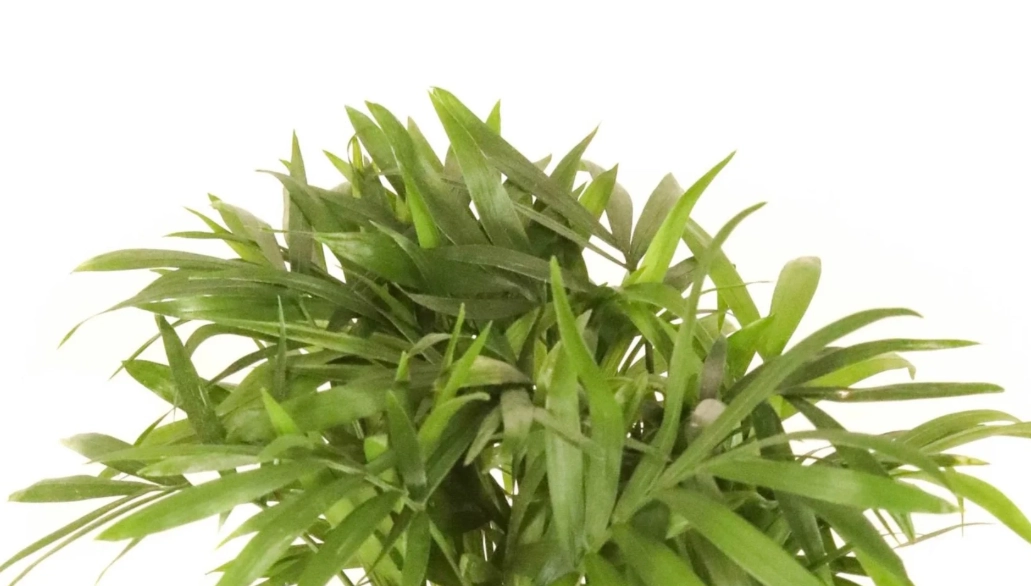
Its structure is key to understanding its needs. It's not a tree; it's a clumping palm with multiple slender, cane-like stems emerging from the soil, each topped with a graceful arch of dark green, feather-like leaflets. This form tells us two things: 1) It likes its roots to be somewhat cozy (but not strangled), and 2) Those delicate leaflets are sensitive to air quality and moisture levels. Unlike a rubber plant with its thick leaves, the Neanthe Bella's foliage is a direct barometer for its environment.
How to Care for Your Neanthe Bella: The Non-Negotiables
Forget the vague advice. Here’s the actionable, specific care breakdown that actually works.
Light: The Biggest Misconception
The "low light" tag is the most misleading thing about this plant. Yes, it survives in low light. But in my experience, that's where it enters a slow, stagnant decline—growth stops, it becomes more susceptible to pests like spider mites, and new fronds are weak. What it truly loves is bright, indirect light. Think near an east-facing window, or a few feet back from a south or west window with a sheer curtain. A north window can work, but growth will be slower. If the fronds are stretching out widely with large gaps between leaflets, it's begging for more light.
Watering: The Root of Most Problems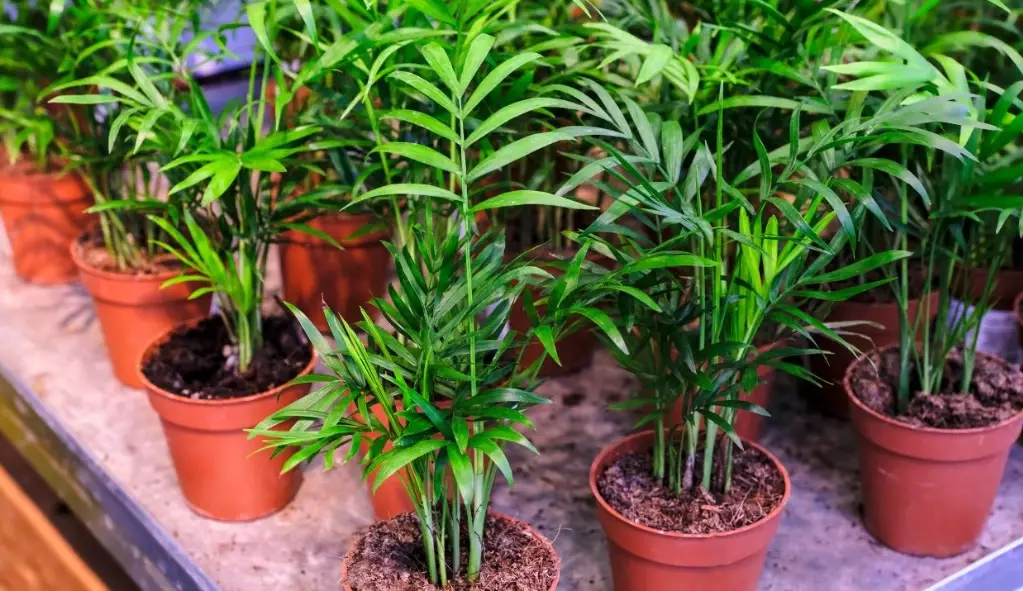
This is where most people fail. The goal is consistently lightly moist soil, never soggy and never bone dry. Stick your finger 2 inches into the soil. If it feels dry at that depth, it's time to water. If it's still damp, wait. In a standard indoor setting, this usually translates to watering every 7-10 days in summer and maybe every 14-20 days in winter, but always let the finger test be your guide, not the calendar.
Water thoroughly until it runs out the drainage holes, and let the pot drain completely. Never let it sit in a saucer of water. Using room-temperature or tepid water is better than ice-cold tap water straight from the faucet, which can shock the roots.
Soil & Potting: Setting the Foundation
A well-draining, peat-based potting mix is perfect. Many standard indoor plant mixes work, but you can improve drainage by mixing in 20% perlite or orchid bark. The pot must have drainage holes. Repot only when the plant is seriously root-bound—you see roots circling the bottom or even pushing out of the drainage holes. This might be every 2-3 years. When you do repot, only go up one pot size (1-2 inches wider in diameter). Too much soil holds excess water and leads to root rot.
Humidity & Temperature: Creating Comfort
Neanthe Bellas appreciate humidity above 40%. Average home humidity (around 30-40%) is often tolerable, but you'll see fewer brown tips with a boost. You don't need a humidifier (though it's great). Grouping plants together, placing the pot on a pebble tray with water, or occasional misting (focus on the air around it, not drenching the leaves) can help. Keep it away from heating vents, air conditioners, and drafty windows. Ideal temperatures are between 65°F and 80°F (18°C - 27°C).
| Care Element | Ideal Condition | Signs of Trouble |
|---|---|---|
| Light | Bright, indirect light (east window ideal) | Leggy growth, pale leaves, no new growth |
| Watering | When top 2" of soil is dry; thorough soak | Yellow lower leaves (overwatering), crispy brown tips (under/fluoride) |
| Soil | Well-draining, peat-based mix | Soil stays wet for days, mold on surface |
| Humidity | >40% | Brown, crispy leaf tips and margins |
| Temperature | 65°F - 80°F (18°C - 27°C) | Leaf drop, browning in cold drafts |
The Neanthe Bella Care Schedule: A Seasonal Breakdown
Your plant's needs change with the seasons. Treating it the same year-round is a common mistake.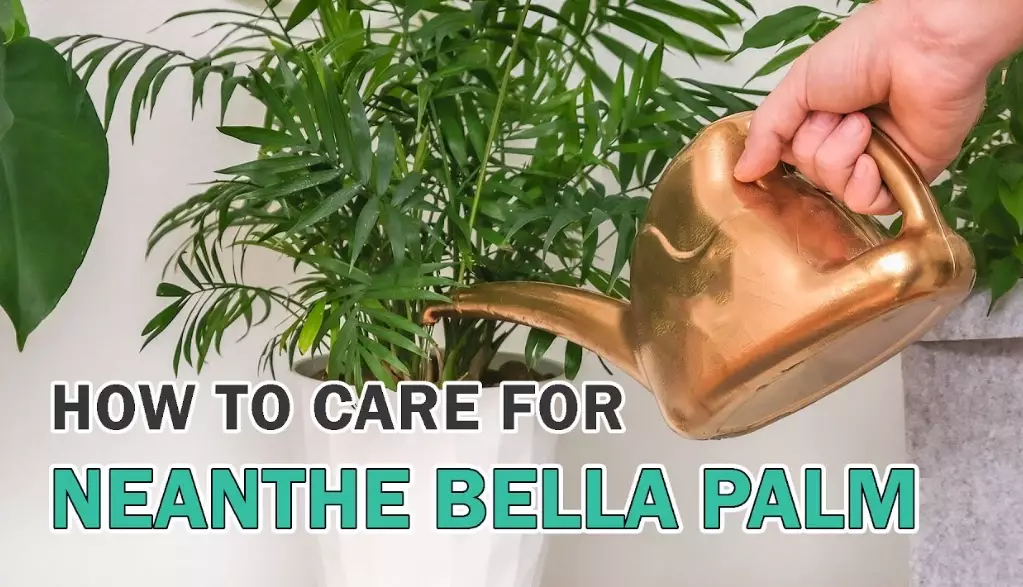
Spring & Summer (Growth Season): This is prime time. Watering frequency will increase. You can start a light feeding schedule. Use a balanced, water-soluble fertilizer (like a 10-10-10) diluted to half strength, once a month. Don't over-fertilize—it's a light feeder, and salt buildup can burn the roots. This is also the best time to repot if needed.
Fall & Winter (Dormant Season): Growth slows or stops. This is critical. Reduce watering significantly. Let the soil dry out more between waterings. Stop fertilizing completely from late fall through winter. The plant is resting, and fertilizer will just sit in the soil and cause harm. Ensure it gets whatever ambient light is available, and keep it away from cold windows.
Common Neanthe Bella Problems and How to Fix Them
Diagnosing issues is easier when you know what to look for.
Brown Leaf Tips: The universal complaint. Usually a sign of low humidity, but it can also be from chemicals in tap water (fluoride, chlorine). Try using filtered, distilled, or rainwater. You can also let tap water sit out overnight before using. Snip the brown tips off with clean scissors, following the natural shape of the leaf.
Yellowing Leaves: Context matters. A few old, lower leaves yellowing and dying off is normal senescence. Many leaves yellowing, especially newer ones, points to overwatering. Check the soil. If it's soggy, let it dry out deeply and reassess your watering habits. Yellow leaves won't turn green again; you can remove them.
Pests: Spider mites and mealybugs are the main culprits. Spider mites love dry, stagnant air. Look for fine webbing and tiny stippling marks on leaves. Mealybugs look like tiny bits of white cotton. For light infestations, wipe leaves with a cloth dipped in soapy water (use insecticidal soap). For heavier issues, a neem oil solution or products recommended by sources like the UC Statewide Integrated Pest Management Program can be effective. Isolate the affected plant immediately.
Advanced Care: Propagation and Long-Term Health
Want more of these plants? Neanthe Bella is propagated by division, not from cuttings or leaf nodes like a pothos.
When you repot a mature, multi-stemmed clump, you can gently tease apart the root ball into two or three smaller clusters, each with its own set of stems and roots. Use a clean, sharp knife if necessary. Pot each division separately into fresh, moist soil. Keep them in a warm, humid, shady spot for a few weeks to recover from the shock before moving them back to their normal light. Don't fertilize newly divided plants for at least 2-3 months.
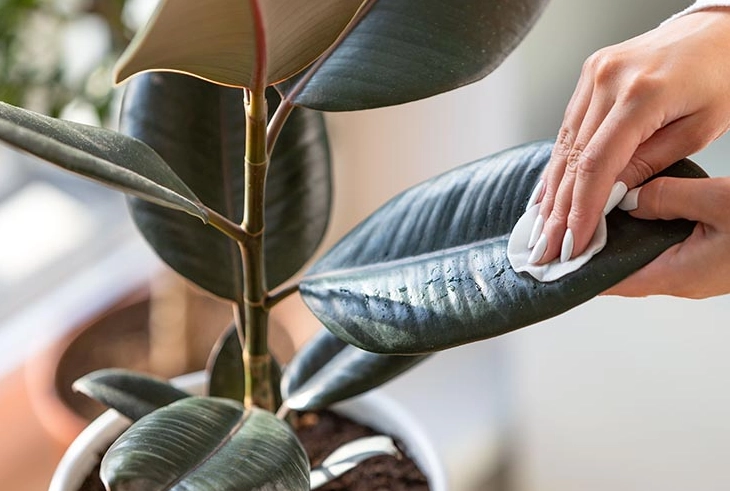
For long-term health, wipe the leaves with a damp cloth every month or two. This removes dust, allows the plant to breathe and photosynthesize better, and gives you a chance to inspect for pests.
Your Neanthe Bella Care Questions Answered
 Can a Neanthe Bella survive in a bathroom with no window?
 Stick to these principles—prioritizing light quality, mastering the watering finger-test, and adjusting with the seasons—and your Neanthe Bella will reward you with years of elegant, trouble-free growth. It's not about being a perfect plant parent, but about understanding the few key things this particular plant truly cares about. Start with the light and water, and the rest will follow.
Comments